Gravimetric Density Monitoring Standards in Cold Pad Batch Cellulosic Processing
Gravimetric density tracking in cold pad batch dyeing prevents tailing and listing by matching chemical feed mass to fabric capillary absorption limits.

Nip
A 320-millimetre diameter rubber-covered bowl deflected under hydraulic pressure across a 2,200-millimetre face sets the liquor boundary. Cold pad batch coloration demands uniform chemical transfer across every square centimetre of moving broadcloth. If liquid distribution fluctuates by even two percentage points across the roll width, shade depths drift beyond commercial tolerances before fixation begins.
Wet pick-up monitoring relies on continuous differential gravimetric sensors that compare the dry weight of incoming material against damp yardage exiting the squeeze zone.
Modern padding units position beta transmission gauges or high-frequency microwave resonance heads directly behind the expression rollers. Online mass calculation translates instantaneous radiation attenuation into grams of liquor absorbed per kilogram of bone-dry fibre. The instrument samples forty points across the web every minute.
Tension balances the web.
Gravimetric sensors establish the line speed ceiling by tracking water absorption millimetre by millimetre across the entire roll width.

Target Pick-Up Tolerances across Metered Bowls
Cellulosic goods require precise mechanical pressure profiles to avoid edge-to-centre shading. Cotton sheeting processed at sixty metres per minute typically operates at sixty-eight percent wet pick-up, whereas regenerated modal requires seventy-eight percent pick-up under identical pad geometries. Density governs reactive yield.
When pneumatic rams apply asymmetrical force to the roller journals, liquor expression drops at the selvedges, yielding pale edges. Squeegee rollers ground with a crown compensate for deflection, but crown profiles wear down after three hundred operating hours.
| Fiber Classification | Areal Weight Range | Target Wet Pick-Up | Permissible Lateral Variance | Hydraulic Bowl Pressure |
|---|---|---|---|---|
| Carded Ring Cotton Poplin | 110 to 140 g/m² | 65 percent | ±1.5 percent | 2.8 bar |
| Combed Cotton Interlock | 180 to 220 g/m² | 72 percent | ±2.0 percent | 2.2 bar |
| Viscose Rayon Plain Challis | 100 to 135 g/m² | 80 percent | ±1.8 percent | 3.4 bar |
| Lyocell Twill Substrate | 150 to 190 g/m² | 68 percent | ±1.5 percent | 3.1 bar |
| Flax Linen Canvas | 240 to 310 g/m² | 62 percent | ±2.5 percent | 4.2 bar |

Inline Microwave Gravimetric Sensors
Digital microwave resonators evaluate moisture mass without contacting damp textiles. Water dipoles rotate under microwave excitation, attenuating signal amplitude in direct proportion to liquid volume. When technicians calibrate these arrays against physical swatch weighings under ISO 3801, gravimetric accuracy holds within 0.5 grams per square metre.
The physical samples come off the line, drop into sealed tins, and transfer to analytical balances within forty seconds to prevent evaporative loss.
Cold liquor slows penetration. Any thermal variation in the trough alters liquor viscosity, changing the expressed mass at fixed pneumatic loading. Skipping hydraulic calibration unbalances the expressed liquor mass, transforming an entire thirty-thousand-metre delivery into seconds through uncorrectable listing bands.

Alkali
Caustic soda delivery lines feed sodium hydroxide at 38 degrees Baumé directly into dynamic mixing heads. Cold pad batch chemistry requires separate streams for dissolved reactive dyestuff and concentrated activating chemicals. Premature mixing triggers dyestuff hydrolysis within twenty minutes, killing the covalent bond between dye molecule and cellulose hydroxyl groups.
Automated dosing skids run ratio-controlled piston pumps to inject four parts dye solution to one part alkali concentrate into a low-volume trough holding less than twenty-five litres of volume.
A temperature shift of five degrees Celsius in the alkali storage tank displaces hydrometer readings by 0.0035 grams per cubic centimetre.
Inline oscillating U-tube sensors operate under ISO 15212-1 to continuously monitor mixture density. The system measures resonant frequency shifts inside an electro-magnetically excited glass or titanium tube. Coriolis meters measure mass.
These readings convert raw resonant periods into specific gravity figures accurate to four decimal places. When caustic concentration drops due to dilution or pump cavitation, the sensor signals the variable-speed motor to adjust pump stroke volume within two seconds.
Oscillating Tube Standards and Temperature Drift
Specific gravity calculations depend entirely on thermal compensation algorithms. Caustic soda liquor displays a steep thermal expansion coefficient. A bath measured at 1.0850 grams per cubic centimetre at twenty degrees Celsius drops to 1.0805 grams per cubic centimetre if seasonal heat pushes ambient trough temperatures to twenty-nine degrees.
Uncompensated hydrometers register this thermal expansion as chemical under-dosing, causing automatic skids to over-inject sodium hydroxide. Excess alkalinity accelerates dyestuff hydrolysis, generating pale tails at the final thousand metres of the run.
Can Coriolis Flowmeters Eliminate Density Tailing?
Coriolis mass flowmeters measure true fluid density and mass transfer simultaneously, bypassing fluid conductivity errors that plague legacy optical refractometers. The meter splits chemical streams through twin vibrating loops, registering phase shifts caused by the fluid mass passing through oscillating pipes. Gas bubbles introduced by high-speed trough agitation compromise these measurements by dampening resonant frequencies.
De-aeration cones installed upstream from the metering cell strip entrained air from silicate-heavy baths.
- Caustic Pump Cavitation drops delivered alkali mass below chemical stoichiometry, causing incomplete fixation and broad-scale depth loss.
- Silicate Crystallization clogs injection nozzles and skews digital hydrometer tubes, producing phantom high-density alarms on control consoles.
- Thermal Stratification inside bulk chemical drums alters chemical dosage across eighteen-hour processing schedules unless low-shear mixers operate continuously.
- Entrained Microfoam reduces apparent bath density in oscillating resonators, causing controllers to flood troughs with excess caustic.
Chemical suppliers routinely maintain that ambient warehouse cooling accounts for hydrometer drift, leaving the finishing floor to absorb the billing dispute when shade depths collapse over the final thousand metres.

Substrate
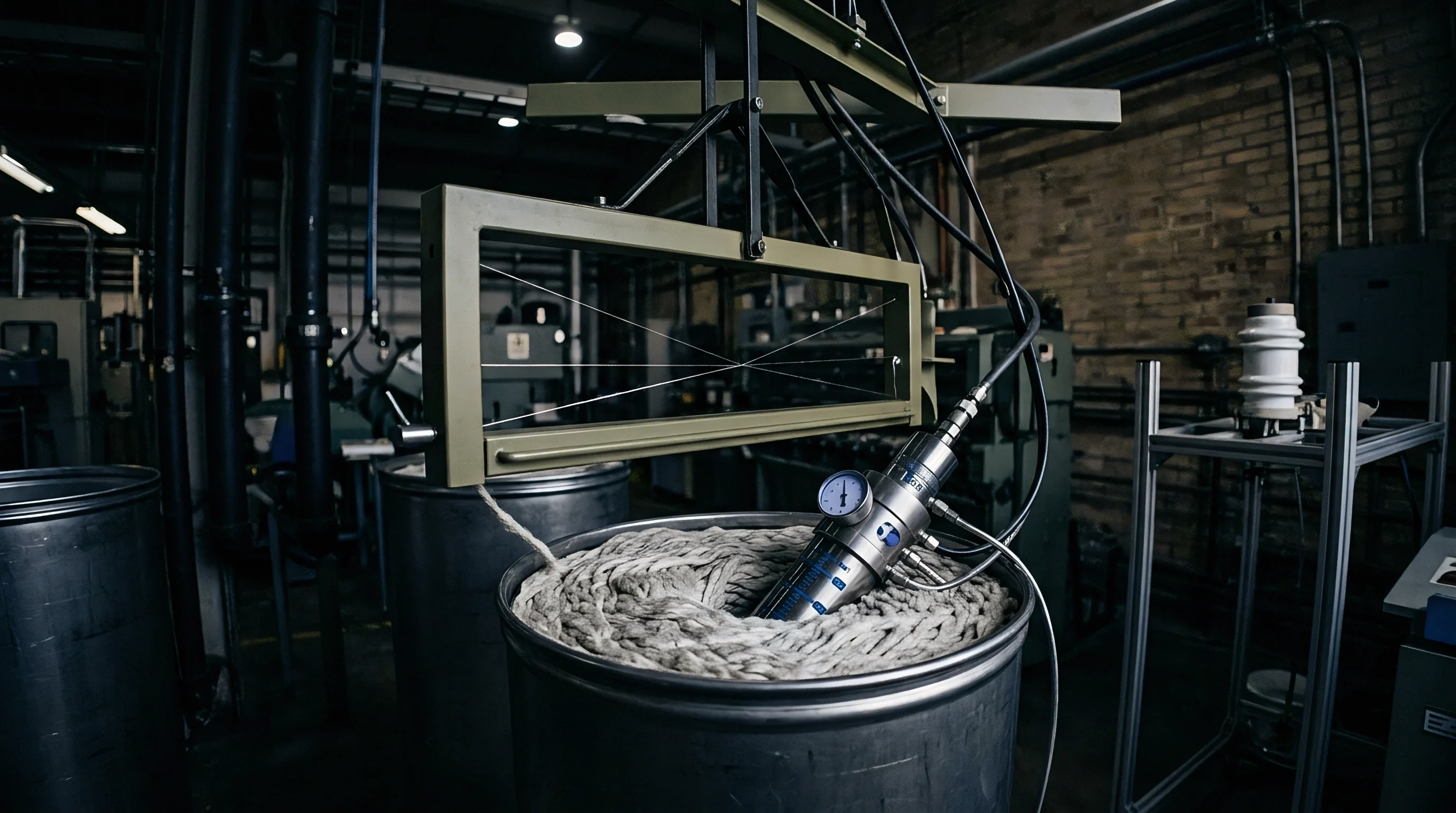
Cellulose polymers present distinct capillary uptake profiles depending on whether cotton, modal, or lyocell fills the loom beam. Greige yarns contain natural hydrophobic impurities, including pectins, waxes, and fatty alcohols, that retard aqueous liquor uptake. Scouring and bleaching operations extract these contaminants to achieve rapid, uniform wettability.
Residual sizes also distort cold pad batch pickup. Starch, polyvinyl alcohol, and acrylic sizing agents film yarn surfaces, repelling dye molecules when padding proceeds without complete size removal.
Greige waxes repel dye. Hydrophilic properties are qualified through droplet absorption timing under AATCC Test Method 79. A drop of distilled water placed on scoured piece goods should dissipate within two seconds.
Uniform moisture prevents listing. Material entering the dye trough with fluctuating moisture content yields uneven pick-up, because damp patches absorb less concentrated liquor than bone-dry sections.
Cellulosic Regain and Immersion Kinetics
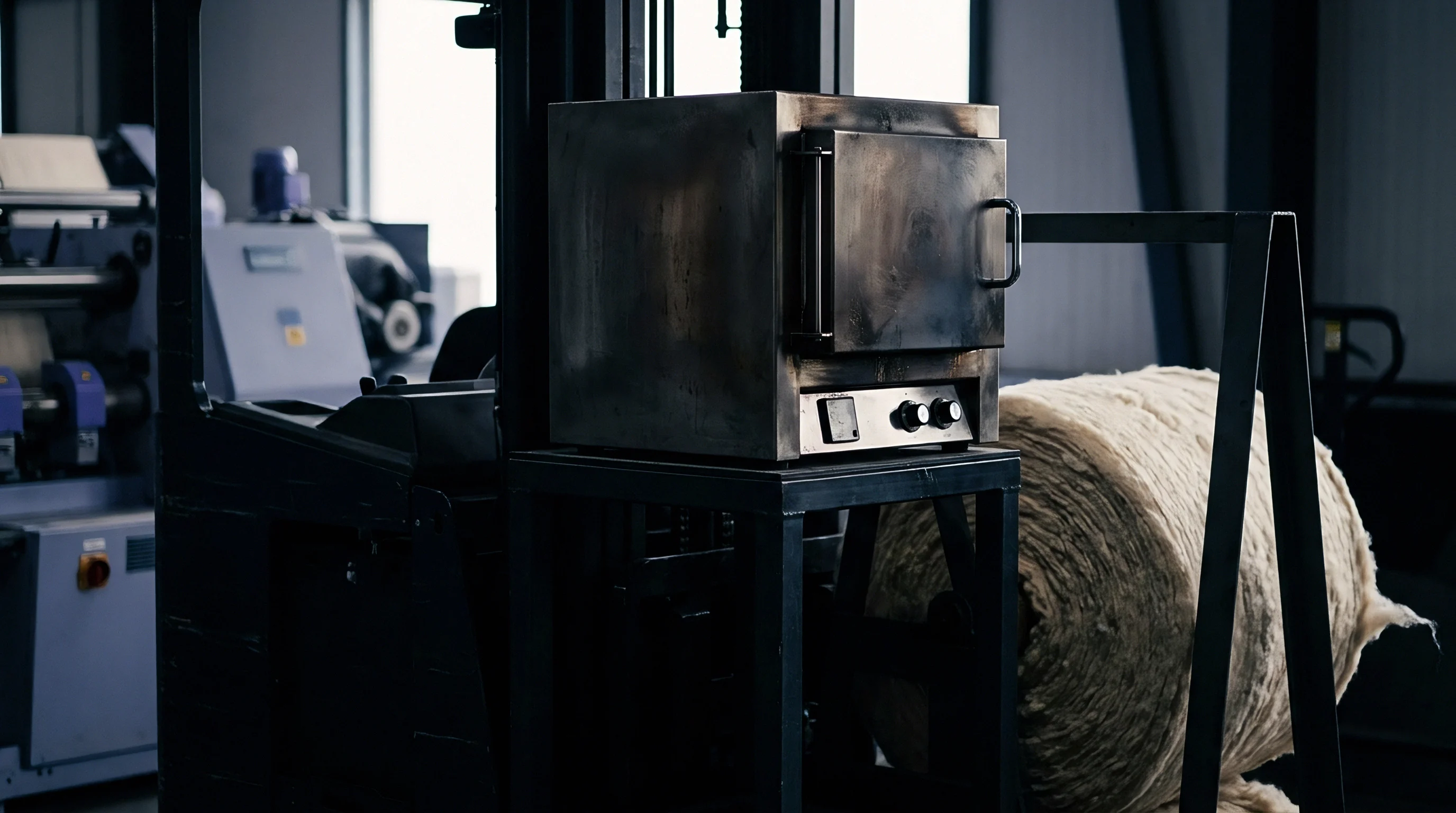
Cotton fibres hold an equilibrium commercial moisture regain of 8.5 percent under standard atmospheric conditioning defined in ISO 139. Viscose swells rapidly. Regenerated cellulose holds eleven to thirteen percent moisture regain while displaying double the swelling volume of natural cotton.
When cellulosic goods pass through a four-metre trough at high speeds, contact dwell time rarely exceeds 1.5 seconds. The liquor must penetrate interior yarn bundles by capillary force before reaching the nip squeeze.
| Cellulose Type | Residual Size Rating | Tegewa Violet Scale | Aqueous Core pH | Capillary Rise Height |
|---|---|---|---|---|
| Ring-Spun Cotton Twill | 0.12 percent | Grade 7 to 8 | 6.8 | 42 mm per minute |
| Rotor-Spun Cotton Sheeting | 0.35 percent | Grade 6 | 7.4 | 31 mm per minute |
| Viscose Filament Lining | 0.04 percent | Grade 8 | 6.5 | 58 mm per minute |
| Lyocell Slub Poplin | 0.08 percent | Grade 8 | 6.9 | 49 mm per minute |
| Mercerized Cotton Sateen | 0.05 percent | Grade 8 | 7.0 | 64 mm per minute |

Preparation Benchmarks before Pad Entry
Incoming yardage requires strict pre-treatment metrics to ensure reliable coloration. Variations in core pH across a five-thousand-metre lot disrupt fixation chemistry during the batching stage.
- Verify desizing completeness using potassium iodide-iodine spotting solutions across both selvedges and centre positions to confirm size clearance.
- Extract twenty-gram cut swatches in boiling distilled water per ISO 3071 to verify that residual core pH lands between 6.5 and 7.2.
- Measure fabric surface temperature across the entry rail using infrared pyrometers to ensure the broadcloth cools below twenty-five degrees Celsius after drying cans.
- Check residual peroxide concentration using test strips, verifying peroxide presence registers below ten parts per million to protect oxidation-sensitive dyes.
A dry beam entering cold liquor absorbs chemistry only as uniformly as its preceding scour removed the natural waxes.

Rotation
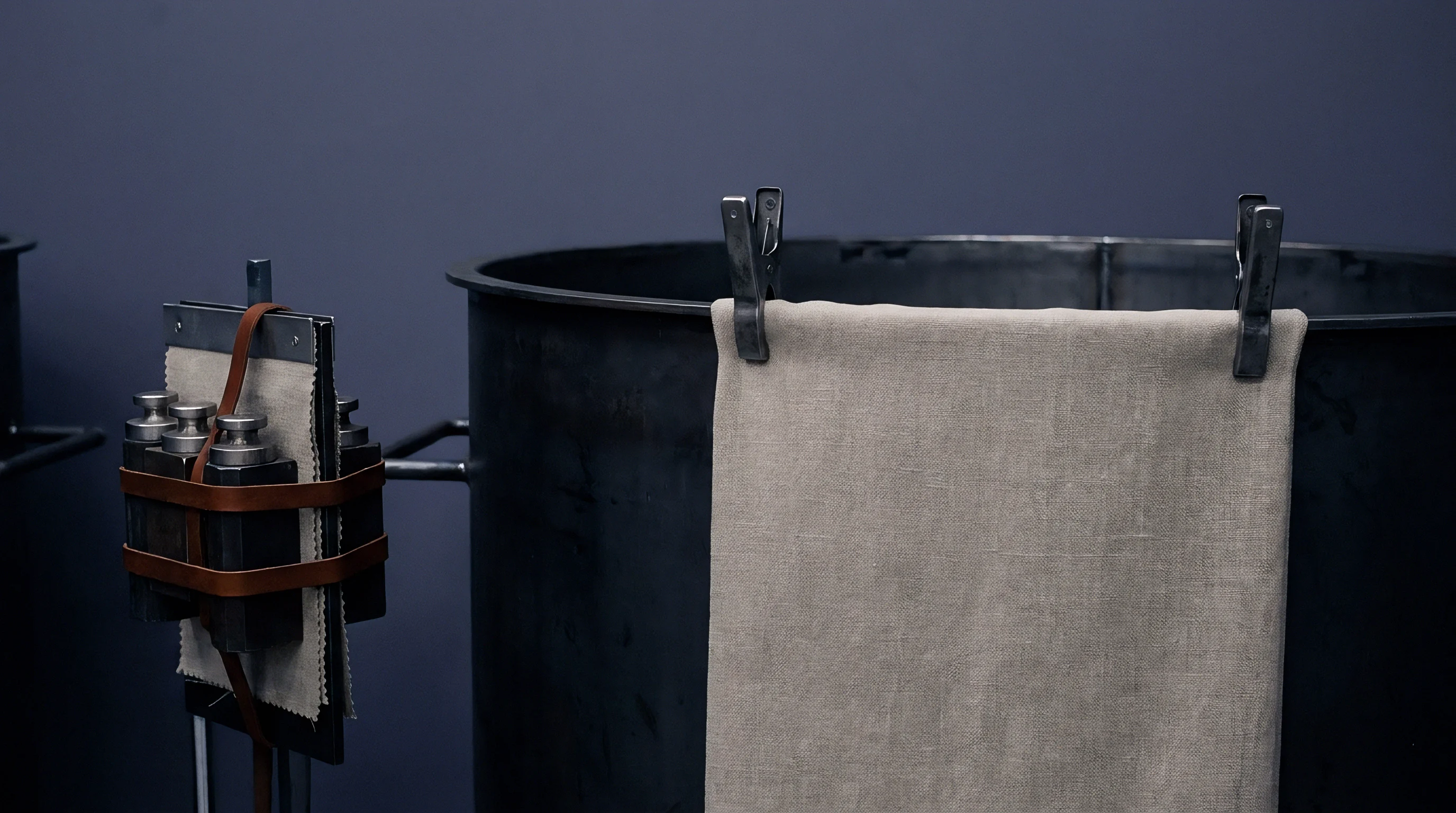
Batching stations turn loaded A-frames at six revolutions per minute to resist hydrostatic pooling. After leaving the padder nip, wet goods wind around a heavy steel core under controlled surface tension. The padded roll contains several thousand litres of unbound water and dissolved chemicals.
If rotation halts for even ten minutes, gravitational forces pull mobile liquor downward through yarn interstices. Silicate locks the boundary. This physical migration creates concentric rings of high dye concentration along bottom roll quadrants, leaving the opposite arcs pale and streaked.
A-frame rotation speeds under four revolutions per minute allow gravity to overcome capillary forces in heavy canvas constructions.
Slow revolutions arrest seepage. Operators encase the wound roll in airtight polyethylene film immediately following the batching cycle. Evaporative loss from exposed edges causes dyestuff to crystallize along selvedges, generating dark borders that resist washing out.
The plastic barrier also excludes atmospheric carbon dioxide. Carbon dioxide neutralizes surface sodium hydroxide into sodium carbonate, dropping bath alkalinity and inhibiting dye fixation along exterior layers.
Gravitational Drainage Control in Dwelling Batches
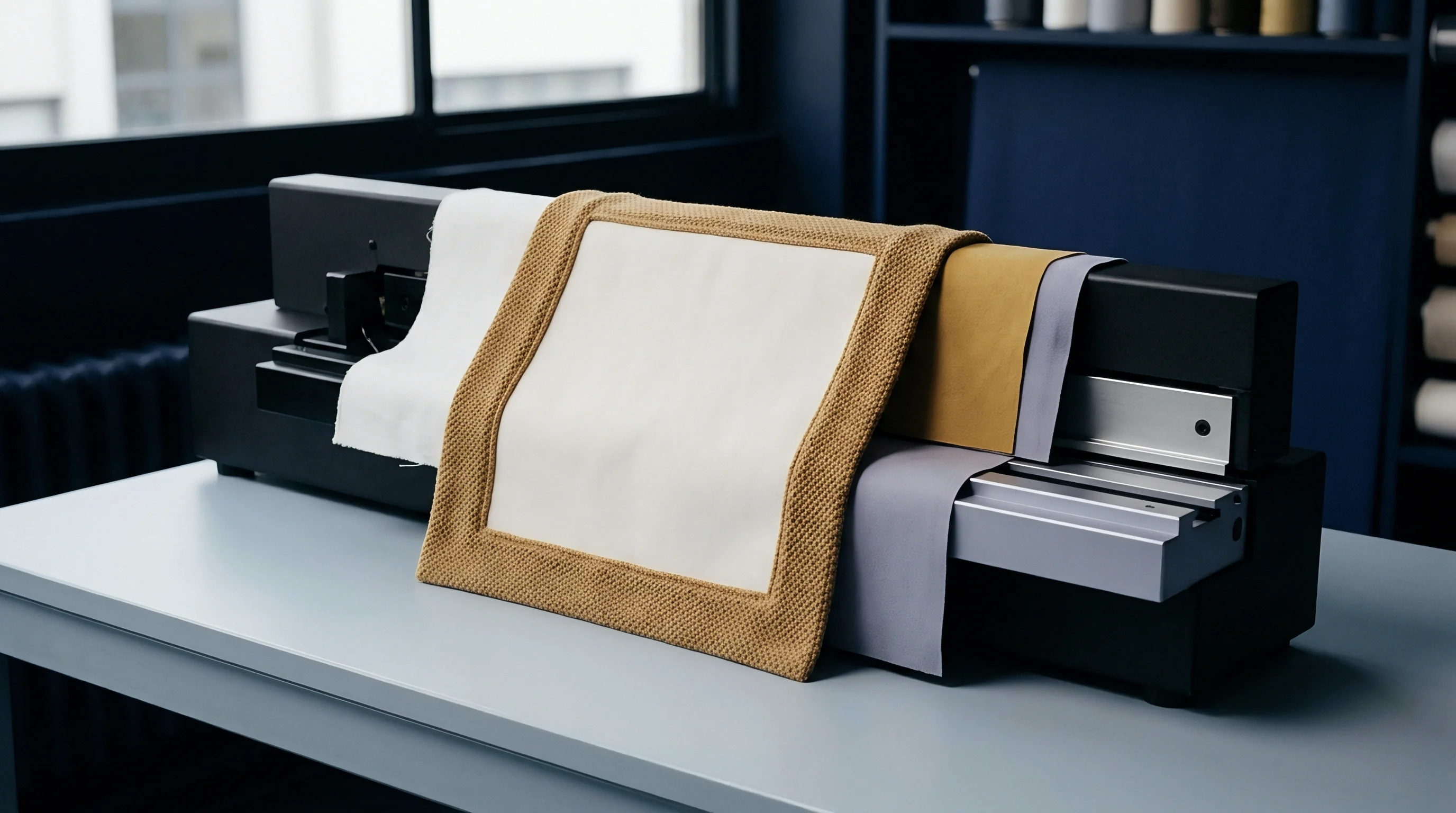
The equilibrium between fluid drainage and surface tension depends on fibre bundle construction and rotational frequency. Heavy sailcloth materials demand seven to eight revolutions per minute to counteract capillary draining, while lightweight voiles turn steadily at four revolutions per minute. Dwell time fixes shade.
Ambient room temperature during this phase must stay between twenty and twenty-four degrees Celsius. Temperatures dropping below eighteen degrees stall fixation kinetics, whereas heat exceeding thirty degrees hydrolyses reactive dyes before bonding completes.
Hydrolysis Rates during Ambient Dwell
Vinyl sulphone and bi-reactive chlorotriazine chemistries require distinct reaction windows to achieve high covalent bonding efficiency. The alkaline environment activates cellulose hydroxyl ions, forming ether or ester linkages with reactive dye anchors. Hydroxide ions simultaneously attack dyestuff molecules, generating non-reactive hydrolysed pigment that fails to bond with cellulose chains.
Balancing this dual reaction pathway demands precise dwelling control.
- Airtight Stretch Wrapping seals roll perimeters against air exposure, eliminating perimeter drying and carbonate formation.
- Drive Motor Redundancy prevents mechanical stall on rotating A-frames during the fourteen-hour dwell cycle, avoiding drainage pooling.
- Rotational Speed Sensors trigger digital sirens if drive belts slip below five revolutions per minute under wet batch tonnage.
- Ambient Climate Control stabilizes warehouse temperatures within two degrees of target, preventing seasonal fixation variances.
Mill technical groups remain divided over whether continuous optical edge-tracking or periodic physical sampling of liquor migration through the selvedge provides the definitive standard for beam uniformity.

Clearance
Open-width wash boxes strip unbonded hydrolysed reactive dye molecules through nine counter-current extraction tanks. The clearing stage represents the final obstacle in cold pad batch operations. Incompletely washed yardage bleeds during laundry cycles, ruining colorfastness ratings.
Washing sequences begin with cold water flushes to lower alkalinity and discharge electrolyte salts before heat enters the process. Applying high water temperatures in early boxes fixes hydrolysed dye back onto cellulosic fibres via physical redeposition.
Acid halts the fixation. Acetic or citric acid introduced in third and fourth boxes neutralizes residual sodium hydroxide, bringing fabric pH down to neutral values. Subsequent wash stages boil the goods at ninety-five degrees Celsius with polymeric washing agents that disperse detached pigment particles.
Cold rinses finish the sequence. Testing confirms the build.
Wash-off efficiency determines whether finished broadcloth satisfies wet-rubbing ratings of Grade 4 under ISO 105-X12.

Continuous Wash Stages and Desorption Rates
Gravimetric density checks continue onto finished goods via dry areal mass assessments under ISO 3801. Caustic processing alters yarn crimp structures and increases fabric count per centimetre. Warp yarns relax during cold alkaline impregnation, pulling picks closer together and elevating finished grams per square metre.
Shrinkage alters final mass. Stenter frames stretch wet goods back to specified cut widths, using thirty percent overfeed to set residual dimensional stability within ISO 5077 standards.
Commercial Fastness Settlement and Spec Thresholds
Assume a twenty-thousand-metre production run of combed cotton poplin specified at 125 g/m² finished areal weight. Greige entry weight measures 115 g/m² with a nominal width of 152 centimetres. At a processing speed of sixty-five metres per minute, cold pad batch dyeing consumes 1,625 kilograms of reactive dyestuff liquor per hour at sixty-five percent target pick-up.
If liquor density drifts upward by 0.015 grams per cubic centimetre due to uncontrolled alkali pump calibration, chemical pickup increases by 2.2 percent. That single variance consumes 715 kilograms of unbudgeted dyestuff across the run, adding twelve cents per finished metre in chemical overage while dropping wet rubbing fastness by half a grade.
Tolerances protect landed margin. Converting mills balance these chemical losses against rejection claims from garment manufacturers. Contracts specifying colorimetric tolerances within CMC 2:1 delta E limits of 0.8 require strict gravimetric tracking from padding trough to washing output.
Incorporating ISO 105-C06 wash fastness ratings alongside an absolute three percent dry pick-up tolerance into the delivery agreement forces the finishing mill to absorb re-dyeing costs when gravimetric density drifts off spec.