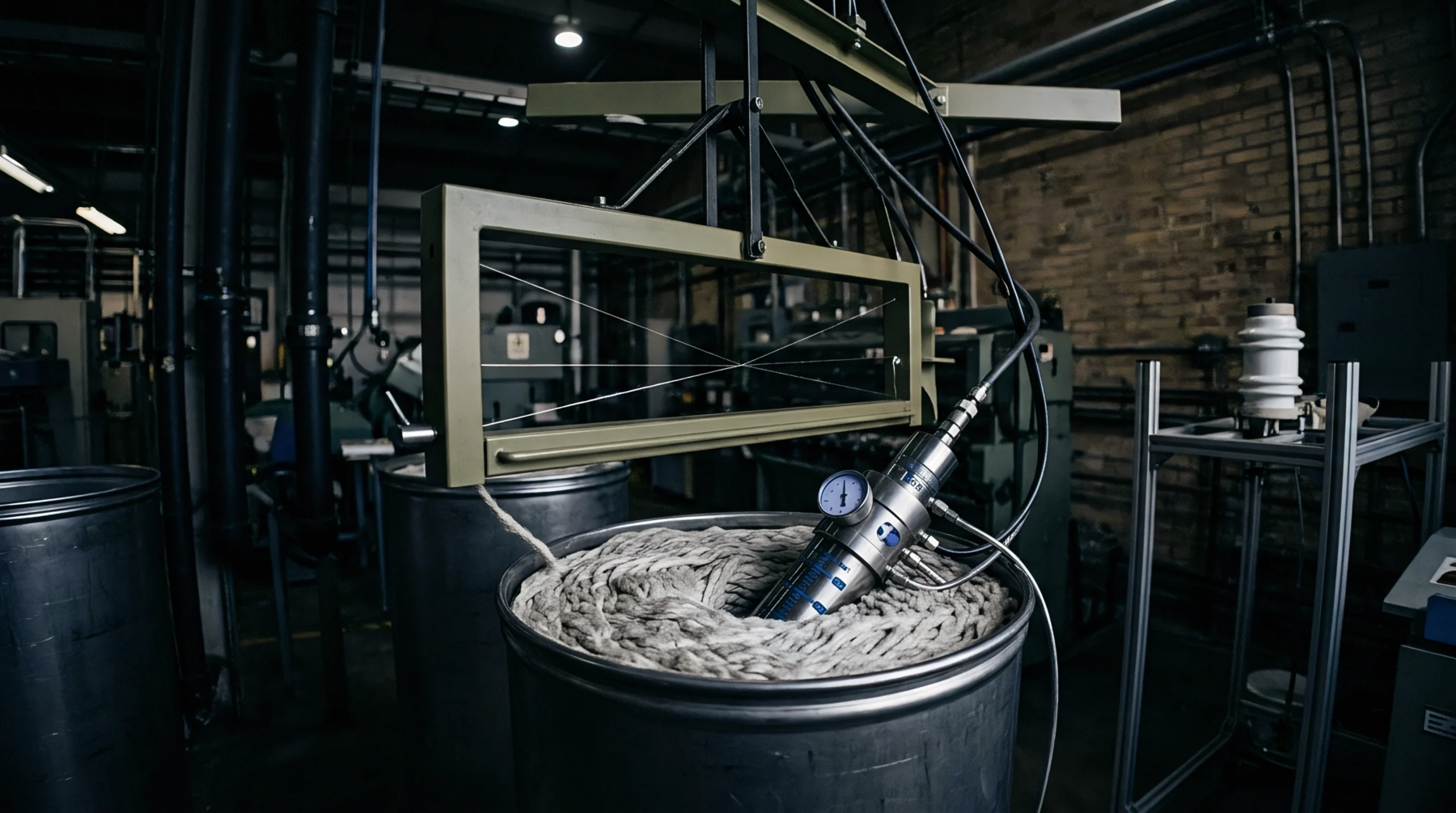
Roll Extraction
Residual moisture percentage retained by a wet fabric after passing through pressurized squeeze rollers dictates the drying energy required. Optimizing the nip expression reduces the thermal energy needed in the stenter frame because less water remains to be evaporated. This mechanical extraction is far more cost effective than heating the fabric to remove moisture.
It is an essential metric for wet finishing lines.
Pressure Dynamics
The physical force applied to the squeeze rollers determines the width of the contact zone and the pressure profile within the nip. Harder rubber rollers with a smaller contact area yield a higher peak pressure, which forces more water out of the textile structure. However, excessive pressure can crush delicate fibres or cause permanent creasing in structured fabrics.
Finding the correct balance is essential for fabric quality.
Process Monitoring
Regular gravimetric testing of fabric samples before and after the rollers confirms that the extraction remains uniform across the fabric width. Variation in the pressure across the roll length leads to uneven drying and shading defects in subsequent dyeing stages. This measurement is performed by taking swatches from the center and the edges of the running batch.
Adjustments to the roll crowning can correct these discrepancies.
Energy Impact
Inefficient liquid extraction increases the fuel consumption of the drying ovens, which raises the carbon footprint of the mill. This financial penalty makes regular maintenance of the extraction rolls a priority.