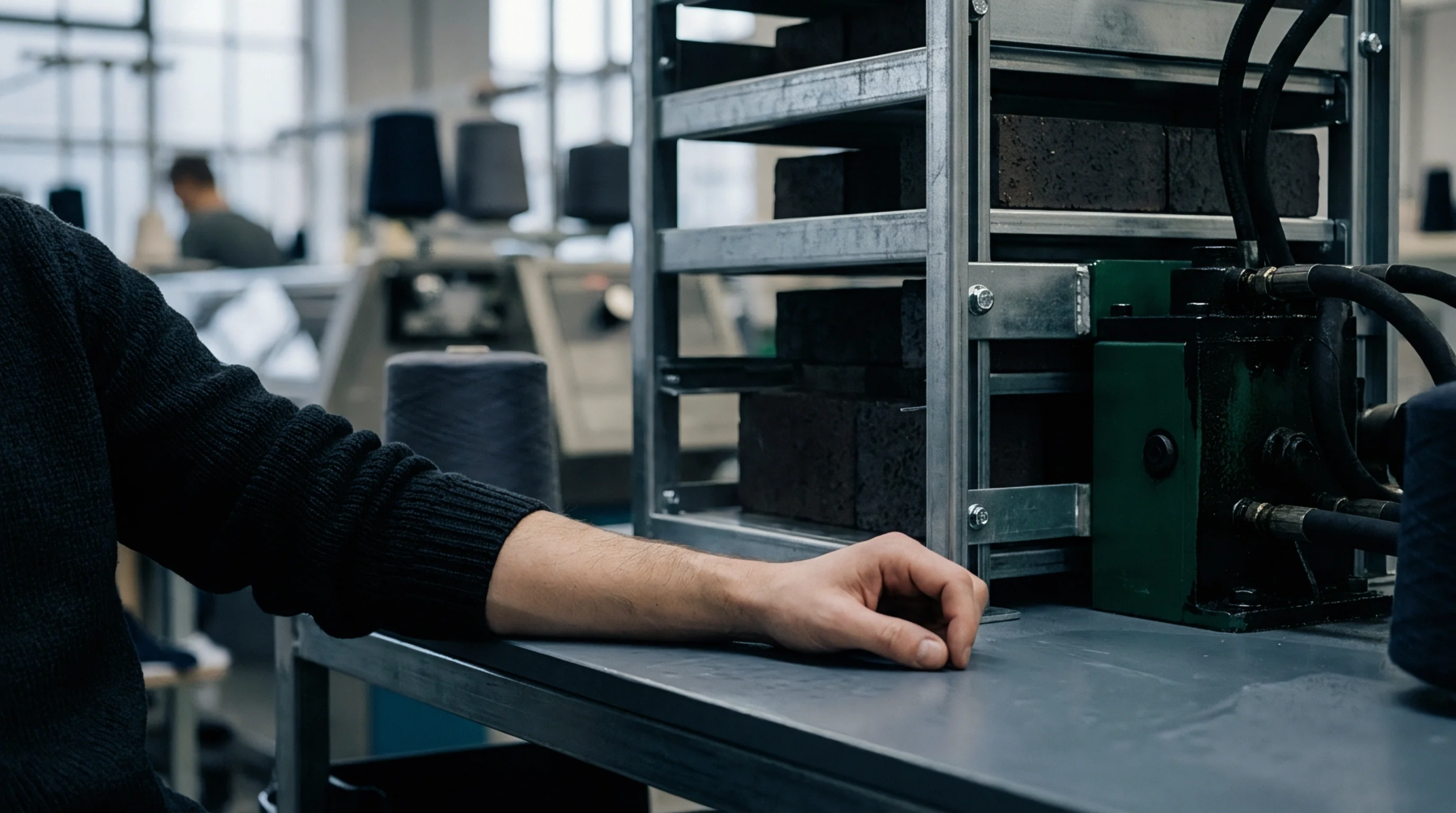
Cold Pad Batch Reactive Dyeing Control for Dense Woven Twills
Cold pad batch dyeing of dense twills requires low-volume trough turnover, dual-component alkali dosing, and precise rotation to eliminate tailing and core defects.
Textile structure characterized by a distinctive diagonal rib pattern result from shifting the interlacing point between warp and weft yarns by one thread in each subsequent row. When producing woven twill, the weaver creates floats where the yarn passes over two or more perpendicular threads before dipping under one. This geometric offset produces the recognizable wale that runs across the surface at a visible angle.
If the pattern shifts every two threads, the diagonal is subtle, but wider steps create heavy ribs suitable for workwear and denim. Twills typically have higher thread counts than plain weaves because the floated yarns can be packed closer together within the same millimetre of space. Designers select this construction for its inherent durability and its ability to resist stains through its dense and textured surface.
Physical properties of this weave provide higher flexibility and better drape compared to the rigid intersections found in plain woven fabrics. Creating a stable woven twill requires careful tension management on the loom to prevent the diagonal lines from bowing under mechanical stress. Because fewer intersections exist per square centimetre, the yarns have more freedom to shift slightly during wear, making the cloth more comfortable against the skin.
If the warp tension is too low, the diagonal pattern looks fuzzy and loses its sharp technical definition. Correct reed settings and high quality yarn prep ensure that the wales remain consistent from edge to edge on the roll. These mechanics allow for the construction of heavy items like breeches or jackets that do not feel overly stiff.
Production costs for these items reflect the slightly more complex setup required for the harness movements in a traditional or air jet loom. Market demand for woven twill remains high across the global fashion industry due to its versatility for trousers, skirts and durable outer layers. Mills that specialize in this weave maintain high inspection standards to check for missed floats or broken diagonals during the weaving phase.
If a thread breaks, the diagonal logic is interrupted, and the flaw is very obvious to the end buyer. Successful manufacturers offer variations like herringbone or gabardine that expand the aesthetic range of the basic twill structure. Reliable weaving of these fabrics provides a stable revenue source for factories targeting high volume apparel orders.
Thickness and weight of the final garment are directly controlled by the spacing of the diagonal ridges and the count of the yarn used in the draft. Measuringwoven twill quality involves assessing the angle and clarity of the wale after the fabric has undergone industrial washing or finishing. If the finish is too heavy, the diagonal texture disappears under the chemicals, defeating the structural purpose of the original design choice.
Standards dictate the minimum strength required for these ribs to withstand the abrasion encountered in daily use. Regular checks of roll weight confirm that the loom is packing the weft threads tightly enough to meet the density target. This boundary ensures that the product lives up to its reputation for toughness in demanding commercial environments.
Cold pad batch dyeing of dense twills requires low-volume trough turnover, dual-component alkali dosing, and precise rotation to eliminate tailing and core defects.
Expertise is a utility, not a secret. sentiention™ publishes its working knowledge as open reference: intelligence layer covering the materials it sources, the markets it enters, and the reference that serves both.