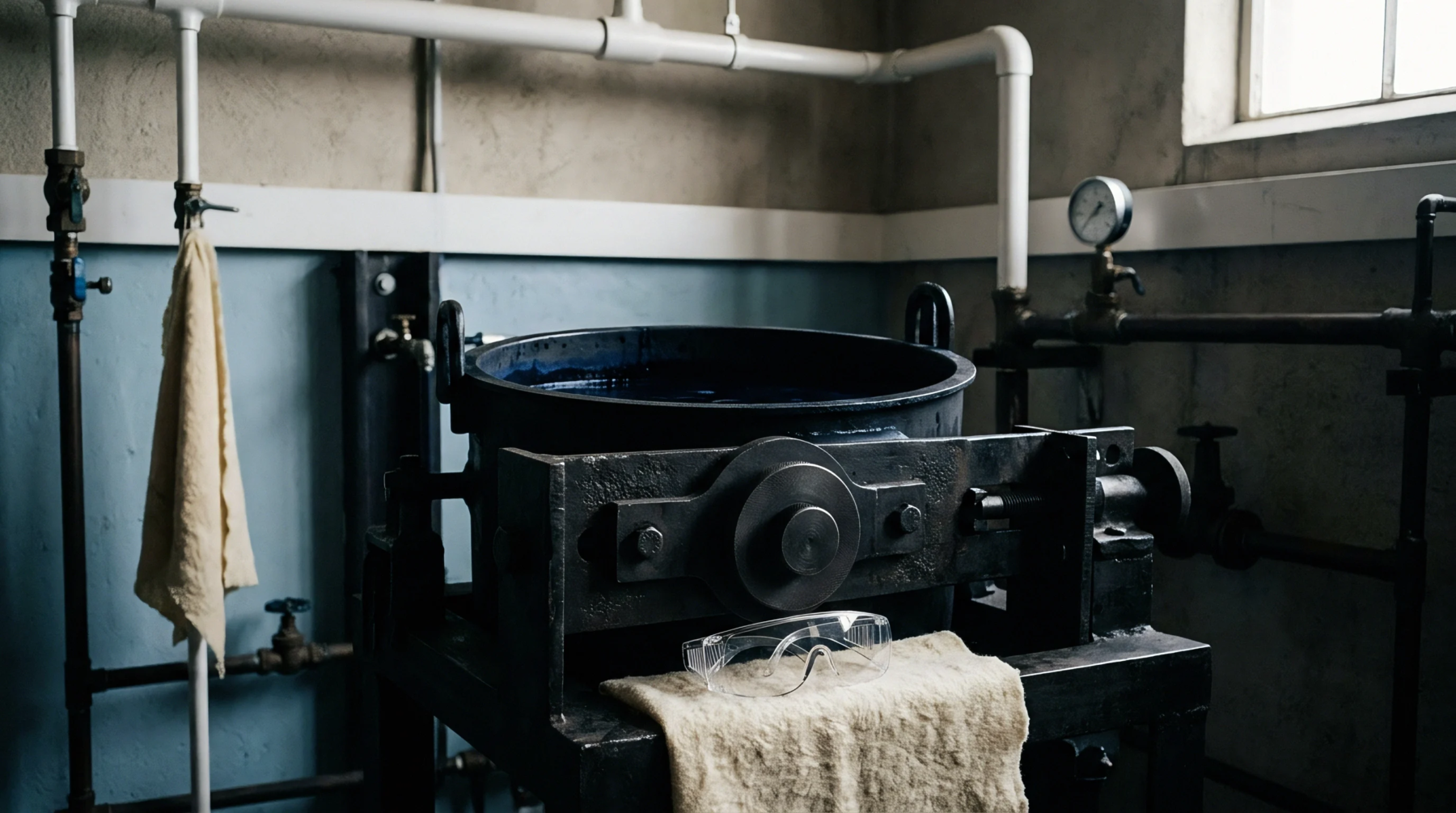
Standard Gas Chromatography Screening for Banned Synthetic Azo Dyes
Standard gas chromatography screens for banned azo dyes by quantifying cleaved aromatic amines against the 30 mg/kg limit via EN ISO 14362 methods.
Standard gas chromatography screens for banned azo dyes by quantifying cleaved aromatic amines against the 30 mg/kg limit via EN ISO 14362 methods.

Electrospray ionization disparities in restricted amine retests stem from uncorrected matrix suppression, requiring stable isotope dilution for defensible audits.
Enforce direct chemical compliance by binding Tier Two dyehouses through third-party beneficiary clauses, mandatory batch testing, and automated invoice offsets.

Verify restricted substances at the incoming dispensary and finished roll edges to prevent chemical migration and border detentions before container loading.

Analytical tolerances for banned arylamines in recycled polyester demand LC-MS verification to eliminate oligomer false positives above 20 mg/kg.

Fabric swatch dispute resolution requires unbroken physical custody logs, transaction certificates matched to roll tags, and ISO 17025 split-sample testing.

Matrix effects in pyrolysis gas chromatography elevate detection limits for restricted dye residues in recycled synthetic lots.
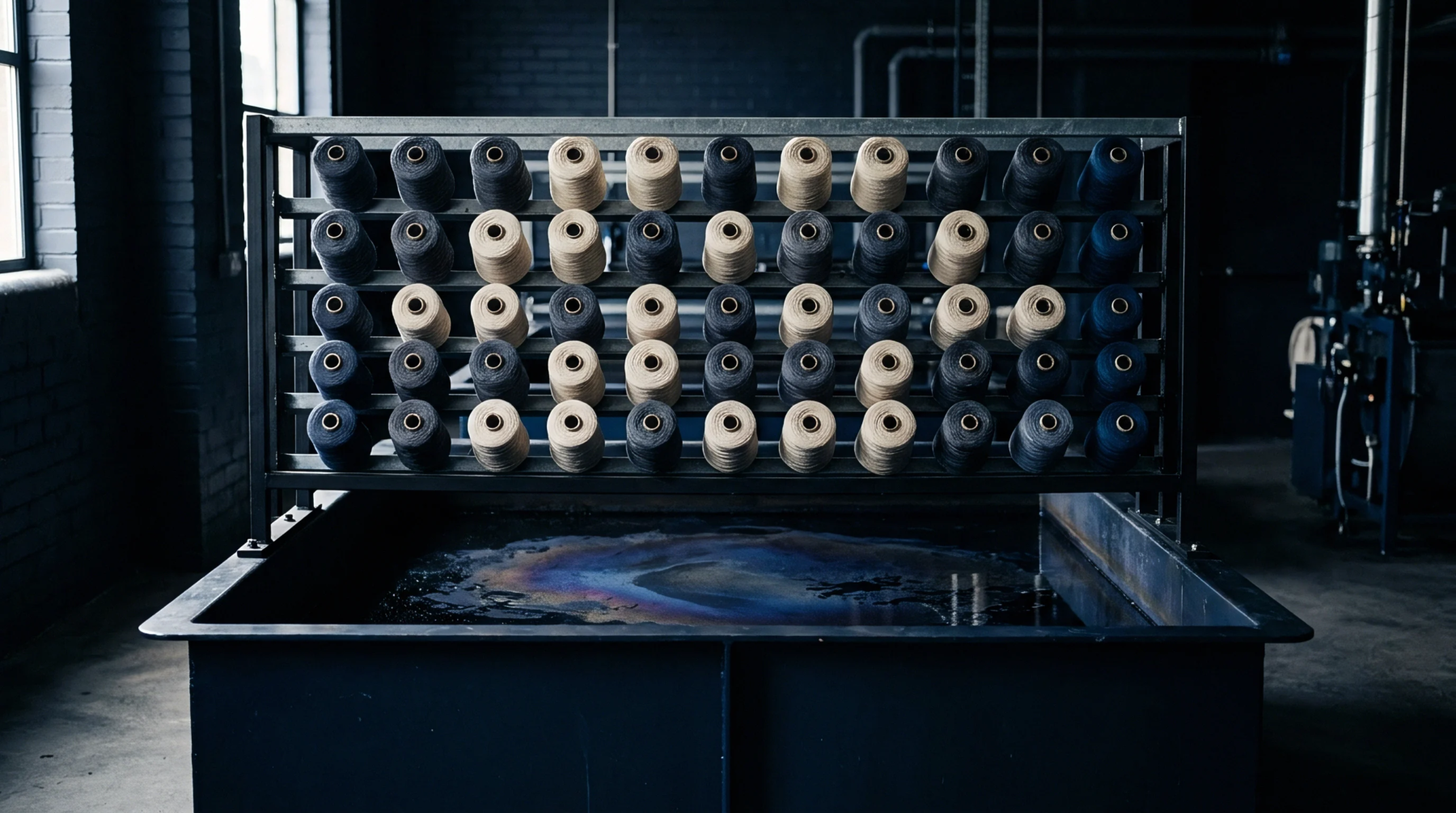
Stable isotope dilution mass spectrometry eliminates interlaboratory matrix suppression errors, preventing false positive batch rejections during audits.

Arbitral cost allocation in subcontracted dyeing requires roll-level chemical tracing, un-cleaved specimen preservation, and enforceable flow-down indemnities.
Expertise is a utility, not a secret. sentiention™ publishes its working knowledge as open reference: intelligence layer covering the materials it sources, the markets it enters, and the reference that serves both.