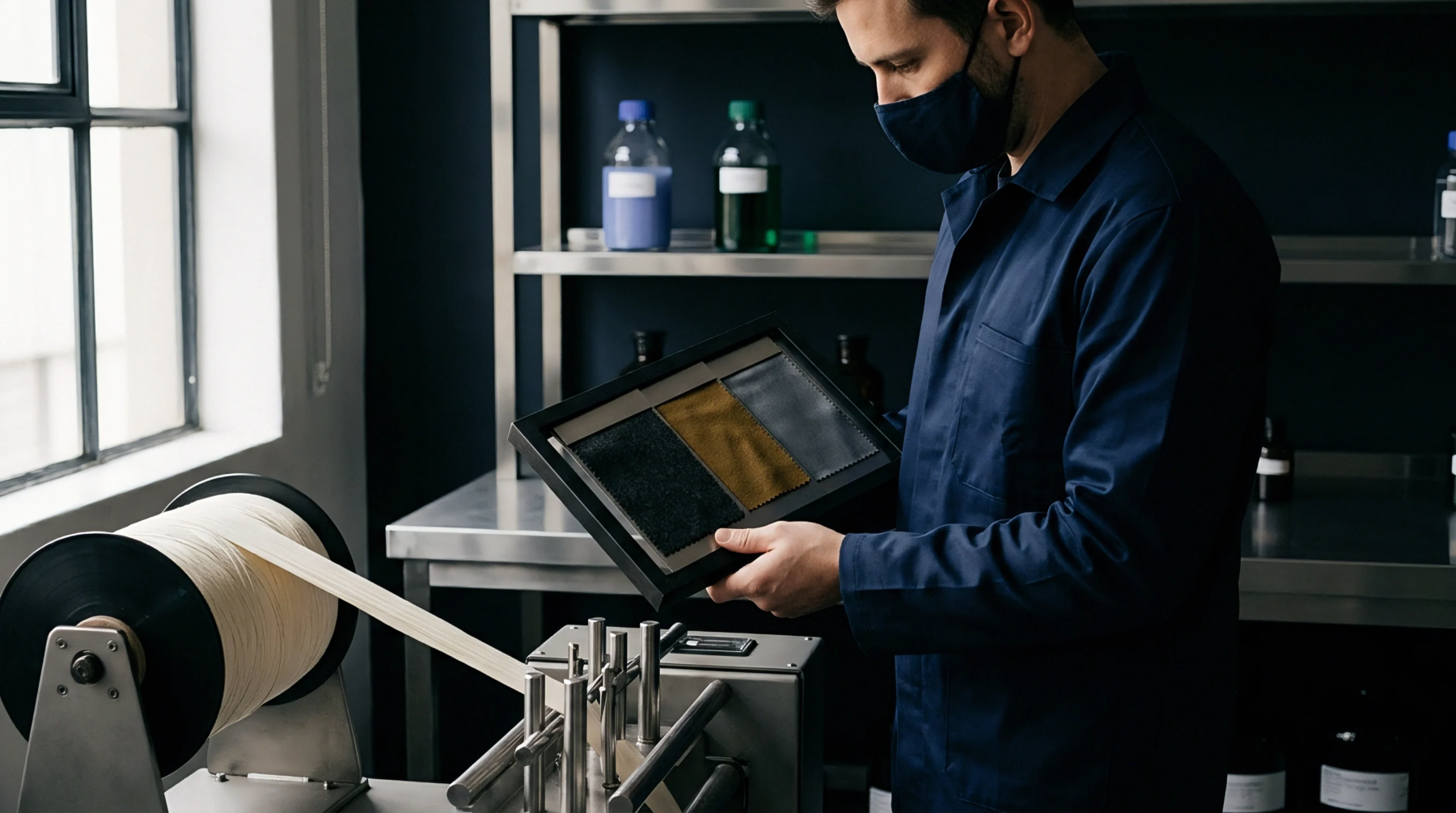
Chemical Decomposition
Chemical breakdown of azo dyes under reducing conditions constitutes a primary laboratory protocol for verifying textile safety. The process known as arylamine cleavage occurs when specific chemical agents reduce azo bonds, releasing regulated aromatic amines that are suspected carcinogens. Inspectors verify this chemical transformation during pre-shipment inspections of dyed fabrics to prevent the distribution of hazardous garments.
Reaction Mechanism
Reductive split of the nitrogen double bond in azo colorants represents the specific pathway of this reaction. Exposure to sodium dithionite in a buffered environment at elevated temperatures breaks the molecular structure apart. This step generates free amines that can be extracted with organic solvents for subsequent chromatographic analysis.
Laboratory verification relies on isolating these cleaved compounds to determine if they exceed the threshold of thirty milligrams per kilogram.
Testing Standard
Standardized protocols under the EN ISO 14362 series govern the extraction and detection methods for these chemical substances. Gas chromatography coupled with mass spectrometry identifies the individual amines produced by the reaction.
Compliance Consequence
Failure to meet safety thresholds during dye testing results in the immediate rejection of the affected fabric batch. Brands enforce these limits to avoid legal penalties and protect consumer health. Compliance documentation must accompany every bulk shipment of dyed textile goods.