Mechanochemical Cleavage Dynamics of Polycarboxylic Ester Crosslinks under Extreme Alkaline Finishing Liquors
Polycarboxylic ester crosslinks undergo accelerated cleavage in alkaline finishing liquors via mechanical tension that lowers ester carbonyl hydrolysis activation energy.
Hydroxide
Chemical crosslinking of cellulosic substrates with polycarboxylic acids creates ester bridges that establish wrinkle-resistant fiber networks. 1,2,3,4-butanetetracarboxylic acid and citric acid react with hydroxyl groups located on the C6 and C2/C3 positions of adjacent cellobiose units. Curing occurs in the presence of sodium hypophosphite catalysts at temperatures between 160 degrees Celsius and 180 degrees Celsius.
Ester linkages form via a cyclic anhydride intermediate. The resulting ester network stabilizes the amorphous region of cotton, restricting intermolecular chain slippage during laundering.
Nucleophilic Attack Kinetics in Esterified Cellulose Matrix
Base-catalyzed cleavage of ester bonds proceeds through addition of hydroxyl nucleophiles to the electron-deficient carbonyl carbon atom. The reaction mechanism follows a classic second-order nucleophilic acyl substitution path. Hydroxide ions present in extreme alkaline finishing liquors, where pH levels exceed 12.5, attack the ester carbonyl group to form a tetrahedral intermediate.
Hydroxide ions act as nucleophiles. Collapse of this intermediate breaks the acyl-oxygen bond, regenerating a cellulosic hydroxyl group while converting the crosslinker arm into a carboxylate sodium salt.
A three molar sodium hydroxide liquor bath at sixty degrees Celsius cleaves forty-two percent of ester crosslinks within ten minutes of continuous immersion.
Reversibility remains practically non-existent under alkaline conditions. The formation of resonance-stabilized carboxylate ions drives the equilibrium forward toward complete ester hydrolysis. Ester bonds break under load.
Polycarboxylic acids containing three or four carboxyl groups, such as butane-tetracarboxylic acid, form multiple ester linkages per molecule. Hydrolysis proceeds rapidly at high pH. Cleavage of a single ester bridge on a tri-functional crosslink converts a rigid structural knot into a dangling pendant chain.
This loss of network connectivity reduces dimensional stability and wrinkle recovery performance.
Ester Bond Geometry and Cleavage Energetics
The spatial orientation of ester linkages across cellulosic chains governs their chemical stability when exposed to aqueous base. Ester bridges formed by butane-tetracarboxylic acid possess localized flexibility due to the aliphatic carbon backbone. Citric acid crosslinks contain a central hydroxyl group that participates in intramolecular side reactions or hydrogen bonding, altering the local electronic density around the carbonyl carbons.
Chemical cleavage rate constants (kh) depend directly on hydroxide ion activity within the swollen cellulosic fiber interior.
Hydrolysis rates in pure chemical solutions without external force obey Arrhenius kinetics. The activation energy (Ea) for alkaline ester hydrolysis in un-strained butane-tetracarboxylic crosslinked cotton ranges between 62 and 68 kilojoules per mole. Increasing liquor temperature from 40 degrees Celsius to 80 degrees Celsius elevates reaction rates by a factor of eight.
Highly concentrated caustic liquors, such as mercerizing solutions operating at 200 to 300 grams per litre sodium hydroxide, accelerate hydrolysis by maximizing hydroxyl ion concentration inside the fiber pores.
Incomplete removal of unreacted carboxylic acid residues during final rinsing leaves pending acidic groups that autocatalyze further ester hydrolysis when the fabric encounters moisture during steam pressing.

Strain
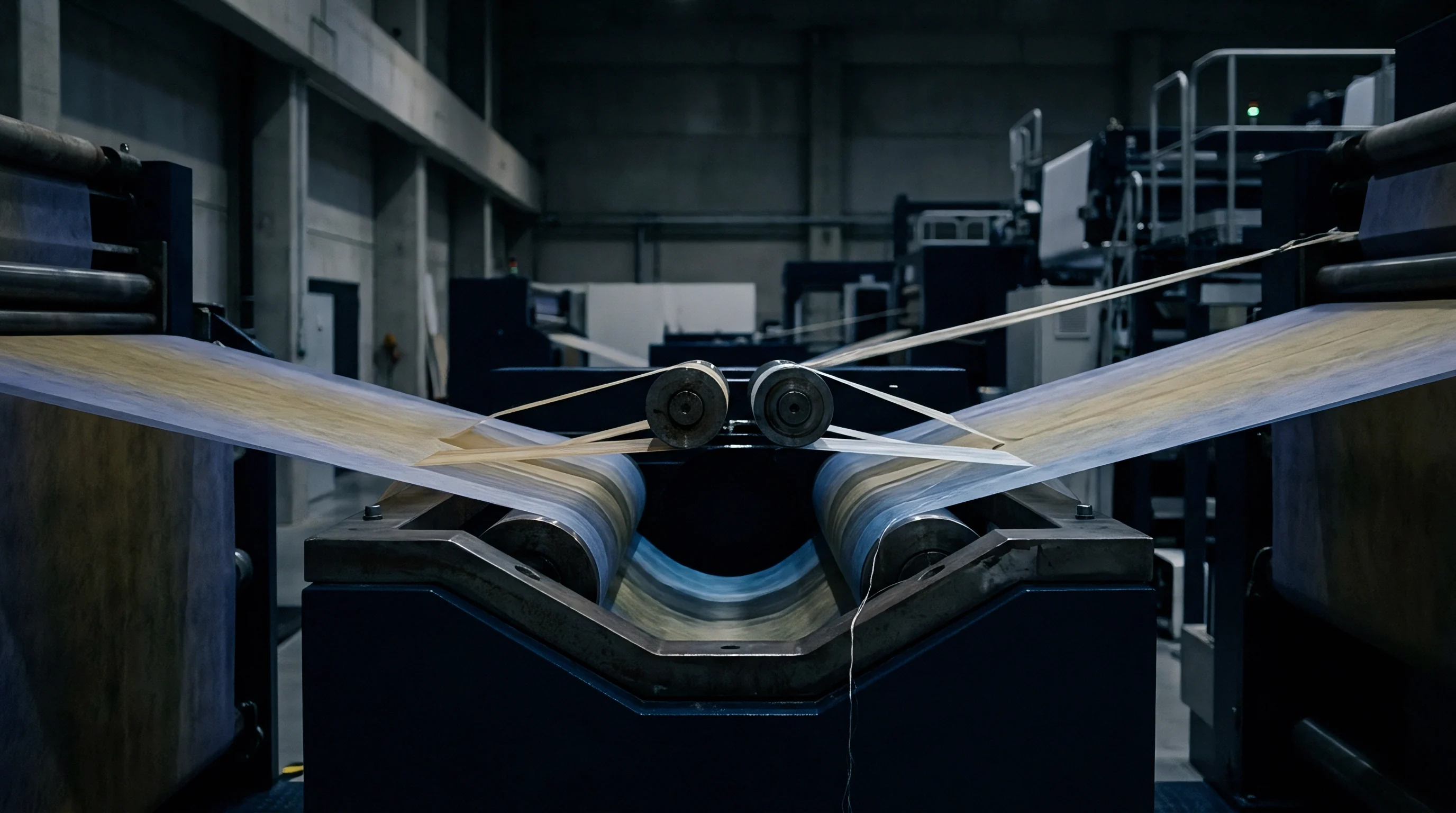
Mechanical tension applied to woven or knitted goods during wet finishing alters the structural geometry of the polymer network. Woven goods passing through continuous washing ranges encounter longitudinal tensions reaching 400 Newtons per metre. Knitted fabrics processed in high-speed jet dyeing vessels experience cyclical impact forces, hydrodynamic drag, and rapid acceleration through nozzle orifices.
These mechanical stresses distribute unevenly across the yarn structure, concentrating tensile forces onto individual cellulosic microfibrils and their bridging ester crosslinks.

Mechanochemical Activation Barrier Reduction under Tensile Forces
Applying mechanical loads along oriented cellulosic microfibrils lowers the activation energy required for chemical bond dissociation. Mechanochemistry couples mechanical mechanical stress with chemical reactivity. Under external tensile strain, the C-O-C bond angles of ester crosslinks distort away from their equilibrium positions.
Bond lengths elongate, shifting the potential energy surface of the chemical bond upward. Cellulose chains deform under mechanical tension. Activation energy drops under axial strain.
Compliance with ISO 13934-1 testing becomes mandatory when wet finishing tension exceeds three hundred Newtons per metre on treated cellulose.
Eyring transition state theory accounts for mechanical force intervention by modifying the activation energy term. The rate constant for mechanochemical ester cleavage (kmc) follows the relationship:
kmc = k0 expleft(fracEa – σ Δ VddaggerRTright)
Where σ represents the localized stress acting on the ester bond, Δ Vddagger is the activation volume of the transition state, R is the universal gas constant, T is absolute temperature, and k0 is the pre-exponential kinetic factor. A localized stress of 2.5 Gigapascals acting on a stretched ester bond lowers the effective activation energy barrier by 15 to 22 kilojoules per mole. Mechanochemical stress lowers activation energy.
Consequently, nucleophilic attack by hydroxide ions occurs at significantly higher velocity when fabric experiences simultaneous mechanical stretching and alkaline liquor exposure.
Equipment Induced Shearing Modes in High Alkali Washing
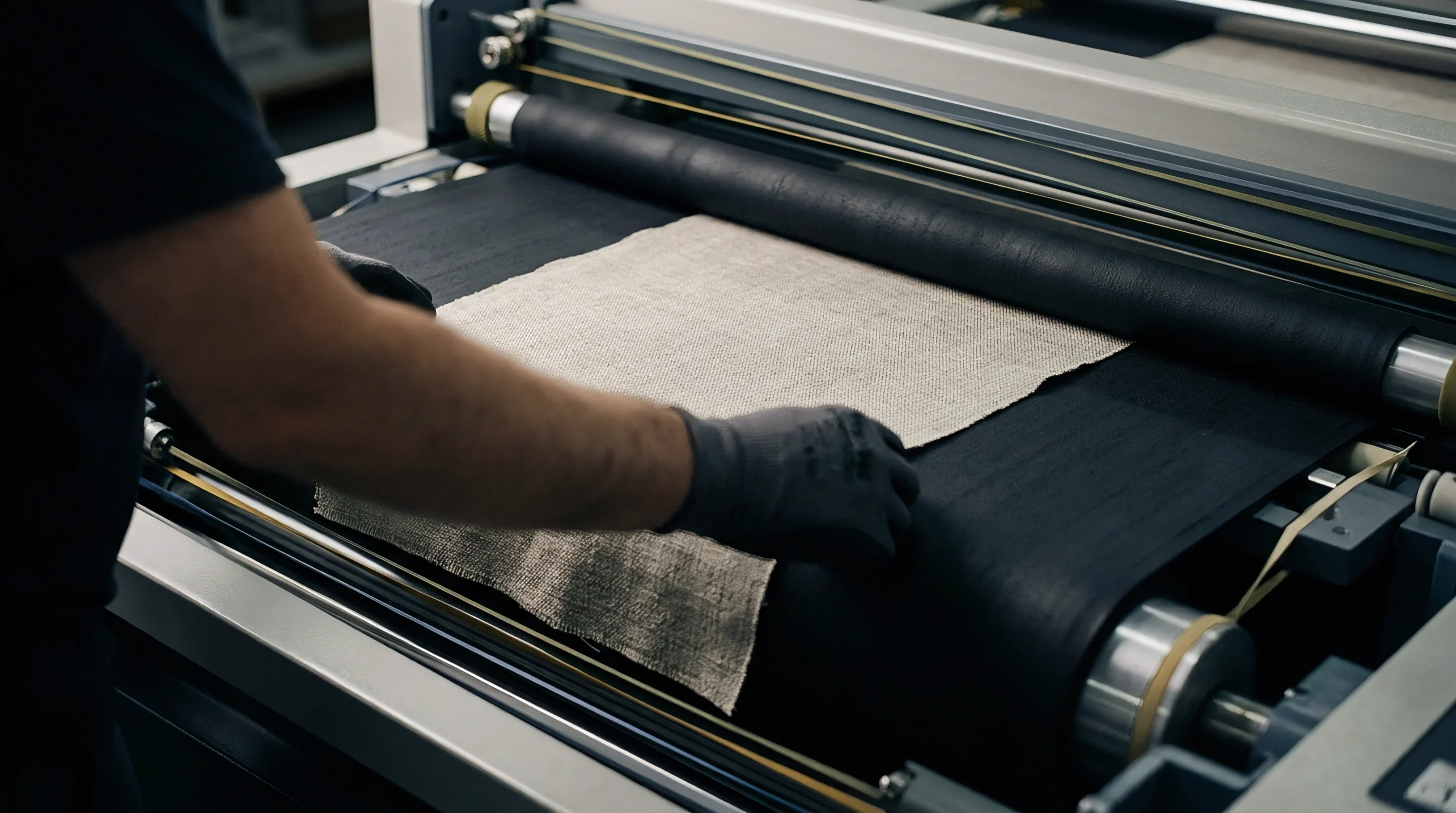
Industrial washing machines generate intense hydrodynamic forces that stretch fabric yarns while liquor recirculates. Jet machinery exerts intense hydrodynamic shear. Continuous rope washers, open-width washing towers, and mercerizing stenters apply distinct mechanical stress vectors onto the fabric matrix.
Physical failure mechanisms observed during combined mechanical and chemical processing include specific degradation patterns across the fabric structure.
- Microfibrillar Shearing occurs when transverse hydrodynamic impact forces in jet nozzles force adjacent cellulose chains to slide past one another, tearing extended ester bridges.
- Warp-Direction Stress Concentration arises from tension rollers in continuous washing ranges, concentrating tensile loads on longitudinal ester bonds while hydroxide ions penetrate the warp yarns.
- Flexural Fatigue Cleavage develops during repeated folding and bending through nip rollers under 0.4 Megapascals of pneumatic squeeze pressure, causing localized ester bond rupture at fold apexes.
- Asymmetric Swell Shearing happens when differential fiber swelling across core and sheath zones creates severe internal shear stresses, tearing crosslinks along the fiber radius.
Determining whether localized microfibrillar slip under continuous 400 Newton tension causes permanent ester bond dislocation before OH ion diffusion occurs remains an open empirical debate across finishing laboratories.

Bath
Chemical processing aqueous media carrying high sodium hydroxide concentrations destabilize non-formaldehyde durable press finishes. The operational bath matrix defined by alkali concentration, temperature, liquor ratio, processing duration, and surfactant formulation sets the rate of chemical ester breakdown. Alkaline liquors swell the amorphous zones.
Mercerization opens the internal crystal structure.

Process Parameter Matrix in Alkaline Mercerex Operations
Concentration ranges of alkali between fifty and three hundred grams per litre drive rapid cellulose swelling. Sodium hydroxide solutions above 12 percent concentration convert crystalline Cellulose I into alkali-cellulose structures. This transformation breaks intermolecular hydrogen bonds within crystalline regions, expanding the accessible internal volume for liquor penetration.
Hydroxide ions access previously shielded ester crosslinks buried inside tight microfibrillar bundles.
Elevated bath temperatures compound swelling effects by increasing ionic mobility. Processing times exceeding two minutes at 60 degrees Celsius in a 180 gram per litre sodium hydroxide bath initiate severe crosslink degradation. High liquor ratios increase total available hydroxyl ions per gram of treated cotton, accelerating cleavage kinetics even when concentration remains constant.
Higher liquor ratios cushion mechanical fiber shear while diluting local hydroxyl ion accumulation within the fabric core.
Kinetic rate constants for ester crosslink cleavage under varying bath conditions reflect the compounding effect of concentration, temperature, and mechanical agitation.
| NaOH Concentration (g/L) | Bath Temp (°C) | Applied Tension (N/m) | Rate Constant kh (10-3 min-1) | Crosslink Half-Life t1/2 (min) |
|---|---|---|---|---|
| 50 | 40 | 0 | 1.2 | 577.6 |
| 50 | 80 | 0 | 9.8 | 70.7 |
| 180 | 40 | 0 | 8.4 | 82.5 |
| 180 | 80 | 0 | 67.1 | 10.3 |
| 180 | 80 | 350 | 214.5 | 3.2 |
| 300 | 90 | 450 | 582.0 | 1.2 |
Can Mechanical Tension Accelerate Ester Cleavage in Mercerizing Baths?
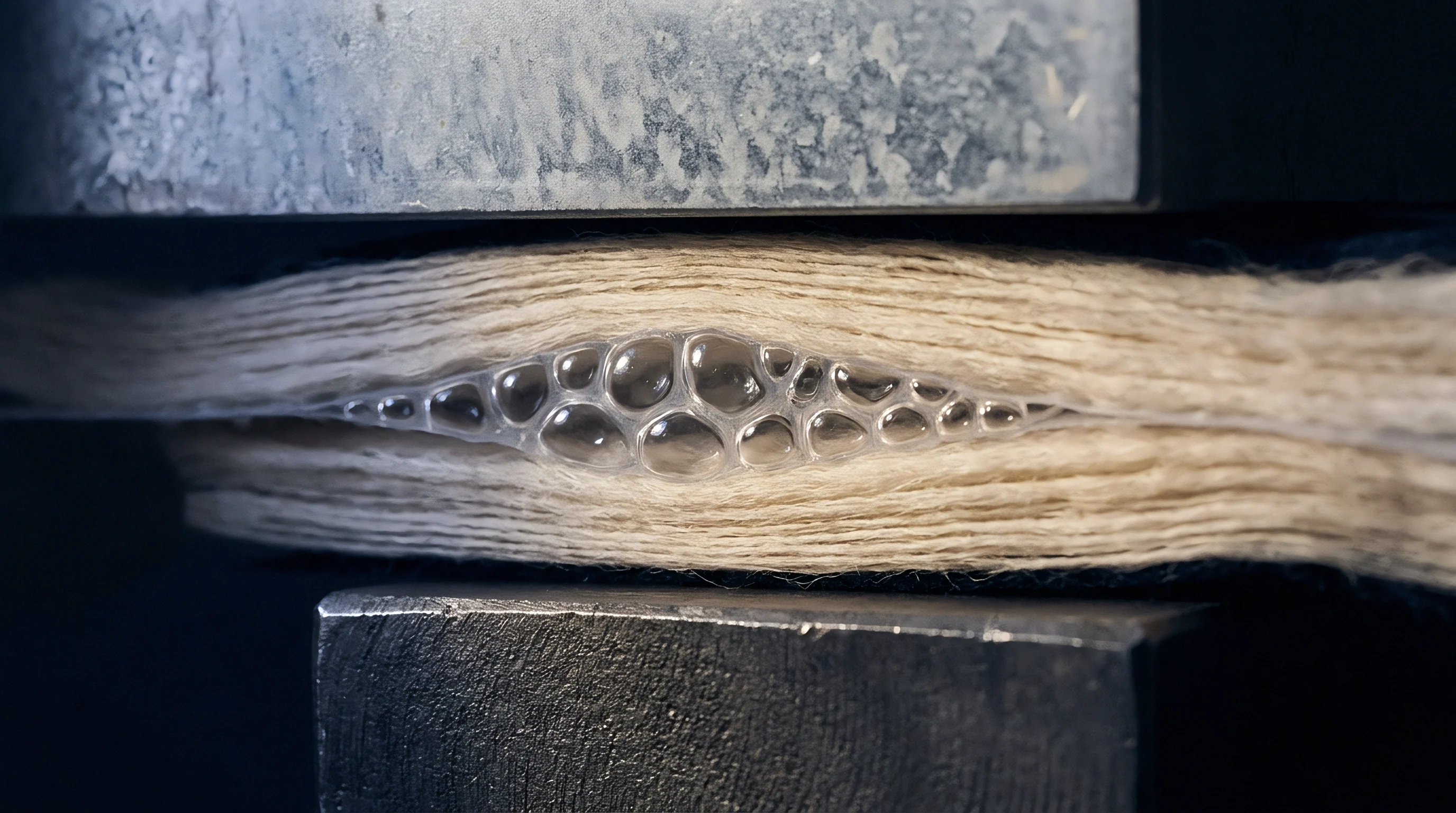
Applying tensile force directly onto cotton fibers during immersion in strong caustic solutions dramatically increases reaction rates. Mercerizing ranges require fabric tensioning to prevent longitudinal shrinkage and optimize gloss. Warp tensioning up to 500 Newtons per metre aligns cellulose chains while sodium hydroxide swells the fiber interior.
Tensile stress stretches ester crosslinks, lowering the reaction activation barrier while caustic opens the fiber structure to hydroxide diffusion. This dual action cuts crosslink half-life from 10.3 minutes under static conditions down to 3.2 minutes under dynamic tension.
Engineers managing high-pH processing of durable press finished fabrics evaluate operational parameters before committing bulk lots to caustic ranges.
- Alkali Concentration Cap setting maximum sodium hydroxide concentration below 20 grams per litre when post-wash treatment of crosslinked fabric is mandatory.
- Liquor Temperature Threshold enforcing bath temperatures under 40 degrees Celsius during any unavoidable alkaline rinsing step.
- Tension Control Limits adjusting stenter and washer drive motors to maintain line tension under 150 Newtons per metre.
- Neutralization Timing injecting acetic acid directly into the immediate wash box following alkali exposure to halt nucleophilic cleavage.
Equipment fabricators frequently contend that crosslink loss during continuous washing originates from substandard curing stoichiometry rather than aggressive liquor chemistry in the wash boxes.


Specimen
Quantitative assessment of crosslink density requires spectroscopic and physical testing on conditioned fabric samples. Fourier Transform Infrared Spectroscopy provides direct chemical measurement of ester linkages. The infrared spectrum of polycarboxylic acid treated cellulose displays a distinct ester carbonyl absorption peak at approximately 1720 reciprocal centimeters.
As ester hydrolysis proceeds, this peak intensity diminishes while the carboxylate anion peak at 1580 reciprocal centimeters grows proportionally.
Quantitative FTIR and Wrinkle Recovery Angle Degradation Metrics
Infrared absorption spectroscopy tracks the disappearance of ester carbonyl functional groups at seventeen hundred twenty reciprocal centimeters. The absorbance ratio between the ester carbonyl peak (A1720) and an invariant cellulosic reference peak, such as the C-O stretching vibration at 1030 reciprocal centimeters (A1030), defines the relative crosslink density index (Icr):
Icr = fracA1720A1030
Wrinkle Recovery Angle testing performed per ISO 2313 measures physical performance changes resulting from ester cleavage. Wrinkle recovery ratings decline immediately. Carbonyl absorption peaks show clear decay.
Tensile recovery follows ester bond loss. A fully crosslinked 100 percent combed cotton poplin achieves initial WRA values between 270 degrees and 290 degrees (warp plus weft). As mechanochemical cleavage destroys crosslinks, WRA values decline toward the un-finished greige baseline of 160 degrees to 180 degrees.
A worked laboratory evaluation illustrates performance degradation. Take a 150 gram per square metre combed cotton plain weave treated with 60 grams per litre butane-tetracarboxylic acid and 30 grams per litre sodium hypophosphite, cured at 170 degrees Celsius for 3 minutes. Initial test values register an Icr of 0.85, a WRA of 280 degrees, and a strip tensile strength of 420 Newtons per 50 millimetres width (ISO 13934-1).
Exposing this fabric to a static 100 gram per litre sodium hydroxide bath at 60 degrees Celsius for 10 minutes drops Icr to 0.62 and WRA to 235 degrees. Processing the identical fabric through the same liquor while applying 350 Newtons per metre warp tension reduces Icr to 0.38 and WRA to 185 degrees.
| Exposure Scenario | Carbonyl Ratio Icr | WRA (Warp+Weft) | Tensile Strength (N) | DP Rating (AATCC 124) |
|---|---|---|---|---|
| Unfinished Greige Control | 0.05 | 165° | 580 | 1.5 |
| As-Cured Crosslinked Goods | 0.85 | 280° | 420 | 3.8 |
| Static Alkali (100g/L, 60°C, 10 min) | 0.62 | 235° | 460 | 2.8 |
| Tensioned Alkali (100g/L, 60°C, 350 N/m) | 0.38 | 185° | 520 | 1.8 |
| Extreme Shearing (300g/L, 90°C, 450 N/m) | 0.12 | 170° | 565 | 1.2 |
Laboratory Protocol for Estimating Ester Crosslink Cleavage
Evaluating the extent of bond rupture following alkaline liquor treatment involves precise analytical measurements.
- Condition fabric specimens at 20 degrees Celsius and 65 percent relative humidity for 24 hours per ISO 139.
- Extract unfixed chemical residues using boiling distilled water for 30 minutes in a Soxhlet apparatus.
- Record ATR-FTIR spectra from ten randomly selected surface positions across the specimen length.
- Calculate baseline-corrected absorbance values at 1720, 1580, and 1030 reciprocal centimeters.
- Determine Wrinkle Recovery Angles in warp and weft directions using standard specimen loading devices.
- Perform strip tensile testing per ISO 13934-1 to quantify strength changes associated with crosslink loss.
A fabric showing visible surface whitening and a noticeable drop in wrinkle recovery after alkaline washing has suffered extensive ester hydrolysis across its amorphous region crosslinks.
Route
Commercial manufacturing sequences require careful positioning of crosslinking operations relative to aggressive wet processing steps. Subjecting crosslinked cellulosic goods to downstream mercerizing, heavy scouring, or alkaline shade stripping destroys the functional value added by non-formaldehyde resin finishing. Processing costs rise per finished metre.
Converters guarantee specific technical performance thresholds. Lab dips fail in bulk runs.

Finishing Sequence Restructuring and Converter Risk Allocation
Placing polycarboxylic acid application at the final stage of wet finishing prevents exposure to high pH processing baths. Mercerization, scouring, bleaching, and dyeing must complete prior to resin padding and curing. If shade re-leveling or garment stripping becomes necessary on off-shade crosslinked inventory, non-alkaline stripping agents, such as reductive sodium hydrosulfite in buffered neutral systems, prevent catastrophic ester cleavage.
Directing crosslinked cotton through high-pH stripping baths destroys easy-care properties faster than five hundred commercial laundering cycles.
Contractual agreements between fabric buyers and finishing mills define technical guarantees for durable press performance. Specifying post-treatment washing conditions prevents accidental destruction of ester networks during mill finishing.
| Production Sequence Route | Landed Cost (€/m) | Lead Time (Weeks) | WRA Retention (%) | Bulk Reject Rate (%) |
|---|---|---|---|---|
| Route A: Post-Cure Alkaline Scour (High Shear) | 3.45 | 6 | 42% | 18.5% |
| Route B: Pre-Mercerized, Post-Resin Neutral Wash | 3.10 | 5 | 94% | 1.2% |
| Route C: Sterically Hindered PCA Finish (Low Alkali Sensitivity) | 3.85 | 7 | 88% | 2.8% |
Cost per Metre Tradeoffs in Non-Formaldehyde Durable Press Processing
Financial calculations for easy-care cotton production balance chemical additive expenses against yield losses and rework costs. Route A incurs heavy financial losses due to an 18.5 percent bulk rejection rate caused by WRA failure following post-cure alkaline washing. Route B minimizes manufacturing cost and lead time by placing all alkaline processing ahead of crosslink application, eliminating mechanochemical cleavage risk entirely.
Route C utilizes specialized sterically hindered polycarboxylic acids that resist alkaline attack, but increases chemical chemical input costs by 0.75 Euros per metre.
Inserting an explicit maximum liquor pH limit of 8.5 in the master purchase specification shifts financial liability for lost wrinkle recovery performance directly onto the wet processing converter.