Testing Requirements for Regulated Azo Dyes in Import Textiles
Textile import compliance requires batch-specific EN ISO 14362 testing confirming regulated aromatic amines remain below 30 mg/kg before port departure.
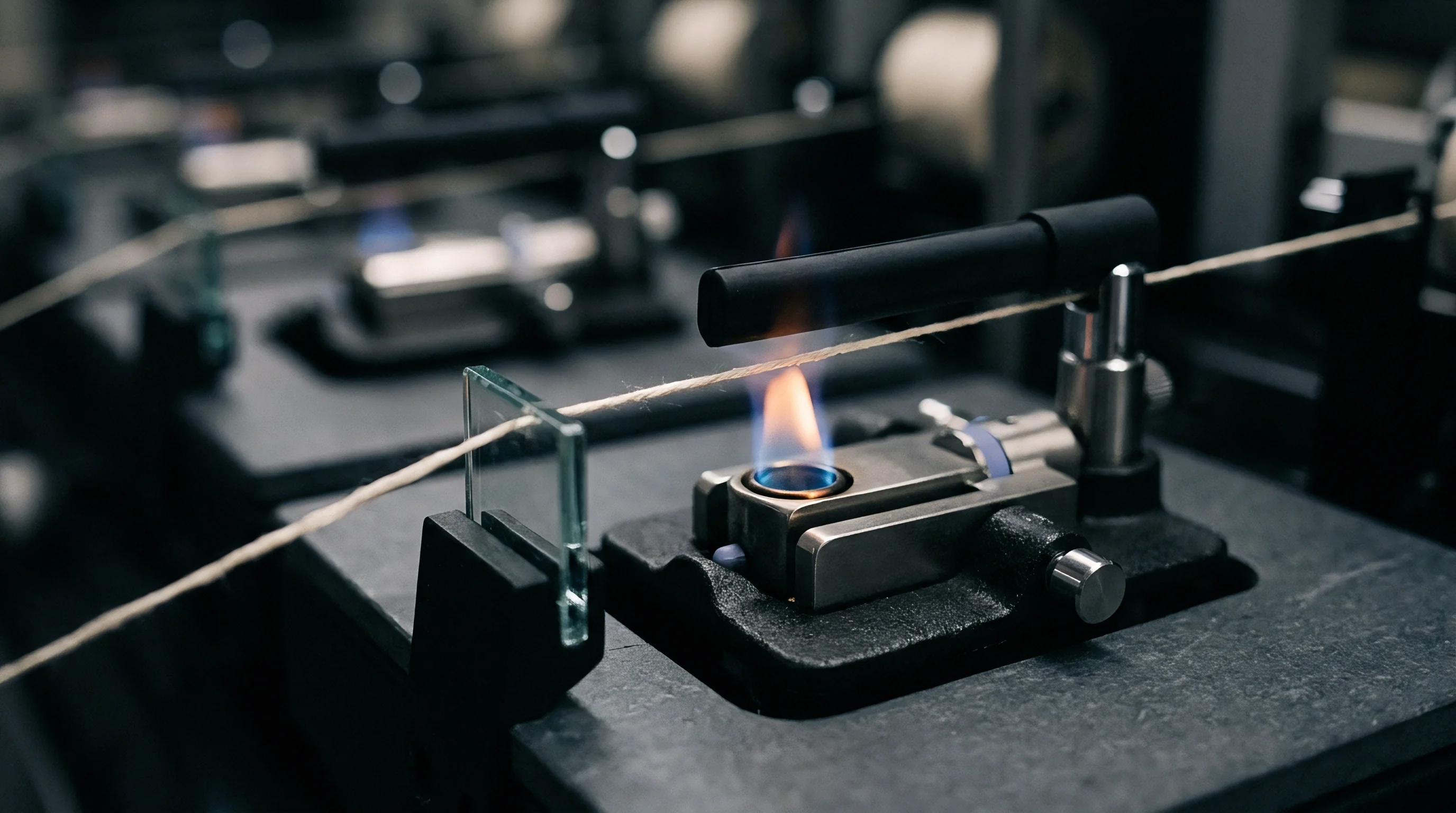

Cleavage
Synthetic azo colorants account for over sixty percent of commercial fabric dye applications. Their defining structural feature is the azo linkage ~ a nitrogen-to-nitrogen double bond joining aromatic ring systems. Under reductive conditions, whether from chemical reducing agents or biological enzymatic action, this double bond breaks.
The reaction cleaves the parent dye molecule into free aromatic amines, several of which are known human carcinogens.
International regulations target azo dyes based on the specific aromatic amines produced upon reduction. Annex XVII Entry 43 of the European Union REACH Regulation bans azo colorants that release any of twenty-two restricted aromatic amines above thirty milligrams per kilogram of finished textile substrate. This thirty milligram per kilogram limit acts as an analytical threshold to account for trace background noise rather than a safety allowance, effectively prohibiting intentional dye formulation with banned precursors.
China enforces a similar framework under GB 18401 covering twenty-four prohibited amines, with a tighter twenty milligram per kilogram threshold for infant items. Vietnam and South Korea maintain regional standards with comparable limits.
Cleavage of these bond structures liberates the restricted aromatic amines into the substrate.
Regulations focus on apparel and home textiles intended for direct, prolonged skin contact. Perspiration creates an acidic, saline microenvironment that can extract uncomplexed dye molecules from fabric. Once absorbed through the skin, these liberated amine compounds can undergo metabolic activation and cause oxidative DNA damage.
Because of this risk, border control authorities focus enforcement on high-contact items like underwear, bedding, hosiery, sleepwear, and fitted outerwear.
| Jurisdiction | Regulatory Instrument | Restricted Amines Count | Maximum Limit | Target Substrates |
|---|---|---|---|---|
| European Union | REACH Annex XVII Entry 43 | 22 compounds | 30 mg/kg | Direct skin contact textiles and leather |
| China | GB 18401 / GB 31701 | 24 compounds | 20 mg/kg (Class A) | Infant, child, and adult garments |
| United States | State Regulations (CA Prop 65 / CPSC) | Varies by state list | 10 to 30 mg/kg | Imported apparel and child products |
| South Korea | KC Mark Textile Standard | 24 compounds | 30 mg/kg | Wearing apparel and soft home goods |
In the laboratory, analytical verification centers on chemical reduction. Technicians heat the sample to seventy degrees Celsius in a buffered acidic medium containing sodium dithionite, simulating severe degradation inside the reaction flask. Dyes synthesized from restricted precursors cleave under these conditions, releasing target amines into the solvent for subsequent separation and identification.
A test result showing thirty-one milligrams per kilogram of 4-aminobiphenyl renders an entire shipment non-compliant under REACH Annex XVII regardless of the garment total weight.
Subcontracted dyehouses that lack strict chemical controls often introduce restricted colorants by using cheap commercial dye lots. Because chemical risk concentrates heavily in certain shade groups, mill inspections must target specific dye families:
- Azo Direct Black 38 breaks down into free benzidine under physiological reduction, posing severe toxicological risks.
- Azo Disperse Red 1 liberates 4-nitroaniline, which can trigger skin sensitization failures during wearer trials.
- Azo Acid Red 85 generates o-toluidine upon reductive cleavage, prompting immediate customs rejections at European entry ports.
- Azo Solvent Yellow 3 cleaves into o-aminoazotoluene, releasing lipophilic carcinogenic metabolites.
Most regional thresholds remain fixed at thirty milligrams per kilogram.
Importing textiles finished with non-compliant azo dyes leads to container seizures at destination ports, mandatory destruction at the importer’s expense, and public product recalls that permanently damage brand reputation.

Chromatography
Instrumental analysis of liberated amines relies on gas chromatography ~ mass spectrometry alongside high-performance liquid chromatography. Standard test method EN ISO 14362-1 lays out the extraction and reduction protocol for general textile fibers, whereas EN ISO 14362-3 covers the specific case of 4-aminoazobenzene. Standard reductive cleavage degrades 4-aminoazobenzene into aniline and 1,4-phenylenediamine rather than leaving the parent amine intact.
ISO 14362-3 avoids this decomposition by extracting the compound with solvent under mild conditions before chemical reduction.
Direct solvent extraction isolates the compound before reduction takes place.
Chemical derivatization stabilizes the analyte prior to chromatographic analysis.
False positives remain a constant complication in lab testing. Synthetic fabrics containing polyurethane elastomeric yarns, such as elastane or spandex, often release 4,4-diaminodiphenylmethane during high-temperature solvent extraction. Heat degrades the polyether-polyurea segments in the polymer matrix, producing amine signals identical to those from dye reduction.
Testing labs avoid misinterpretation by running parallel blank extractions without reducing agents, separating thermal breakdown of the polymer from actual dye cleavage.
| Standard Code | Substrate Scope | Target Analytes | Primary Instrument | Quantitation Limit |
|---|---|---|---|---|
| EN ISO 14362-1 | Natural and synthetic textiles | 21 Banned Amines | GC-MS / LC-DAD | 5.0 mg/kg |
| EN ISO 14362-3 | Dyed cellulose and synthetics | 4-Aminoazobenzene | GC-MS / HPLC-DAD | 5.0 mg/kg |
| EN ISO 17234-1 | Finished leather trims and panels | 21 Banned Amines | GC-MS / LC-MS | 10.0 mg/kg |
| EN ISO 17234-2 | Leather components with colorants | 4-Aminoazobenzene | GC-MS / HPLC-MS | 10.0 mg/kg |
Natural fibers present their own analytical challenges. Lignin residues in unbleached linen or raw hemp contain phenolic and aromatic structures that can mimic target compounds on mass spectrometry detectors. Achieving clean column separation prevents spectral overlap between natural fiber extractives and restricted amines like 2-naphthylamine or 4-chloro-o-toluidine.
Purchase orders incorporating standard chemical compliance clauses compel dyehouses to absorb all retesting and freight detention charges resulting from confirmed laboratory failures.
Unverified false positives frequently delay shipment clearances.
Yarn-level compliance certificates do not guarantee final fabric compliance, as downstream piece dyeing, printing, and finishing operations introduce additional contamination risks.

Roll
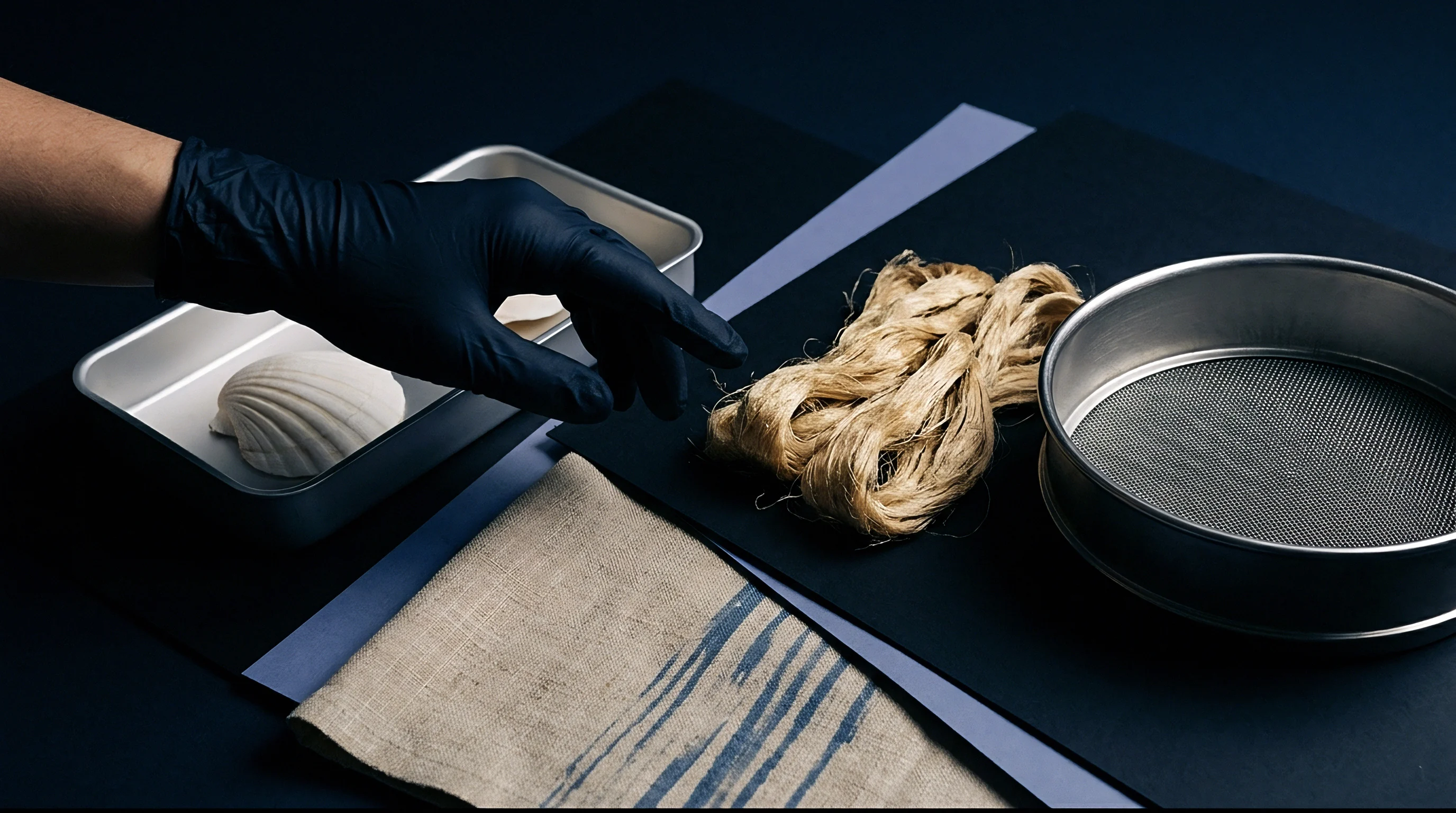
Test reliability depends heavily on how physical samples are taken at the dyehouse or warehouse. Cutting swatches solely from the outer layer or head end of a fabric bolt yields misleading data. Dye liquor circulation in industrial jet dyeing machines creates concentration gradients along the length and across the width of a batch.
Temperature variations, leveling agents, and localized dye exhaustion all cause uneven distribution of trace contaminants.
Retaining a sealed split sample preserves legal recourse if test results are disputed.
Sampling exclusively from roll ends produces unrepresentative analytical figures.
Field inspectors follow detailed sampling protocols to collect defensible test data across large textile shipments. Testing laboratories accredited to ISO/IEC 17025 reject samples submitted without complete chain-of-custody documentation showing batch IDs, roll selection numbers, and mill lot tracking.
- Select ten percent of the total rolls in the production lot, inspecting at least three rolls and no more than fifteen.
- Unwind selected bolts past the outer three meters to bypass surface contamination, absorbed moisture, and transit abrasion.
- Cut full-width fabric strips thirty centimeters long across the usable width of the fabric, excluding selvedge edges.
- Cut three square specimens from the left, center, and right sections of each strip to assemble a representative composite swatch.
- Seal each composite sample in an airtight polyethylene bag, labeling it with the batch lot number, colorway code, and collection date.
- Divide the composite sample into two identical sealed portions, sending one to the accredited laboratory and holding the second in reserve for legal retesting.
Validating laboratory scope requires confirming that the facility holds active ISO/IEC 17025 accreditation specifically for EN ISO 14362 test methods. Broad chemical testing credentials do not ensure competence with complex dye extractions, matrix interferences, or derivatization steps.
Sampling three distinct width positions across mid-roll sections prevents local dye liquor concentration variances from skewing batch verification data.
Proper physical sampling requires unwinding past outer wrap layers before cutting specimens.
Screening
Rapid screening methods allow high-volume batch risk assessment before sending samples for full chromatographic quantitation. High-performance thin-layer chromatography provides quick qualitative detection of aromatic amines with lower solvent use. Though it lacks the quantitative precision of GC-MS, HPTLC spots non-compliant dye lots within hours, letting converters halt production before fabrics are cut and sewn.
Conclusive retesting depends on using clean, unadulterated specimen cuts.
Customs authorities routinely detain shipments that lack verified test documentation.

Which Dyes Signal High Azobenzene Contamination Risk?
Disperse dyes on polyester and acetate blends carry elevated risk because of high processing temperatures and complex chemical carriers. Deep shades ~ such as navy, intense black, forest green, and burgundy ~ rely on heavy loadings of azo colorants for color depth. Multi-component dye recipes compound this risk, since a single contaminated dye in a four-part mix causes the whole fabric lot to exceed legal limits.
Structuring risk matrices helps optimize testing budgets while maintaining compliance across complex supply chains:
- Fiber Matrix Vulnerability rates inherent risk by fiber type, assigning recycled synthetics and unrefined cellulosics to high-frequency testing tiers.
- Colorway Concentration Index flags dark and saturated shades for mandatory GC-MS analysis, while sending low-dye pastels through screening.
- Dyehouse Historical Performance sets testing frequency according to historical audit results, requiring total lot testing for new processing mills.
- Chemical Supplier Credibility tracks raw colorant origin, requiring dye testing whenever mills source from unaccredited suppliers.
Subcontracted print mills using pigment systems create risk through low-grade azo pigments and poor binder formulations. Red and yellow pigment dispersions frequently carry trace 3,3-dichlorobenzidine. Proper thermal curing cross-links the binder to trap pigment particles on the fabric surface, whereas incomplete curing leaves free amine precursors exposed to skin leaching.
Purchase contracts requiring all delivered goods to comply with REACH Annex XVII Entry 43 transfer chemical non-compliance liability back to the fabric supplier before goods leave port.

Dossier
Building a complete border compliance file requires matching lab test reports directly to commercial shipping documents. A third-party scope certificate confirms that a mill has the capability to make compliant goods, but it does not prove that a specific shipment does. Customs inspectors and brand auditors look for lot-specific evidence, requiring transaction certificates and batch test reports dated within twelve months of production.
Self-certified mill declarations carry little weight without supporting lab data.
Compliance paperwork lacking underlying analytical test data fails technical audits.
The landed cost of a non-compliant shipment far exceeds the expense of origin verification testing. A standard azo dye test panel costs between one hundred fifty and three hundred dollars per colorway, depending on fiber complexity and extraction methods. By contrast, a container held at destination accumulates daily demurrage charges, port storage fees, lab re-inspection costs, and potential legal penalties.
| Cost Component | Origin Verification Scenario | Destination Detention Scenario | Variance Factor |
|---|---|---|---|
| Testing Expenditure | $200 per colorway | $1,500 priority port retest | 7.5x increase |
| Demurrage & Storage | $0 (Held at mill) | $450 – $800 per container / day | Direct loss per day |
| Customs Clearance Delay | 0 Days | 14 to 45 Days | Supply chain disruption |
| Non-Compliant Lot Remedy | Mill rework / re-dye | Mandatory destruction ($5,000+) | Total capital loss |
Compiling an audit-proof compliance file requires gathering traceable origin documentation before cargo is loaded onto export vessels:
- Analytical Test Reports issued by ISO/IEC 17025 accredited labs showing EN ISO 14362-1 and 14362-3 results with explicit pass marks below 30 mg/kg.
- Bill of Lading Linkage matching fabric roll numbers, dye lot codes, and gross shipment weights directly to the corresponding lab report ID.
- Mill Safety Data Sheets detailing raw dye identities, REACH registration status, and CAS numbers for every colorant used in the run.
- Chain of Custody Logs documenting swatch collection dates, sampler signatures, and secure transit records to the testing laboratory.
Maintaining shipment-linked test reports dated within twelve months of production provides defensible legal proof of due diligence during customs compliance audits.
How long an importer can safely rely on historical mill test data before degraded dye batches or unannounced chemical substitutions invalidate the compliance file remains an open operational question in international trade.