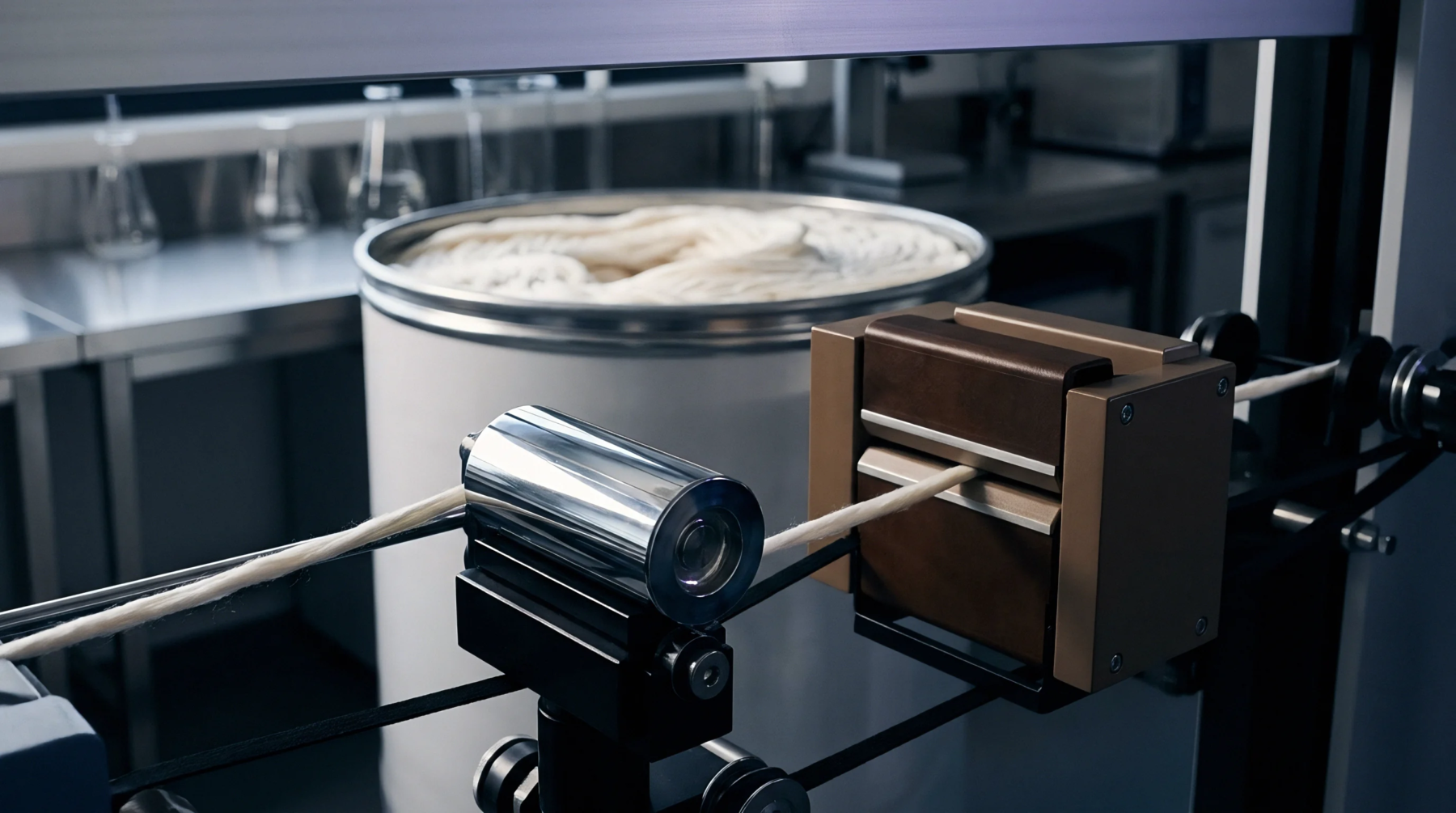
Spatial Non Uniformity in Continuous Textile Wet Processing
Spatial non-uniformity stems from roll deflection, drying airflow gradients, and thermal drift, requiring multi-point spectrophotometry to enforce debit remedies.
Spatial non-uniformity stems from roll deflection, drying airflow gradients, and thermal drift, requiring multi-point spectrophotometry to enforce debit remedies.
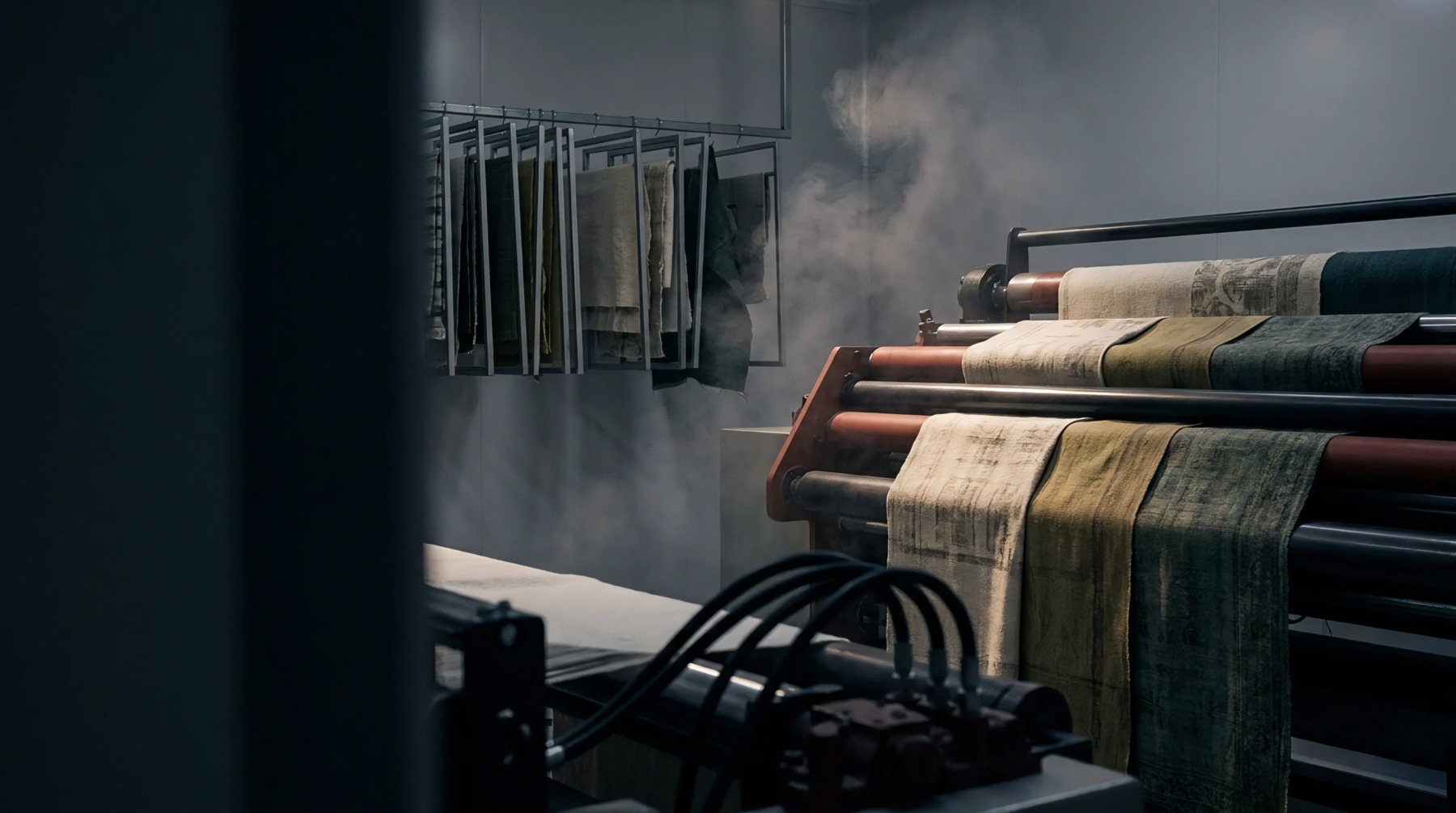
Controlling intermediate drying rates and multi-stage washing ensures high-speed pad steam lines reach grade 4 wash fastness on dense cotton wovens.
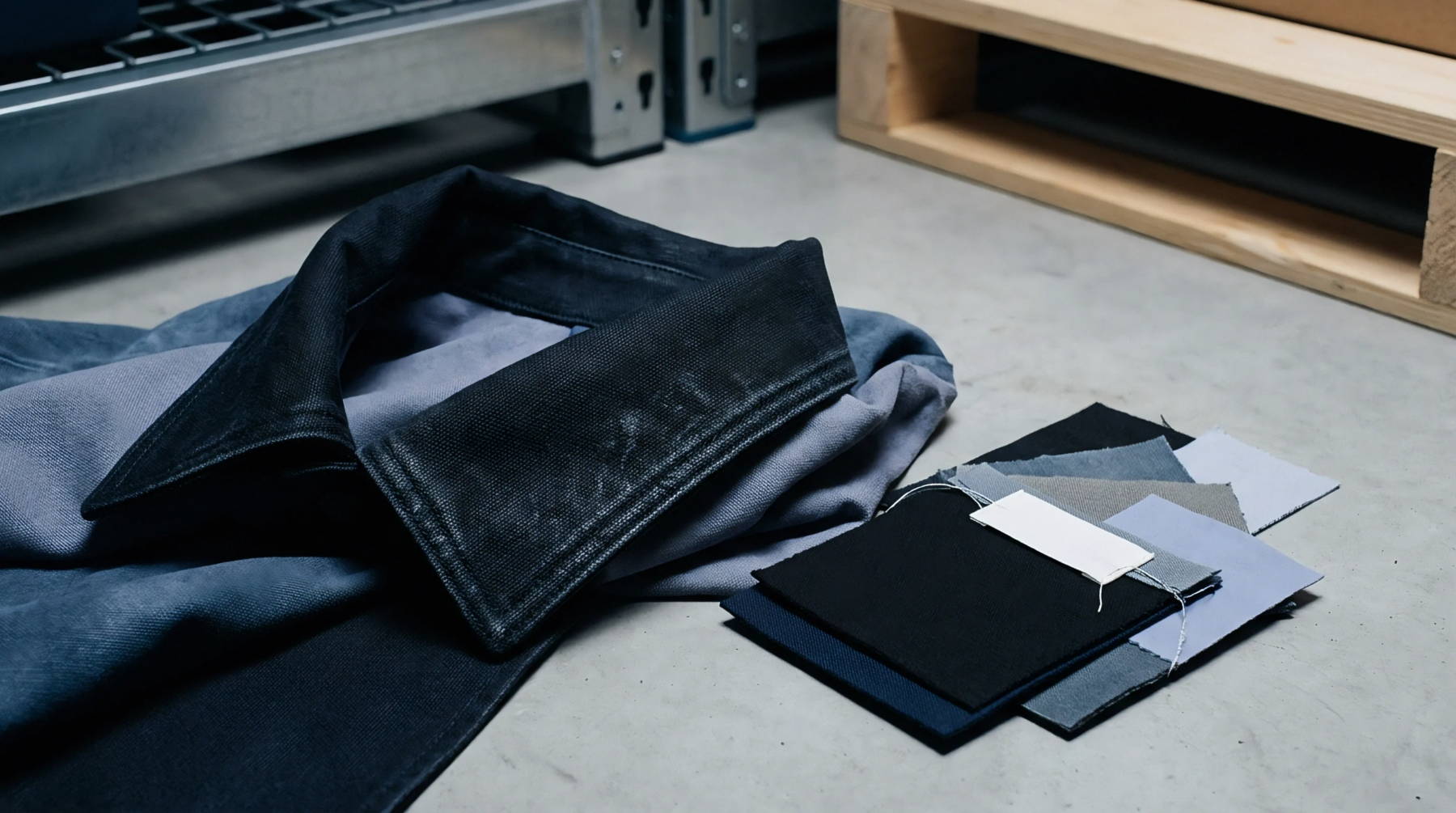
Secondary heat exposure drives disperse dyes into surface finishing oils; specify high-energy dyes and heat-tested rub fastness after stenter finishing.
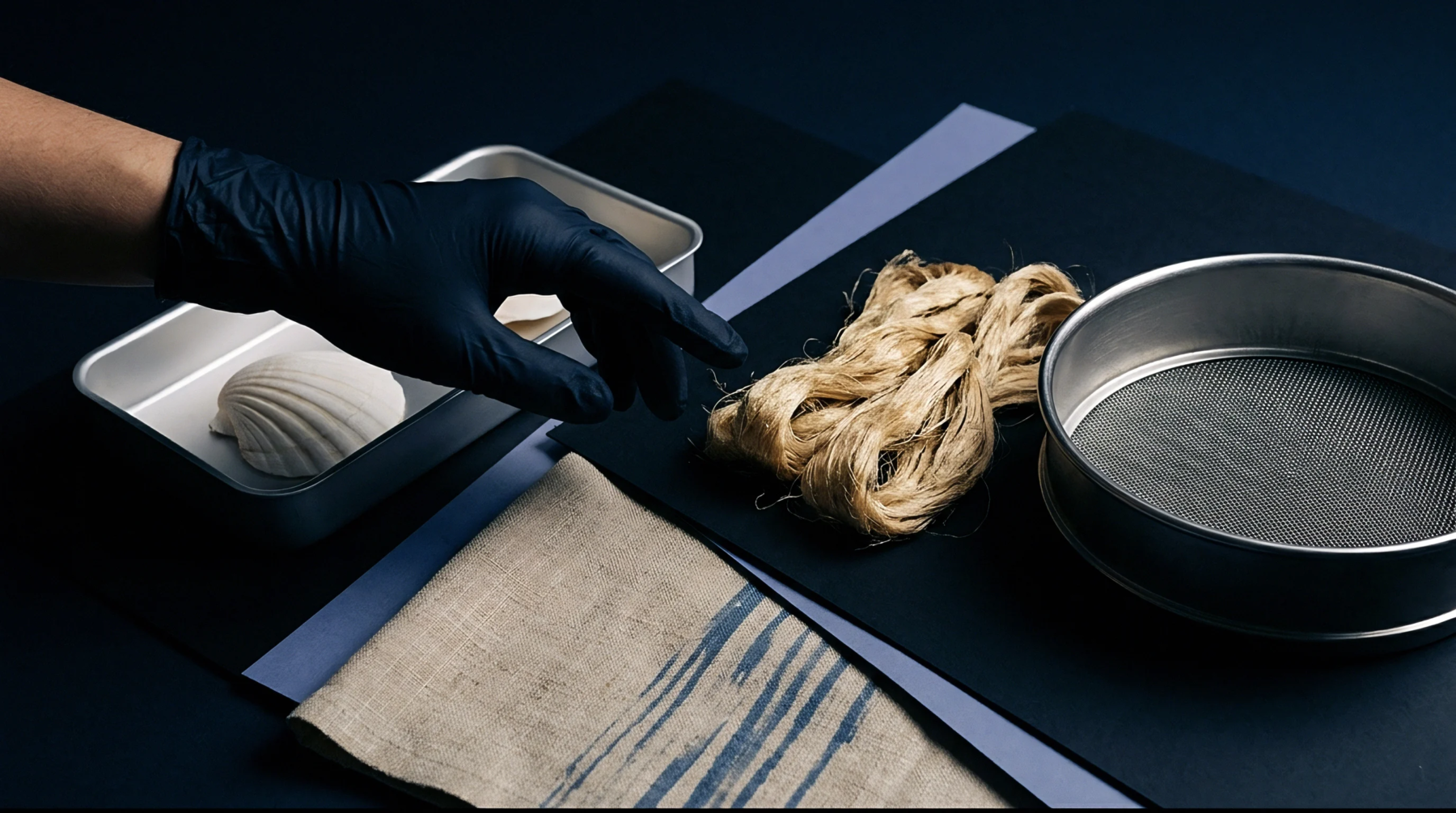
Aromatic amine testing requires matching substrate fibre chemistry to EN ISO 14362 extraction protocols to prevent false negatives in synthetic blends.

Analytical tolerances for banned arylamines in recycled polyester demand LC-MS verification to eliminate oligomer false positives above 20 mg/kg.
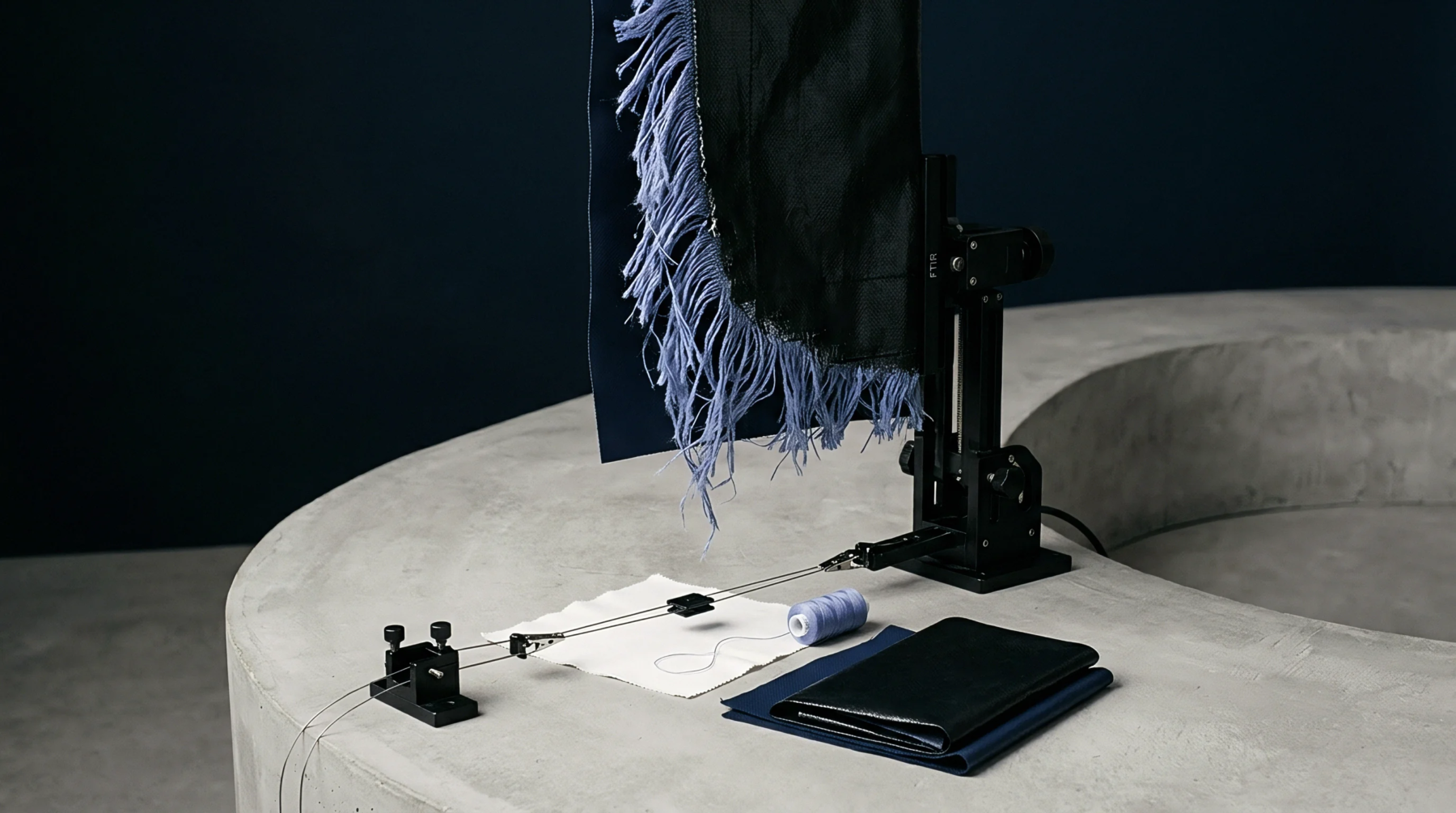
Statistical verification of laboratory thermal slope logs prevents false negative restricted substance dossiers and protects importers from customs detentions.

Enforceable split sample protocols mandate nitrogen-sealed tripartite swatches, pre-agreed ISO 17025 test methods, and statistical reproducibility limits.
Expertise is a utility, not a secret. sentiention™ publishes its working knowledge as open reference: intelligence layer covering the materials it sources, the markets it enters, and the reference that serves both.