
Proteomic Identification Principles for Animal Hair Fibre Mixes
Proteomic LC-MS/MS quantifies animal hair blend percentages by measuring species-specific keratin peptide markers against isotope-labeled internal standards.
Proteomic LC-MS/MS quantifies animal hair blend percentages by measuring species-specific keratin peptide markers against isotope-labeled internal standards.

LC-MS/MS proteomic quantification isolates species-specific tryptic peptides to measure cashmere content in processed yarns within two percent accuracy.

Commercial laboratory default reporting limits frequently sit above regulatory thresholds, requiring buyers to specify lower analytical cutoffs in sourcing contracts.

Proteomic mass spectrometry isolates species-specific keratin peptides to quantify animal fiber blend ratios precisely despite chemical or physical scale damage.

Fluorochemical compliance disputes demand standardized extraction solvents, split-sample protocols, and pre-allocated retest liabilities in purchase orders.

Cross-border chemical recycling claims require matrix-validated ICP-MS and LC-MS/MS testing to quantify trace non-volatile contaminants below regulatory limits.

Gas chromatography mass spectrometry quantitation of residual solvents in polyurethane fabrics demands liquid extraction to prevent border detentions.
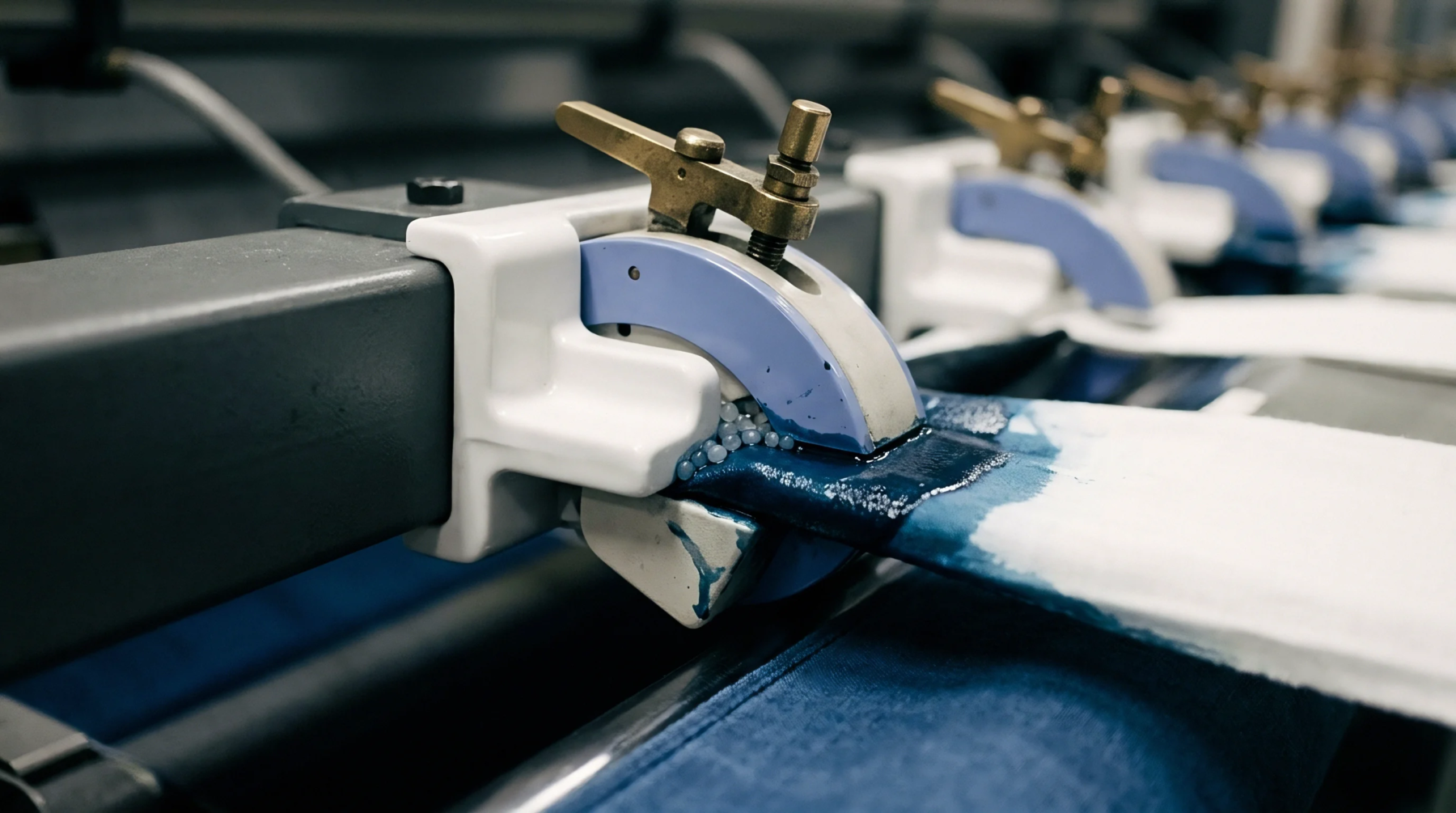
LC-MS/MS testing under ISO 18254-1 quantifies alkylphenol ethoxylates down to 1 mg/kg, requiring ammonium adduct control to prevent matrix suppression.
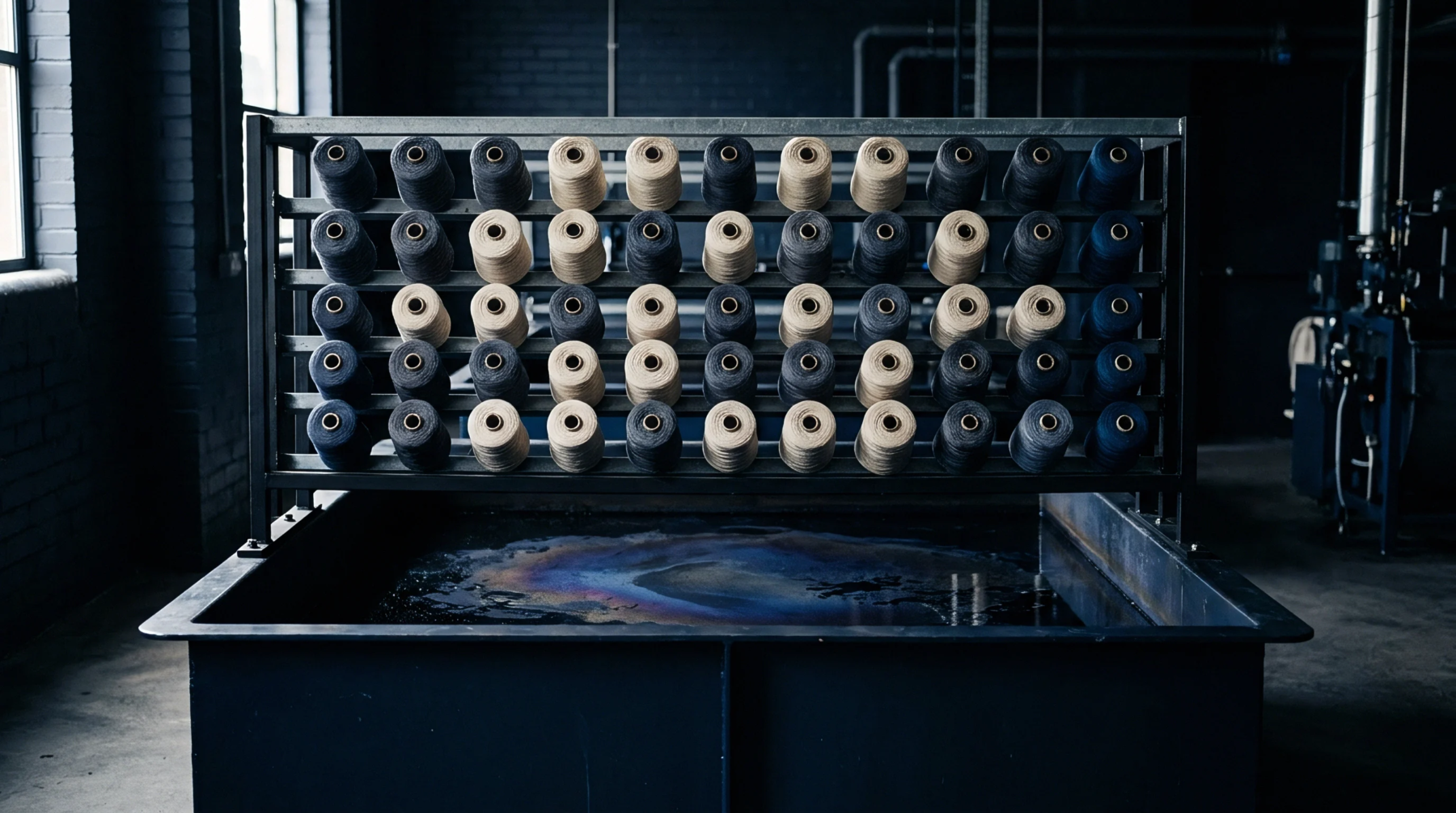
Stable isotope dilution mass spectrometry eliminates interlaboratory matrix suppression errors, preventing false positive batch rejections during audits.

Composite fiber testing dilutes localized chemical contamination while wet processing alters analyte extraction, demanding matrix-adjusted reporting thresholds.

Empirical laboratory testing of raw liquid chemical auxiliaries prior to vat injection is mandatory to prevent subcontracted dyehouse contamination.

Greige fabric certification demands batch testing of sizing agents, spin finishes, and biocide residues before finishing treatments mask regulated chemicals.

Global textile import compliance requires matching exact article specifications against legal chemical limits using lot-traceable ISO 17025 test dossiers.

Acceptance sampling for padded textile finishes requires zero-acceptance attribute plans, composite limit adjustments, and ISO 17025 laboratory scope verification.

LC-MS/MS biomarker quantification measures species-specific keratin peptide markers to verify cashmere yarn purity within a 1.0 percent mass limit of quantification.
Expertise is a utility, not a secret. sentiention™ publishes its working knowledge as open reference: intelligence layer covering the materials it sources, the markets it enters, and the reference that serves both.