Binary Fiber Moisture Regain Calculations in Customs Valuations
Commercial moisture regain calculations convert raw lot weights to dry mass plus standard allowances, preventing customs overvaluation and duty misclassification.

Core
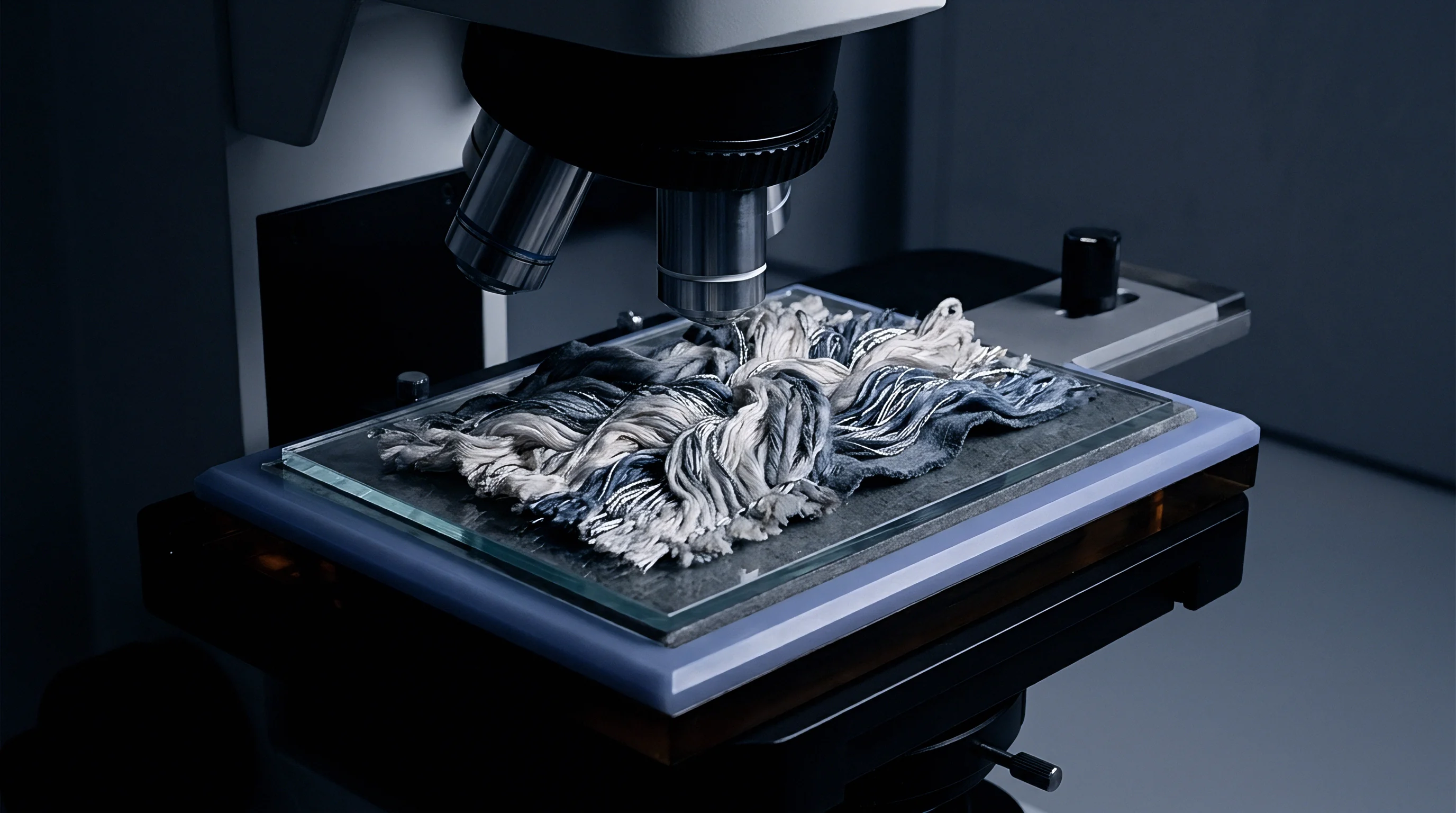
Hydrophilic and hydrophobic polymers display divergent moisture absorption behaviors when stored in ambient conditions. Textile fibers possess varying capacities to absorb atmospheric water vapor based on chemical polymer structures and amorphous region accessibility. Water adds mass.
Fiber chemistry dictates moisture uptake. In customs valuation and international trade declarations, physical lot weight recorded at the port of entry includes variable amounts of absorbed water. Valuing imported shipments on gross physical mass creates distortion when trading fibers that retain high water content alongside fibers that absorb almost zero water.
Moisture regain defines the mass of absorbed water expressed as a percentage of the bone-dry fiber mass. Moisture content defines the mass of absorbed water expressed as a percentage of the total wet fiber mass. Converting between these metrics requires exact arithmetic distinctions.
The moisture regain formula calculates water absorption relative strictly to dry mass:
R = ((Ww – Wd) / Wd) 100
The moisture content formula calculates water absorption relative to total physical mass:
C = ((Ww – Wd) / Ww) 100
In these equations, R represents the moisture regain percentage, C represents the moisture content percentage, Ww represents the wet physical weight of the sample, and Wd represents the oven-dry mass of the sample. Standard commercial regain rates establish fixed regulatory allowances for trade settlement and customs valuation, replacing fluctuating ambient water content with standardized percentages defined by ISO 6741-1 and ASTM D1909.
Cotton yarn conditioned at 20 degrees Celsius and 65 percent relative humidity stabilizes at an official commercial regain of 8.5 percent of dry mass.
When binary fiber blends enter customs jurisdiction, constituent fibers absorb moisture independently. A 65 percent polyester and 35 percent combed cotton blend exhibits a composite moisture regain determined by the individual dry mass proportions of the constituent fibers. Polyester possesses an official commercial regain of 0.4 percent under ISO 6741-1.
Combed cotton possesses an official commercial regain of 8.5 percent under the same standard. Standard regains vary by fiber. Water carries zero fiber value.
| Fiber Type | Polymer Structure | ISO 6741-1 Regain Percentage | ASTM D1909 Regain Percentage |
|---|---|---|---|
| Combed Cotton | Natural Cellulosic | 8.50 | 8.50 |
| Scoured Wool | Natural Protein | 17.00 | 13.60 |
| Viscose Rayon | Regenerated Cellulosic | 13.00 | 11.00 |
| Polyester | Synthetic Fluoropolymer or Ester | 0.40 | 0.40 |
| Polyamide Nylon 66 | Synthetic Polyamide | 5.75 | 4.50 |
| Acrylic | Synthetic Polyacrylonitrile | 1.50 | 1.50 |
| Commercial regain allowances reflect dry mass adjustments agreed upon for international customs trade and commercial settlement. | |||
Customs authorities assess tariff line classifications based on constituent material weight ratios. Under the Harmonized System, chief weight determines tariff classification. If a binary blend contains 51 percent polyester and 49 percent cotton on a bone-dry basis, the shipment classifies under Chapter 55 for synthetic staple fibers.
If ambient moisture absorption inflates the physical weight of the cotton portion beyond 50 percent during transport, physical weighing at customs entry misclassifies the goods under Chapter 52 for cotton textiles. Tariff lines pivot on dry proportion. Accepting physical lot weights without standard regain adjustments inflates customs duty payments and exposes the importer to administrative penalties during retroactive valuation audits.

Chamber
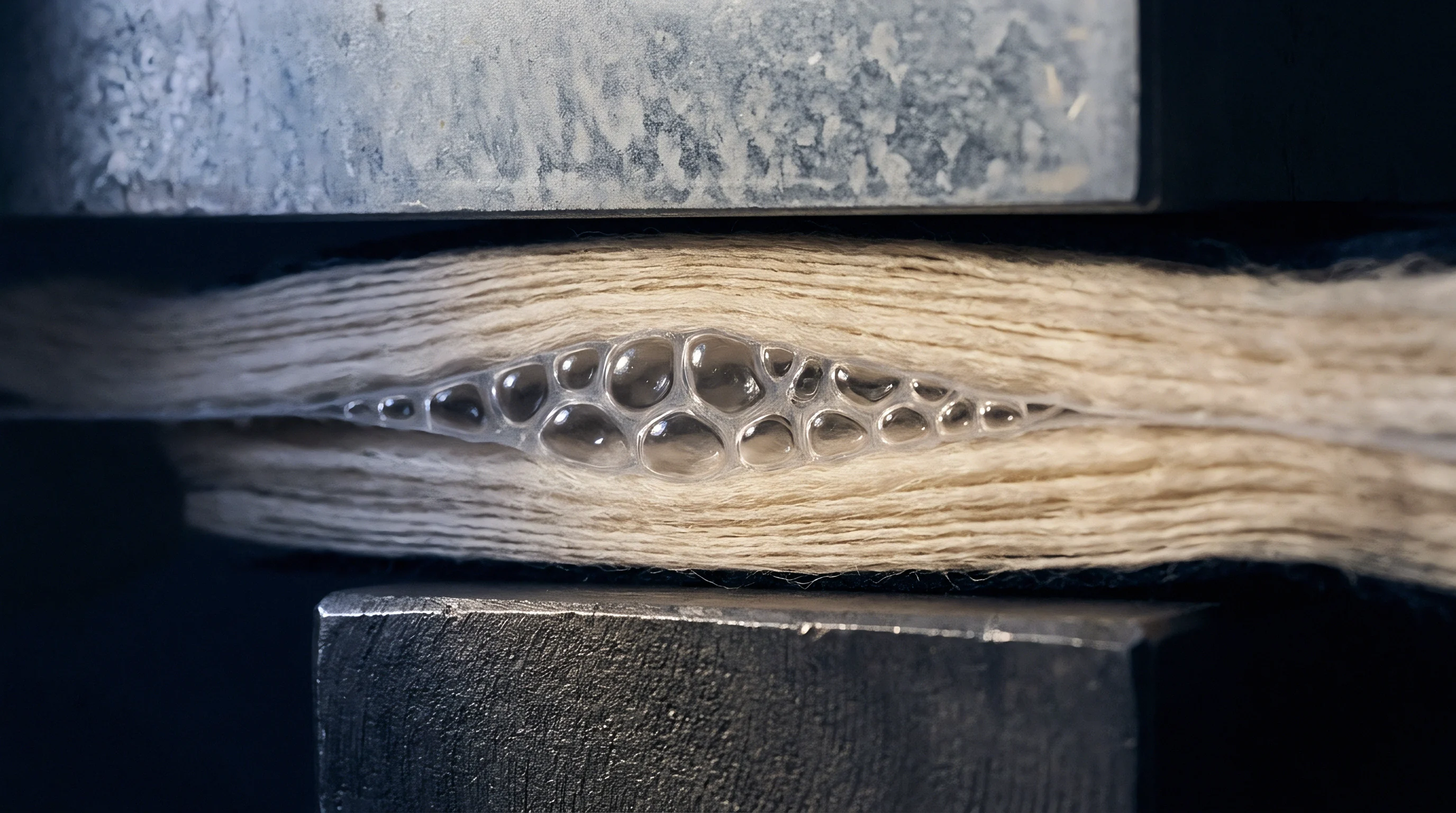
Laboratory determination of bone-dry mass demands exact thermal and gravimetric controls. Test laboratories follow standardized desiccating protocols established under ISO 6741-2 and ASTM D2495 to extract free atmospheric water without scorching organic polymer chains. Oven drying yields true mass.
Desiccation removes non-bound moisture. Drying temperature alters organic structure if upper thermal thresholds are breached.
Specimens drawn from bulk imports undergo forced-draft thermal drying at temperatures maintained strictly between 105 and 110 degrees Celsius. Air changes within the heating container occur at continuous rates to prevent localized humidity stagnation. Weighing takes place inside ventilated balances linked directly to the drying container, preventing specimen exposure to room air during mass balance measurement.
Continuous drying proceeds until consecutive weighings at fifteen-minute intervals reveal mass variations below 0.05 percent of total specimen mass. The final gravimetric output represents the oven-dry mass.

Oven Drying Gravimetric Separation Steps
- Extract representative test specimens from sealed moisture-proof bags drawn from three distinct depths of the consignment package.
- Weigh the initial specimen immediately on an analytical balance calibrated to 0.001 grams to record green wet mass.
- Transfer the specimen into a forced-draft desiccation oven maintained strictly between 105 and 110 degrees Celsius.
- Run the drying cycle while circulating dry air until successive weighings at fifteen-minute intervals show less than 0.05 percent mass variation.
- Record the final stabilized figure as the absolute dry mass before applying standard regain coefficients.
Inaccurate bone-dry mass determination corrupts every subsequent commercial calculation. If a testing laboratory allows dried specimens to cool in open air before weighing, hygroscopic fibers absorb ambient water vapor within seconds. Wool and viscose absorb atmospheric moisture at rapid rates, adding unmeasured mass that depresses the calculated regain value and alters true commercial weight deductions.
Standardized conditioning takes twenty four hours. Exporters frequently maintain that atmospheric exposure during oceanic shipment accounts for all excess moisture and refrains from adjusting commercial invoices.


Arithmetic
Commercial weight calculation for binary fiber blends relies on the weighted proportion of bone-dry masses. Converting landed physical mass into legally binding commercial mass requires applying individual official regain percentages to each constituent fiber component after quantitative chemical analysis under ISO 1833. Invoices turn on commercial weight.
Customs authorities measure physical weight. Moisture shifts landed duty calculations.
The standard commercial regain for a binary blend combines individual fiber regains multiplied by their respective dry mass fractions:
Rb = (wA RA) + (wB RB)
In this equation, Rb represents the total commercial regain percentage of the binary blend, wA represents the dry mass fraction of Fiber A, RA represents the official standard regain percentage for Fiber A, wB represents the dry mass fraction of Fiber B, and RB represents the official standard regain percentage for Fiber B.
Once the blend regain percentage is derived, the commercial mass of the shipment is calculated from total bone-dry mass:
Mc = Md (1 + (Rb / 100))
In this equation, Mc represents the calculated official commercial mass, Md represents the absolute bone-dry mass of the shipment, and Rb represents the composite binary blend regain percentage.
Consider a practical worked calculation. Take an imported lot of spun binary yarn declared as 60 percent viscose rayon and 40 percent polyester. The bulk consignment arrives at port weighing exactly 20,000 kilograms on official harbor weighbridges.
Laboratory sampling under ISO 6741-2 determines an average arrival moisture content of 11.5 percent across all drawn cores. Quantitative chemical extraction under ISO 1833 confirms constituent dry mass proportions at exactly 0.600 viscose and 0.400 polyester.
First, calculate total bone-dry mass from physical arrival mass and verified moisture content:
Md = 20,000 kg (1 – 0.115) = 17,700 kg
Second, locate official standard regain figures for each fiber. Viscose holds an ISO commercial regain of 13.0 percent. Polyester holds an ISO commercial regain of 0.4 percent.
Third, calculate composite blend regain percentage using dry mass proportions:
Rb = (0.600 13.0) + (0.400 0.4) = 7.80 + 0.16 = 7.96%
Fourth, calculate legal commercial mass for customs valuation and invoicing:
Mc = 17,700 kg (1 + (7.96 / 100)) = 17,700 kg 1.0796 = 19,108.92 kg
The physical lot weight on arrival measured 20,000 kilograms. The true commercial weight equals 19,108.92 kilograms. Excess water weight contained in the shipment totals 891.08 kilograms.
Excess water increases import duties.
Customs valuations calculated directly from raw landed weights charge import duties on unpriced water mass.
| Mass Parameter | Unadjusted Physical Basis | Oven-Dry Base | Standard Regain Corrected Basis |
|---|---|---|---|
| Gross Lot Mass (kg) | 20,000.00 | 17,700.00 | 19,108.92 |
| Water Weight Component (kg) | 2,300.00 | 0.00 | 1,408.92 |
| Effective Dry Mass (kg) | 17,700.00 | 17,700.00 | 17,700.00 |
| Specific Duty Assessment at 0.85 USD per kg (USD) | 17,000.00 | 15,045.00 | 16,242.58 |
| Customs Duty Overpayment Variance (USD) | 757.42 | -1,197.58 | 0.00 Baseline |

Valuation Variable Checklist
- Fibre blend proportions determine the calculated weighted regain percentage based on dry mass components verified through chemical separation.
- Standard regain values assigned to each component match the official schedule adopted by the destination customs territory.
- Laboratory dry mass forms the sole accurate baseline for applying commercial regain additions under international trade rules.
- Specific duty schedules calculate tariff assessments on mass rather than ad valorem transaction price.
Discrepancies trigger expensive customs audits. Importing firms that fail to submit moisture regain calculation sheets pay duty on raw physical water mass. When specific customs tariffs apply per kilogram of imported textile, overpaying duty on excess atmospheric water degrades net profit margins.
Applying this combined percentage directly to the bone-dry mass yields the final legally defensible commercial weight for import clearance.
Dock
Port inspection officials evaluate incoming textile shipments by applying direct scale measurements. Inspecting officers record physical gross weights, subtract container tare allowances, and establish entry valuation figures based on net physical arrival weights. This procedure ignores ambient relative humidity changes occurring inside cargo holds during transit.

Is Physical Weighing at the Port Sufficient for Tariff Classification?
Direct scale readings capture variable atmospheric moisture rather than the structural composition of the textile lot. High ambient humidity during sea transit increases physical shipment mass without adding commercial material value. When customs declarations rely entirely on unadjusted port scale entries, buyers overpay import tariffs on absorbed seawater mist and damp air.
Border weight verification errors impact ad valorem customs duties when price agreements cite commercial weight terms while import declarations cite physical weights. If an import contract specifies a unit price of 4.50 USD per kilogram based on official commercial mass, entering the 20,000 kilogram physical port mass on entry paperwork inflates declared commercial invoice value from 85,990.14 USD to 90,000.00 USD. Customs authorities assess ad valorem tariffs on this higher valuation figure, overcharging the importer on non-existent material value.
Higher natural fibre content increases moisture sensitivity and expands the financial discrepancy between physical weight and commercial weight.

Border Verification Failure Modes
- Unsealed sample bags allow ambient humidity exchange during transit to the laboratory, corrupting the measured arrival moisture content.
- Inadequate core sampling picks surface fibers that dried during flight or ocean transit, missing damp core fibers inside dense bales.
- Incorrect standard assignment uses generic rayon regains for modal or lyocell fibers that operate under distinct commercial allowances.
- Uncalibrated scale equipment at port clearance facilities introduces systematic mass errors into official entry documentation.
Discrepancies between declared custom weights and laboratory verification tests trigger border detentions and regulatory holds. Customs inspectors issue misdeclaration citations when chemical testing shows constituent dry mass ratios that diverge from hangtag descriptions. Whether border enforcement authorities will eventually accept standardized electronic conditioning certificates in place of physical sampling on arrival remains an open regulatory issue.

Clause
International purchase agreements for spun yarns require unambiguous terms governing moisture reconciliation. Commercial agreements stipulate whether transaction prices apply to gross physical weight, net physical weight, or standard commercial weight derived under ISO 6741. Defining these provisions upfront protects both buyer and seller from unexpected customs valuation adjustments.
| Contractual Weight Basis | Underlying Calculation Rule | Customs Valuation Acceptance | Importer Commercial Risk |
|---|---|---|---|
| Gross Physical Weight | Direct weighbridge scale reading including packaging | Rejected for specific duty adjustments | Maximum exposure to excess water duty penalties |
| Net Physical Weight | Scale weight minus packaging and tare materials | Accepted only where regain is not claimed | Moderate exposure to atmospheric moisture inflation |
| Oven-Dry Mass | Bone-dry mass with zero water content allowance | Rejected as trade basis under standard tariffs | Under-reports standard weight allowances |
| Commercial Mass ISO 6741 | Bone-dry mass plus official blend regain percentage | Fully accepted by international customs authorities | Zero exposure; valuation aligns with true material mass |
Customs valuation dossiers submitted for entry audit contain specific documentation verifying calculated commercial weight entries. Importers maintain detailed records including original mill certificate of analysis, accredited third-party test reports showing bone-dry mass determinations under ISO 6741-2, chemical separation blend analysis under ISO 1833, and step-by-step arithmetic reconciliation sheets showing composite regain calculations.
Contracts stipulating settlement based on ISO 6741 commercial weight bind customs valuation directly to certified laboratory oven-dry test reports.
Contracts that mandate commercial weight reconciliation allow automatic invoice price adjustments based on verified laboratory test results. When arrival moisture content exceeds standard commercial regain limits, the buyer deducts excess water mass from the final vendor payment. Incorporating ISO 6741 Commercial Mass Reconciliation terms into the purchase contract shifts the financial burden of excess water weight directly back to the seller.