Mass Calculation
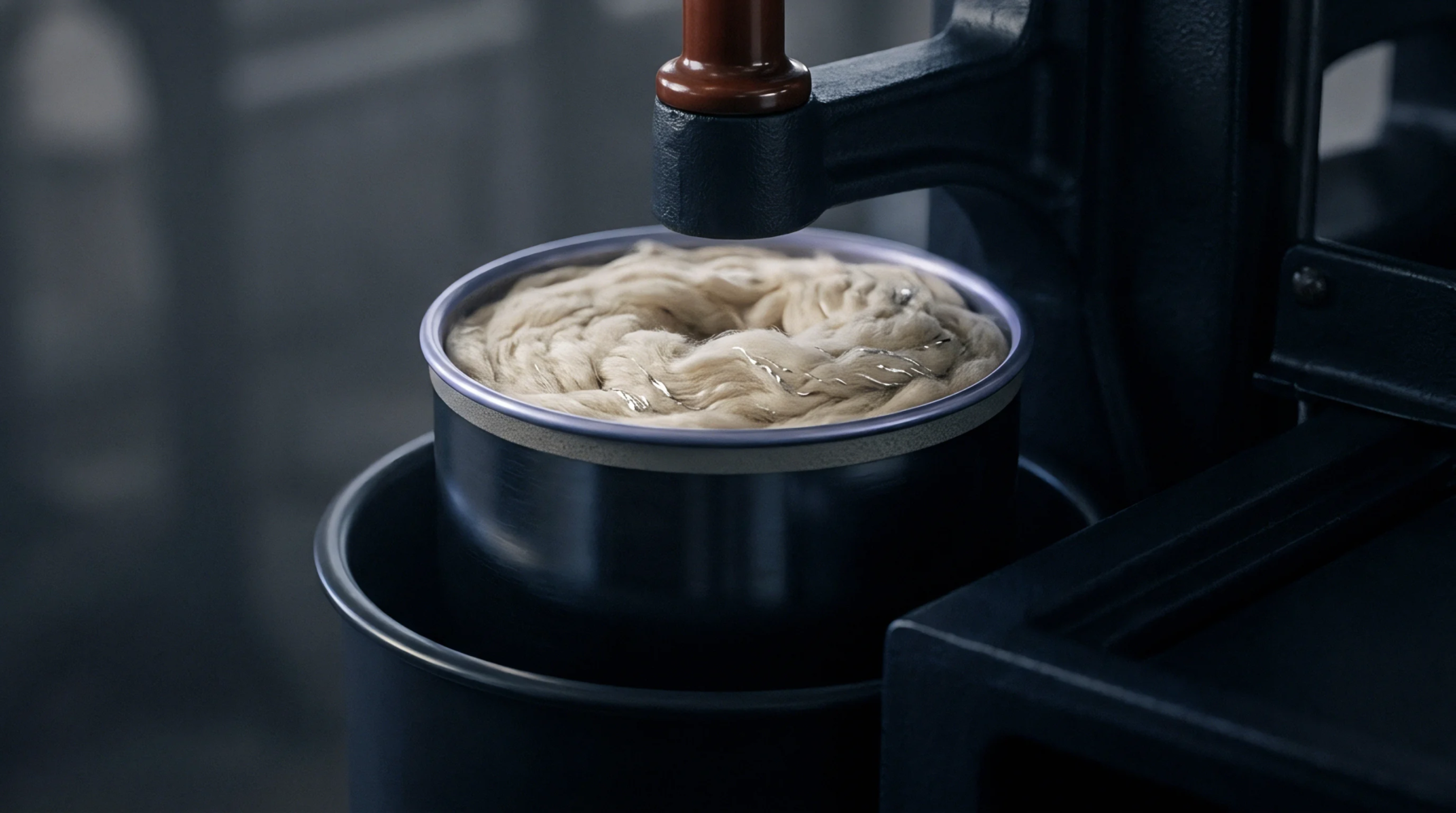
The calculated mass of a textile shipment computed by adding a standard moisture allowance to the dry mass of the material. In transactions of bulk yarns and raw fibres, commercial weight is the formal value used to prepare invoices and settle accounts. This calculated mass avoids disputes arising from moisture variation during transit or storage.
It remains independent of ambient warehouse conditions.
Standard Allowance
Official moisture regain values are set by international standards bodies for each specific fibre type. Cotton has a standard allowance of eight and a half percent, viscose has thirteen percent, and polyester has only one and a half percent. These figures represent the typical moisture the material absorbs from a standard atmosphere.
When multi-fibre blends are traded, the allowance is calculated proportionally based on the blend ratio of the yarn.
Billing Impact
Commercial buyers verify these values at point of receipt. A mill that ships yarn with excess water is selling water at the price of fibre. Buyers use laboratory sampling to calculate the true dry mass.
If the dry mass plus the allowance is lower than the invoiced mass, the buyer issues a debit note for the missing fibre.
Moisture Assessment
Testing laboratories dry core samples to a constant bone-dry state to find the starting mass. This process removes all moisture without degrading the organic polymers.