Calculating Standard Moisture Regain for Industrial Fibre Commercial Weight
Commercial weight equals dry polymer mass multiplied by one plus the standard commercial regain percentage, converting tested moisture levels into trade invoices.

Sorption
Water vapor interacts continuously with polymer structures in raw yarn lots, modifying total mass during storage and transit. Industrial fibers absorb or desorb atmospheric humidity depending on chemical structure, ambient relative humidity, and dry bulb temperature. Dry polymer mass remains constant, while total mass fluctuates across supply routes.

Thermodynamics of Water Adsorption in Industrial Polymers
Polymers carrying hydrophilic functional groups draw moisture from surrounding air until reaching equilibrium. Viscose, cotton, and aliphatic polyamides possess accessible hydroxyl or amide groups that form direct hydrogen bonds with water molecules. Standard industrial polyester and aramid structures, by contrast, exhibit dense crystalline domains and hydrophobic backbones that resist moisture penetration.
Ambient air conditions govern moisture exchange rates throughout transit. When raw yarn moves through humid ocean corridors, hydrophilic fibers gain measurable mass; viscose retains substantial bound atmospheric water, whereas polyester absorbs negligible amounts under identical conditions.
Industrial fibre lots sold by gross weight without desiccation testing routinely transfer dry polymer mass at water prices.

Distinguishing Moisture Regain from Moisture Content
Mass calculations in commercial transactions rely on two distinct mathematical expressions of water weight. Moisture regain expresses the mass of water present in a material as a percentage of its dry polymer mass. Moisture content defines the mass of water as a percentage of the total wet material mass including water.
Confusing these two terms skews commercial valuations across bulk shipments. A fiber sample containing 10 kilograms of water per 100 kilograms of dry polymer yields a moisture regain of 10.0 percent, but a moisture content of 9.09 percent. Sourcing contracts specify moisture regain parameters to maintain a fixed base calculation denominator across testing houses.
Atmospheric absorption during sea transit frequently alters bulk bale mass prior to warehouse delivery, complicating baseline intake weights.

Chamber
Controlled environmental testing isolates pure polymer mass from variable atmospheric humidity. Laboratory drying procedures establish the absolute dry base mass necessary to calculate commercial weight under international trading rules.
Oven Drying Standards and Temperature Baselines
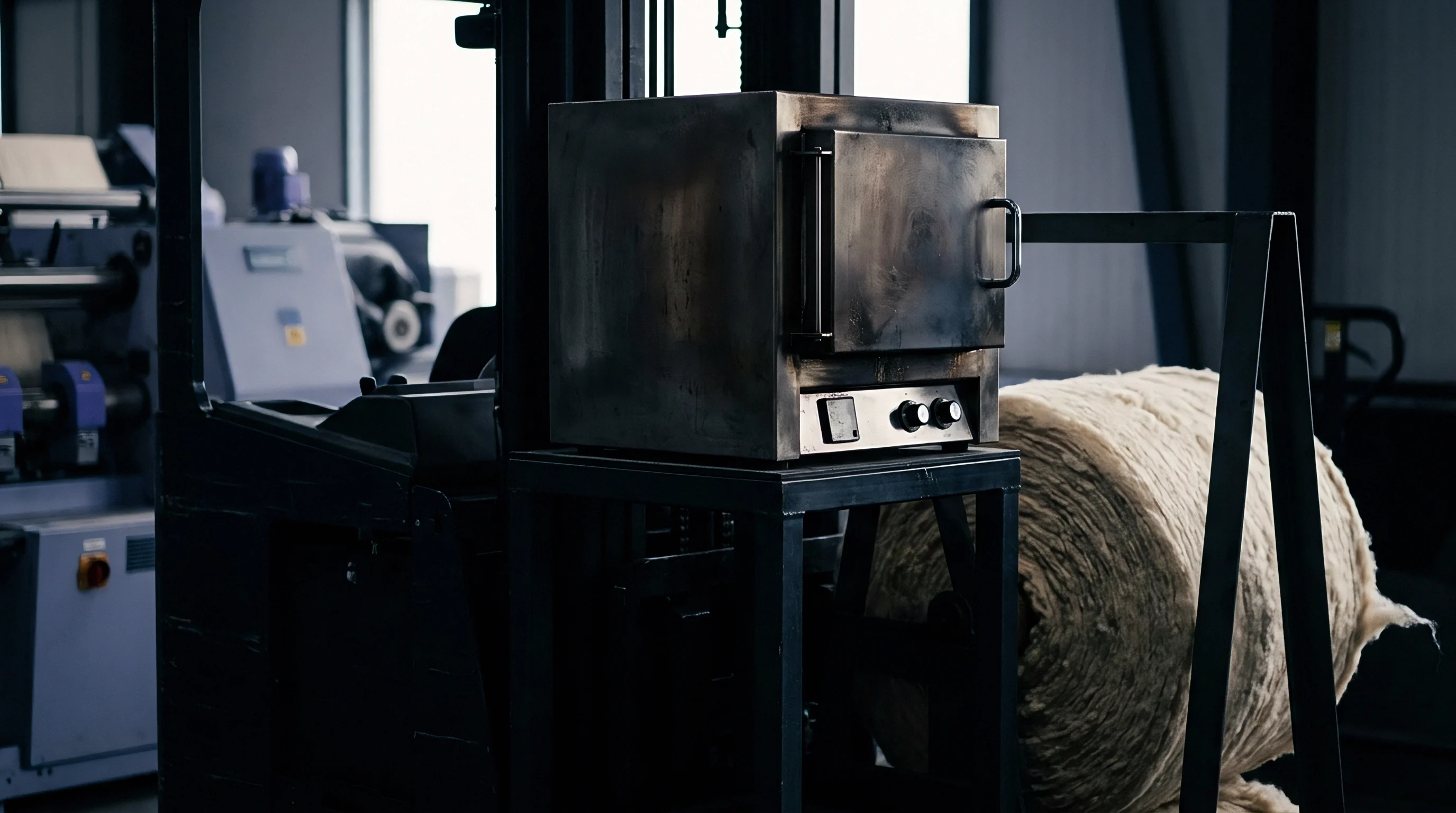
Laboratory drying procedures bring test specimens to constant mass under forced ventilation, with conditioning temperatures determined by polymer thermal stability. Cellulosic materials, polyamides, and polyester endure drying at 105 to 110 degrees Celsius without thermal degradation. Heat-sensitive synthetic fibers require lower temperatures combined with vacuum assistance to extract moisture without volatizing spin finishes.
Weighing occurs directly inside the heated enclosure or immediately after transfer to a sealed vessel containing active desiccant, as ambient room temperature and container seals directly govern the precision of the recorded dry mass.
| Fibre Type | Polymer Composition | Drying Temperature (°C) | Standard Regain (%) | Commercial Regain Allowance (%) |
|---|---|---|---|---|
| Viscose Rayon | Regenerated Cellulose | 105 – 110 | 11.00 | 13.00 |
| Industrial Cotton | Natural Cellulose | 105 – 110 | 7.00 – 8.50 | 8.50 |
| Polyamide 6,6 | Polyhexamethylene Adipamide | 105 – 110 | 4.00 – 4.50 | 5.75 |
| Polyester (PET) | Polyethylene Terephthalate | 105 – 110 | 0.40 | 1.50 |
| Meta-Aramid | Poly-m-phenylene Isophthalamide | 105 – 110 | 4.50 – 5.00 | 5.50 |
Conditioning Requirements for Laboratory Testing
Standardized air exposure brings textile samples to equilibrium before analytical weighing. Standard atmosphere specifications mandate a temperature of 20.0 degrees Celsius plus or minus 2.0 degrees, and a relative humidity of 65.0 percent plus or minus 4.0 percent. Preconditioning at low relative humidity precedes final atmospheric equilibration to eliminate moisture hysteresis.
Samples reaching equilibrium from the dry side yield consistent moisture levels, whereas samples reaching equilibrium from a wet state retain higher water fractions.
- Extract representative laboratory samples from internal bale core locations using a mechanical core drill.
- Enclose sampled fibers in airtight vapor-proof containers immediately upon removal from the bale core.
- Record the initial gross receiving weight of the enclosed sample using a calibrated analytical balance.
- Transfer unsealed test specimens into a forced-draft ventilated drying oven operating at designated standard temperatures.
- Execute repeated weighing cycles at twenty-minute intervals until consecutive weighings show less than 0.05 percent mass change.
Dry specimens weighed while hot generate upward convection currents inside balance enclosures that lighten apparent sample weight.


Arithmetic
Commercial mass calculation converts verified dry polymer mass into financial settlement values. Standard regain allowances defined by international trade agreements replace real-time moisture measurements on final trade invoices.
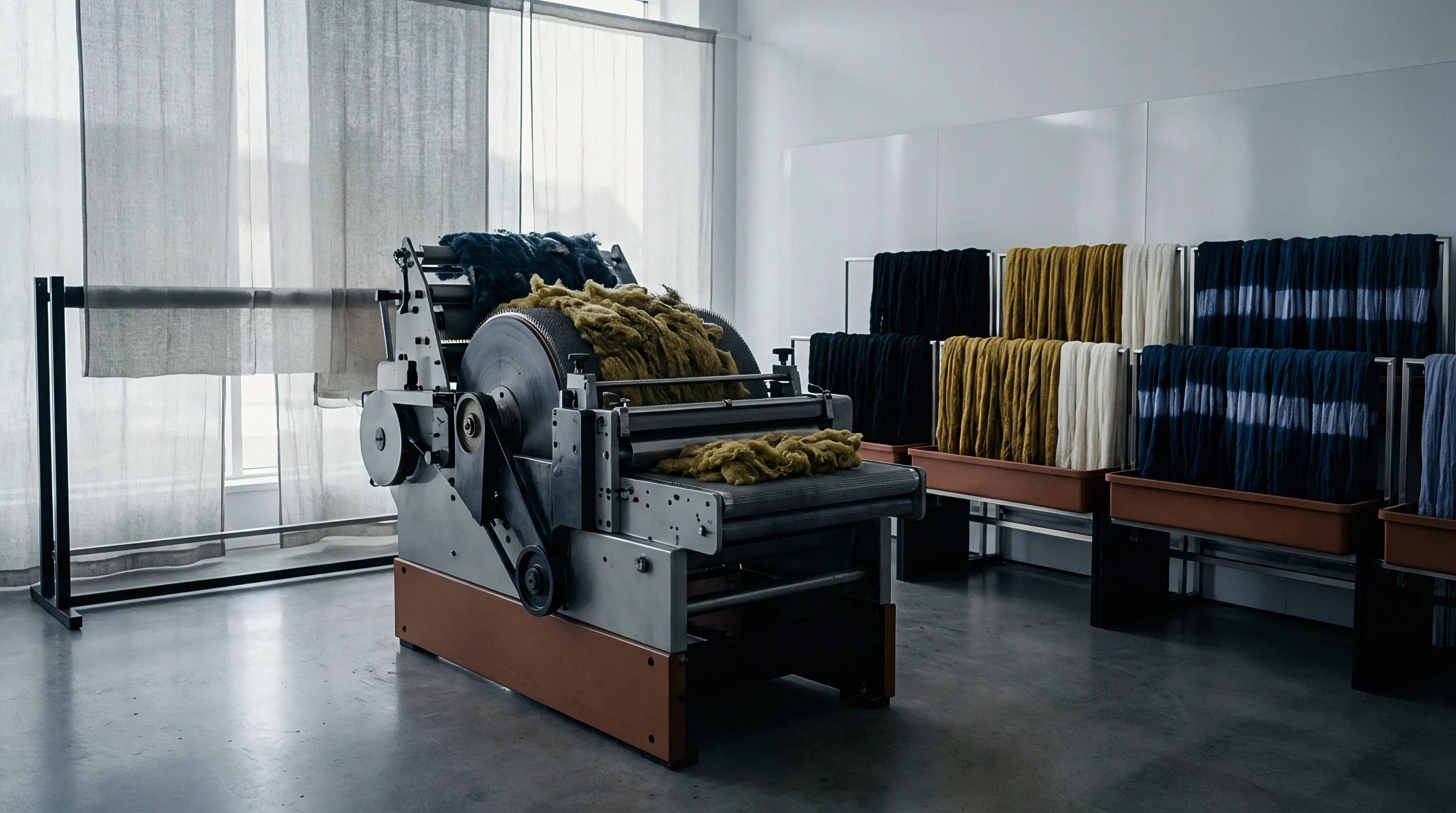
Commercial Weight Equation from Oven Dry Mass
The standard conversion equation derives commercial weight by multiplying the shipment’s oven-dry mass by one hundred plus the official regain allowance, then dividing by one hundred. Where spin finishes, lubricants, or scoured residues alter baseline dry mass, calculation schedules incorporate specific extractable matter allowances so that water content does not artificially inflate invoice totals.
A two percent drift in relative ambient humidity during unwrapping shifts calculated lot weight by sixteen kilograms per tonne of hydrophilic fibre.
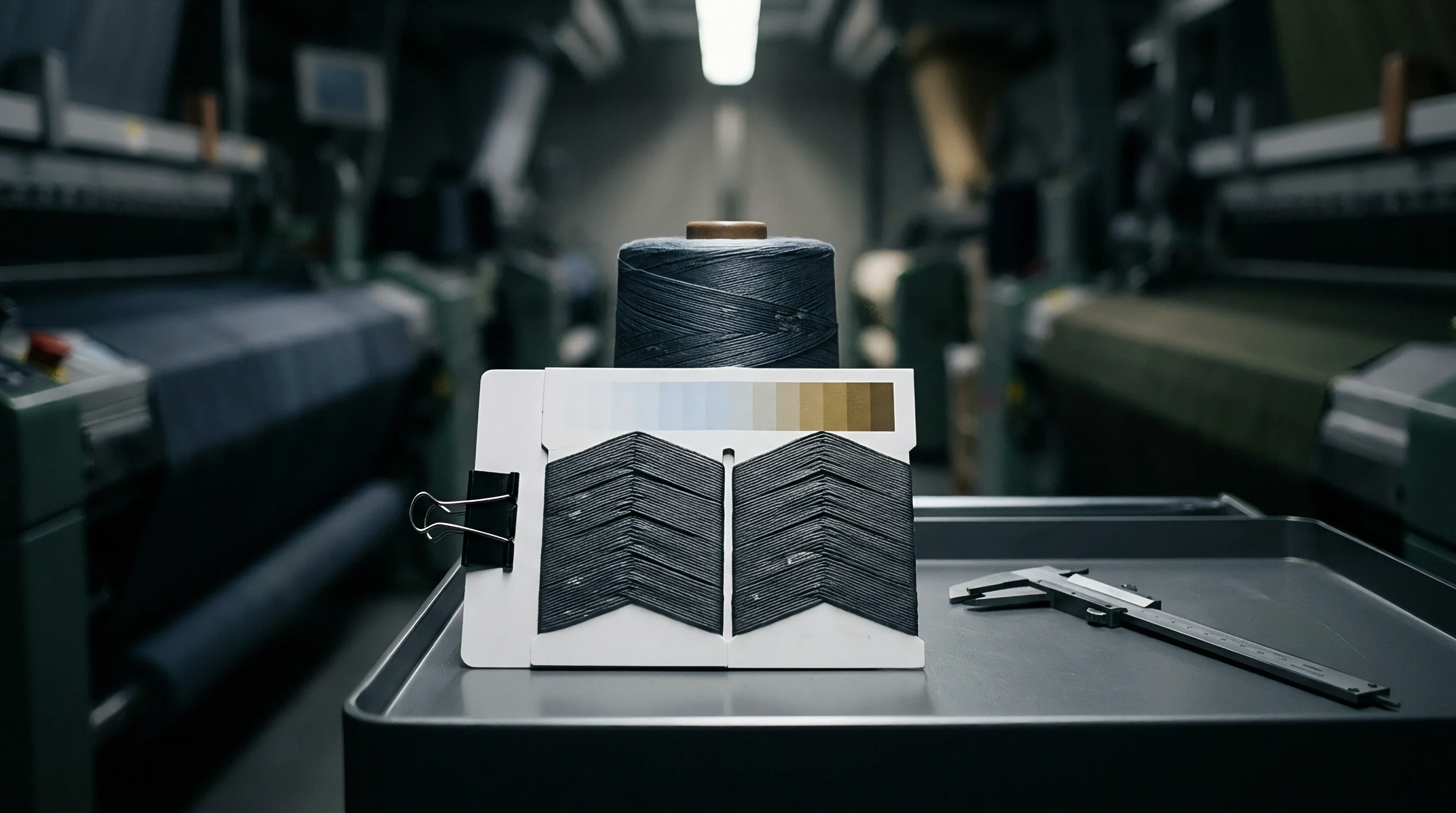
Blended Fibre Mass Adjustments in Multi Component Yarns
Multi-component yarns contain polymers with divergent water absorption capacities that demand weighted regain calculations. Determining the commercial regain of a blend involves multiplying the dry mass percentage of each fiber component by its respective official commercial regain allowance, then summing the components. Calculating standard regain for industrial fiber commercial weight across blended lots requires precise chemical separation or quantitative fiber analysis per standard test methods before applying regain formulas.
Consider a 20-tonne industrial yarn lot comprising 70 percent viscose staple and 30 percent high-tenacity polyester by clean dry mass. Laboratory oven drying of representative lot samples establishes a total net dry mass of 18,200.00 kilograms for the shipment.
The standard commercial regain allowance for industrial viscose rayon is 13.00 percent. The commercial regain allowance for industrial polyester staple is 1.50 percent. The weighted commercial regain rate for the blend is calculated as follows:
Weighted Regain Percentage = (0.70 × 13.00) + (0.30 × 1.50)
Weighted Regain Percentage = 9.10 + 0.45 = 9.55 percent
Applying the calculated blend regain percentage to the verified dry polymer mass yields the total invoiced commercial weight for settlement:
Commercial Weight = 18,200.00 kg × (1 + 9.55 / 100)
Commercial Weight = 18,200.00 kg × 1.0955 = 19,938.10 kilograms
If the buyer invoiced the lot based on an unadjusted receiving weight taken during high ambient humidity where actual moisture reached 12.00 percent, the billed weight would equal 20,384.00 kilograms. Overpaying for 445.90 kilograms of absorbed water adds unnecessary material expense to raw material procurement accounts.

Tolerance
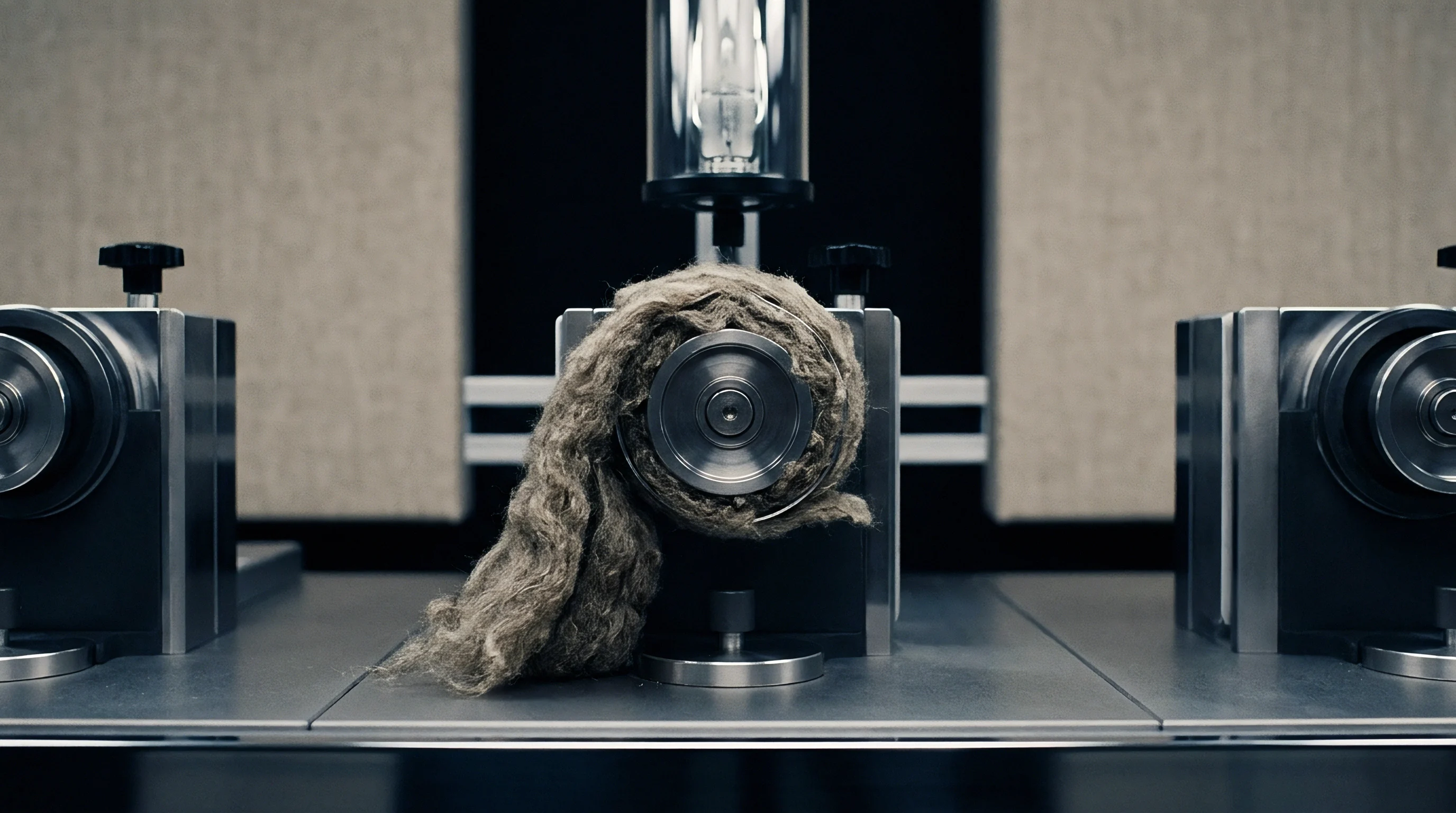
Commercial contracts define acceptable boundaries for mass variations between declared packing lists and laboratory test reports. Discrepancies exceeding contract allowances demand immediate monetary adjustments or joint retesting procedures.
What Commercial Weight Adjustment Applies When Regain Exceeds Specified Limits?
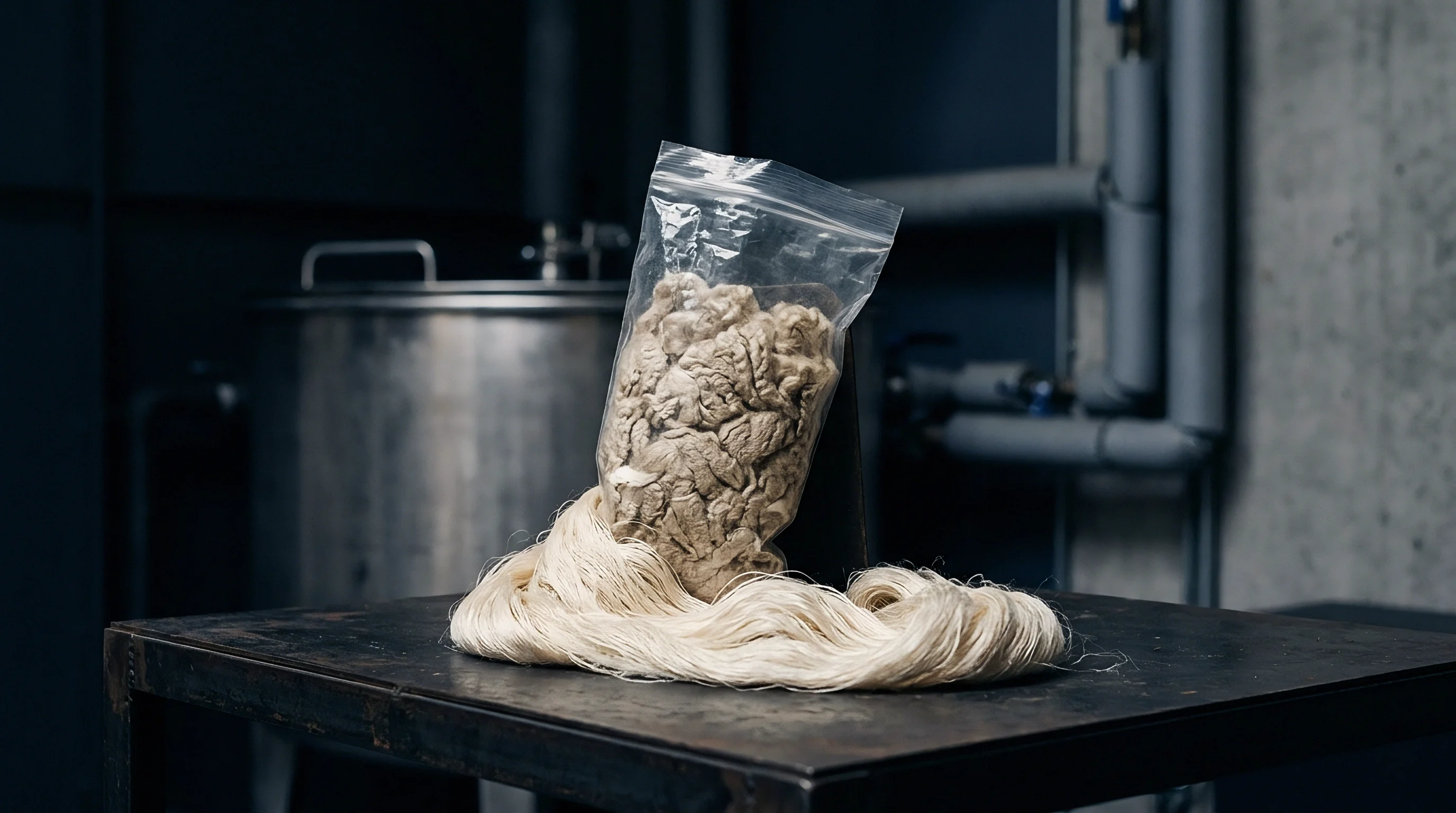
Delivered water weight above contract allowances triggers direct invoice reconciliation. Buyers check laboratory test certificates against supplier packing lists on arrival; if tested commercial weight falls below declared invoice mass by more than the contract tolerance ~ typically 0.5 percent ~ the seller issues a credit note for the shortfall. If tested weight exceeds invoiced mass, the underlying commercial terms dictate whether the buyer pays the surplus or settles strictly against contracted target quantities.
Standard commercial commercial contracts executing under BISFA rules settle mass disputes strictly on oven-dry clean weight plus agreed commercial regain.
Discrepancy Factors in Cross Border Mass Declarations
Differences between origin shipping weights and destination receipt weights stem from uncalibrated scales or unsealed shipping containers. Ambient atmosphere exposure during sampling leads to rapid moisture transfer before laboratory sealing occurs.
- Unsealed Sample Bags allow fast ambient air exchange that alters moisture levels prior to laboratory oven testing.
- Incorrect Temperature Calibration inside drying ovens leaves residual bound water in cellulosic fibers, inflating recorded dry weights.
- Omission of Spin Finish Adjustments treats volatile organic finish oil as evaporated water during thermal desiccation.
- Inadequate Sampling Depth collects wet outer bale layer material while missing drier core fibers inside high-density industrial packs.
Unresolved disputes over container humidity variation leave open the question of whether maritime transport risks belong to sellers or buyers under standard shipping terms.
Certificate
Official test documents detail oven-dry weights, calculated regain, and final commercial mass. Commercial settlement relies entirely on certified data issued by accredited testing facilities.

Essential Laboratory Documentation for Commercial Settlement
Trade invoices require supporting test reports that state initial sample mass, post-drying mass, recorded ambient room temperature, relative humidity during testing, and the applied commercial regain allowances. Valid certificates feature accreditation stamps alongside technician verification signatures to prevent clearance delays and trade disputes.
Bales sampled from the outer wrap carry ambient weather, while core samples carry mill floor history.
| Fibre Classification | ISO 6741-1 Allowance (%) | ASTM D1909 Allowance (%) | BISFA Standard (%) | Commercial Weight Impact per Tonne |
|---|---|---|---|---|
| Viscose Filament | 13.00 | 11.00 | 13.00 | +130.0 kg vs dry mass |
| Industrial Nylon 6 | 5.75 | 4.50 | 5.75 | +57.5 kg vs dry mass |
| Polyester Filament | 1.50 | 0.40 | 1.50 | +15.0 kg vs dry mass |
| Acrylic Staple | 2.00 | 1.50 | 2.00 | +20.0 kg vs dry mass |
Commercial Regain Schedules under Recognized Standards
International standards institutes publish official regain tables for pure and blended technical materials. Standard regain figures vary slightly across regional bodies. Sourcing contracts explicitly identify the governing standard to prevent legal ambiguity during price reconciliations.
- Governing Testing Standard identifies ISO 6741, ASTM D1909, or BISFA protocols as the arbitrating authority.
- Sampling Frequency Rules mandate drawing minimum core sample quantities per container lot size.
- Tolerance Threshold Limits define permissible mass deviation margins before invoice adjustments take effect.
Standard purchase agreements incorporate ISO 6741 clause 4.2 to enforce commercial weight adjustments whenever moisture determination returns results differing from invoice declarations.

Settlement
Financial adjustment between buyer and seller reconciles physical shipment weight with contracted commercial mass. Commercial invoices updated with verified regain numbers prevent overpayment for atmospheric water absorbed during storage and shipping.
Reconciling Invoiced Mass against Landed Commercial Weight
Destination receiving docks record gross mass before drawing representative moisture core samples. Independent laboratories process core samples through oven-drying sequences to establish net dry polymer weights. Sourcing managers feed dry weight data into standard commercial regain equations to yield final landed commercial mass.
Financial accounting teams compare landed commercial mass against original supplier billing statements. When calculated mass falls below billed mass, financial reconciliation procedures initiate immediate debit notes against supplier accounts.
Contractual Provisions for Retesting and Dispute Resolution
Disagreements regarding lot mass trigger formal joint retesting protocols at accredited secondary laboratories. Retesting protocols require drawing sealed reserve samples held from initial dock sampling sequences. Secondary test results bind both commercial parties to final invoice recalculations.
Standard trade contracts mandate that losing parties cover analytical testing expenses incurred during dispute retests. Clean documentation trails verifying sample chain of custody secure swift financial resolution across international trade boundaries.