Regenerated Fiber
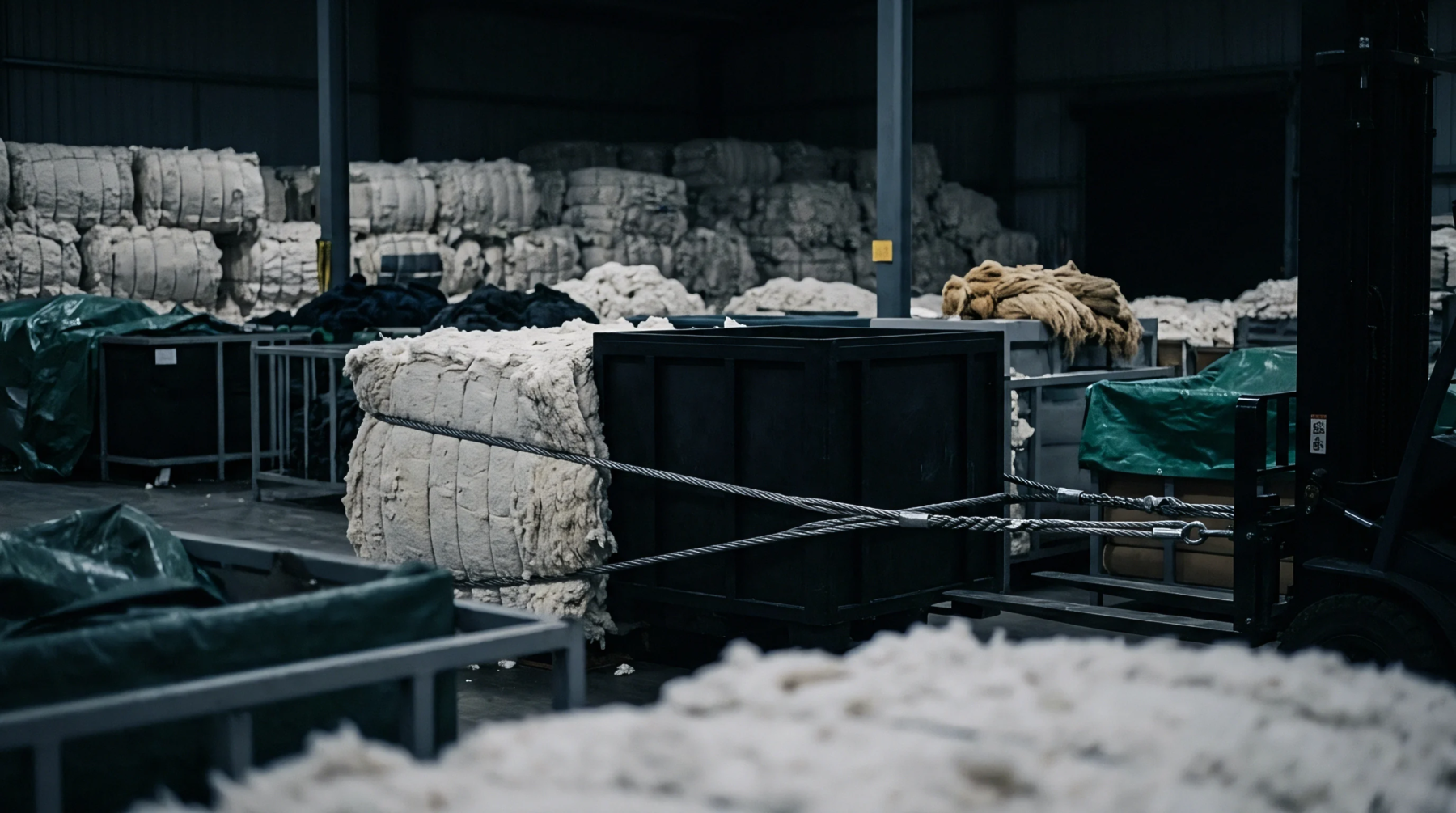
Chemical processing is used to turn wood pulp into a usable textile strand through a series of solvent baths. Viscose rayon is known for its silky drape and high moisture absorbency which makes it comfortable for warm weather clothing. Because it starts from natural cellulose, it shares many physical properties with cotton but is much smoother.
Industrial Cycle
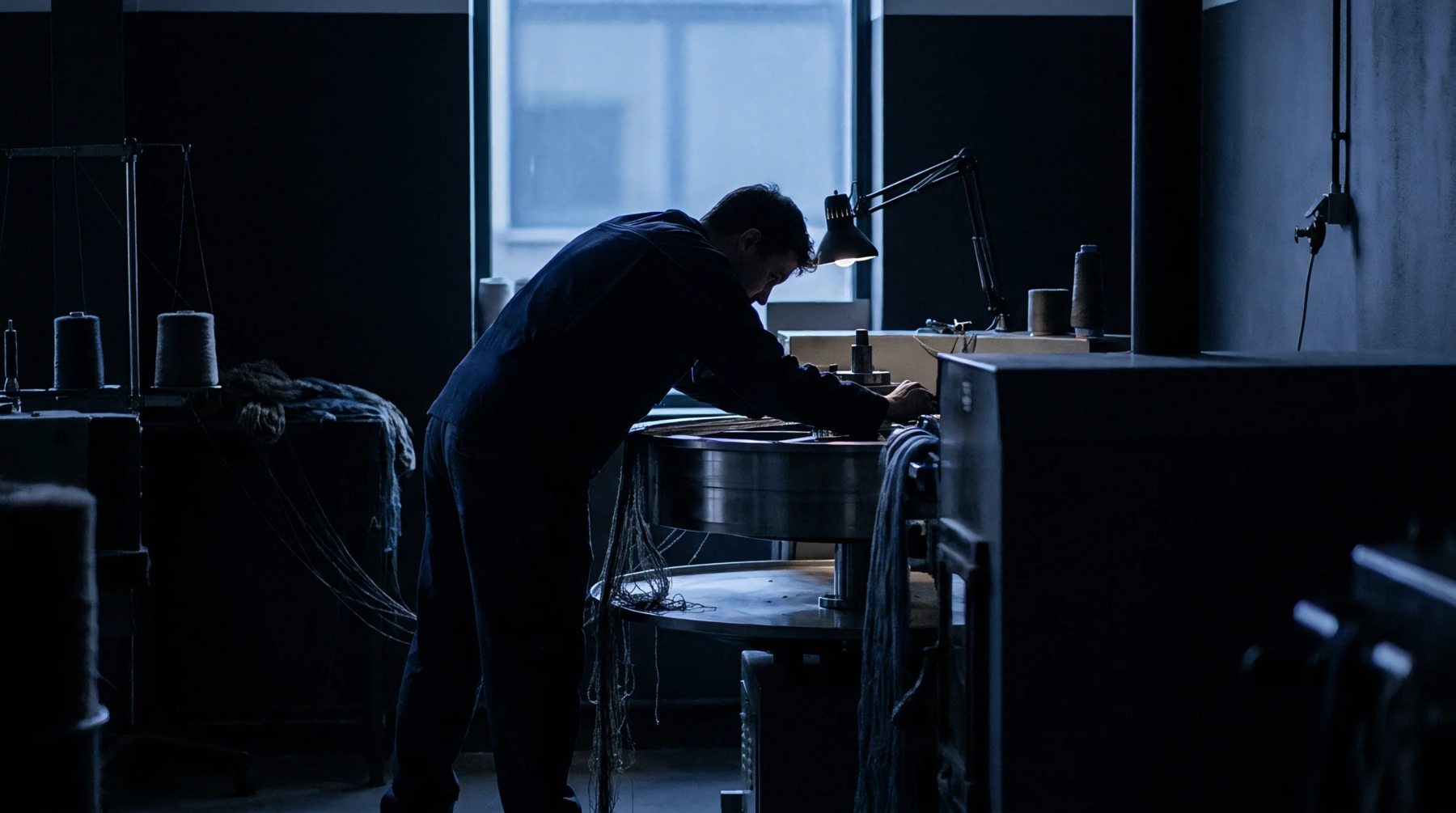
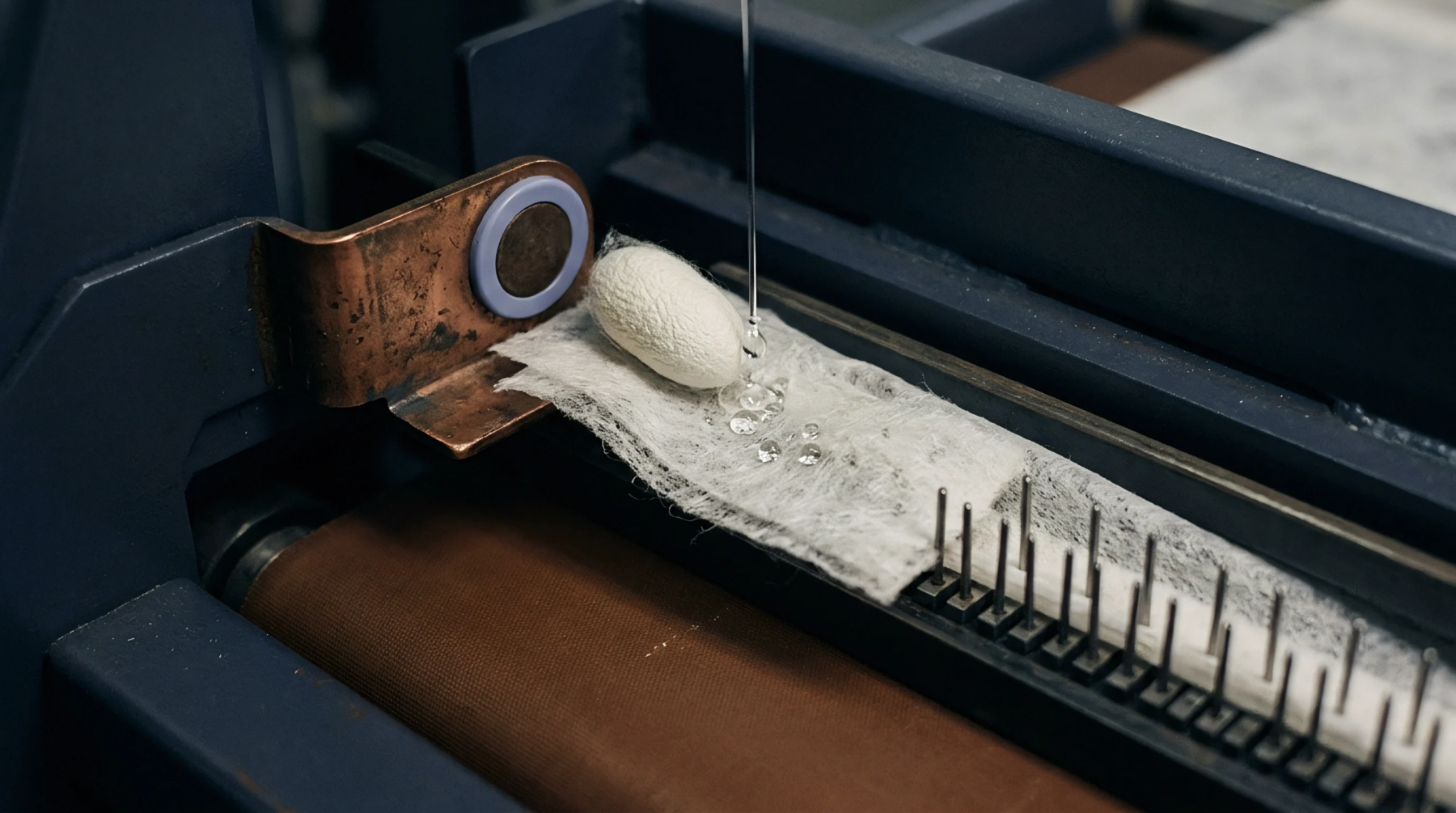
Production involves dissolving the initial pulp in caustic soda and carbon disulfide to create a thick amber liquid. This liquid is then forced through a spinneret into an acid bath to harden it back into a solid thread of viscose rayon. The process allows for the creation of uniform diameters that are hard to find in harvested crops.
Performance Limit
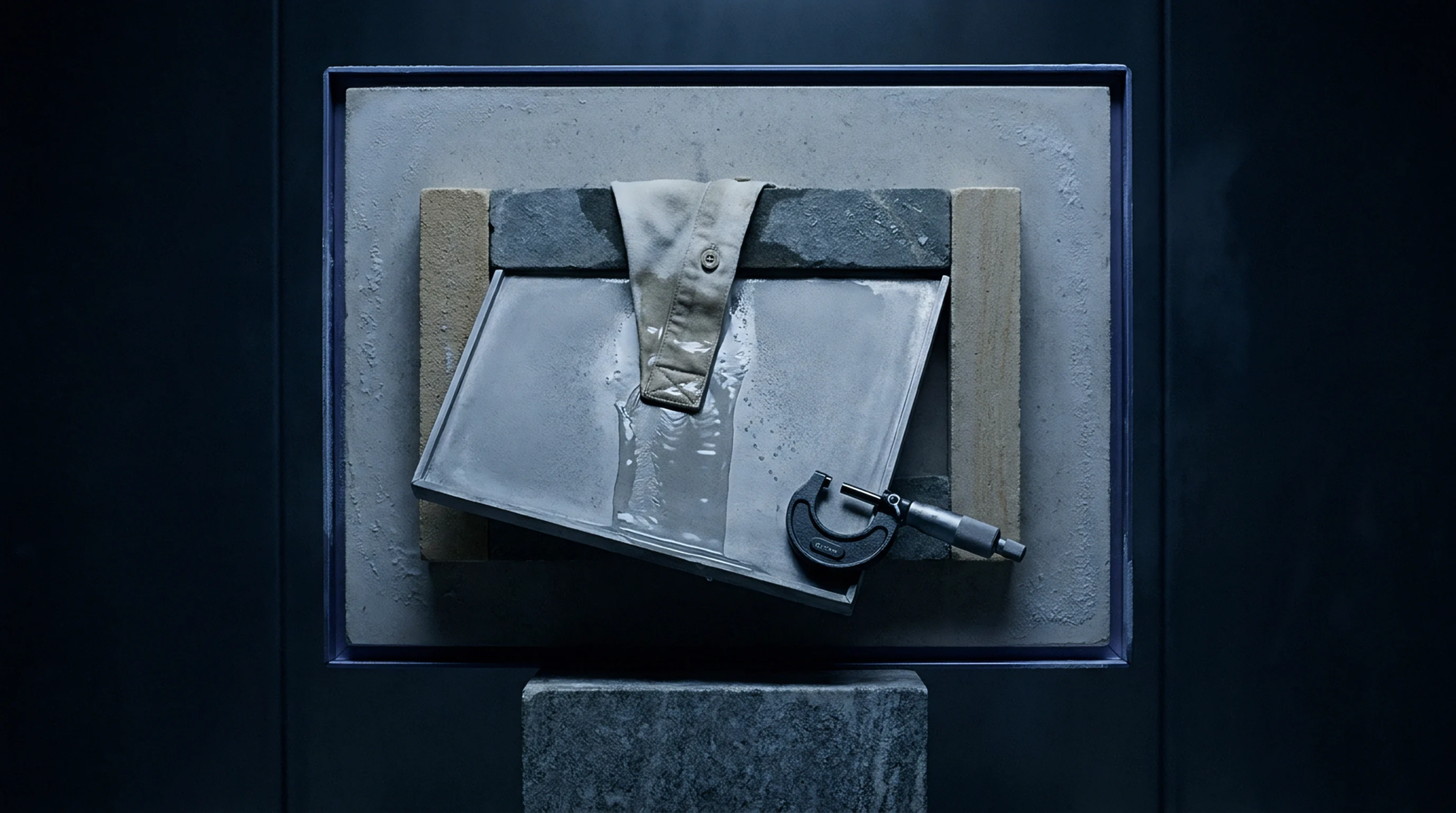
Loss of strength occurs immediately when the material becomes wet. A viscose rayon thread can lose up to half its tensile capacity after it is submerged in water, which limits its use in industrial gear. Care must be taken during the dyeing and drying stages to avoid stretching the fabric while it is in this weak state.
Trade Position
Manufacturers often blend this material with polyester to combine comfort with durability. Since viscose rayon is cheaper to produce than many high tech synthetics, it remains a common choice for linings and everyday fashion. Its reliance on wood sources links its sustainability profile to the management of managed forests.