Production Origin
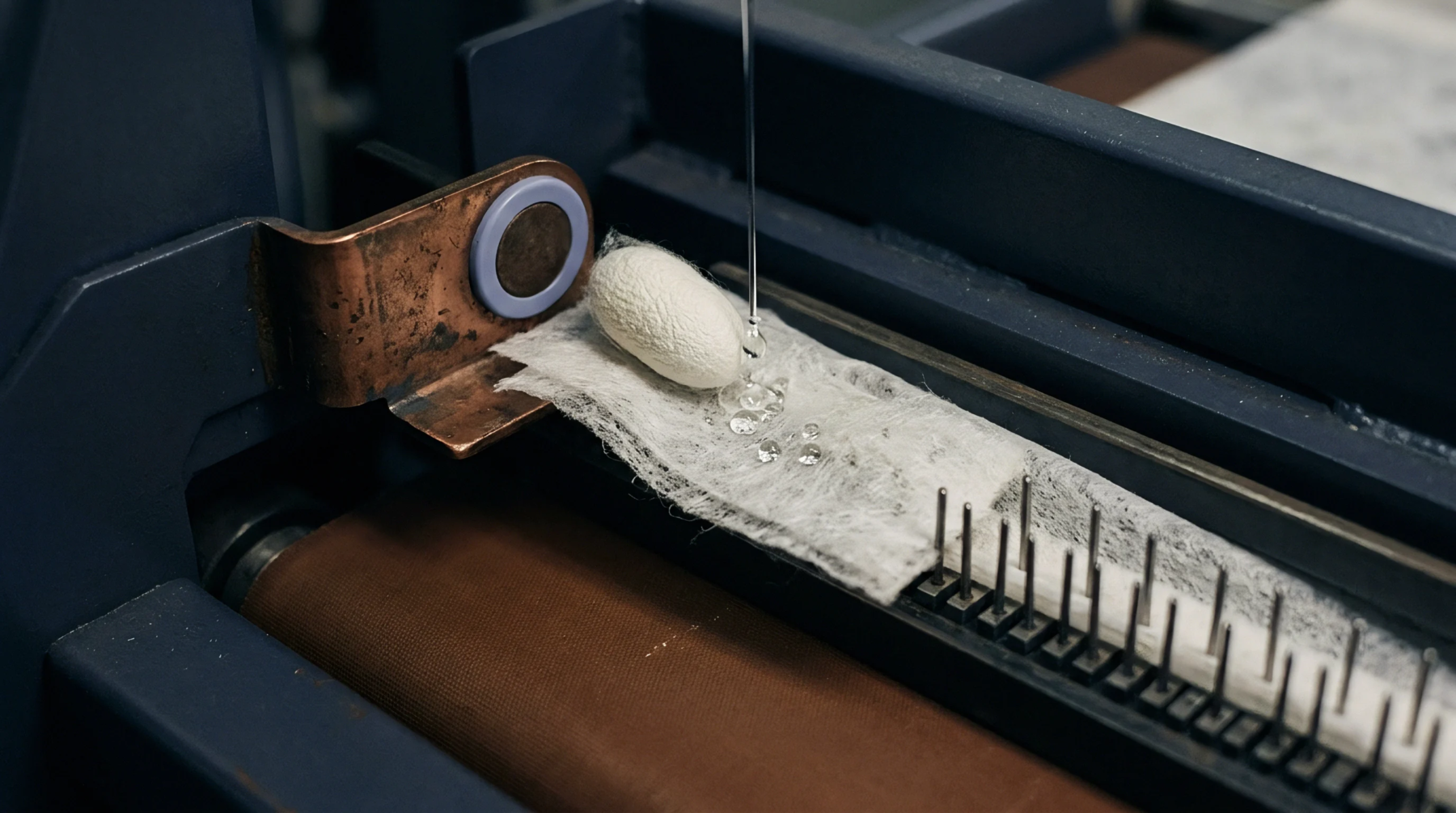
Manmade fibre morphology defines this material group, which relies on the chemical dissolution and subsequent extrusion of natural plant polymers to create continuous filaments. Producers of regenerated cellulose utilize wood pulp or cotton linters as a feedstock for the extraction of pure cellulose chains. Solvent systems convert the solid mass into a viscous liquid known as dope before it passes through spinnerets into a coagulating bath.
Precipitation occurs upon contact with the bath liquid, turning the stream into solid filaments that harden into high purity strands. Manufacturers control the properties of the resulting yarn by adjusting the speed of extrusion and the composition of the chemical bath. This chemical cycle allows for the creation of fibres with uniform length and consistent diameter, which eliminates the variability found in natural staples.
Material Properties
High moisture regain remains a primary characteristic of regenerated cellulose, allowing the fibre to absorb liquid without feeling wet to the touch. The internal structure lacks the crystalline order of cotton, which reduces the overall tensile strength when saturated. Water molecules penetrate the polymer network and push the chains apart, causing the fibre to swell and lose rigidity.
Finished goods produced from this material possess excellent drape and a smooth texture that appeals to designers of light apparel. Testing confirms that the material provides high breathability and thermal comfort in warm environments. Dye uptake rates rank among the highest of all manmade fibres because the open structure allows pigments to lodge deep within the core.
Processing Limits
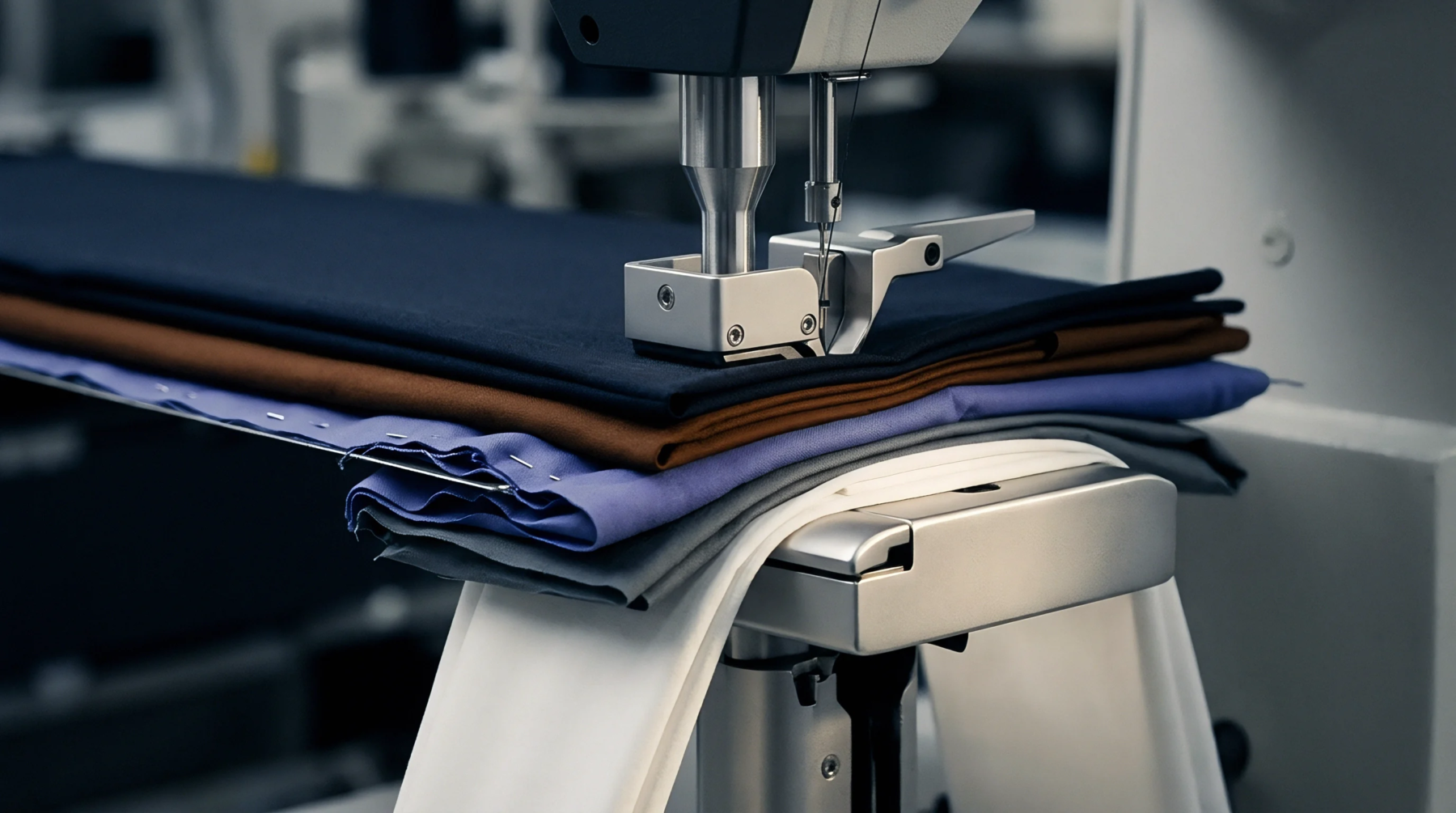
Chemical treatment during the spinning process introduces environmental constraints that force mills to invest in closed loop recovery systems. Solvent recovery prevents hazardous discharge into local water supplies and lowers the total cost of solvent procurement. Machines running this fibre require precise tension controls because the filaments stretch easily under physical stress.
Managers monitor the air humidity in the facility to ensure the material maintains a stable moisture content before final winding. If the air becomes too dry, the yarn develops static charges that disrupt consistent fabric formation on high speed looms.
Verified Standards
Industry specifications categorize these filaments by their degree of polymerization and their residual sulfur content if produced through the xanthate route. Quality control laboratories check the uniformity of the diameter by measuring the denier across a fixed sample length of ten thousand meters. Discrepancies between the predicted and actual wet strength provide the basis for rejection in contract manufacturing agreements.
Buyers demand specific reports on the tenacity of the yarn after dyeing to verify that the chemistry did not compromise structural integrity. Each batch carries a certificate of analysis detailing the chemical purity and the breakdown of metallic trace elements. Lab technicians assess the tenacity by stretching the fibre until failure occurs under controlled conditions of temperature and humidity.
Consistent quality in the final fabric depends on the removal of all chemical precursors during the final washing and rinsing stages.