Chemical Solvent
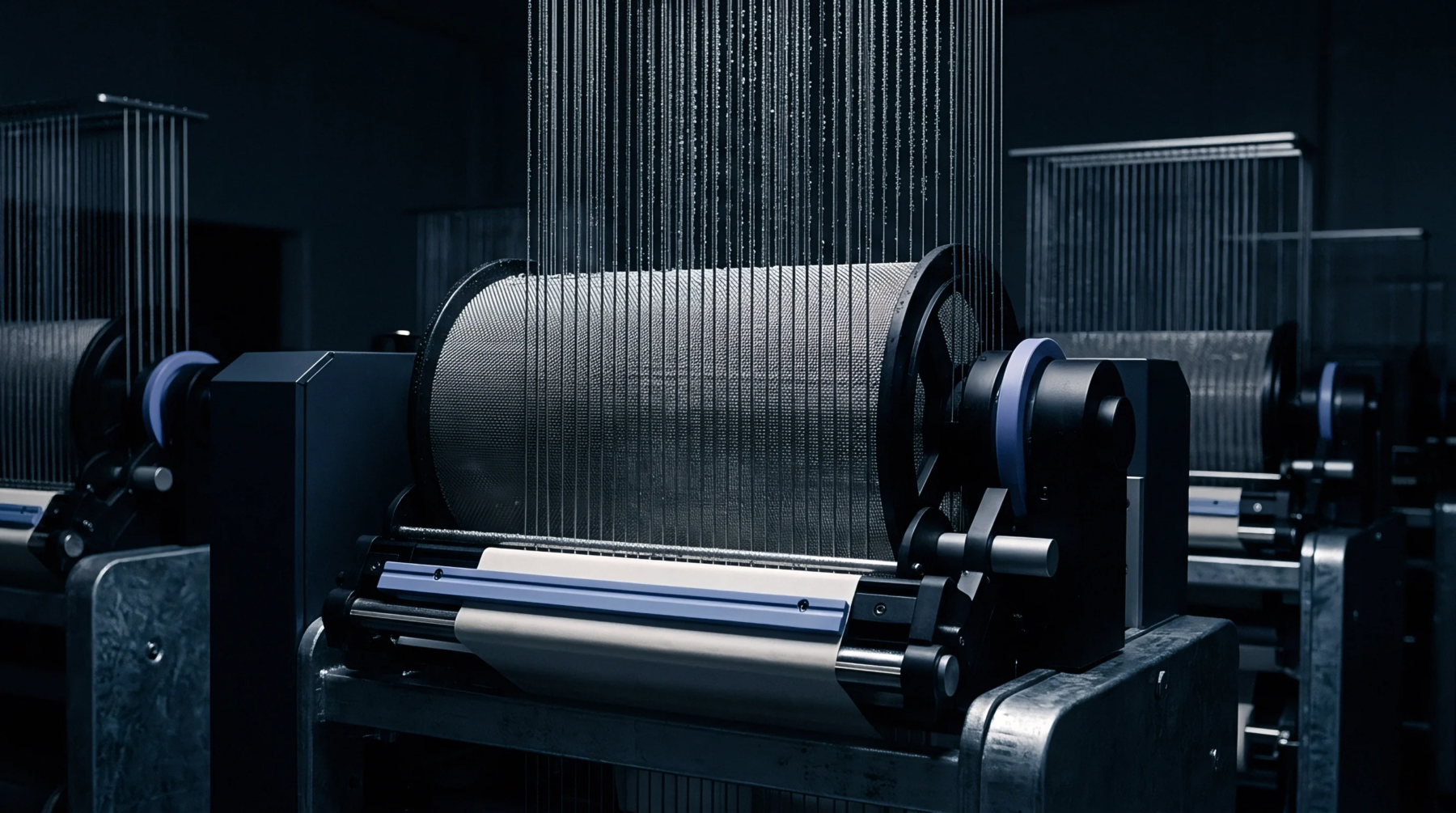
Molten salts consisting entirely of paired cations and anions melt below one hundred degrees Celsius. Textile spinning operations utilize ionic liquid formulations to dissolve natural polymers like cellulose and chitin for fiber extrusion. Non-volatile character and tunable solubility make these salts effective alternatives to traditional volatile organic solvents.
Dissolution Dynamics
Hydrogen bond disruption occurs when targeted organic cations interact with the hydroxyl network of the cellulosic substrate. Low vapour pressure reduces atmospheric emissions during high-temperature polymer dissolution. High viscosity at room temperature requires elevated processing temperatures to achieve flow characteristics necessary for continuous fiber extrusion.
Thermal Stability
Decomposition temperatures determine the upper boundary of safe solvent recycling in continuous closed-loop spinning systems. Thermal stress above critical limits causes anion degradation, generating dark impurities that stain the spun filaments. Water content acts as a strong anti-solvent, where small amounts reduce polymer solubility and cause early coagulation in wet spinning lines.
Monitoring water contamination levels ensures stable solvent strength throughout long production runs. Solvent recycling loops utilize evaporation and membrane separation to restore solvent purity before returning the salt to the dissolution vessel.
Recovery Standard
Commercial viability depends on maintaining solvent recovery rates above ninety-nine percent across consecutive extrusion cycles. High recovery efficiency reduces operational costs and prevents chemical contamination of regenerated cellulose fibers.