Arbitrating Commercial Mass Discrepancies Caused by Hysteresis in Maritime Viscose Blend Transport
Commercial mass arbitration of maritime viscose transport converts scale weights to oven-dry fiber mass under ISO 6741 using official regain factors.


Hold
Commercial mass discrepancies in ocean-freighted regenerated cellulose yarns and fabrics originate inside sealed containers during transit. As cargo moves across climate zones, relative humidity within the container fluctuates between 45 percent and 95 percent. Regenerated cellulose fibers like viscose rayon readily absorb and release moisture because of their open amorphous structure and abundant free hydroxyl groups.
Consequently, a shipment loaded in high-humidity tropical ports often arrives with a physical mass that deviates significantly from origin bill of lading weights. Buyers inspecting sealed containers at discharge frequently find weight deficits exceeding 3 percent, triggering immediate payment disputes and customs valuation holds.

Maritime Microclimates and Cargo Moisture Dynamics
Internal temperature and vapor pressure gradients inside ocean vessel holds are driven by sea surface temperatures and deck heating. Cargo packed at 65 percent relative humidity and 20 degrees Celsius holds a specific moisture balance, but crossing warm equatorial waters heats container walls and drives moisture out of outer packaging into the internal air. When the ship moves into cooler northern latitudes, this airborne moisture condenses on the container ceiling ~ a phenomenon known as container rain ~ and drips back unevenly onto top-tier bales.
The resulting moisture redistribution creates localized mass gains alongside net mass losses through the core of the shipment.
Discrepancies in bill of lading weights frequently reflect moisture sorption dynamics across climate zones rather than physical loss of cargo.
These discrepancies escalate on voyages exceeding twenty-one days. Container seals keep out liquid water, but atmospheric water vapor continuously passes through door gaskets over long transport windows. The rate of migration depends on packing density, bale wrapping permeability, and shifts in atmospheric pressure.

Transit Vapor Pressures across Equatorial Ocean Routes
Vessel routing across variable climate zones subjects fiber packages to severe vapor pressure differentials. The following atmospheric mechanisms drive moisture exchange inside sealed shipping units:
- Equatorial Solar Heating increases internal air temperature and drives moisture desorption from outer packaging layers.
- Diurnal Temperature Cycling creates repeating condensation cycles along uninsulated container ceilings.
- High Humidity Ingress occurs through container breather holes during sharp ambient temperature drops.
- Bale Core Thermal Lag causes inner yarn packages to retain origin temperature while surface layers adjust to ambient vessel conditions.
Destination mass deficits are often attributed to temporary moisture shifts inside shipping containers that reverse once goods settle in destination warehouses.
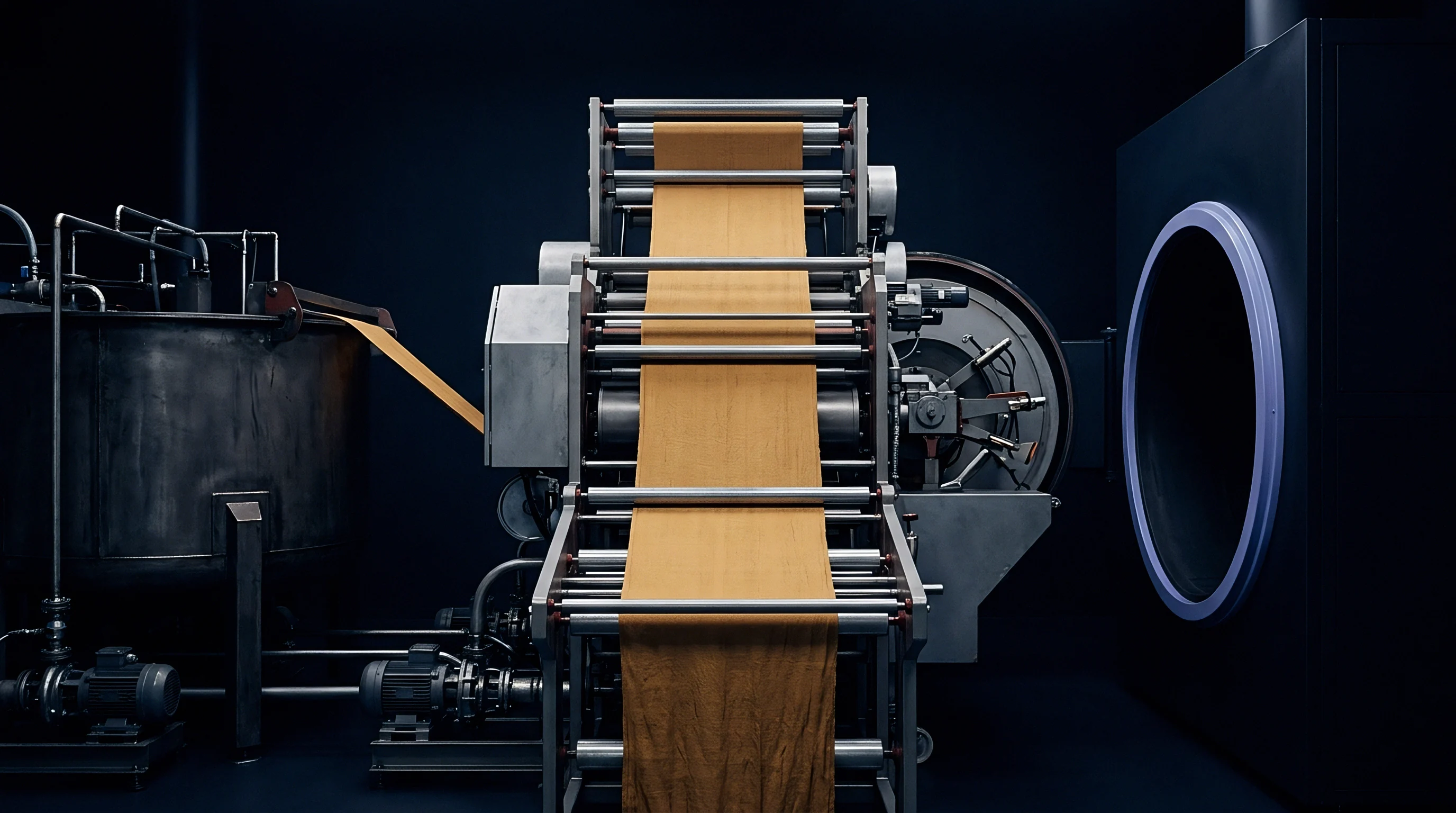

Isotherm
Moisture absorption and desorption in regenerated cellulosic fibers follow distinct thermodynamic paths, and the separation between these equilibrium curves defines hysteresis. When viscose fiber absorbs water from a bone-dry state, it follows the absorption boundary curve; when saturated fiber releases water, it follows the desorption curve. At any given relative humidity, moisture content on the desorption path remains higher than on the absorption path.
Because of this structural hysteresis, two identical fiber samples at the same ambient relative humidity can carry different physical masses depending on their moisture history.

Regenerated Cellulose Sorption and Desorption Mechanics
Regenerated cellulosic structures have a lower degree of crystallinity than natural cotton. Viscose rayon typically exhibits a crystallinity ratio near 35 percent to 40 percent, leaving 60 percent to 65 percent of the polymer chain matrix accessible to water molecules. Hydroxyl groups in these amorphous regions bind atmospheric moisture through hydrogen bonding.
As water enters empty inter-polymeric spaces during absorption, the fiber cross-section swells by up to 25 percent. During desorption, capillary forces and hydrogen bonds retain water molecules inside the collapsing cellulosic network, delaying moisture release.
Viscose fiber that absorbs moisture during humid ocean transit releases that water far slower when dried under ambient discharge conditions.
In blended yarns, component ratios dictate the overall hysteresis loop area. Synthetic non-hygroscopic fibers like polyester do not retain moisture within their polymer matrix and carry a commercial regain allowance of only 0.4 percent. When viscose is blended with polyester, total water retention depends almost entirely on the cellulosic fraction.
Cotton, with higher crystallinity near 70 percent, carries a standard regain of 8.5 percent, producing a multi-phase moisture response when combined with viscose.

Hysteresis Loops in Binary Fiber Combinations
Evaluating mass discrepancies requires comparing equilibrium moisture regain values across absorption and desorption states for common textile combinations. The data below illustrates moisture content percentages at 20 degrees Celsius across varying relative humidity levels.
| Fiber Composition | Sorption State | 30% RH | 50% RH | 65% RH (Standard) | 80% RH | 90% RH |
|---|---|---|---|---|---|---|
| 100% Viscose Rayon | Absorption | 6.2% | 9.4% | 12.5% | 16.8% | 21.5% |
| 100% Viscose Rayon | Desorption | 7.8% | 11.2% | 14.3% | 18.9% | 24.1% |
| 70% Viscose / 30% Polyester | Absorption | 4.4% | 6.6% | 8.8% | 11.8% | 15.1% |
| 70% Viscose / 30% Polyester | Desorption | 5.5% | 7.9% | 10.1% | 13.3% | 17.0% |
| 50% Viscose / 50% Cotton | Absorption | 5.1% | 7.6% | 10.2% | 13.8% | 17.5% |
| 50% Viscose / 50% Cotton | Desorption | 6.4% | 9.0% | 11.7% | 15.4% | 19.6% |
At standard testing conditions of 65 percent relative humidity, a 100 percent viscose fiber cargo arriving from a high-humidity voyage retains 14.3 percent moisture under desorption, whereas origin baseline testing under absorption recorded 12.5 percent. Hysteresis alone accounts for a 1.8 percent physical mass divergence without any structural alteration of the fiber matrix.
Drying wet cellulosic material always leaves residual bound water unless temperatures exceed thermal desorption thresholds.

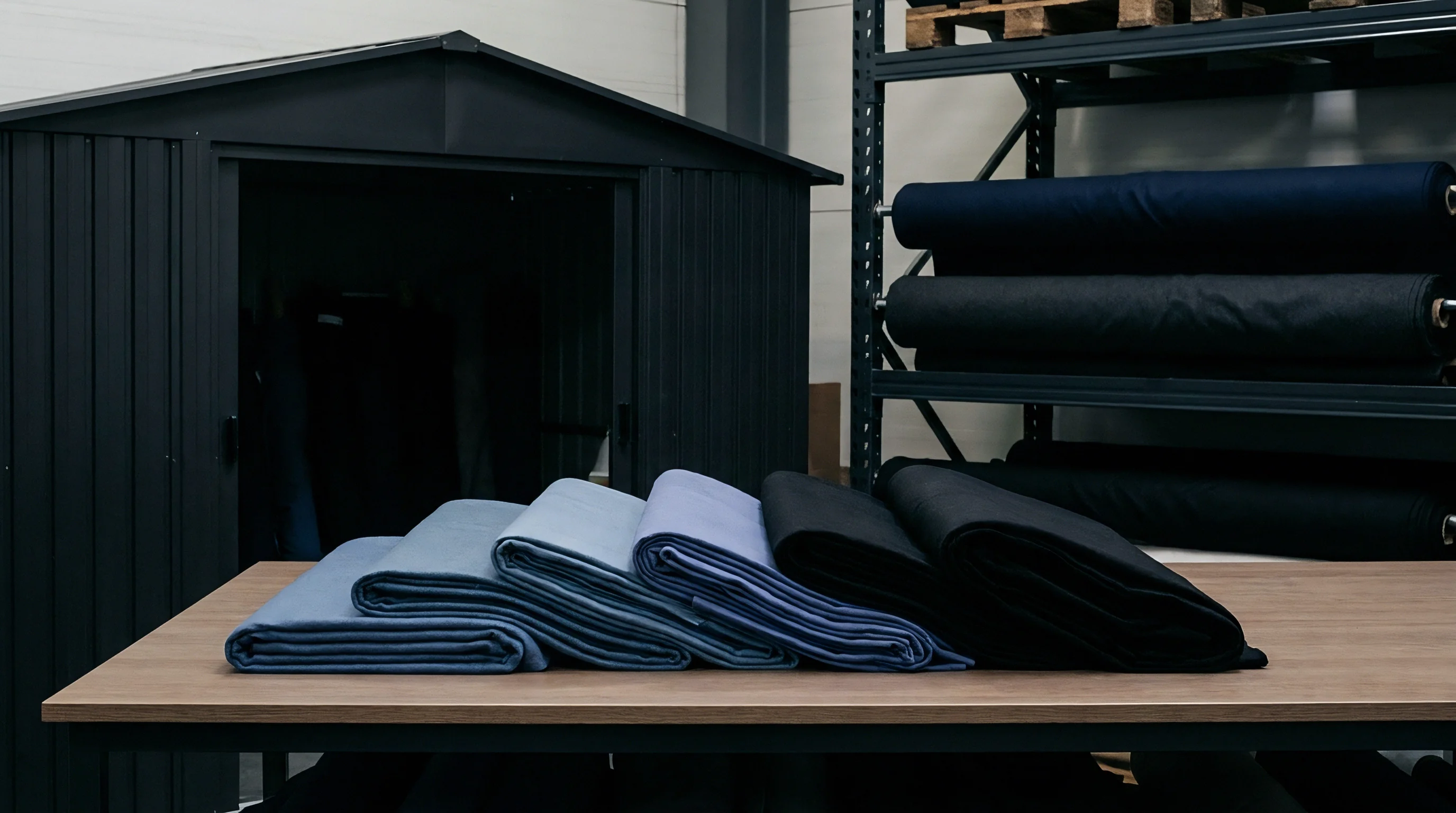
Measurement
Determining official commercial mass eliminates environmental moisture fluctuations by converting physical scale weights to oven-dry fiber mass. In trade practice, invoicing goods based on raw container weigh-ins introduces severe financial risk, which is why international standards establish official regain rates for commercial billing. Pure viscose carries an official standard moisture regain allowance of 13.0 percent under international commercial conventions, while polyester carries an allowance of 0.4 percent and cotton carries 8.5 percent.
When billing blended fibers, calculations apply a weighted average regain factor derived from the certified blend ratio.

Oven-Dry Mass Testing and Commercial Allowances
Laboratory verification requires drying representative fiber samples to absolute dry mass in ventilated ovens held at 105 degrees Celsius plus or minus 2 degrees. Drying continues until successive weighings at fifteen-minute intervals show less than 0.05 percent mass variation, establishing the true dry fiber mass. Adding the official standard commercial regain percentage to this dry mass yields the official commercial mass, making physical moisture content at the moment of weighing irrelevant to the commercial invoice total.
ISO 6741 Part 1 specifies that commercial mass arbitration applies official moisture regain values to oven-dry fiber mass rather than physical container weights at discharge.
Sampling accuracy determines arbitration outcomes. Drawing samples from external package surfaces yields invalid moisture readings because of atmospheric exposure when unsealing containers, so inspectors extract core samples from deep inside compressed bales using specialized core drills.

Which Test Standard Prevails When Outturn Mass Disagrees?
When destination outturn weighments conflict with origin bill of lading figures, trade contracts dictate the applicable analytical method. The following procedural sequence defines the standard laboratory protocol for resolving mass disputes under ISO 6741:
- Isolate target container bales immediately upon devanning and record gross physical weighments on calibrated industrial scales.
- Extract minimum twenty core samples across diverse package positions to assemble a composite laboratory gross sample exceeding 500 grams.
- Seal core specimens inside airtight aluminum containers to prevent ambient moisture exchange during transit to the testing facility.
- Weigh laboratory specimens in their as-received state to establish initial field moisture content before thermal exposure.
- Expose specimens to continuous forced hot air at 105 degrees Celsius until mass stabilization reaches steady-state baseline parameters.
- Calculate the net oven-dry fiber mass by subtracting container tare and residual lubricant weight fractions.
- Apply contractually mandated official commercial moisture regain percentages to derive the final arbitrated commercial mass figure.
Standard trading contracts incorporating ISO 6741 Clause 4.2 mandate that invoice adjustments execute solely on verified oven-dry mass calculations, overriding all physical outturn weighment claims exceeding agreed tolerance bands.
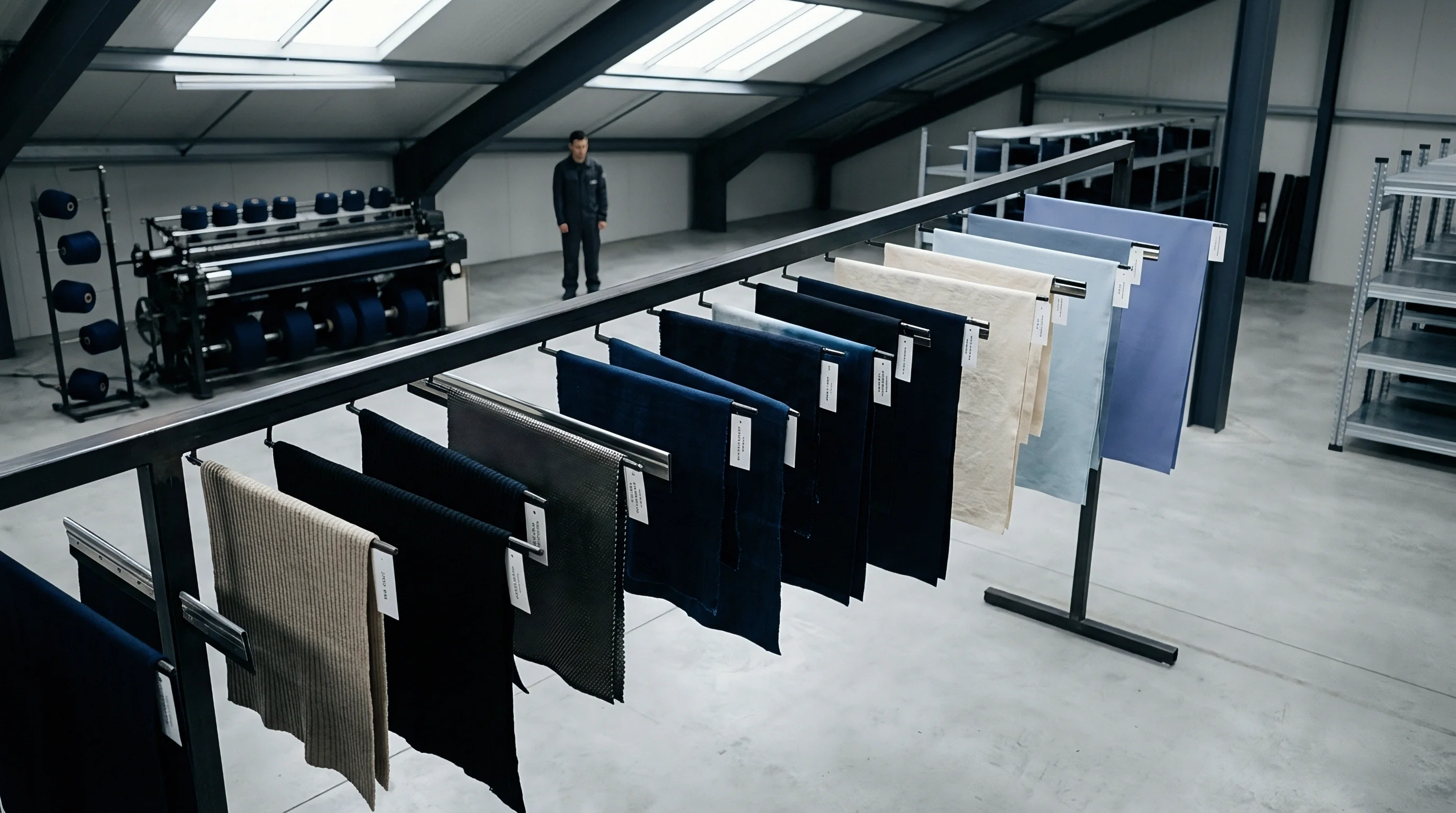

Discharge
Arrival weighments at destination terminals present the first point of friction in maritime textile supply chains. Port weighbridges operate under varying environmental controls and legal metrology standards. Devanning containerized cargo in high-humidity port environments instantly exposes conditioned yarns to ambient moisture absorption; a container opened during heavy rain or fog shows immediate weight gains on gross terminal scales, obscuring actual fiber mass.
Conversely, cargo devanned in dry desert conditions rapidly loses surface moisture before reaching warehouse scales.

Destination Port Weighment Procedures and Scale Calibration
Terminal scale accuracy controls initial discrepancy reporting. Commercial weighbridges carry certified tolerance thresholds typically calibrated to plus or minus 0.5 percent of total gross vehicle mass. On a 40-foot container carrying 20,000 kilograms of yarn, weighbridge tolerance alone introduces a 100-kilogram uncertainty margin.
Port weighment certificates that record gross vehicle weight minus tractor tare weight compound these errors due to fuel level variations and driver presence on the scale.
Port terminal weighments provide preliminary operational indicators rather than legally binding commercial fiber mass determinations.
Devanning delays exacerbate mass variances. When containers sit on hot port docks for days awaiting customs clearance, internal temperatures climb above 50 degrees Celsius. This extreme thermal stress bakes interior packages, driving moisture into outer corrugated packaging boxes and floor skids.
Upon unsealing, moisture escapes into ambient air, producing an artificial net weight deficit on warehouse arrival scales.
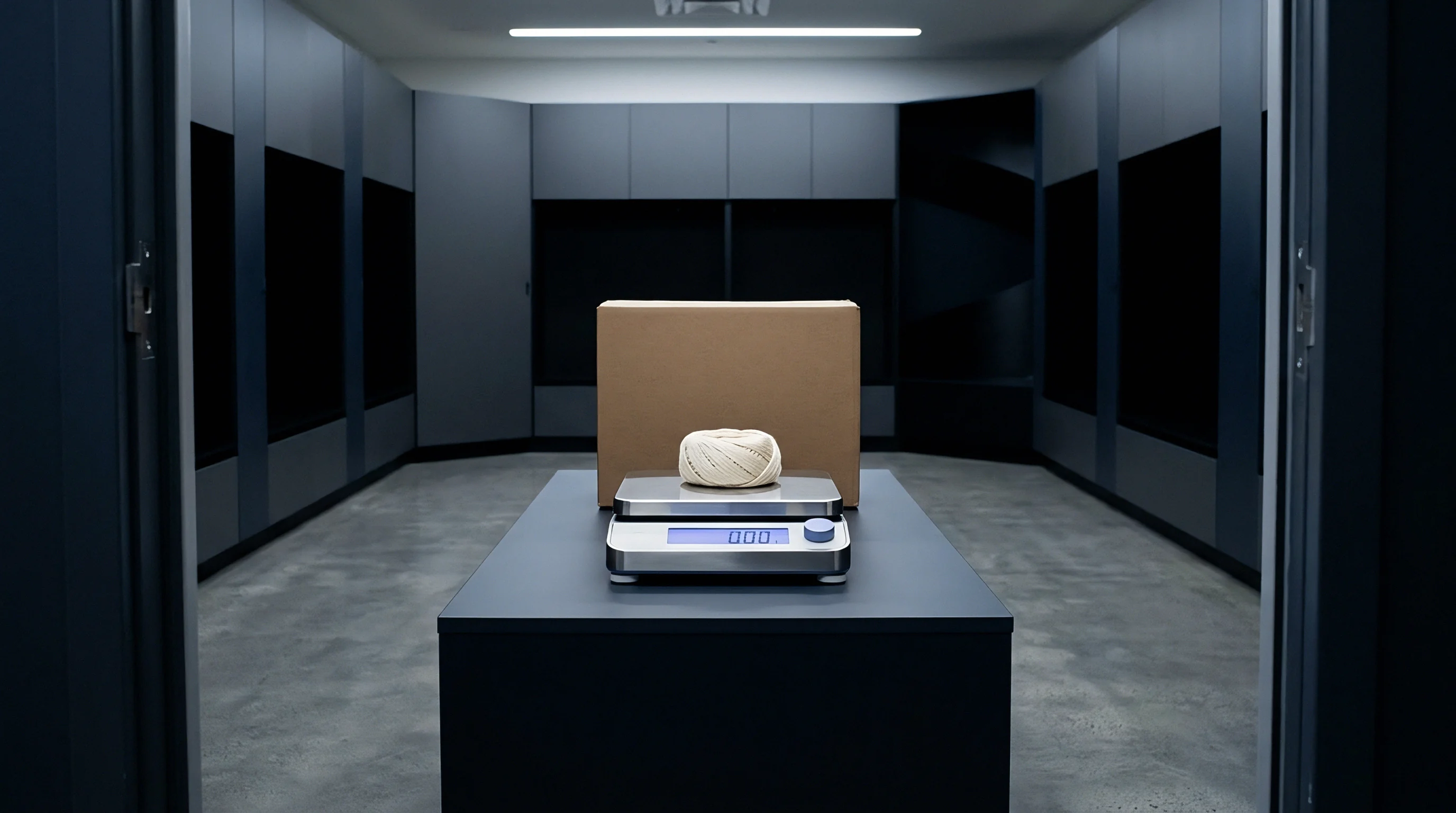
Environmental Conditioning Deficits at Port Devanning
Customs authorities and commercial parties evaluate mass discrepancies against trade threshold standards. The table below outlines operational discrepancy triggers across primary trade channels and regulatory frameworks.
| Trade Route Corridor | Standard Regain Baseline | Allowable Mass Tolerance | Discrepancy Action Trigger | Customs Impact Risk |
|---|---|---|---|---|
| South East Asia to North Europe | 13.0% (Viscose Component) | +/- 1.0% Gross Mass | 1.5% Variance | Duty Re-assessment |
| East Asia to US West Coast | 13.0% (Viscose Component) | +/- 0.8% Gross Mass | 1.2% Variance | Manifest Penalty |
| South Asia to Mediterranean | 13.0% (Viscose Component) | +/- 1.0% Gross Mass | 1.5% Variance | Origin Audit Trigger |
| Intra-Asian Coastal Maritime | 13.0% (Viscose Component) | +/- 0.5% Gross Mass | 1.0% Variance | Commercial Retest |
Neglecting environmental conditioning during destination outturn testing leads buyers to issue unjustified financial debits, destroying supplier relationships and incurring thousands of dollars in unnecessary re-testing fees.


Reconciliation
Settling commercial weight claims requires financial adjustment formulas that factor hysteresis effects into raw outturn mass. When physical outturn mass drops below bill of lading mass, disputes arise over whether shortages reflect missing material or moisture desorption during ocean transport. Resolving these claims requires converting physical scale mass to standard commercial mass through laboratory oven-dry verification.
Arbitration Arithmetic for Mass Variance Claims
Consider a representative commercial transaction involving a 40,000 kilogram contract lot of 70 percent viscose rayon and 30 percent polyester spun yarn. At origin loading, laboratory analysis establishes an actual moisture content of 12.0 percent for the viscose component and 0.4 percent for the polyester component. The combined origin actual moisture content equals 8.52 percent, calculated as 0.70 multiplied by 12.0 percent plus 0.30 multiplied by 0.4 percent.
The gross physical shipment weight at loading reads exactly 40,000 kilograms. The net dry fiber mass at origin equals 36,859.56 kilograms.
Commercial mass arbitration relies on converting physical outturn weights into standardized oven-dry fiber masses using certified regain allowances.
Official commercial regain allowances dictate commercial billable mass. Viscose carries an official commercial regain allowance of 13.0 percent. Polyester carries an official regain allowance of 0.4 percent.
The official weighted commercial regain factor for a 70/30 viscose/polyester mixture equals 9.22 percent, calculated as 0.70 multiplied by 13.0 percent plus 0.30 multiplied by 0.4 percent. Applying this 9.22 percent commercial regain factor to the origin net dry mass of 36,859.56 kilograms yields an official billable commercial mass of 40,258.01 kilograms. The seller properly invoiced for 40,258.01 kilograms.
Upon ocean transport across tropical routes, atmospheric desorption reduces physical outturn weight at destination port to 38,800 kilograms. The buyer weighs the container, observes a 1,200 kilogram physical mass deficit compared to bill of lading gross weight, and files a commercial claim for a 3.0 percent shortage valued at prevailing yarn market rates.
Arbitration begins by drawing representative core samples at destination port and performing oven-dry testing according to ISO 6741. Laboratory oven-dry testing reveals that the 38,800 kilogram outturn cargo contains a net oven-dry fiber mass of 35,925.93 kilograms. The remaining 2,874.07 kilograms represents physical water weight.
The actual destination moisture content equals 8.00 percent.
The discrepancy reveals two distinct loss components: physical fiber loss and moisture loss. Calculate true fiber loss by comparing origin net dry fiber mass against destination net dry fiber mass:
- Origin Net Dry Fiber Mass equals 36,859.56 kilograms as determined by loading verification.
- Destination Net Dry Fiber Mass measures 35,925.93 kilograms as determined by destination oven-dry testing.
- Net Fiber Loss total reaches 933.63 kilograms of absolute dry fiber, representing a 2.53 percent physical fiber loss.
- Moisture Content Desorption Shift represents the remaining 266.37 kilograms of physical mass variance.

Commercial Yield Adjustment and Financial Settlement
To determine the arbitrated commercial settlement, calculate the destination official commercial mass by applying the official weighted commercial regain factor of 9.22 percent to the destination net dry fiber mass of 35,925.93 kilograms. The destination commercial mass equals 39,238.30 kilograms, calculated as 35,925.93 multiplied by 1.0922. Subtracting destination commercial mass from origin invoiced commercial mass yields a net short-shipment figure of 1,019.71 kilograms.
The buyer’s initial claim of a 1,200 kilogram shortage overstates actual commercial loss by 180.29 kilograms. That 180.29 kilogram variance represents non-billable moisture desorption during transit. The seller pays financial compensation solely on the verified 1,019.71 kilogram commercial mass deficit.
| Parameter Stage | Physical Scale Mass | Measured Moisture % | Net Dry Fiber Mass | Commercial Regain % | Official Commercial Mass |
|---|---|---|---|---|---|
| Origin Bill of Lading | 40,000.00 kg | 8.52% | 36,859.56 kg | 9.22% | 40,258.01 kg |
| Destination Scale Unloading | 38,800.00 kg | 8.00% | 35,925.93 kg | 9.22% | 39,238.30 kg |
| Arbitrated Variance Delta | -1,200.00 kg | -0.52% | -933.63 kg | 0.00% | -1,019.71 kg |
| Calculations derived using ISO 6741 moisture regain allowances: Viscose 13.0%, Polyester 0.4%. | |||||
Whether commercial contracts should mandate mandatory origin humidity pre-conditioning to prevent maritime moisture desorption remains an open trade debate across international spinning federations.


Clause
Commercial contracts governing long-distance yarn and fabric sales require explicit language regarding moisture regain and mass arbitration. Relying on default sales terms leaves trading houses exposed to arbitrary claims, whereas incorporating standardized trade rules establishes clear liability boundaries for ocean transit weight changes.

Contractual Allocation of Maritime Moisture Risk
Drafting sales terms requires specifying testing standards, sampling locations, and tolerance limits. Contracts specifying billing on an as-weighed basis create financial exposure to ambient weather conditions at port of loading and port of discharge. Precise agreement language mandates commercial mass settlement derived exclusively from oven-dry fiber testing under ISO 6741 or AATCC Option 1 parameters.
Arbitration provisions specify the governing industry tribunal and testing laboratory accreditation requirements. When claims exceed contract franchise limits, independent re-testing executed by an ISO 17025 accredited laboratory provides binding technical findings. Specifying these parameters in initial commercial agreements ensures rapid settlement of outturn mass disputes without disrupting ongoing supply operations.
Trading entities implementing these contract safeguards protect landed cost margins against maritime moisture shifts while maintaining transparent commercial relationships across international trade corridors.