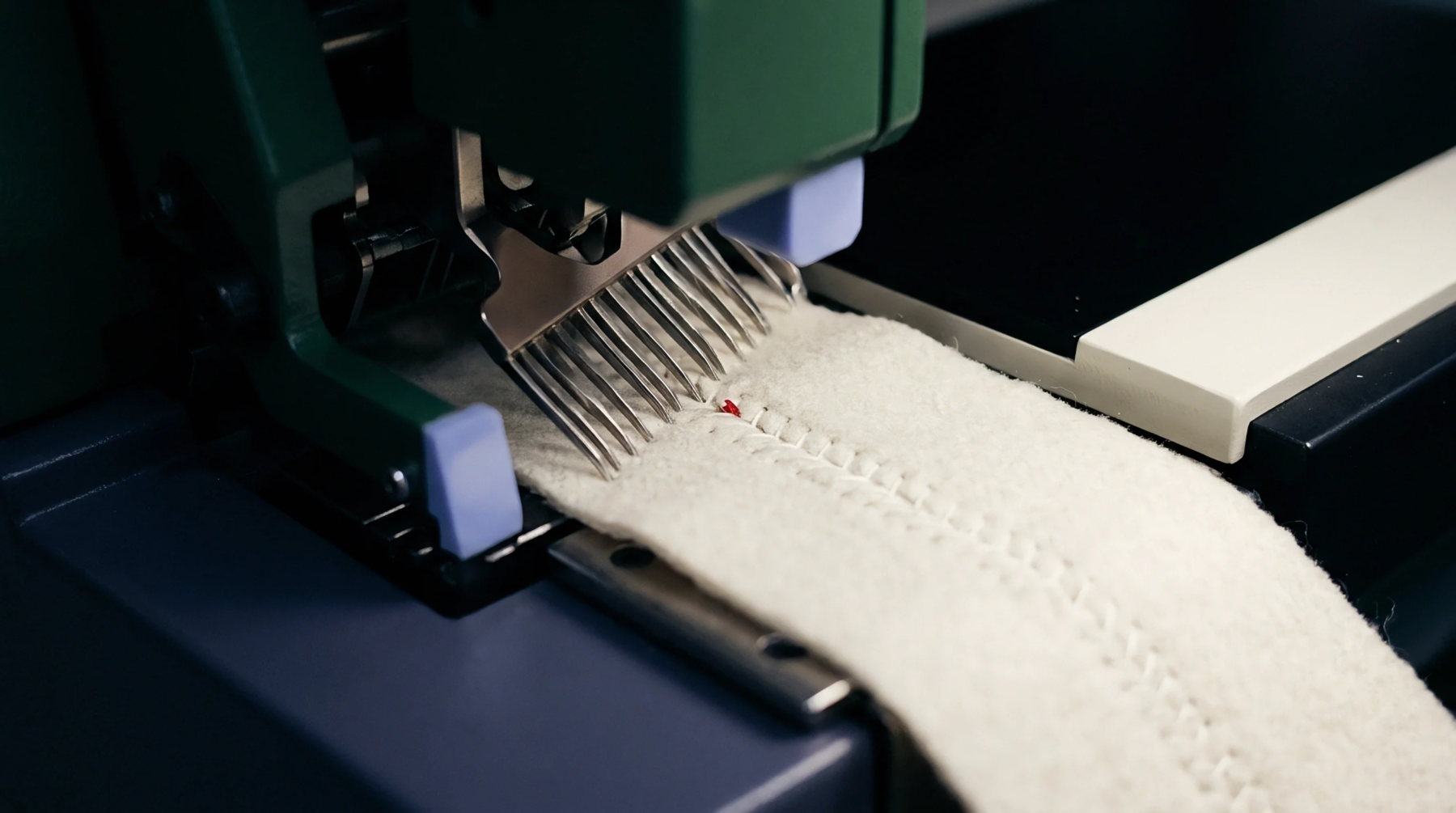
Material Depletion
Quantitative measurement of the mass of textile fragments shed from a fabric during use or testing indicates potential durability issues. Fiber loss often occurs when mechanical friction breaks the tiny filaments on the surface of a yarn. This value is expressed as a percentage of the total fabric weight or as a mass in milligrams.
High rates of shedding can lead to thinning of the cloth and a poor appearance over time.
Shedding Rate
Laundering cycles in a controlled environment simulate the wear and tear of daily life. The fiber loss is captured by filtering the wastewater from the washing machine using fine mesh screens. This captured material is dried and weighed to determine the impact of the wash process.
Results vary based on the yarn twist and fabric density.
Testing Apparatus
Specialized instruments like the Martindale or pilling boxes create the abrasion needed to release the fibers. Measuring fiber loss during these tests helps in predicting how a garment will age in the hands of a consumer. The test must be run for a specific number of cycles to be valid.
It provides a standardized way to compare different fabric constructions.
Product Durability
Long term performance of a textile depends on the retention of its structural fibers. Excessive fiber loss results in a fuzzy surface and the formation of pills. It also contributes to the accumulation of microplastics in the environment when synthetic materials are used.
Reducing this loss is a goal for sustainable apparel design.