Forensic Chemical Marker Protocols for Verifying Rayon Fiber Origin Continuity
Forensic chemical verification of rayon fiber origin relies on dosing wet spinning dope with inert lanthanide chelates or synthetic DNA tags verified via ICP-MS or qPCR.

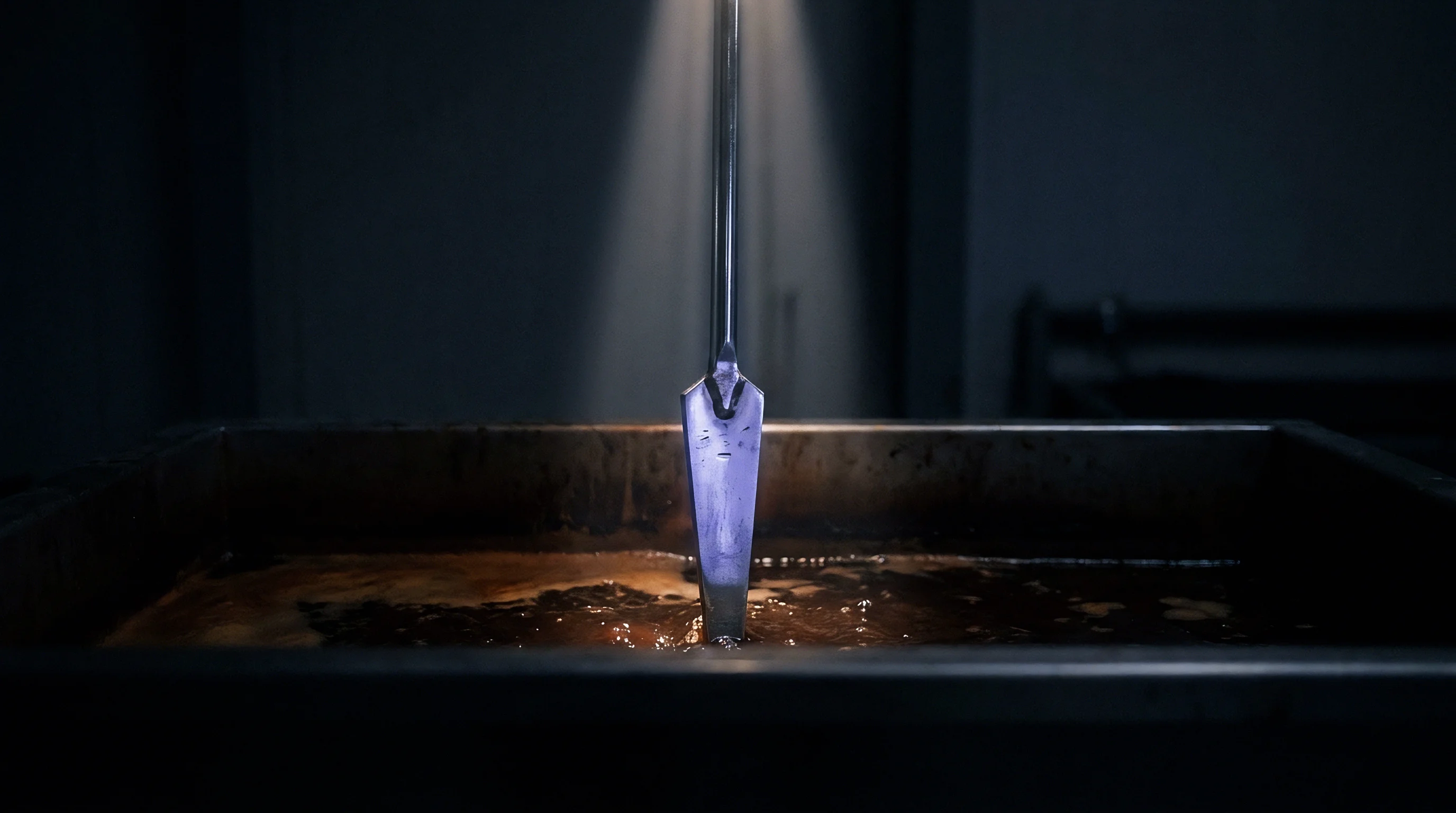
Dope
Introducing molecular tracers into dissolving cellulose solution establishes an indelible chemical fingerprint before filament formation occurs. Viscose manufacturing transforms wood pulp into soluble sodium cellulose xanthate through reaction with sodium hydroxide and carbon disulfide. Liquid cellulose xanthate, dissolved in dilute sodium hydroxide solution to form spinning dope with 7 to 9 percent cellulose content, provides the initial fluid matrix for forensic chemical marking.
Incorporating markers at this liquid stage ensures uniform distribution throughout the polymer substrate prior to extrusion through gold-platinum spinnerets into the coagulation bath.
Forensic marker selection for rayon origin verification demands absolute resistance to the hostile chemical environment of viscose wet spinning. The coagulation bath contains 7 to 12 percent sulfuric acid, 15 to 25 percent sodium sulfate, and 1 to 5 percent zinc sulfate at temperatures ranging between 45 and 55 degrees Celsius. During extrusion, acid neutralizes sodium hydroxide, converting sodium cellulose xanthate back into insoluble regenerated cellulose while regenerating carbon disulfide and hydrogen sulfide gases.
Chemical markers must not dissolve into the acidic aqueous bath, react with sulfur byproducts, or alter the rheological properties of the dope. Dope viscosity must remain stable between 45 and 60 falling-ball seconds to prevent capillary blockages across spinnerets containing up to 60,000 holes.
Three distinct marker chemistries meet these constraints for commercial scale execution: inorganic rare-earth element lanthanide chelates, synthetic double-stranded deoxyribonucleic acid sequences encapsulated inside amorphous silica microparticles, and stable isotope spikes. Lanthanide complexes, particularly europium, terbium, and dysprosium bound to organic ligands, dissolve homogeneously in alkali solutions. Upon coagulation, these organo-lanthanide compounds precipitate in situ, embedding within the amorphous regions of the cellulose matrix.
Synthetic DNA markers provide unique sequence codes that act as molecular barcodes, but demand protective organo-silica encapsulation with shell thicknesses exceeding 50 nanometers to survive the pH drop from 14 in the dope to 1 in the spin bath.
| Marker Chemistry | Dosing Target PPM | Acid Bath Stability | Detection Sensitivity | Primary Interference Risk |
|---|---|---|---|---|
| Organo-Lanthanide Chelates | 0.5 to 5.0 | High retention above 96% | 0.01 ppb via ICP-MS | Heavy metal background in raw pulp |
| Encapsulated Synthetic DNA | 0.01 to 0.10 | Moderate retention 85 to 92% | 10 copies via qPCR | Silica shell dissolution under alkaline wash |
| Enriched Stable Isotopes | 10.0 to 50.0 | Absolute 100% retention | 0.1 per mil via IRMS | Natural isotopic variation in timber sources |
Dosing mechanics require precise inline injection systems mounted immediately before the spinneret pack filters. Static mixers installed in the dope delivery pipeline blend concentrated marker solution into the main dope stream at volumetric ratios between 1:1,000 and 1:10,000. Metering pumps operating under closed-loop mass flow feedback maintain tracer concentration within 3 percent of target values across 24-hour continuous spinning runs.
Metering drift introduces concentration gradients along the spun tow, producing false negatives during downstream verification audits.
Mill operators attribute marker depletion to wash-water recycling variations during the final staple desulfurization sequence.
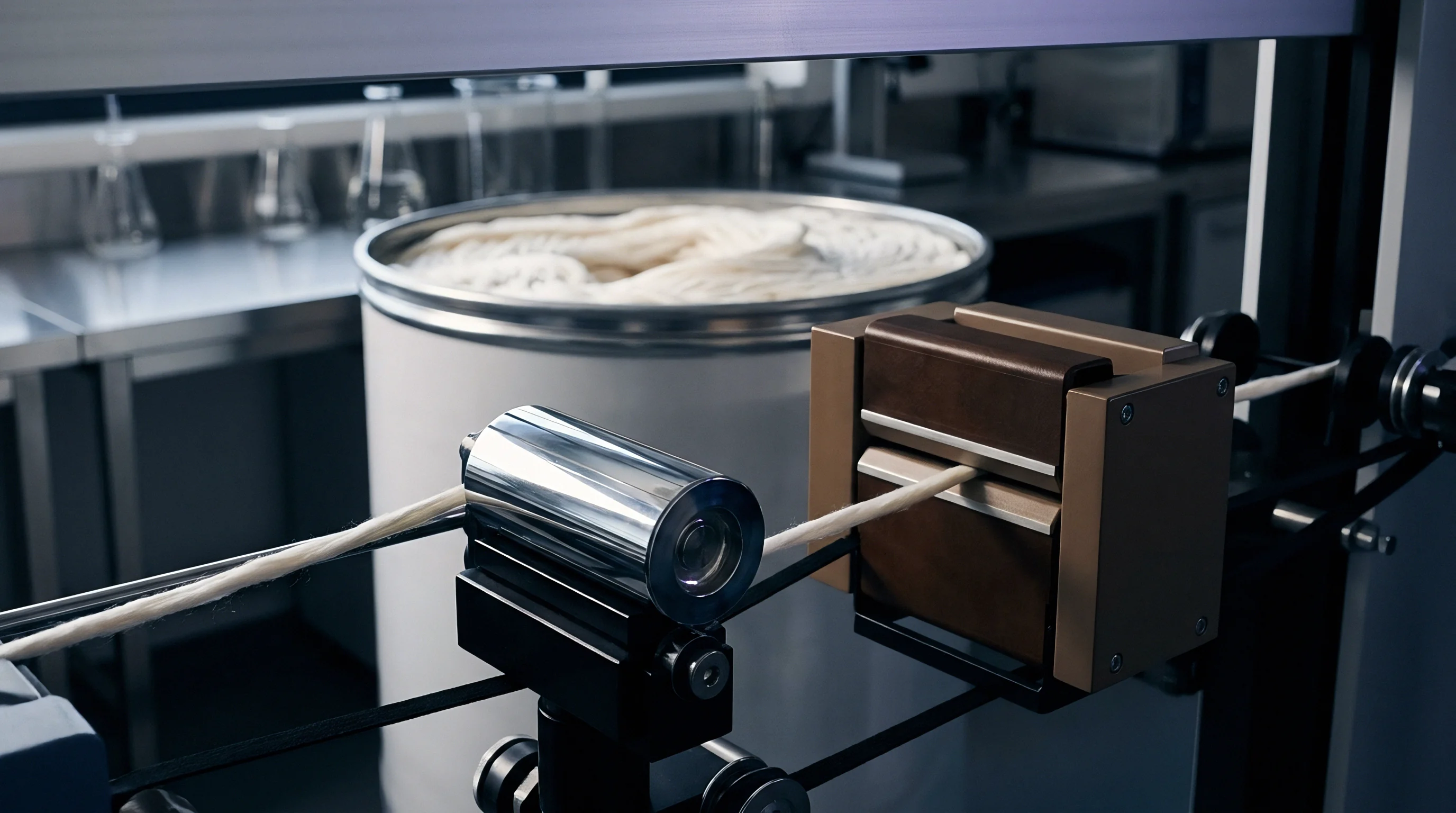

Spectrum
Quantifying trace elements within regenerated cellulose matrices relies on precise ionization techniques capable of isolating parts-per-billion signal levels. Inductively Coupled Plasma Mass Spectrometry serves as the primary benchmark technique for analyzing lanthanide marker concentrations in staple fibers, yarns, and finished fabrics. Preparing rayon samples for mass spectrometry requires microwave-assisted acid digestion to completely breakdown the crystalline cellulose structure without losing volatile organo-metallic species.
Sample digestion utilizes concentrated nitric acid combined with hydrogen peroxide inside sealed fluoropolymer vessels heated to 200 degrees Celsius under 30 bar pressure. Complete oxidation of the organic cellulose substrate leaves a clear aqueous solution containing target lanthanide ions. The digested solution aspirates into an argon plasma flame operating at 6,000 to 8,000 Kelvin, where sample molecules atomize and ionize.
Quadrupole or time-of-flight mass analyzers separate ions based on their mass-to-charge ratio, enabling simultaneous detection of europium, terbium, and dysprosium isotopes.
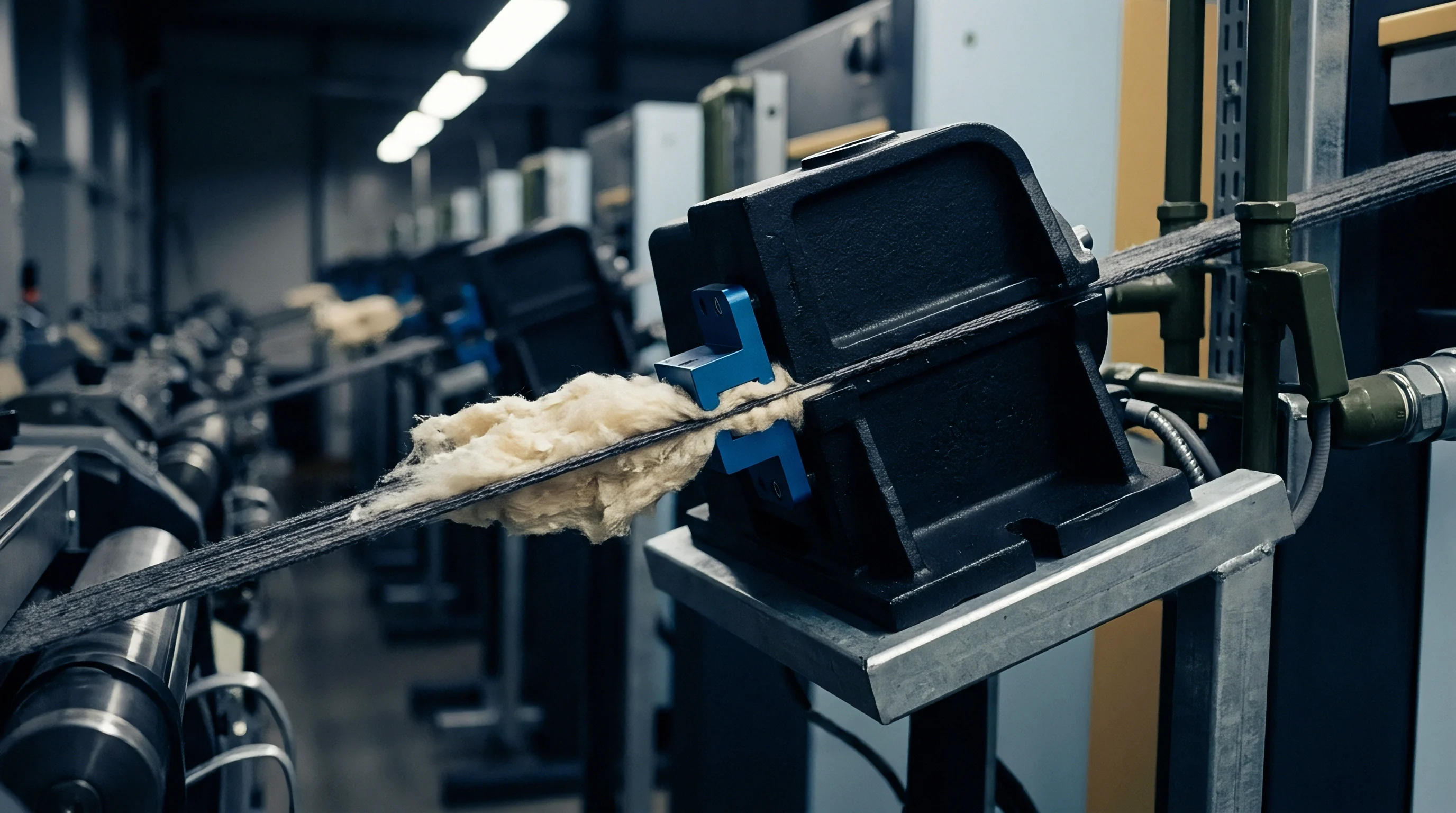
Where Do Rare Earth Markers Drift during Extrusion?
Chemical marker distribution shifts when spinning parameters fluctuate during filament coagulation. Acid concentration drops in the spinning bath alter the precipitation kinetics of organo-lanthanide complexes, causing variable retention rates across the fiber cross-section. Filament skin regions exhibit higher marker concentrations than the porous core when coagulation occurs rapidly.
Downstream fiber washing, desulfurization using sodium sulfide solutions at 60 degrees Celsius, and peroxide bleaching further leach unprecipitated surface markers.
Preparing fiber samples for forensic mass spectrometry demands rigorous protocol execution to eliminate environmental contamination and cross-lot contamination.
- Cut 500 milligrams of clean fiber from the core of the sample lot using ceramic blades to prevent iron and heavy metal contamination.
- Desiccate the specimen at 105 degrees Celsius for 4 hours to achieve zero-moisture baseline mass recorded to within 0.1 milligrams.
- Digest the dried specimen in 8 milliliters of ultra-pure 69 percent nitric acid and 2 milliliters of 30 percent hydrogen peroxide using microwave heating over 45 minutes.
- Dilute the digested fluid with deionized 18.2 megohm-cm water to achieve a total dissolved solids concentration below 0.2 percent before plasma introduction.
Quantitative ICP-MS reads rare-earth lanthanide concentrations down to 0.5 parts per billion in a digested 500-milligram fiber matrix under nitric acid pressure digestion at 200 degrees Celsius.
Synthetic DNA markers demand alternative detection protocols centered on Polymerase Chain Reaction amplification. DNA extraction from rayon fiber involves incubating samples in a lysis buffer containing proteinase K and chaotropic salts to dissolve the protective silica capsule. Extracted DNA undergoes quantitative PCR using fluorescence-labeled primers engineered to bind exclusively to the unique synthetic sequence added during dope preparation.
Thermal cycling amplifies target sequences exponentially, yielding quantitative detection when initial copy counts fall below 100 strands per gram of textile substrate.
Whether sub-ppb shifts in rare-earth isotope ratios arise from raw pulp mineral uptake or tracer dosing drift remains an unresolved analytical boundary.
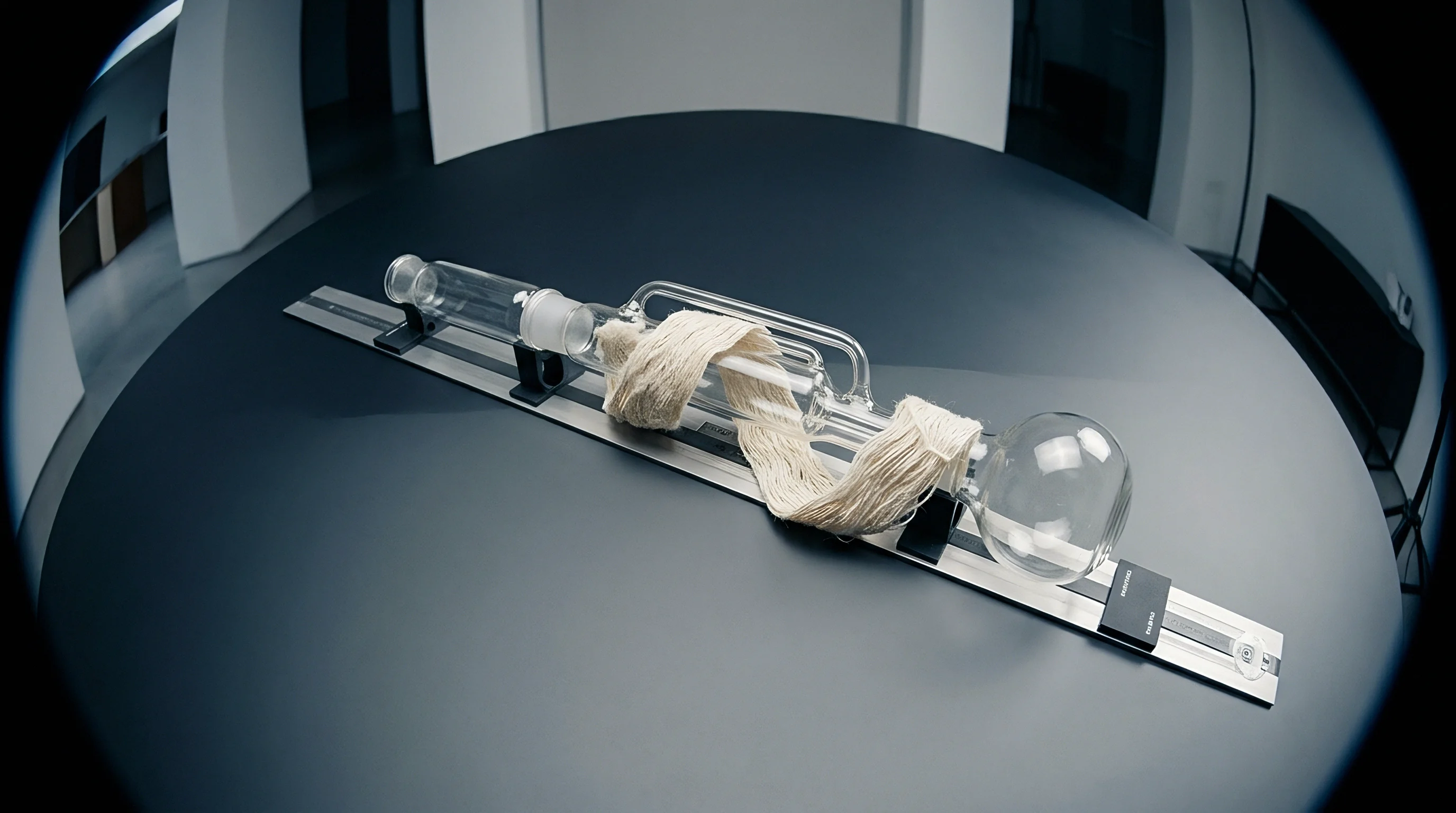
Sampling
Extracting representative specimens from multi-tonne commercial lots forms the foundation of any forensic verification audit. Viscose fiber production operates continuously, producing 200-kilogram to 300-kilogram staple bales or continuous filament tow packages. Marker concentration variance across a production lot arises from incomplete dope mixing, pulp batch transitions, or spinneret pack replacements.
Standard sampling plans drawing single swatches from outer fabric roll edges fail to capture lot-wide tracer distribution statistics.
Applying ISO 2859-1 level II normal inspection protocols dictates drawing core samples from multiple bales across the delivery lot. For a standard 40-tonne shipping container holding 160 staple bales, inspectors draw core specimens from at least 13 individual bales selected via random number generation. Pneumatic coring tubes penetrate at least 30 centimeters into each selected bale to capture internal fiber unexposed to atmospheric oxidation or handling contamination.
Combining equal mass fractions from each core specimen creates a composite 50-gram primary sample representing the entire shipment lot.
Homogeneity across the spinning bath determines whether a single swatch represents the entire production lot or merely the outer layer of a package.
A worked mass-balance model illustrates acceptable marker drift parameters across commercial supply chains. Assume a 40-tonne commercial viscose staple production run doped with europium chelate at a target rate of 2.00 ppm based on dry cellulose mass. Total active tracer added equals 80.0 grams.
During wet spinning, acid coagulation precipitates 94 percent of the tracer within the fiber structure, while 6 percent washes out into the spin bath and desulfurization baths. The expected dry fiber concentration settles at 1.88 ppm.
Laboratory testing across 10 composite samples drawn from the 40-tonne lot yields an average europium reading of 1.82 ppm with a standard deviation of 0.08 ppm. The coefficient of variation measures 4.4 percent. The standard tolerance threshold for verified origin continuity allows a maximum coefficient of variation of 8.0 percent and an average concentration within plus or minus 10 percent of the nominal post-spinning baseline.
The audited lot falls within pass limits. If blended with 50 percent unmarked generic rayon during yarn spinning, the measured europium concentration drops to 0.91 ppm, instantly signaling origin dilution.
- Bale Core Drilling extracts deep internal fiber samples across 10 percent of lot packages using stainless steel or ceramic core drills.
- Moisture Equalization conditions drawn fiber samples at 20 degrees Celsius and 65 percent relative humidity for 24 hours prior to mass determination.
- Background Screening tests un-doped raw pulp samples from the same mill source to quantify baseline background signals of rare-earth elements.
- Replicate Digestion processes triplicate sub-samples for each composite lot to ensure analytical measurement repeatability within 3 percent error margins.
Higher staple crimp increases tow bulk density and demands deeper core probe penetration to capture consistent tracer signal.

Bleach
Downstream wet processing exposes forensic chemical markers to aggressive oxidative reagents, high temperatures, and extreme pH shifts. Fabric mills subject grey rayon fabric to desizing, scouring, bleaching, dyeing, and soft-finishing before garments reach retail markets. Forensic markers must withstand these chemical environments without undergoing degradation, leaching, or structural alteration that would impair quantitative analytical detection.
Scouring utilizes sodium hydroxide solutions at concentrations between 10 and 30 grams per liter at 90 degrees Celsius to remove residual lubricants and wax contaminants. Encapsulated DNA markers lacking dense silica shells degrade rapidly under hot alkaline conditions, as hydroxyl ions attack the phosphodiester backbone of the DNA chain. Lanthanide chelate compounds resist alkaline scouring effectively because the rare-earth metal ion remains tightly sequestered within multi-dentate organic ligands like ethylenediaminetetraacetic acid derivatives.
Hydrogen peroxide bleaching represents the most destructive stage for organic and molecular tracer systems. Bleaching baths operating at pH 10.5 to 11.0 with hydrogen peroxide concentrations of 3 to 5 grams per liter at 95 degrees Celsius generate powerful perhydroxyl radicals. These oxidizing species cleave unshielded organic tracer molecules and destroy fluorophore structures used in optical luminescent markers.
Lanthanide inorganic oxides and silica-shielded synthetic DNA sequences exhibit high stability under peroxide bleaching, retaining over 88 percent of initial signal strength.
- Oxidative Cleavage occurs when free radicals generated during bleaching disrupt organic ligand structures, liberating metal ions into the processing liquor.
- Alkaline Extraction dissolves outer silica protective layers when fabric processing temperatures exceed 90 degrees Celsius at pH levels above 12.
- Chelate Transmetalation swaps target tracer ions with heavy metals present in dye baths, altering the mass spectrometry signature.
- Enzymatic Hydrolysis breaks down cellulose surface fibers during bio-polishing treatments, removing surface-bound markers selectively.
Non-compliance with ISO 1833-1 quantitative chemical dissolution tolerances invalidates origin claims when marker leaching alters corrected dry mass calculations.
| Wet Processing Stage | Chemical Reagents & pH | Temperature & Time | Lanthanide Retention % | Encapsulated DNA Retention % |
|---|---|---|---|---|
| Alkaline Scouring | 20 g/L NaOH, pH 13.0 | 95 °C for 60 min | 98.5 ± 0.8 | 89.2 ± 1.5 |
| Peroxide Bleaching | 4 g/L H2O2, pH 10.8 | 98 °C for 45 min | 96.1 ± 1.1 | 85.4 ± 2.1 |
| Reactive Dyeing | 60 g/L Na2SO4, pH 11.5 | 60 °C for 90 min | 97.8 ± 0.6 | 91.0 ± 1.2 |
| Resin Softening | DMDHEU Resin, pH 4.5 | 160 °C for 3 min | 99.2 ± 0.3 | 94.1 ± 0.9 |
Reactive dyeing introduces high salt concentrations and mild alkali to fix dye molecules to cellulose hydroxyl groups. Lanthanide markers remain unaffected during dyeing due to their inert chemical incorporation within the crystalline fiber regions. Dye molecules absorbing light in the ultraviolet or visible spectrum can interfere with optical fluorescence detection methods, making ICP-MS mass spectrometry necessary for colored yarns and fabrics.
Stripping markers during aggressive peroxide bleaching destroys origin continuity claims and triggers tariff reassessments at destination ports.

Dossier
Assembling defensive technical documentation links physical laboratory test reports with commercial shipping documents and tariff filings. Customs authorities around the globe scrutinize rayon fiber imports under Harmonized System tariff heading 5504.10 for viscose rayon staple fibers. Preferential duty claims under regional trade agreements mandate conclusive proof that fiber origin matches the declared mill supplier.
Forensic marker certificates provide the definitive scientific evidence required to substantiate origin continuity throughout international transport.
A complete origin verification dossier integrates three core analytical and logistical components. The first component comprises the mill dosing log, recording continuous mass flow meter data, marker lot numbers, and total viscose dope volume produced during the specific spinning run. The second component is the primary laboratory certificate of analysis, detailing baseline ICP-MS or qPCR marker concentration values from core samples drawn immediately after fiber drying and baling.
The third component includes downstream test reports verifying marker presence in converted yarns, fabrics, or finished garments.
Customs authorities reject landed origin claims when marker analytical signatures diverge from batch production records accompanying the entry summary.
Discrepancies between declared marker concentration and laboratory test results trigger supply chain origin investigations. A reduction in marker concentration proportional to fiber blend ratios confirms legitimate commercial blending, such as a 50/50 cotton-rayon yarn mix. A non-proportional drop in marker concentration indicates substitution with un-marked commodity rayon from unauthorized mills.
Customs auditors calculate origin substitution percentages using mass balance equations comparing measured marker density against declared blending ratios.
Standard customs audit clause 19 CFR 151.13 shifts the burden of proof to the importer when physical chemical markers fail quantitative laboratory confirmation.