Sourcing Dissolving Pulp Feedstocks for Rayon Yarn Production
Dissolving pulp sourcing for rayon yarn relies on alpha cellulose purity specifications, alkali solubility controls, and commercial air dry tonnage audits.
Purity
Chemical wood pulp used for regenerated cellulose requires tight control of the non-cellulosic carbohydrate fraction. Rayon spinning needs dissolving pulp with high molecular weight cellulose and minimal hemicellulose, lignin, or inorganic extractives. Standard paper pulps fail in xanthation because short-chain hemicellulose dissolves into the alkali steeping lye, accumulating contamination and cutting fiber yield.
Dissolving pulp specifications centre on alpha-cellulose purity, which measures the fraction insoluble in seventeen and a half percent sodium hydroxide solution at twenty degrees Celsius.
Target alpha-cellulose levels depend on whether the end product is staple yarn or continuous filament. Standard viscose staple uses pulp with an alpha-cellulose fraction between ninety and ninety-two percent. High wet modulus modal yarns require ninety-three to ninety-five percent alpha-cellulose, while lyocell and continuous filament rayon need purity exceeding ninety-six percent.
Higher purity avoids disruptions during steeping, aging, and filtration steps.
| Grade Target | Alpha Cellulose Content | Intrinsic Viscosity CED | S10 Alkali Solubility | Maximum Ash Content |
|---|---|---|---|---|
| Standard Viscose Staple | 90.5 to 92.0 percent | 420 to 480 mL/g | 8.5 to 10.5 percent | 0.10 percent |
| High Wet Modulus Modal | 93.5 to 95.0 percent | 500 to 580 mL/g | 6.0 to 7.5 percent | 0.07 percent |
| Continuous Filament Rayon | 95.5 to 97.0 percent | 550 to 650 mL/g | 4.0 to 5.5 percent | 0.05 percent |
| Lyocell Feedstock | 96.5 to 98.0 percent | 450 to 520 mL/g | 3.0 to 4.5 percent | 0.03 percent |
Molecular weight distribution controls cellulose solubility and dope rheology in extrusion. Intrinsic viscosity, measured in cupriethylenediamine under ISO 5351, serves as the main indicator for degree of polymerization. Fluctuations in molecular mass cause uneven alkali cellulose degradation during oxidative aging, yielding filaments with variable cross-sections and sudden losses in tenacity.
Inorganic contaminants block filters and trigger unwanted side reactions. Silica particulates wear down spinneret orifices, while iron ions catalyze polymer breakdown. Calcium forms insoluble soaps with fatty acid additives, clogging candle filters ahead of the spin bath.
Trace amounts of copper and manganese accelerate aging past plant controls, yielding weak alkali cellulose crumbs that react poorly during xanthation.
A minimum alpha cellulose content of ninety-two percent at standard atmospheric conditioning ensures adequate xanthation yield during viscose dope preparation.
Alkali solubility metrics show the balance between long-chain polymers and degraded fragments. S10 solubility measures the pulp portion soluble in ten percent sodium hydroxide, covering both degraded cellulose and hemicellulose. S18 isolates hemicellulose alone using eighteen percent lye.
Subtracting S18 from S10 gives the beta-cellulose fraction, which reflects degradation from cooking and bleaching. Keeping this gap within limits maintains stable dope filtration and keeps nozzles clear. Loose control over hemicellulose and mineral levels results in spinneret face fouling, irregular xanthation substitution, and frequent filament breaks on the spinning machine.

Chip
Timber species and cooking chemistry establish the basic molecular mass distribution of dissolving pulp. Coniferous softwoods have longer native fibers and higher starting viscosity, while deciduous hardwoods offer shorter fibers, higher packing density, and a hemicellulose profile dominated by xylan rather than glucomannan.

Prehydrolysis Kraft Verses Acid Sulfite Processing
Sulfite cooking liquor uses sulfur dioxide and bisulfite salts to cleave lignin bonds at high temperatures. The acid sulfite method strips hemicellulose through acid hydrolysis in the primary digester phase, producing highly reactive pulp with a broad molecular weight distribution. These pulps react quickly during carbon disulfide xanthation, making them traditional feedstock for standard viscose staple fiber plants.
Residual hemicellulose in acid sulfite pulp retains higher reactivity, though total yield drops due to breakdown in the acidic liquor.
Prehydrolysis kraft processing adds a steam or water hydrolysis step before alkaline kraft cooking. This extracts hemicelluloses ahead of the white liquor stage, protecting the alpha-cellulose structure from heavy alkali degradation. Prehydrolysis kraft pulps feature high alpha-cellulose purity, a narrow molecular weight distribution, and low ash content.
Modal fiber spinners favor these feedstocks because uniform polymer chains give finished yarns high wet tenacity and superior wet modulus characteristics.
Contracts referencing ISO 692 for alkali solubility testing enforce clear financial penalties when hemicellulose fraction levels exceed contract specifications.
Feedstock Species Effects on Polymer Morphology
Hardwood timbers yield shorter fibers and tighter cell wall geometry than coniferous softwoods. Eucalyptus and beech are the primary hardwood sources for modern dissolving pulp mills. Eucalyptus pulp provides uniform reactivity and packs tightly during shipment, lowering freight volume per dry metric tonne of cellulose.
Beech wood pulp offers high brightness and low extractive levels, frequently selected for high-tenacity continuous filament yarns.
Softwood fibers deliver greater tenacity because spruce and pine pulps retain longer crystalline zones along the cellulose chain. Softwood dissolving pulp costs more to produce owing to longer cooking cycles and higher chemical use during bleaching. Bamboo and cotton linters offer alternative feedstocks; cotton linter pulp achieves extreme alpha-cellulose purity above ninety-eight percent, making it suitable for specialty cupro yarns or high-viscosity industrial uses, though tight supply limits mass volume adoption.
Process deviations during wood chip digestion produce distinct defect categories in the finished pulp sheet:
- Overcooked Cellulose results from excessive digestion temperatures, causing severe chain cleavage, low intrinsic viscosity, elevated S10 solubility, and reduced yarn tenacity.
- Unbleached Residual Lignin originates from incomplete delignification, leading to high kappa numbers, poor pulp brightness, yellowing during lye steeping, and spin bath discoloration.
- Resinate Extractives stem from incomplete resin removal in softwood pulps, forming hydrophobic pitch deposits that impair alkali lye penetration during steeping.
- Inorganic Scale Contamination arises from hard water or poor wash stage operations, depositing calcium carbonate particles that cause rapid filtration clogging in dope lines.
Viscosity drops and elevated resin content often trace to seasonal timber mix variations and harvesting moisture swings.
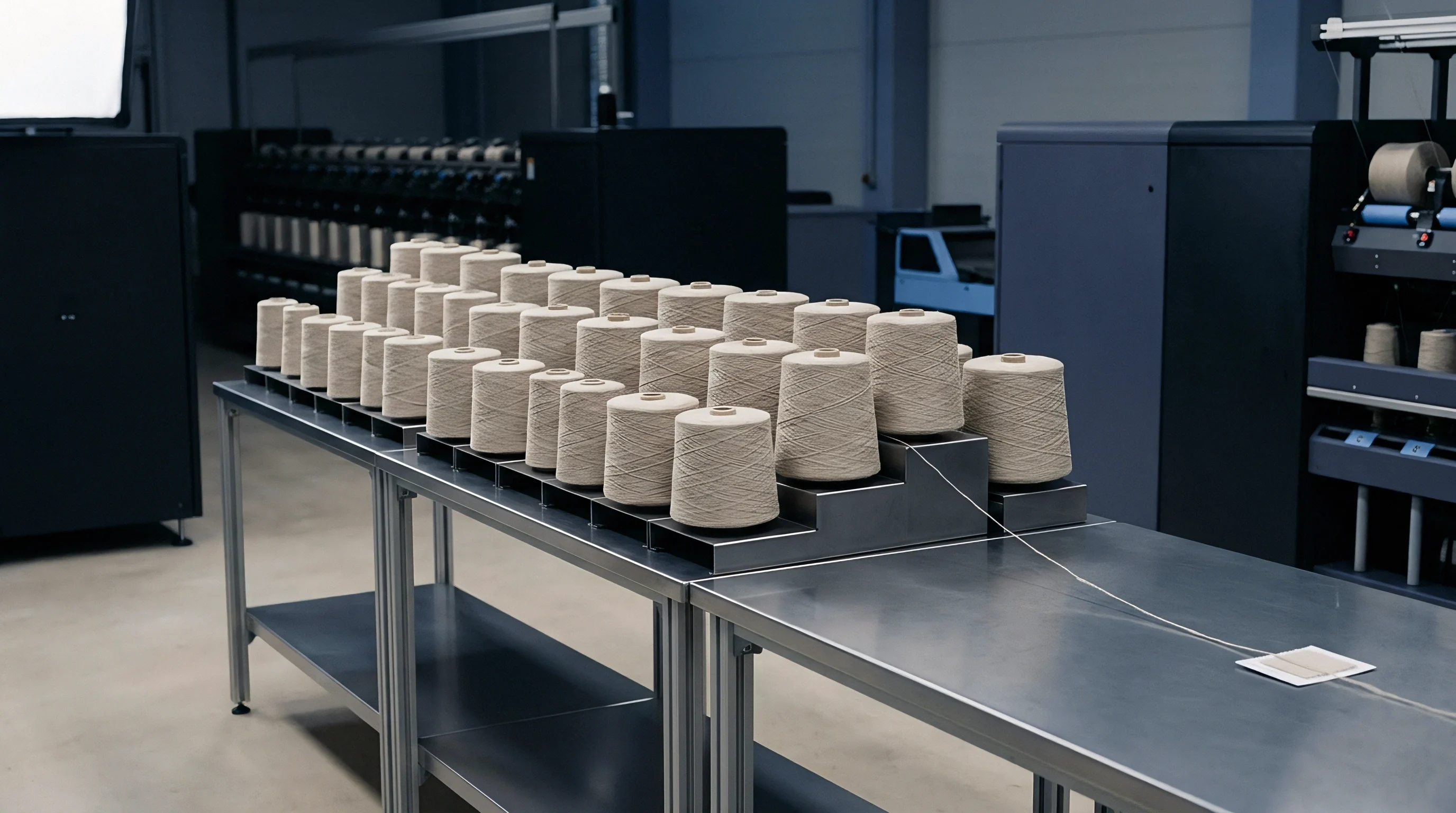

Bench
Laboratory testing of incoming pulp shipments establishes whether a lot meets reactivity thresholds before steeping. Sampling follows structured lot depth profiles according to ISO 7211 guidelines. Samples undergo conditioning at twenty-three degrees Celsius and fifty percent relative humidity prior to destructive chemical analysis.

Can Alkali Solubility Data Predict Hemicellulose Conversion Losses?
Solubility measurements in ten percent and eighteen percent cold sodium hydroxide isolate the short-chain degraded polymer fraction. High S10 values indicate potential yield losses at the steeping press. As steeping lye circulates through the recovery system, accumulated S18 hemicellulose increases lye viscosity, slowing filtration and altering alkali cellulose pressing ratios.
Measuring the alkali solubility differential allows process adjustments to steeping temperature and lye strength before running bulk shipments.
| Parameter | Test Method Standard | Acceptable Threshold Range | Standard Measurement Tolerance |
|---|---|---|---|
| Intrinsic Viscosity | ISO 5351 / TAPPI T230 | 450 to 600 mL/g | plus or minus 15 mL/g |
| Alpha Cellulose Content | TAPPI T203 / ISO 692 | 91.0 to 96.5 percent | plus or minus 0.3 percent |
| Alkali Solubility S10 | ISO 692 | 5.0 to 9.5 percent | plus or minus 0.2 percent |
| Fock Reactivity Value | ISO 11468 | 68.0 to 82.0 percent | plus or minus 1.5 percent |
Fock reactivity testing measures regenerated cellulose yield from a controlled, small-scale xanthation reaction. Low Fock values point to stubborn crystalline regions that resist carbon disulfide penetration, leaving unreacted gel particles in the final viscose dope. High filterability index numbers (Kw values) correlate directly with low Fock reactivity ratings.
Higher intrinsic viscosity pulp delivers stronger spun yarn tenacity but demands greater energy during aging to reach target spinning viscosity.
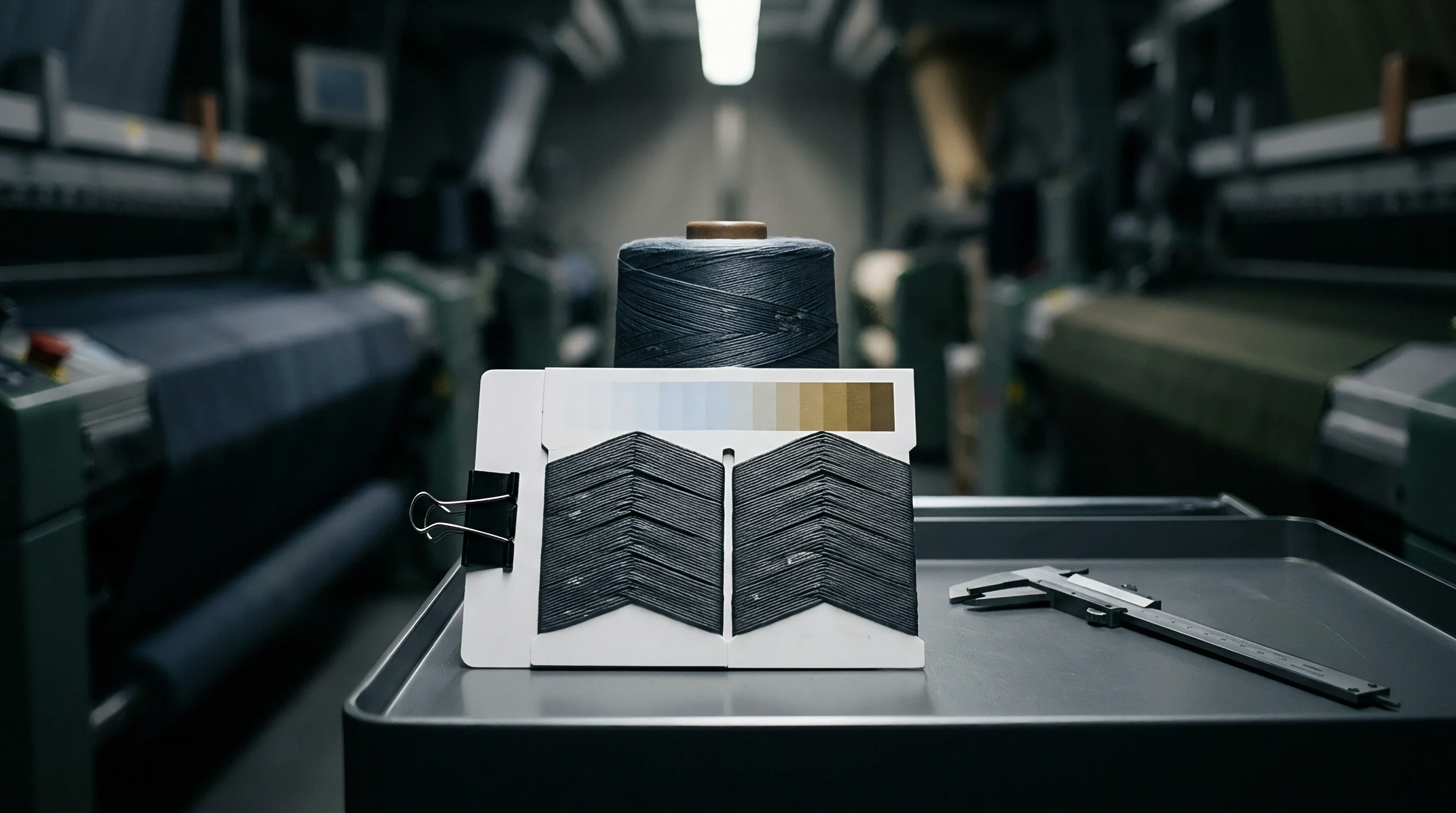
Execution of the Fock Reactivity Protocol
Quantifying cellulose conversion during xanthation involves reacting an alkali-treated pulp sample with carbon disulfide in a closed vessel. The bench procedure follows six sequential steps:
- Disperse exactly one and a half grams of air-dried pulp in fifty milliliters of eighteen percent sodium hydroxide at twenty degrees Celsius.
- Agitate the slurry for forty-five minutes using a magnetic stirrer to complete alkali cellulose formation.
- Add precisely one milliliter of reagent-grade carbon disulfide and seal the reaction flask immediately.
- Shake the mixture at twenty-six degrees Celsius for three hours to form soluble cellulose xanthate.
- Dilute the xanthate solution with distilled water, mix thoroughly, and neutralize excess alkali using acetic acid.
- Regenerate the dissolved cellulose by adding isopropyl alcohol, dry the precipitated film to constant mass, and weigh the yield to calculate conversion percentage.
Unreacted gels cause threadline breaks. Intrinsic viscosity testing via cupriethylenediamine dissolution isolates molecular degradation caused by aggressive bleaching cycles. Whether fast online spectroscopic techniques can fully replace traditional wet chemical cupriethylenediamine viscosity testing during rapid lot qualification remains uncertain across high-speed viscose mills.

Dock
Receiving protocols require immediate inspection of shipment outer wrapping and core moisture conditions upon container discharge. Dissolving wood pulp ships in wrapped, highly compressed sheet bales strapped with high-tensile wire. Moisture absorbed during ocean transit alters commercial mass, creating disputes between delivered weights and invoiced figures.
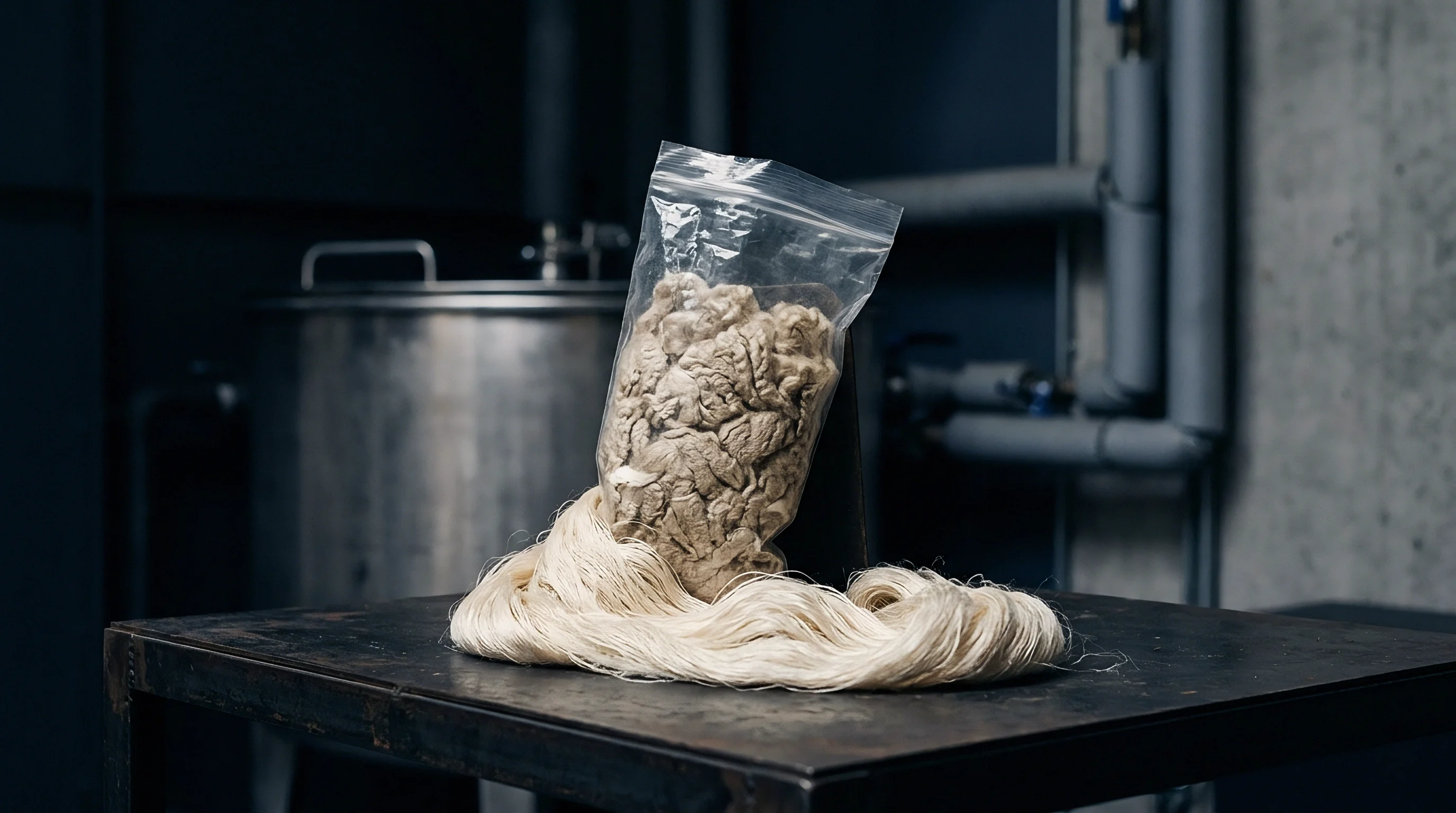
Commercial Mass Calculation and Air Dry Adjustments
Invoicing for dissolving wood pulp relies on air-dry metric tonnage calculated at a standard ninety percent dry solids content. A pulp shipment weighing one hundred wet metric tonnes at eight percent moisture contains ninety-two tonnes of absolute dry cellulose. Dividing ninety-two by 0.90 yields an air-dry invoice weight of one hundred two and two-tenths air-dry metric tonnes.
Discrepancies arise when ocean moisture shifts alter outer bale edges while internal cores remain dry.
Moisture distribution across dense pulp bales varies significantly between core layers and outer surfaces during marine transit.
Receiving managers execute a systematic physical audit upon batch arrival at the port or mill storehouse:
- Outer Packaging Audit checks for split craft paper wrapping, rust stains from broken strapping wire, and surface water marks indicative of container condensation.
- Core Moisture Sampling extracts bored core specimens from ten percent of randomly selected bales using calibrated motorized augers.
- Commercial Weight Verification weighs full pallet loads on certified floor scales, deducting tare weights for wooden skids and steel banding.
- Laboratory Solids Determination dries extracted core samples at one hundred five degrees Celsius until reaching constant mass to determine absolute dry matter fractions.
Bale swelling occurs when humidity penetrates compromised packaging, jamming automated dewiring and slitting machinery at the mill head-end. Fiber contamination from mold growth or seawater intrusion destroys cellulose reactivity and introduces chloride ions that corrode stainless steel xanthation reactors. Specifying ISO 7211-1 core sampling with mandatory third-party testing forces sellers to absorb moisture deficiency adjustments before invoice settlement.

Margin
Feedstock pricing mechanics dictate the financial baseline of rayon filament and staple fiber production. Dissolving pulp trades on spot and contract pricing indexes expressed in United States dollars per air-dry metric tonne CIF Asia destination ports. Purity premiums reflect the additional chemical processing required at the pulp mill to achieve higher alpha-cellulose contents.
Yield Conversion Loss Modeling from Pulp to Yarn
Determining raw material demand per metric tonne of finished yarn requires balancing unrecovered hemicellulose mass against bath loss factors. Standard viscose staple operations register pulp conversion factors between 1.03 and 1.08 air-dry metric tonnes of pulp per tonne of fiber. The lost fraction represents hemicellulose dissolved into the steeping lye, wash water solids, and structural cellulose degraded during oxidative aging.
High purity feedstocks feature lower conversion factors, reducing chemical consumption in downstream lye treatment and bath regeneration circuits.
| Feedstock Category | Pulp Yield Factor | Lye Consumption Per Tonne | Dissolving Pulp Base Price | Landed Raw Material Cost |
|---|---|---|---|---|
| Standard Sulfite Hardwood | 1.07 ADMT/t yarn | 0.85 tonnes NaOH | $880 USD/ADMT | $941 USD/t yarn |
| Prehydrolysis Kraft Hardwood | 1.04 ADMT/t yarn | 0.78 tonnes NaOH | $960 USD/ADMT | $998 USD/t yarn |
| Specialty Softwood Dissolving | 1.03 ADMT/t yarn | 0.72 tonnes NaOH | $1,150 USD/ADMT | $1,184 USD/t yarn |
For a production run of forty metric tonnes of viscose staple yarn using prehydrolysis kraft hardwood pulp priced at nine hundred sixty dollars per air-dry metric tonne landed, a verified yield factor of 1.04 requires forty-one and six-tenths air-dry metric tonnes of pulp. That establishes a base pulp cost of thirty-nine thousand nine hundred thirty-six dollars. Steeping lye losses add zero and seventy-eight hundredths tonnes of sodium hydroxide per tonne of yarn at three hundred fifty dollars per tonne, contributing eleven thousand nine hundred twenty dollars in alkali chemical cost.
Total raw material outlay equals fifty-one thousand eight hundred fifty-six dollars, yielding a direct material cost of one thousand two hundred ninety-six dollars and forty cents per metric tonne of finished fiber.
Running the same volume with standard acid sulfite pulp priced lower at eight hundred eighty dollars per air-dry metric tonne increases yield losses. The yield factor rises to 1.07 air-dry tonnes per tonne of yarn, requiring forty-two and eight-tenths air-dry tonnes of pulp for a total pulp expenditure of thirty-seven thousand six hundred sixty-four dollars. Greater hemicellulose dissolution elevates lye consumption to zero and eighty-five hundredths tonnes of sodium hydroxide per tonne of yarn, expanding lye cost to eleven thousand nine hundred dollars.
Lower alpha-cellulose purity yields thirty-nine thousand five hundred sixty-four dollars in direct material expenses ~ saving forty-seven dollars per tonne of yarn while increasing filter replacement frequency and reducing spinning line speed by three percent.
Customs Classification and Import Tariff Headers
Cross-border movements of chemical wood pulp fall under chapter forty-seven of the Harmonized System. Chemical wood pulp, dissolving grades, enters under tariff line 4702.00. Customs authorities enforce strict chemical testing to prevent paper-grade pulps under 4703 from misdeclaring under dissolving pulp headers to evade tariffs.
Standard paper pulps contain alpha-cellulose content below ninety percent and elevated hemicellulose levels, failing the solubility criteria set by customs laboratories under Harmonized System Chapter 47 Note 1.
Tariff codes depend on purity. Dissolving grades incur zero duty in major textile manufacturing destinations, whereas paper grade chemical pulps incur duty rates ranging between two and six percent depending on trade agreement origin declarations. Importers must supply certificates of analysis stating alpha-cellulose content, ash percentage, and alkali solubility S10/S18 values alongside customs declarations to maintain duty-free entry status.
Higher initial alpha-cellulose purity consistently lowers overall chemical consumption in the steeping line while extending spinneret pack operating lifespans.