Isotopic Analysis Methods for Forest Species Authentication in Dissolving Pulp
Purifying dissolving pulp to pure alpha-cellulose before isotope ratio mass spectrometry prevents residual lignin from distorting species and origin calls.
Cellulose
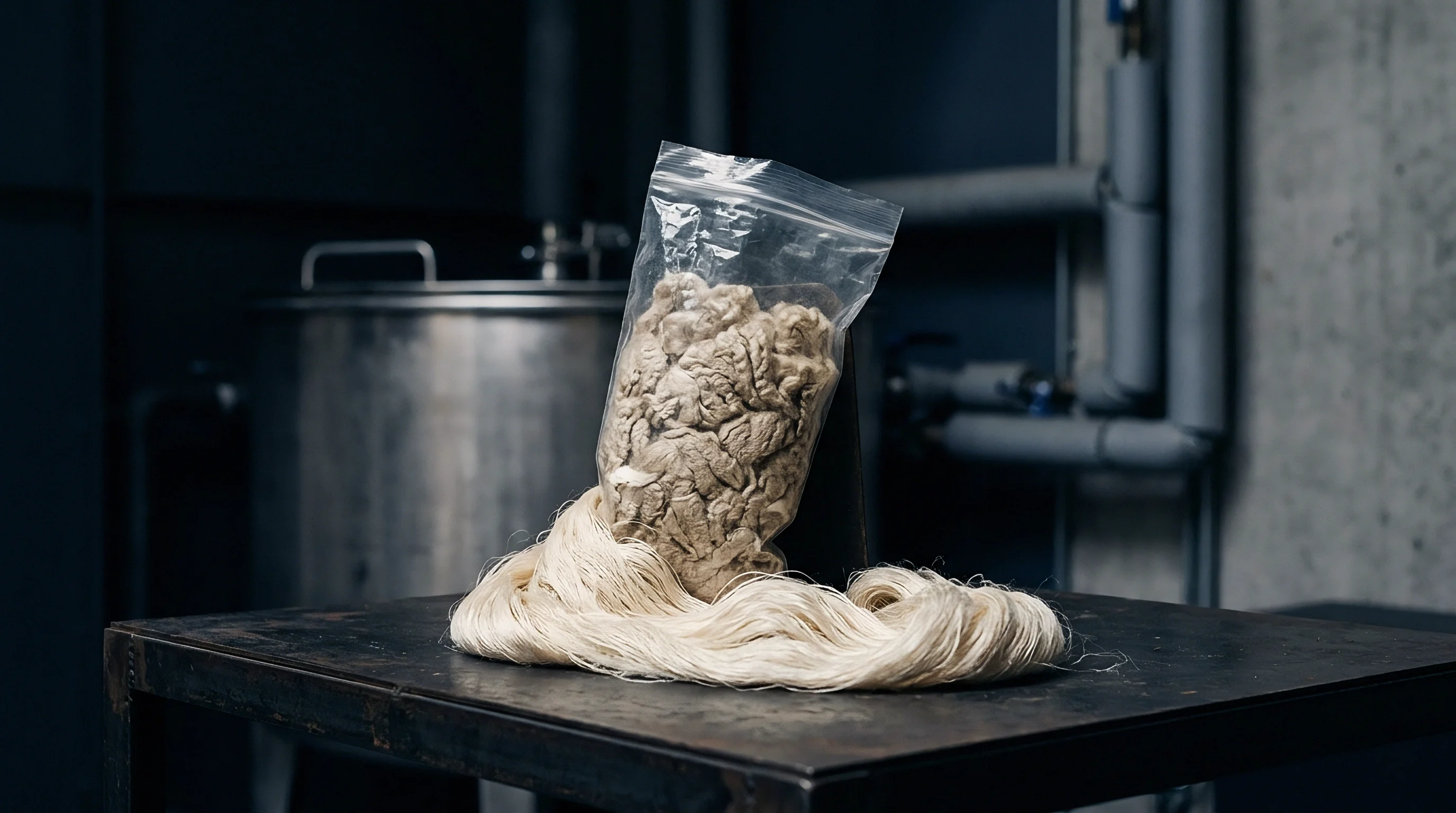
Chemical digestion of wood chips strips hemicellulose and matrix polymers to isolate high-purity glucan chains for fiber spinning. Dissolving pulp requires an alpha-cellulose fraction exceeding ninety-two percent for standard viscose and up to ninety-eight percent for high-tenacity acetate or lyocell grade applications. During industrial pulping, the raw wood timber undergoes severe thermo-chemical degradation.
The native stable isotope signatures present in standing timber undergo systematically measured isotopic shifts as structural components separate.
Carbon isotopes in plant tissue exist as carbon-12 and carbon-13. Native wood consists of cellulose, hemicellulose, and lignin. Lignin possesses a depleted carbon-13 signature compared to structural glucan polymers, carrying a delta carbon-13 value approximately two to four per mil lighter than pure cellulose isolated from the same tree trunk.
Acid sulfite and pre-hydrolysis kraft pulping selectively remove lignin and short-chain carbohydrates. Removing carbon-13 depleted lignin elevates the delta carbon-13 signature of the resulting dissolving pulp above the raw wood input figure. Softwood lignin resists pulping.
Digestion removes light isotopes.
Oxygen-18 and hydrogen-2 stable isotope ratios in wood derive from atmospheric precipitation and soil water taken up by root systems. Leaf-level evapotranspiration enriches leaf water in heavier isotopes before photosynthetic carbohydrate synthesis. Glucose monomers incorporate these oxygen and hydrogen atoms into fixed glucan structures.
While carbon-carbon backbone bonds stay inert during chemical pulping, oxygen and hydrogen atoms attached to functional hydroxyl groups can undergo exchange reactions with process water and cooking liquor. Process water shifts oxygen isotopes if hydrolysis breaking glycosidic bonds introduces oxygen atoms from mill water into the polymer chain.
Sulfite and Kraft Digestion Shifts
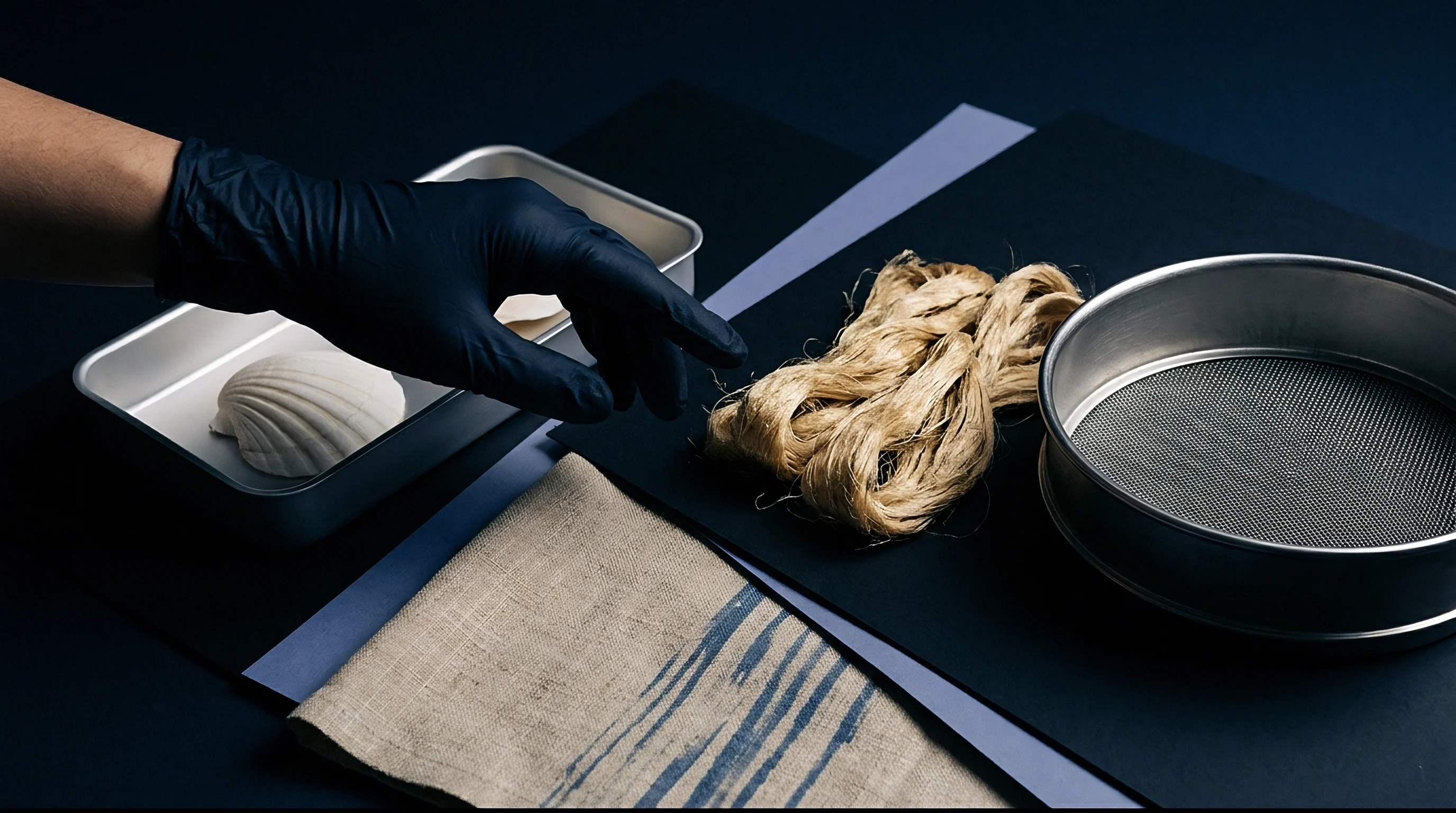
Delignification processes alter native isotopic balances by selectively removing depleted aromatic compounds from wood raw materials. Pre-hydrolysis kraft pulping uses acidic pre-hydrolysis to cleave hemicelluloses, followed by an alkaline white liquor cook to solubilize lignin. Acid sulfite pulping relies on bisulfite liquor under high temperature and pressure to sulfonate and break down lignin.
Yield loss shifts mass. Spruce cellulose retains carbon.
Fractionation factors between unbleached wood chips and fully bleached dissolving pulp vary predictably by pulping chemistry. Pre-hydrolysis kraft pulping generates a positive carbon-13 shift between zero point eight and one point five per mil relative to whole wood. Acid sulfite pulping causes a slightly lower carbon-13 shift, typically ranging between zero point five and one point two per mil.
Oxygen-18 shifts remain tightly linked to the oxygen isotope signature of the process water used in mill bleach plants, where multi-stage elemental chlorine-free or totally chlorine-free sequences replace native hydroxyl oxygen atoms through hydration reactions.
| Pulping Process | Primary Chemical Mechanism | Carbon-13 Offset (‰ VPDB) | Oxygen-18 Offset (‰ VSMOW) | Deuterium Offset (‰ VSMOW) |
|---|---|---|---|---|
| Pre-Hydrolysis Kraft | Autohydrolysis followed by sodium hydroxide and sodium sulfide cook | +0.8 to +1.5 | -0.5 to +1.1 | -3.0 to -8.0 |
| Acid Sulfite | Sulfurous acid and magnesium or calcium bisulfite digestion | +0.5 to +1.2 | -0.2 to +0.8 | -2.0 to -5.0 |
| Organosolv Experimental | Ethanol and water solvent extraction at high temperature | +0.2 to +0.6 | -0.1 to +0.4 | -1.0 to -3.0 |
| Offsets measured on purified alpha-cellulose using elemental analyzer isotope ratio mass spectrometry calibrated against IAEA reference standards. | ||||
Knowing these pulping offsets allows forensic analytical laboratories to back-calculate the original isotopic baseline of the harvested forest timber. Testing unbleached pulp or crude wood meal without correcting for digestion shifts produces incorrect geographical assignment. Pulping liquor contains sulfur.
Delignification alters stable ratios.
Acid sulfite digestion increases the delta thirteen carbon value of isolated cellulose by 1.2 per mil compared to raw timber feedstocks at equivalent yield thresholds.
Failing to account for digestion-induced isotope shifts leads to false rejections of legitimate softwood pulp lots or wrongful acceptance of mislabelled hardwood pulp furnish at the port of entry.
Extraction
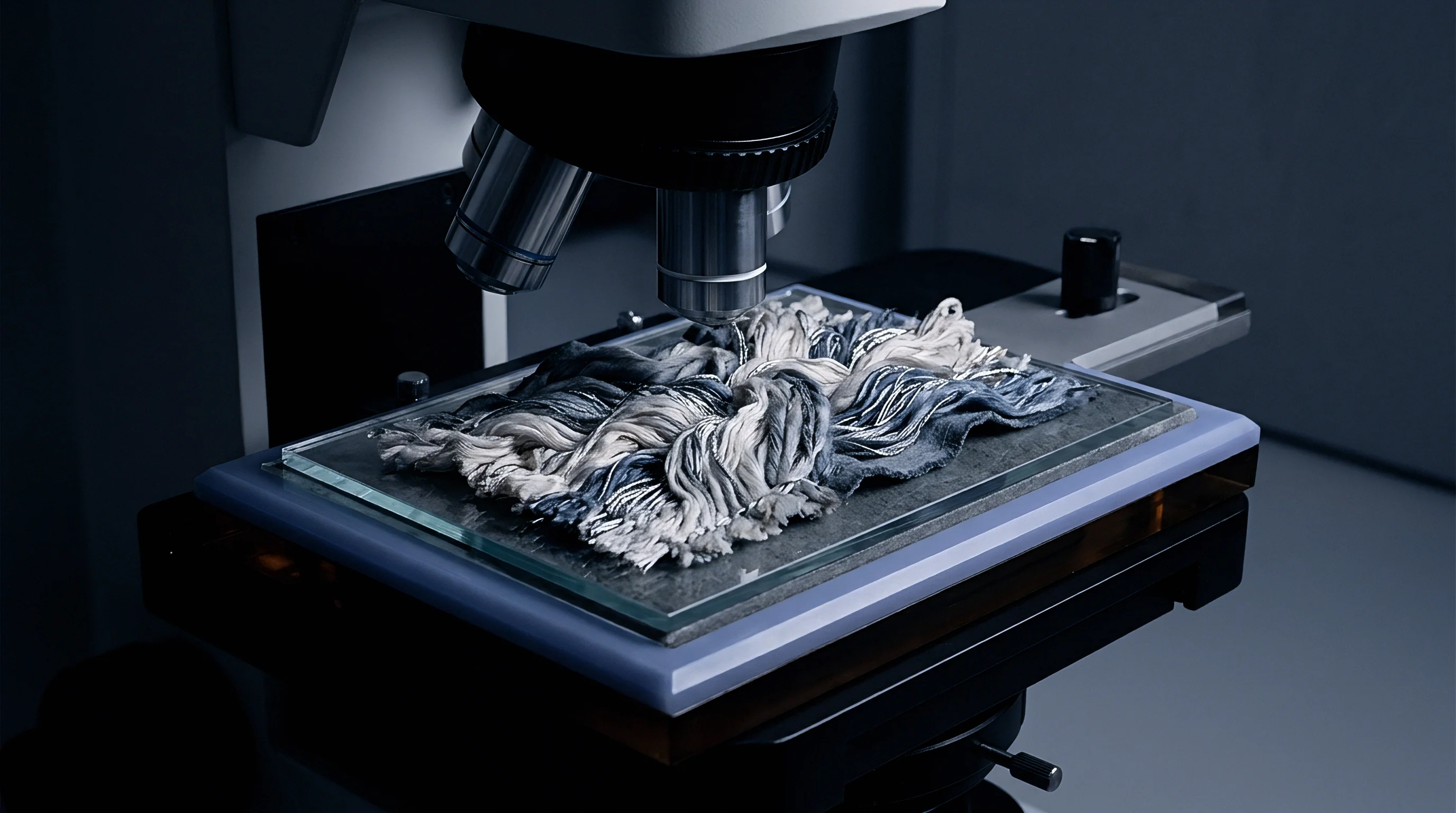
Standard laboratory preparation cleans dissolving pulp samples to isolate pure structural polymers for mass spectrometry. Baled dissolving pulp arriving at verification facilities contains moisture, residual extractives, traces of pulping liquor chemicals, and small amounts of non-cellulosic polysaccharides. Direct isotope ratio mass spectrometry performed on raw pulp bales yields inaccurate carbon-13 figures because trace residual lignin distorts the measurement.
Unwashed pulp corrupts ratios. Acid washing removes ash.
Alpha-cellulose separation removes residual hemicellulose and degraded short-chain beta and gamma fractions. Standard wet chemistry extraction utilizes sodium hydroxide solutions under strictly controlled temperature regimes to dissolve low molecular weight carbohydrates while leaving insoluble alpha-cellulose intact. Extractives like resin acids, fatty acids, and sterols must be removed using organic solvent extraction prior to alkali treatment.
Accelerated solvent extraction or Soxhlet extraction with toluene-ethanol mixtures clears lipophilic extractives that carry distinct isotope signatures derived from plant secondary metabolic pathways.
Alpha Isolation Protocols
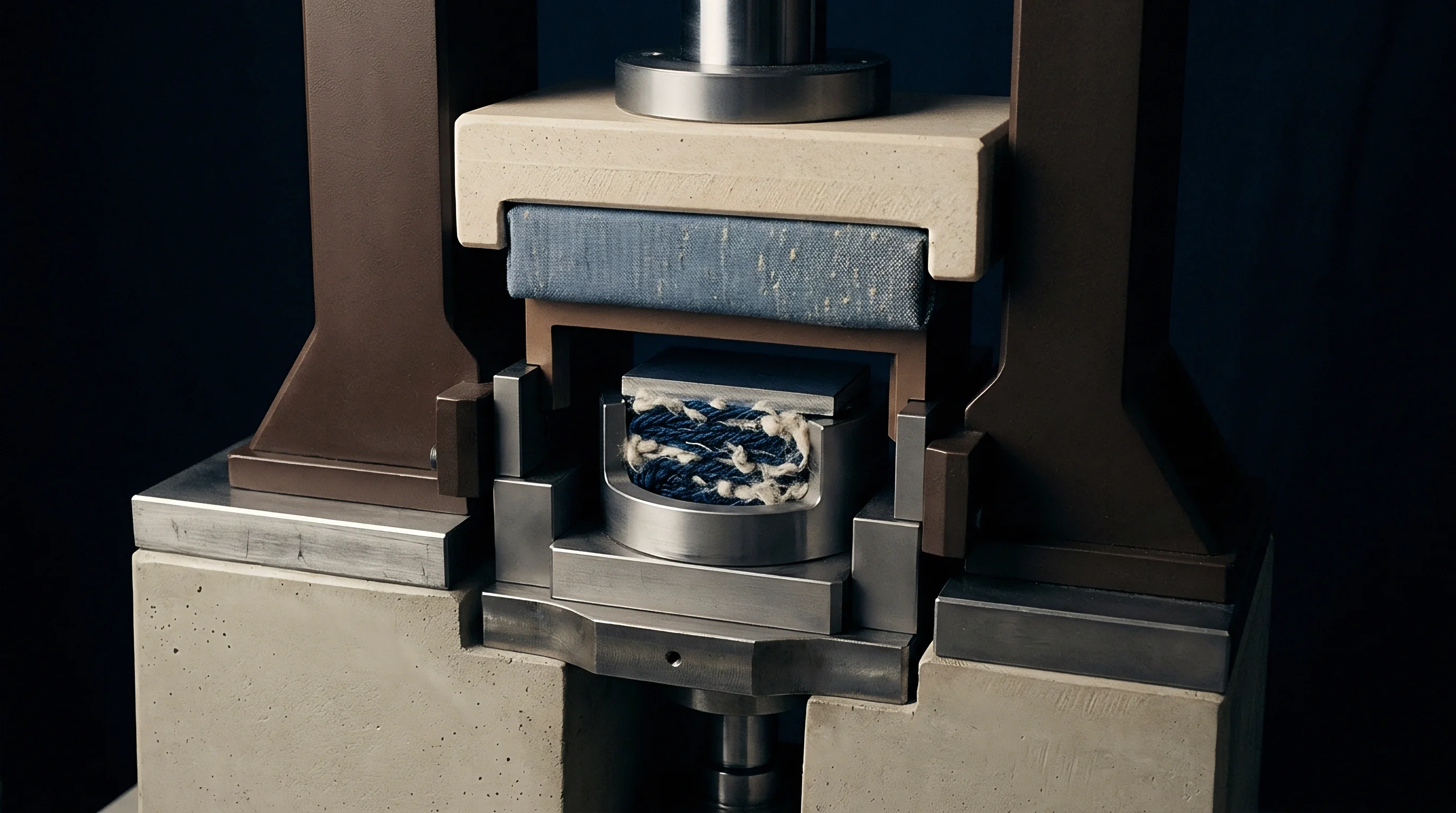
Nitric acid and acetic acid wash cycles remove residual non-cellulosic impurities without inducing degradation in the primary polysaccharide structure. The Jayme-Wise method and modified Kürschner-Hoffer nitration procedures serve as the primary chemical routes for bench-scale extraction. Kürschner-Hoffer extraction applies a mixture of nitric acid and ethanol, which rapidly degrades lignin into soluble nitrated aromatic compounds while leaving pure alpha-cellulose as a solid residue.
Complete removal of non-cellulosic components prevents carbon-13 skewing, as residual lignin imparts an artificially light carbon isotope signature.
Isolating pure alpha-cellulose requires a sequential laboratory routine to guarantee sample integrity before combustion analysis.
- Dry the baled dissolving pulp sample at 105 degrees Celsius to a constant weight to drive off absorbed moisture.
- Extract lipophilic resins in a Soxhlet apparatus using ethanol and toluene at a two-to-one volume ratio for six hours.
- Boil the solvent-extracted residue in a mixture of concentrated nitric acid and glacial acetic acid for twenty minutes to dissolve residual lignin.
- Filter the white alpha-cellulose residue through a fritted glass crucible and rinse thoroughly with boiling deionized water until neutral pH is reached.
- Rinse the purified sample with pure acetone, dry under vacuum at 60 degrees Celsius, and homogenize into a fine powder for mass spectrometry.
ISO 1833 chemical testing protocols require complete removal of non-cellulosic constituents before stable isotope mass spectrometry analysis.
Residual lignin skews carbon. The removal of non-cellulosic polysaccharides prevents artificial depletion of carbon-13 signatures in analyzed samples. Pure alpha-cellulose provides the only reliable matrix for geographic and botanical origin matching across multi-mill supply lines.
Suppliers frequently argue that residual hemicellulose traces represent natural biological variation rather than incomplete chemical washing during industrial pulp processing.

Spectrometry
High-precision isotope ratio measurement instruments require controlled combustion or pyrolysis to convert solid pulp samples into pure target gases. Elemental Analyzer Isotope Ratio Mass Spectrometry couples an automated combustion furnace directly to a sector field mass spectrometer. Samples weighing between zero point five and two milligrams are weighed into tin or silver capsules.
For carbon-13 and sulfur-34 analysis, tin capsules drop into a combustion tube packed with copper oxide and silvered cobaltous oxide held at 1000 degrees Celsius. Pure oxygen injected during combustion creates an exothermic flash reaching over 1700 degrees Celsius, completely converting alpha-cellulose into carbon dioxide and water vapor.
Oxygen-18 and hydrogen-2 measurements require thermal conversion elemental analysis operating under anaerobic high-temperature pyrolysis conditions. Silver capsules containing dried pulp enter a glassy carbon reactor maintained at 1400 degrees Celsius. The anaerobic pyrolytic breakdown of cellulose yields carbon monoxide gas and hydrogen gas.
Water source controls deuterium. Carbon monoxide carries the oxygen-18 signature of the cellulose polymer, while hydrogen gas carries the deuterium signature. Gas chromatography columns separate target gas species before injection into the mass spectrometer ion source through an open split interface.
Is Delta-Thirteen Carbon Detection Reliable across Pulp Digestion Processes?
Thermal processing in acidic or alkaline liquors shifts overall stable isotope ratios by predictable increments that analytical software accounts for during species matching. Carbon isotope measurement relies on comparing the ion beam current ratio of mass 45 to mass 44 against calibrated reference gases tied to the Vienna Pee Dee Belemnite international standard. Precision limits for carbon-13 analysis on modern mass spectrometers reach plus or minus zero point one per mil.
Precision for oxygen-18 reaches plus or minus zero point three per mil relative to Vienna Standard Mean Ocean Water.
Hydrogen-2 analysis introduces unique analytical complications due to exchangeable hydroxyl hydrogen atoms. Cellulose contains three hydroxyl groups per anhydroglucose monomer unit. The hydrogen atoms attached to these hydroxyl groups readily swap with ambient atmospheric moisture vapor, altering the bulk hydrogen isotope ratio of the pulp sample during storage and handling.
Non-exchangeable carbon-bound hydrogen atoms retain the true historical climatic isotope signature of timber growth. Measuring non-exchangeable hydrogen requires either full chemical nitration to replace hydroxyl hydrogen atoms with nitro groups or online dual-viscous equilibration using water vapor standards of known isotopic composition.
Isotopic analytical failures occur when sample preparation or instrument calibration deviates from strict operational boundaries.
- Incomplete sample extraction leaves residual resins that shift carbon-13 figures toward artificially depleted values.
- Atmospheric moisture absorption causes exchangeable hydrogen contamination that distorts hydrogen-2 climate signatures.
- Combustion tube fouling from ash build-up creates incomplete sample conversion and drift in baseline mass ratios.
- Pyrolysis carbon monoxide interferences arise when nitrogen gas leaking into high-temperature reactors creates isobaric overlapping signals at mass 28.
- Standard gas drift occurs when reference gas cylinders experience temperature fluctuations inside the laboratory instrument room.
Continuous elemental pyrolytic conversion eliminates exchangeable hydrogen interference without requiring liquid chemical nitration steps.
Multi-element stable isotope analysis combining carbon-13, oxygen-18, hydrogen-2, and sulfur-34 builds a four-dimensional analytical array. Adding radiocarbon-14 analysis identifies whether synthetic petro-chemical additives were blended into cellulose derivative products down the line. Strontium isotope ratio analysis performed on minor inorganic ash components further anchors geographical claims by matching local bedrock geology.
Whether high-temperature pyrolysis fully isolates carbon-bound hydrogen from hydroxyl exchange during continuous online thermal conversion across varying humidity conditions remains an active analytical dispute.


Timber
Forest trees incorporate atmospheric carbon dioxide and ground soil water into cell walls with distinct isotopic fingerprints driven by local climate and plant physiology. Botanical species identification relies on biological and environmental factors that separate tree families. Angiosperm hardwoods like Eucalyptus grandis and Acacia mangium use distinct stomatal regulation strategies compared to gymnosperm softwoods like Picea abies and Pinus taeda.
Hardwoods fix carbon faster. Fast-growing plantation hardwoods grown in tropical zones exhibit higher photosynthetic water-use efficiency, leading to systematically enriched carbon-13 levels relative to slow-growing boreal softwoods.
Gymnosperm softwoods possess tracheid structures that transport water under high tension across colder northern latitudes. Scandinavian spruce and pine species incorporate precipitation depleted in oxygen-18 due to latitude and elevation effects. Water evaporating from polar ocean bodies carries lower oxygen-18 concentrations than subtropical oceanic moisture.
Consequently, dissolving pulp manufactured from Swedish or Finnish spruce displays oxygen-18 values ranging between +16 and +20 per mil relative to VSMOW. Pulp derived from Brazilian eucalyptus plantations exhibits oxygen-18 signatures ranging between +26 and +31 per mil.

Isoscape Baseline Mapping for Species Differentiation
Geographic reference databases compile isotope ratios across regional forest stands to establish boundary ranges for specific botanical groups. Isoscapes map continuous spatial isotopic distributions based on climate models, precipitation networks, and geological formations. Comparing an unknown dissolving pulp sample against verified regional isoscapes permits analytical algorithms to accept or reject claimed forest supply origins.
Isotope maps track origin. Pine yields distinct signatures.
| Botanical Species | Geographic Region | Carbon-13 Range (‰ VPDB) | Oxygen-18 Range (‰ VSMOW) | Strontium 87/86 Ratio Range |
|---|---|---|---|---|
| Eucalyptus grandis | Brazil (Mato Grosso / Bahia) | -24.5 to -22.0 | +26.5 to +31.0 | 0.7120 to 0.7280 |
| Picea abies | Sweden (Central Boreal) | -27.5 to -25.5 | +16.0 to +19.5 | 0.7200 to 0.7450 |
| Pinus taeda | Southeastern USA | -26.0 to -24.0 | +22.0 to +25.5 | 0.7080 to 0.7140 |
| Acacia mangium | Indonesia (Sumatra) | -25.0 to -23.0 | +25.0 to +28.5 | 0.7070 to 0.7110 |
| Fagus sylvatica | Central Europe | -26.5 to -24.5 | +20.0 to +23.5 | 0.7090 to 0.7150 |
Mixed furnish pulps combine multiple timber species to achieve specific viscosity and reactivity targets in dissolving pulp mills. A common commercial blend pairs seventy percent Eucalyptus grandis with thirty percent Acacia mangium. Linear mass-balance isotope mixing equations calculate the expected signature of mixed pulp lots based on pure end-member baselines.
Evaluating an isotopic verification dossier from a pulp supplier requires systematic verification of sample origin and analytical testing parameters.
- Verify alpha-cellulose purity figures to confirm complete removal of residual lignin prior to mass spectrometry testing.
- Check digestion chemistry corrections to ensure process offsets were applied correctly to matched timber baselines.
- Cross-reference oxygen-18 signatures against regional meteoric water lines corresponding to the claimed harvest catchment basin.
- Evaluate strontium isotope ratios against local geological bedrock maps to detect blending with cheaper imported wood chips.
- Audit sampling frequency to ensure drawn samples represent the entire production lot rather than a single prepared bale.
Eucalyptus dissolving pulp exhibits lower deuterium variation than softwoods grown across wide geographic latitudes.
Hardwood pulp stocks produced in subtropical plantations consistently show heavier oxygen isotopes than softwood pulps harvested from northern boreal forests.


Compliance
Regulatory frameworks like the European Union Deforestation Regulation impose strict origin trace requirements on imported dissolving pulps and derived viscose staple fibers. Importers must supply precise geographic coordinates for every forest plot where wood raw materials were harvested. Paper chain-of-custody certificates often fail during third-party customs audits due to fraudulent documentary schemes or chip mixing during transit.
Physical stable isotope analysis provides forensic proof that validates or refutes documentation presented at customs entry points.
Duty rates depend on species. Mislabelling dissolving wood pulp species creates severe tariff exposure and potential custom penalties. Tariff lines under Harmonized System Chapter 47 classify chemical wood pulps based on whether they derive from coniferous softwoods or non-coniferous hardwoods.
Dissolving grade pulps entering major markets face differing tariff treatments depending on preferential trade agreements linked to country of origin. Declaring a pulp shipment as certified sustainable softwood from a duty-free origin when stable isotope testing reveals tropical hardwood signatures triggers immediate cargo holds and financial re-assessments.

European Union Deforestation Regulation Verification Files
Technical dossiers handed to customs authorities pair paper chain-of-custody tracking with independent physical laboratory mass spectrometry test results. When isotopic signatures deviate significantly from the declared harvesting region, customs enforcement officials issue formal notices of non-compliance. Re-testing procedures require drawing duplicate samples from segregated pulp bales held under official customs lock.
Landed cost calculations must incorporate forensic testing expenses and misdeclaration risk buffers when sourcing dissolving pulp from high-risk geopolitical zones. Testing costs per sample range between two hundred and five hundred dollars for full four-isotope analytical profiles. Factoring laboratory lead times of ten to fourteen days into supply chain scheduling prevents mill shutdowns at downstream rayon spinning plants.
Written purchasing contracts should explicitly incorporate stable isotope specification clauses with established tolerance bands tied to ISO 17025 accredited laboratory findings.
ISO 17025 accredited isotope testing requirements in supply contracts shift the burden of proof directly to the pulp vendor, compelling immediate financial credit when declared species ratios fail laboratory mass spectrometry thresholds.