Mass Reconciliation
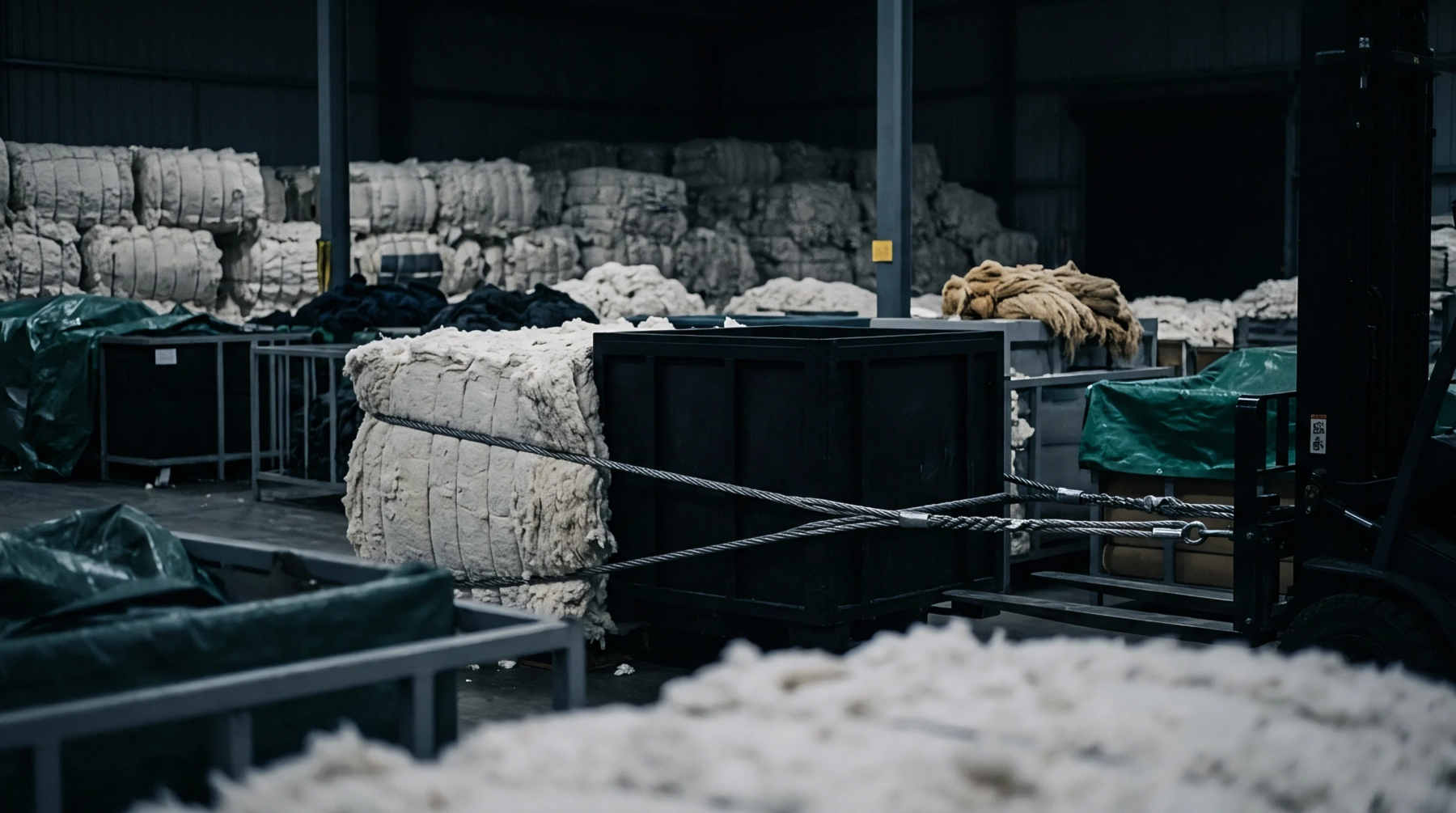
Verification of net shipment weight occurs upon arrival at the destination warehouse or port facility to determine total received quantity against the manifest weight provided at origin. Outturn weighment functions as the official commercial record for settling invoice discrepancies, identifying transit losses, or confirming total yield from bulk fibre shipments. Scale calibration records and weighbridge certificates provide the primary documentation for this stage of the supply chain.
Discrepancy Analysis
Variances between the weight declared at the mill exit and the mass recorded at the buyer receiving bay trigger specific loss adjustment protocols. Buyers identify the difference between the gross received mass and the tare weight of containers or pallets to arrive at the net payload value. A shortfall exceeding the contractual allowance leads to a formal claim against the carrier or supplier based on the evidence presented by the destination scale.
Technical Calibration
International standards dictate that scales used for trade must carry current certification and undergo periodic testing against known test weights to guarantee accuracy. Discrepancies often arise from environmental factors, as hygroscopic materials like natural fibres gain or lose moisture during ocean transport, which alters the physical mass of the cargo regardless of the actual fibre count. Humidity logs help distinguish between genuine material loss due to theft or mishandling and variations caused by atmospheric absorption.
Commercial Impact
Financial settlements depend entirely on the final mass confirmation, as purchase orders for raw commodities usually stipulate price based on delivered weight at the buyer premises. Total value adjustments account for the cost of insurance, freight, and commodity price per kilogram when the physical receipt does not align with the shipping documents. Proper documentation of these deviations protects the interest of the buyer by ensuring that the final payment reflects the exact quantity of goods actually present for production.