Commercial Weight Disputes Arising from Dynamic Moisture Sorption Hysteresis in Recycled Cellulosic Staple Yarn Invoices
Invoicing recycled cellulosic yarn on standard regain values creates mass disputes when transport humidity traps desorption water inside amorphous fiber structures.


Scale
Commercial mass determination in global yarn trading relies on standardized mass calculations rather than gross container weights taken on warehouse floors. Selling staple yarn on direct gross weight exposes buyers to paying for ambient water absorbed during storage and ocean transit. Sellers protecting their yield establish invoice values through calculated commercial mass derived from oven-dry fiber weight.
Mass determines invoice value. International agreements formalize these calculations by adding official moisture regain percentages and allowable finish extractables to the absolute dry fiber mass. When spinning mills pack recycled cellulosic yarns under elevated ambient humidity, the physical water weight delivered to the port differs from the commercial mass recorded on billing documentation.
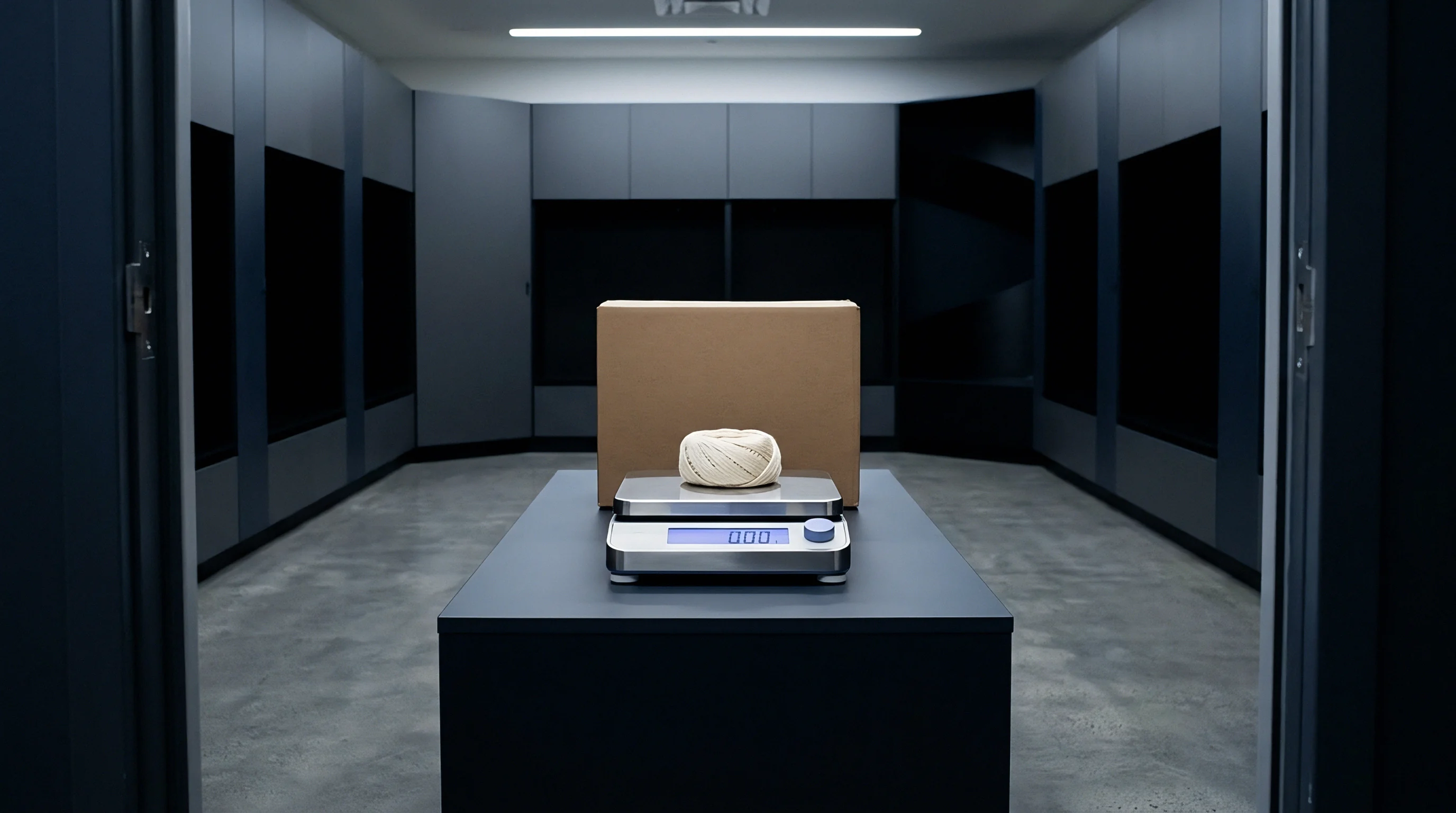
Commercial Mass Standard Formulas
Standardized weight calculations set out in ISO 6741-1 define commercial mass through dry fiber weight plus standard regain percentage and commercial allowance. Equation mechanics proceed through gravimetric testing of sealed sample cones. Samples undergo complete drying in a ventilated oven at 105 degrees Celsius until reaching constant mass.
The official commercial mass calculation follows:
Commercial Mass = Dry Mass x (1 + (Official Regain / 100) + (Commercial Allowance / 100))
Dry mass forms the base. Commercial allowance covers processing lubricants, spin finishes, and residual oils applied during carding and spinning. This finish allowance ranges between 0.4 percent and 1.0 percent depending on processing requirements.
Discrepancies arise when incoming shipments undergo gross weighing without establishing true dry fiber mass through laboratory drying. Invoicing based on scale gross weight assumes the yarn sits exactly at standard moisture regain at the moment scale balance occurs.
Official commercial mass calculations for viscose staple yarn apply a 13.0 percent regain allowance to oven-dry mass measured at 105 degrees Celsius.

Fibre Regain Nominal Standards
Standard regain values published in ASTM D1909 list virgin cotton at 8.5 percent, viscose staple at 13.0 percent, and lyocell staple at 11.5 percent. Regain limits are contractually fixed. These numerical values reflect fiber moisture equilibrium attained under standard testing conditions of 20 degrees Celsius and 65 percent relative humidity.
Mechanical and chemical recycling routes modify cellulose chain length, accessible hydroxyl groups, and internal amorphous regions. Applying virgin viscose standard regain percentages to recycled cellulosic fiber mixtures introduces systemic billing errors. Recycled cotton staple containing depolymerized cellulosic fragments exhibits altered water binding capacity compared to virgin staple stock.
Sourcing contracts that default to standard virgin regain figures create latent commercial claims before cargo arrives at destination docks.
Failing to account for moisture content at the point of gross weighing leads directly to unrecoverable billing overcharges or uncompensated fiber losses across large procurement volumes.

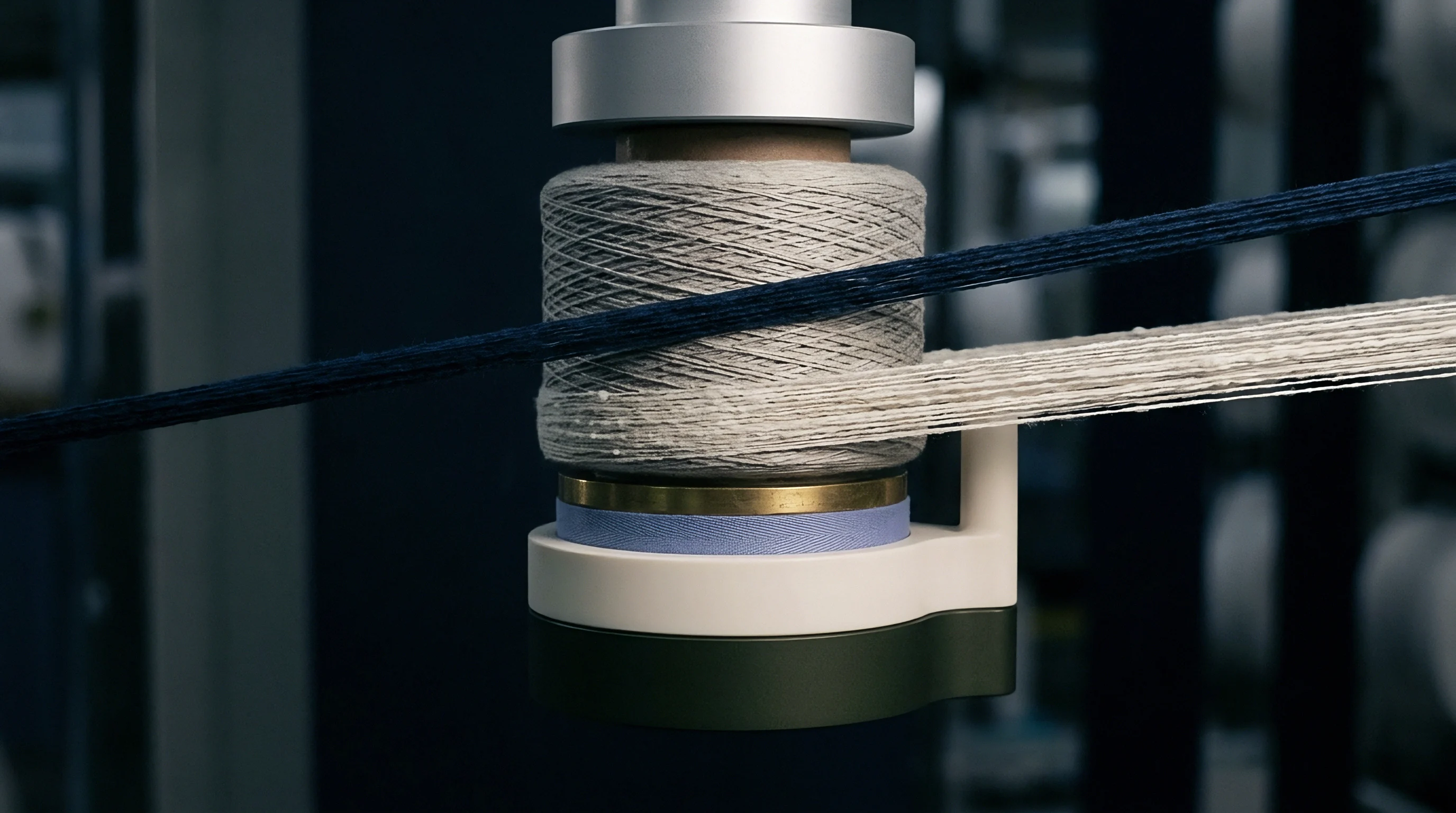
Isotherm
Cellulosic fibers bound water within their molecular structure based on surrounding atmospheric relative humidity and temperature. Water binds within amorphous polymer networks. Hydroxyl groups located along cellulose polymer chains attract water molecules through hydrogen bonding.
Primary absorption occurs as dry fiber takes up vapor from humid air. Desorption occurs when saturated fiber releases vapor into dry air. Absorption curves and desorption curves follow distinct physical pathways across relative humidity ranges from zero to one hundred percent.
The gap between these two curves represents sorption hysteresis.
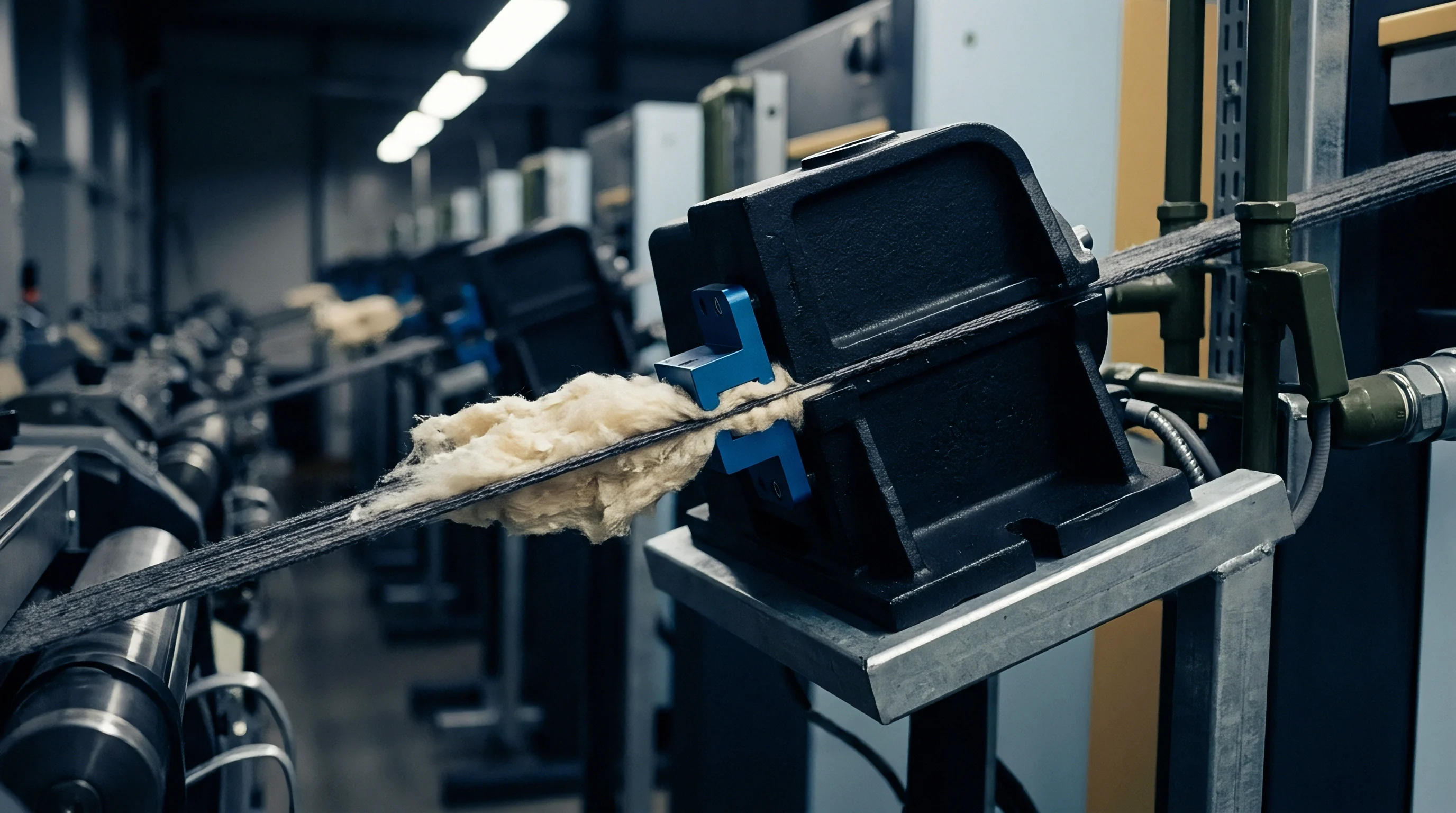
Amorphous Region Accessibility in Recycled Cellulose
Mechanical shredding and chemical repolymerization during recycling disrupt the crystal lattices within cellulosic staple fibers. Mechanical tearing breaks long cellulose chains, increasing the proportion of disordered amorphous regions relative to crystalline regions. Chemical recycling processes alter the crystallite size and orientation within regenerated fibers.
Amorphous regions present loose, unaligned polymer segments containing accessible hydroxyl binding sites. Greater amorphous accessibility increases total water vapor uptake at equivalent atmospheric relative humidity levels. Fiber history dictates final water weight.
ASTM D2495 oven-drying procedures require sealed container sampling to prevent ambient moisture absorption prior to laboratory balance weighing.
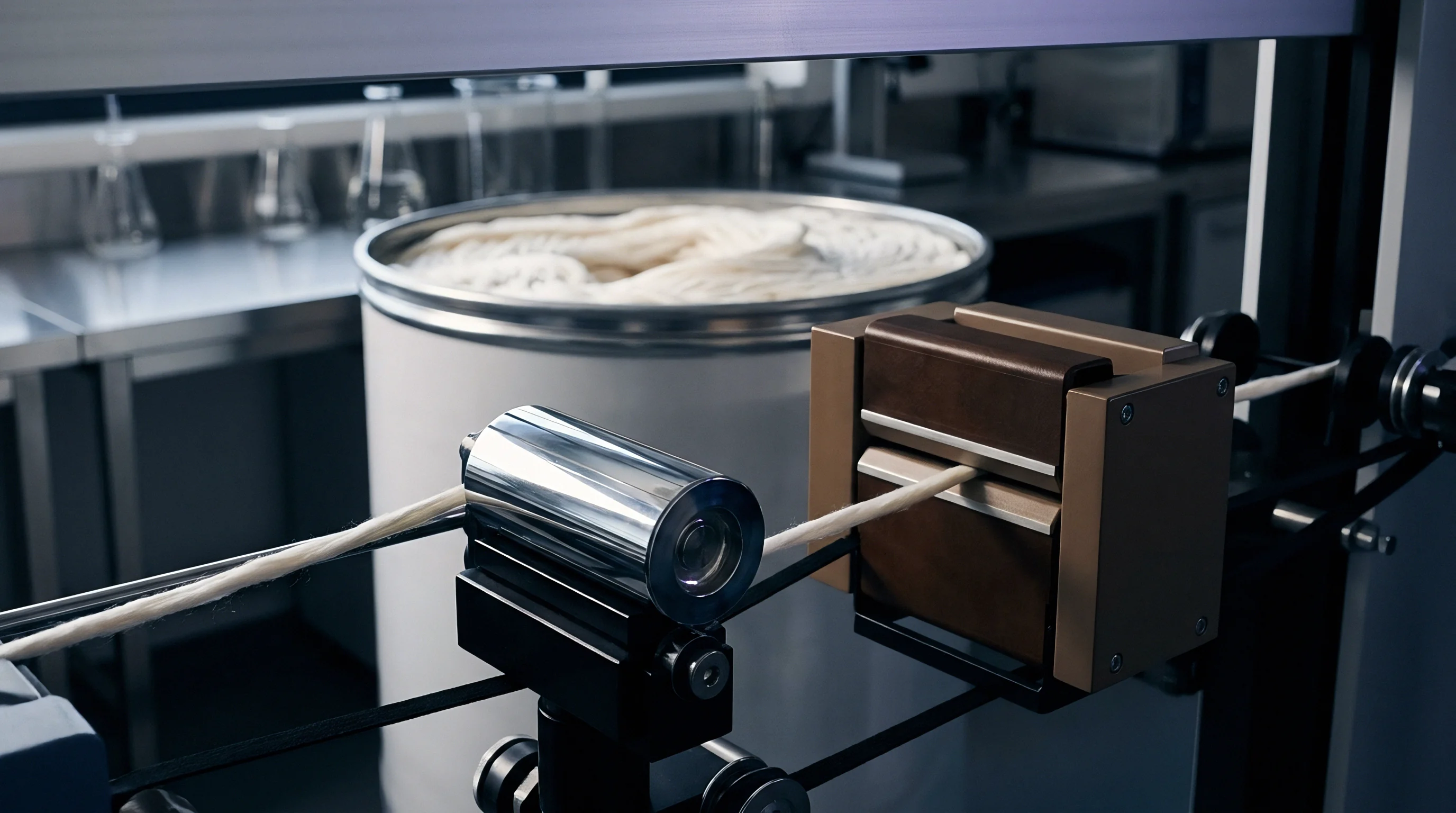
Equilibrium Moisture Content Values
Laboratory measurements across absorption and desorption pathways demonstrate distinct moisture retention figures at identical atmospheric relative humidity. Fiber exposure history determines whether the material resides on the lower absorption branch or the elevated desorption branch. Desorption leaves trapped water behind.
| Fiber Type | Absorption Regain at 65% RH (%) | Desorption Regain at 65% RH (%) | Hysteresis Gap Delta M (%) |
|---|---|---|---|
| Virgin Cotton Staple | 7.2 | 8.6 | 1.4 |
| Virgin Viscose Staple | 11.8 | 13.8 | 2.0 |
| Recycled Cotton Staple (Post-Consumer) | 7.8 | 9.7 | 1.9 |
| Recycled Cellulosic / Viscose Union | 12.4 | 15.1 | 2.7 |
| Values measured per ISO 139 conditioning protocols following full desiccator drying and 95% RH pre-saturation. | |||
Mills frequently attribute mass discrepancies to seasonal ambient humidity fluctuations during yarn spinning rather than structural modifications within the recycled cellulosic fiber.
Hysteresis
Yarn shipments enclosed within ocean containers experience dramatic temperature variations during transit across climate zones. Transit climate shifts moisture levels. Relative humidity inside sealed freight containers fluctuates between forty percent during hot afternoon sun and ninety-five percent during cold maritime nights.
Ocean transit subjects yarn packages to dynamic environmental cycling. When ambient relative humidity rises inside a shipping container, recycled cellulosic yarn absorbs moisture along its primary absorption curve. As the container cools and internal humidity drops, the yarn releases moisture along its secondary desorption curve.
Where Does Invoiced Mass Diverge from True Dry Weight?
Discrepancies open when yarn packages absorb atmospheric moisture along high humidity transit segments and fail to release that moisture when ambient relative humidity drops. Recycled cellulosic fibers retain elevated moisture levels along the desorption pathway due to structural hysteresis. Yarn delivered to a receiving dock at sixty-five percent ambient relative humidity holds significantly more water mass if its preceding transit exposure reached eighty-five percent relative humidity.
Container seals retain internal humidity. The delivery weight recorded on dock scales captures this trapped water mass. Invoicing based on gross weight charges the buyer yarn prices for excess retained water.
Invoicing based on standard regain without actual dry mass testing fails to identify that the true fiber mass delivered sits below the billed net mass.
Yarn packages stored under high humidity transport conditions retain absorbed water longer than virgin fibers when moved into drier ambient storage.
Transit conditions generate specific moisture retention mechanisms within packed yarn pallets:
- Container Microclimates temperature shifts cause localized relative humidity spikes up to ninety percent inside ocean freight units.
- Dense Package Cell Structures package density retards moisture diffusion, trapping water inside inner cone layers during rapid ambient drying.
- Scanning Curve Lag intermediate humidity transitions cause fiber moisture content to follow scanning paths higher than primary absorption isotherms.
- Finishing Oil Interference spin finishes alter water vapor transport rates across fiber bundle surfaces during environmental conditioning.
Ambient air shifts balance points. Dynamic sorption alters delivery weight. Whether standard shipping containers equipped with passive desiccant bags can sufficiently stabilize internal relative humidity below the threshold where scanning curve desorption lag initiates remains open to further empirical field measurement.


Settlement
Financial reconciliation between spinners and weaving mills depends on rigorous sampling protocols performed at incoming cargo inspection. Testing requires standard laboratory conditions. Relying on scale weights taken immediately upon opening shipping container doors creates direct financial disputes.
Commercial contracts specifying price per kilogram require clear formulas to adjust invoice mass back to verified commercial mass. Calculating mass corrections across bulk shipments demonstrates the financial impact of sorption hysteresis.

Invoiced Weight Sensitivity under Moisture Deviations
Calculating financial exposure across a forty-tonne consignment reveals substantial cash variance when moisture shifts away from contractual baseline regain limits. Assume a buyer contracts 40,000 kilograms of 50 percent recycled cotton and 50 percent recycled viscose staple yarn at a price of 3.80 USD per kilogram. The master contract establishes a agreed standard commercial regain of 13.0 percent and a finish allowance of 0.8 percent.
Gross scale weight recorded at the receiving dock measures exactly 40,000 kilograms. Actual dry mass and moisture content vary based on container relative humidity history during maritime transit.
| Transit Ambient Exposure | Measured Moisture Content (%) | Effective Dry Fiber Mass (kg) | Commercial Mass Calculated (kg) | Invoiced Gross Mass (kg) | Financial Deviation (USD) |
|---|---|---|---|---|---|
| Arid Transit (45% RH Baseline) | 9.2 | 36,320 | 41,332 | 40,000 | +5,061.60 |
| Standard Atmosphere (65% RH Baseline) | 12.5 | 35,000 | 39,830 | 40,000 | -646.00 |
| Humid Desorption Lag (88% RH Exposure) | 15.2 | 33,920 | 38,601 | 40,000 | -5,316.20 |
When transit humidity traps water inside the yarn cones at 15.2 percent moisture content, the actual dry fiber mass delivered drops to 33,920 kilograms. Calculating commercial mass from this verified dry fiber mass yields 38,601 kilograms. Billed against the 40,000 kilogram scale weight, the buyer overpays by 5,316.20 USD on a single container shipment.
Moisture adjustments settle invoice totals. Arid transit conditions reverse this dynamic, causing the seller to deliver uncompensated dry fiber mass unless gravimetric testing establishes true dry weights.
Verification Protocol Sequence
Mill receiving departments execute precise gravimetric testing steps to establish defensible moisture content data prior to invoice payment:
- Extract representative core samples from randomly selected yarn packages within two hours of container seal breaking.
- Place sampled yarn cores immediately into airtight glass containers to prevent ambient moisture exchange.
- Weigh sealed containers on a calibrated analytical balance to establish gross sample mass before conditioning.
- Dry yarn samples in a ventilated oven at 105 degrees Celsius until reaching constant mass per ISO 6741-2.
- Calculate true moisture regain percentage using measured dry fiber mass and pre-extracted finish corrections.

Contractual Procurement Checklist
Master yarn purchase contracts contain definitive terms that govern sampling, laboratory drying, and allowance limits. Contract terms establish billing rules. Procurement teams establish binding operational rules within purchase specifications:
- Regain Target Definition specify exact regain percentages for virgin and recycled staple fiber mixtures in master purchase agreements.
- Sampling Protocol Assignment designate standard test methods such as ISO 6741 or ASTM D2495 for incoming shipment verification.
- Discrepancy Threshold Fixing establish minimum mass variance percentages required to trigger formal re-testing or financial adjustments.
- Container Desiccant Mandates contractually require specific moisture control packaging for long-distance maritime transport.
Standard contract clause ISO 6741-2 Section 7 shifts billing weight directly to oven-dry mass plus standard regain, overriding dock delivery scale receipts.


Remedy
Contract clauses establish clear legal boundaries for moisture deviations, sampling procedures, and financial adjustments. Temperature drops drive condensation. Sampling requires airtight seals.
Procurement documentation must eliminate reliance on scale net weights by mandating oven-dry commercial mass calculations as the sole basis for invoice settlement. When buying recycled cellulosic staple yarns, contracts incorporate explicit clauses addressing modified fiber structure and elevated sorption hysteresis.

Moisture Allowance Covenants
Commercial contracts state exact moisture boundaries and clear protocols for resolving weight differences. Standard terms specify that receiving party test results govern payment adjustments when sampling occurs within forty-eight hours of container discharge. Testing protocols mandate ISO 139 standard atmosphere conditioning of 20 degrees Celsius and 65 percent relative humidity for reference sample arbitration.
Contract clauses set a weight discrepancy threshold of 0.5 percent. Mass variations within 0.5 percent of invoiced commercial mass require no billing adjustment. Mass variations exceeding 0.5 percent trigger mandatory invoice recalculation based on actual oven-dry testing.
Recycled cellulosic staple yarns require adjusted baseline regain figures in purchase contracts to reflect their modified amorphous cellulose content.
Conditioning samples to true equilibrium in a standardized atmosphere provides the only reliable defense against invoice weight disputes.