Mechanical Metric
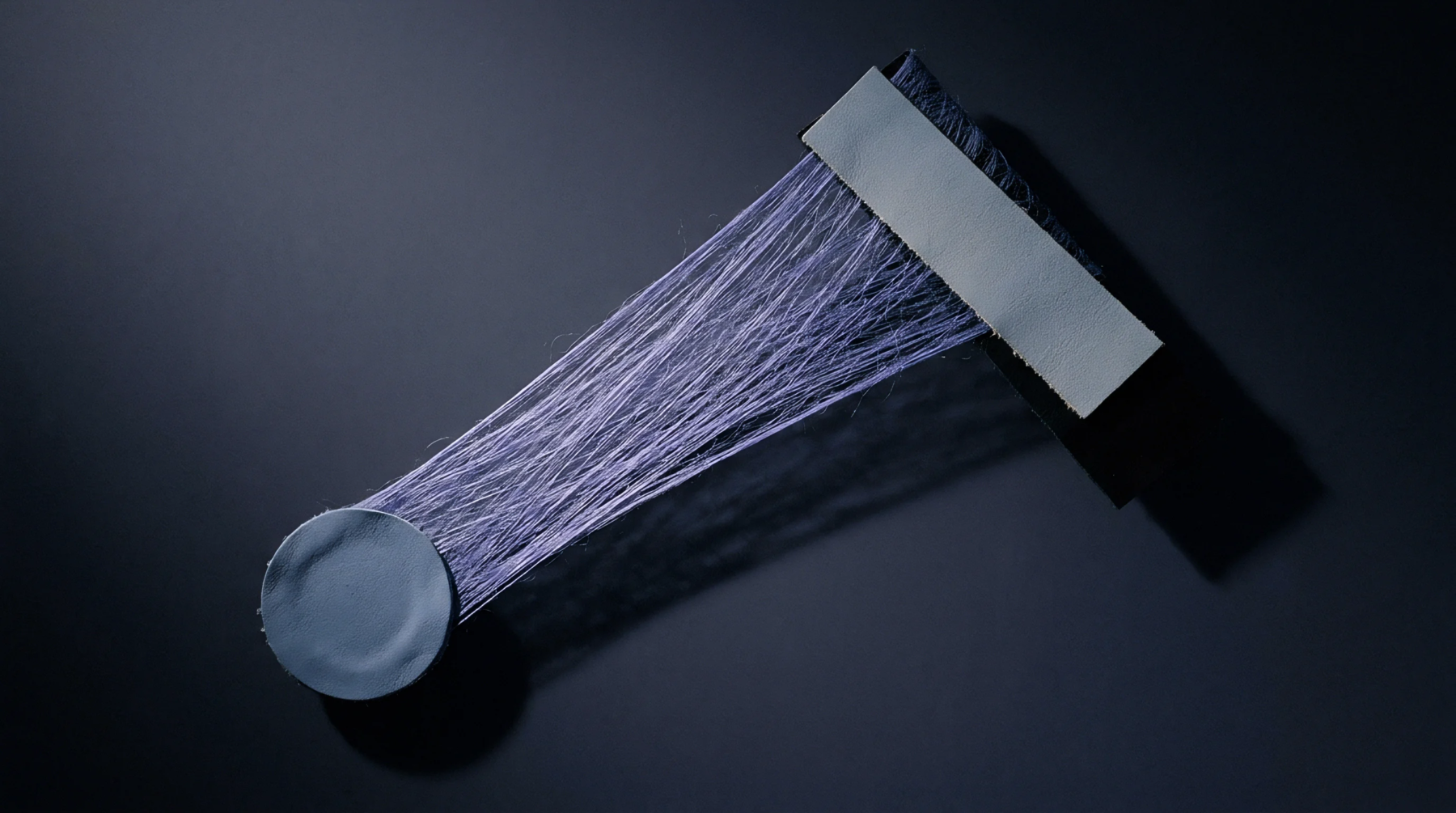
Normalized force metrics measure breaking strength per unit linear density, allowing direct mechanical comparison across different yarn counts and fiber sizes. Recording tenacity cn/tex establishes specific breaking force in centinewtons divided by yarn linear density in tex. Expressing strength independent of yarn thickness allows yarn buyers to compare fine filament yarns directly against heavy industrial cords.
Textile testing laboratories evaluate this property using constant-rate-of-extension tensile testing machines under standardized temperature and humidity conditions.
Tensile Protocol
Standardized testing procedures pull single yarn strands or fiber bundles to rupture at controlled extension speeds. Evaluating tenacity cn/tex requires precise measurement of specimen linear density via gravimetric cut-and-weigh methods before mounting yarn in pneumatic clamps. Load cells measure peak breaking force in centinewtons, which software divides by measured tex to calculate specific tenacity.
Testing parameters specified in ISO 2062 require gauge lengths of two hundred fifty millimeters and strain rates of one hundred percent per minute to eliminate velocity effects on measured strength.
Structural Correlation
Molecular orientation and polymer crystallinity govern breaking force performance per unit linear density. Yarns exhibiting higher tenacity cn/tex resist high-speed weaving stresses and reduce warp end breakage rates on air-jet looms.
Test Limitation
Specific tenacity values fail to predict fabric tear strength when yarn-to-yarn friction or weave structure is ignored. Evaluating tenacity cn/tex under dry laboratory conditions does not reflect wet strength loss in moisture-sensitive fibers like viscose or nylon. High tenacity measured at slow laboratory strain rates does not guarantee impact resistance during ballistic or industrial drop shocks.