
Declared Composition Tolerance against What the Test Method Returns
Declared composition tolerances bridge laboratory test method noise and commercial target blend ratios through standardized moisture regain corrections.
Declared composition tolerances bridge laboratory test method noise and commercial target blend ratios through standardized moisture regain corrections.
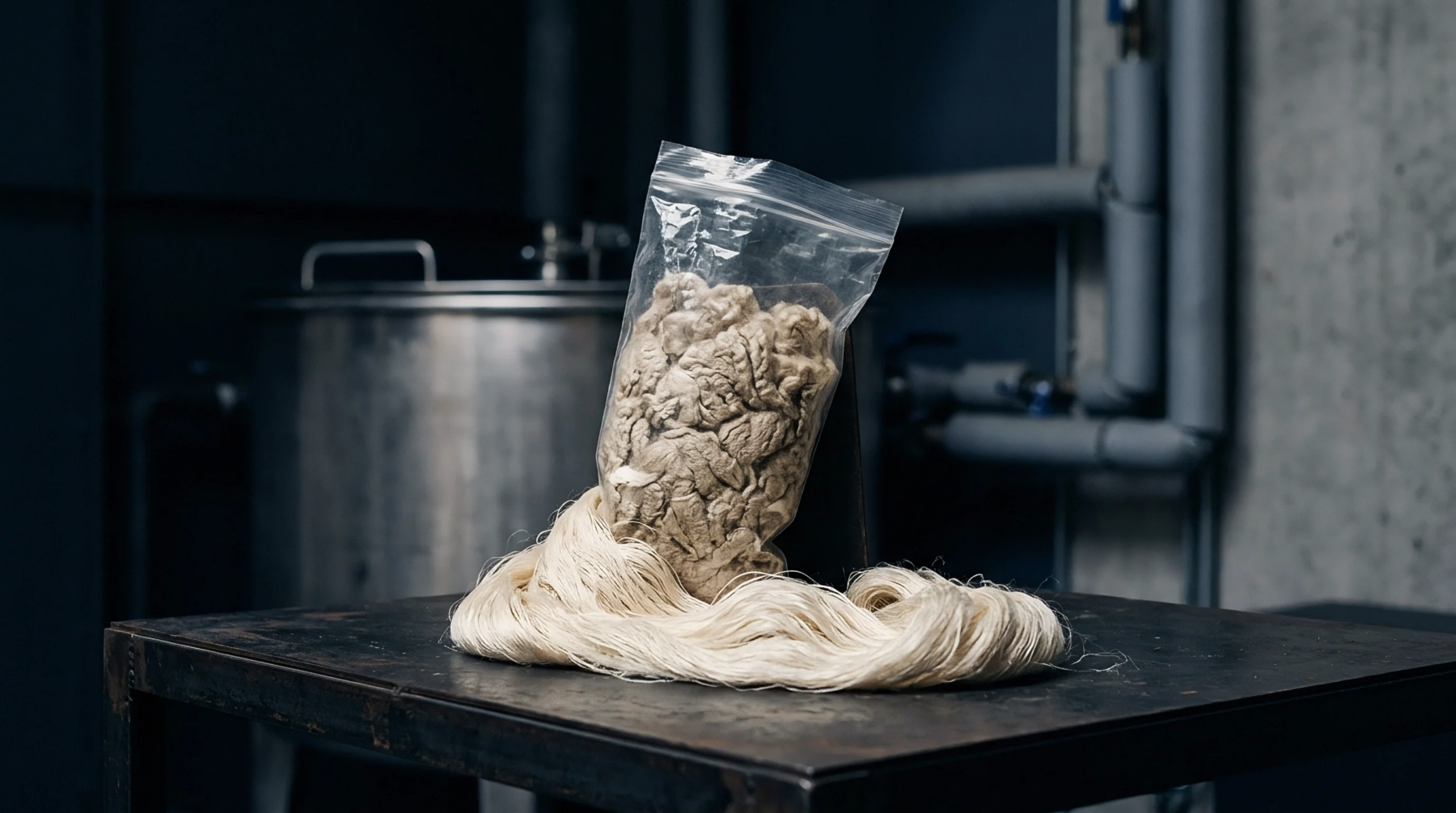
Commercial mass equals oven-dry mass multiplied by standard regain allowances, establishing an immutable billable weight independent of transit moisture shifts.

Buyers verify viscose pulp origin using stable isotope profiling alongside physically segregated chain of custody documentation from pulp mill to yarn.

Harmonizing transpacific chemical retests requires matrix-matched solvent selection, standardized extraction temperatures, and agreed guardbanding decision rules.

Calculate dehairing yield by converting raw mass to clean dry keratin weight, subtracting guard hair and dirt losses, and normalizing to 17% commercial regain.

Unextracted spinning oils distort oven-dry fiber mass ratios, triggering false chief-weight customs reclassifications between cotton and viscose tariffs.

Reconciling yarn extrusion transaction certificates requires adjusting gross output weight for spin finish oils and moisture against real extruder purge loss.

Reconciling quantitative chemical dissolution variances requires adjusting raw dry laboratory residues using standardized solvent d-factors and statutory commercial regain allowances under ISO 6741.

Statutory customs petroleum ether pretreatments fail to extract polar ethoxylated spin finishes, distorting dry fiber mass and shifting tariff lines.

Removing non-fibrous finish via standard solvent extraction before chemical separation ensures accurate clean dry fiber mass and correct customs tariff classification.
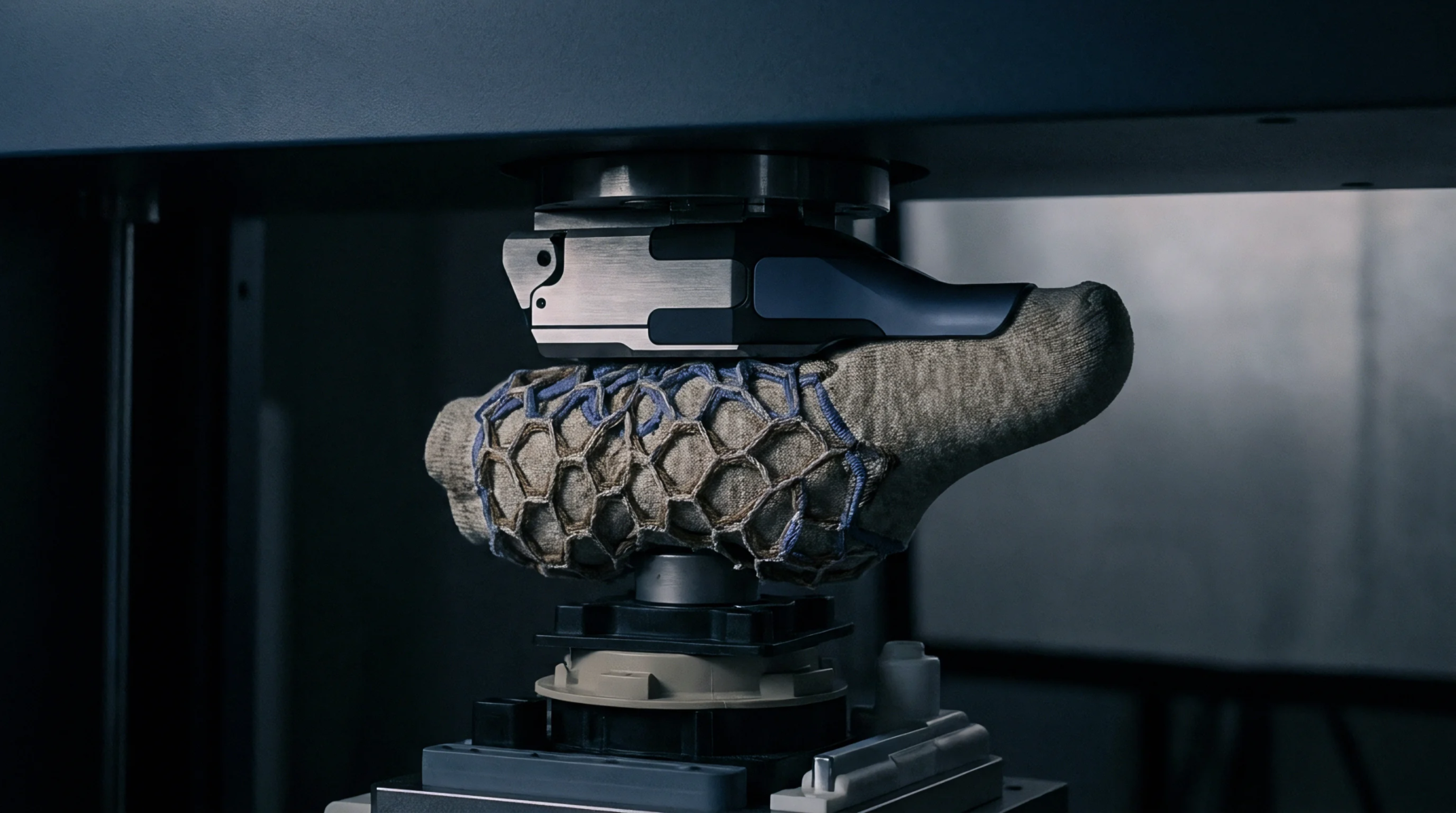
Chlorinated solvent extraction of synthetic yarns leaches structural cyclic oligomers, requiring chromatographic baseline corrections to prevent inflated finish oil counts.
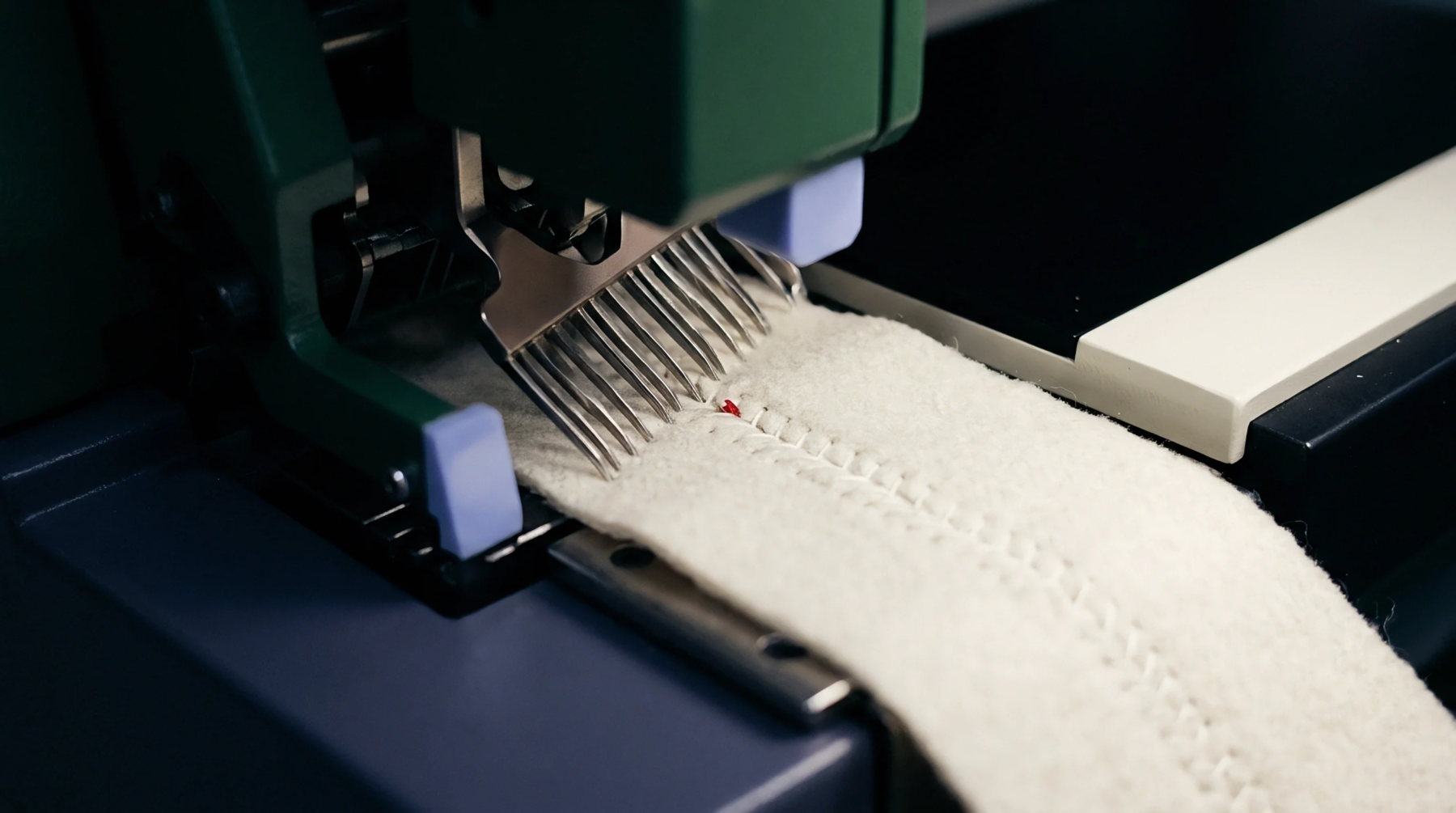
Resolving yarn density disputes requires standardized Soxhlet solvent extraction, precise 0.5 cN/tex pretensioning, and ISO 5725 statistical critical difference bounds.

Quantitative solvent extraction defines yarn blend ratios by dry mass, determining tariff headings where a 1 percent shift alters landed duty costs.

Wet finishing contraction alters fabric mass per square metre and relative fiber weight fractions, driving tariff classification drift and landed cost escalation.

Commercial mass calculations adjust physical scale weight to agreed moisture regains, protecting yarn buyers from paying for excess atmospheric water.

Pre-extract spin finishes with petroleum ether and apply accurate d-value corrections to ensure precise cotton-viscose gravimetric separation and tariff compliance.

Chlorinated Soxhlet solvents remove hydrophilic polyether spin finishes completely but risk co-extracting polymer oligomers, shifting baseline dry fiber mass.

LC-MS/MS biomarker quantification measures species-specific keratin peptide markers to verify cashmere yarn purity within a 1.0 percent mass limit of quantification.

Determining dry mass ratios requires desiccation at 105 °C, selective chemical dissolution under ISO 1833, d-factor correction, and commercial regain adjustments.

Sustaining a 1.8 percent ester lubricant film on elastane cores prevents elastomeric rupture when jet nozzle pressure exceeds 2.2 bar.

Quantitative chemical dissolution corrections require applying d-factors and official commercial regain values to establish true dry fiber composition for invoice settlement.

ISO 17025 envelope testing establishes clearance by testing worst-case chemical and physical fabric boundaries to clear full material families across markets.

Commercial regain calculations adjust oven-dry fiber weights to standardized moisture allowances, determining accurate customs blend percentages and duty.
Determining raw cashmere fibre micron profiles in scoured bales requires core sampling, lipid extraction, and truncated bimodal histogram distribution analysis.

Commercial regain corrections convert oven-dry laboratory residue masses into legal billed weights to prevent customs penalties and tariff misclassification.
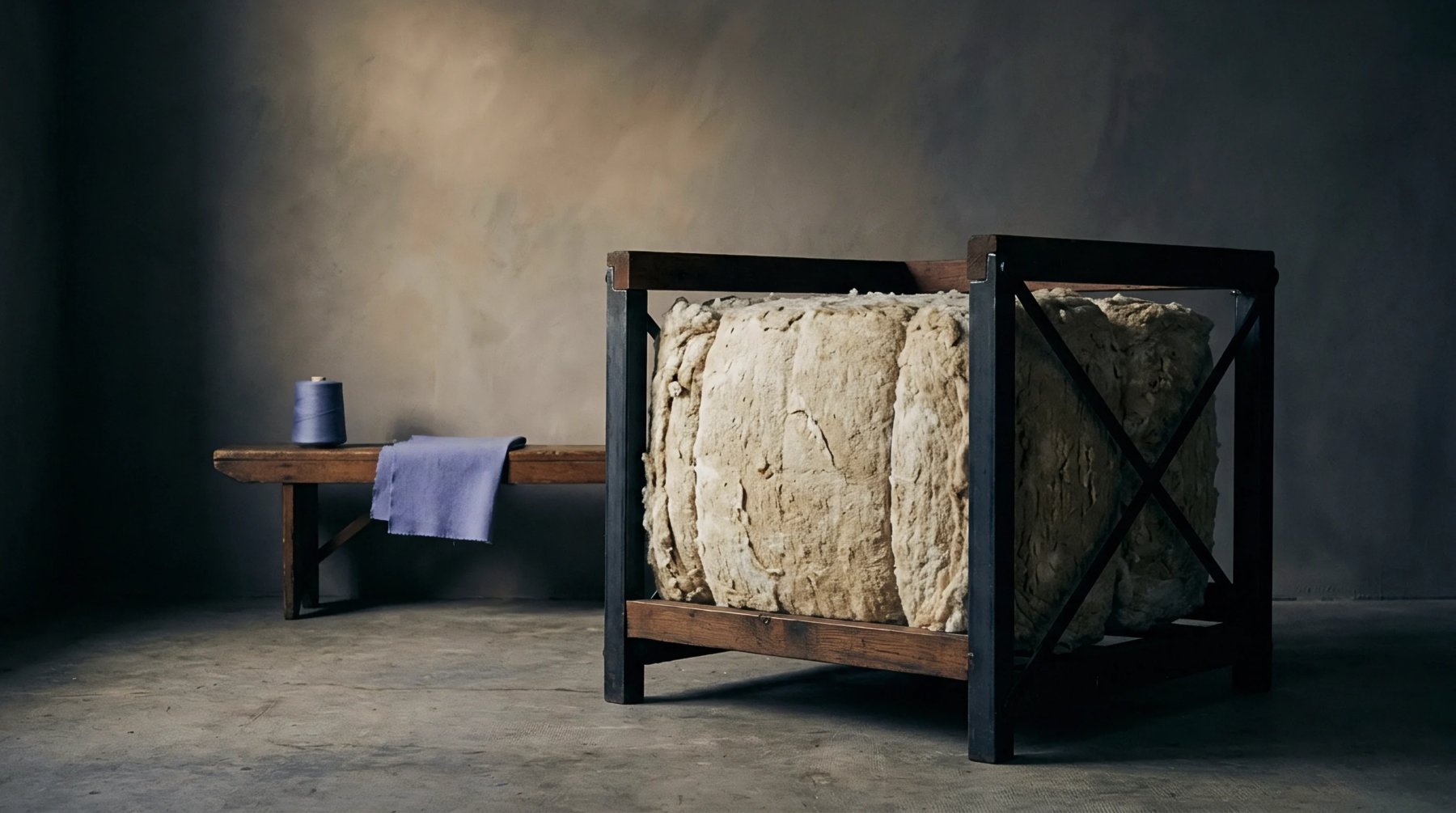
Determine commercial mass by calculating clean oven-dry mass from certified core samples and adding standard international commercial regain allowances to settle invoices.
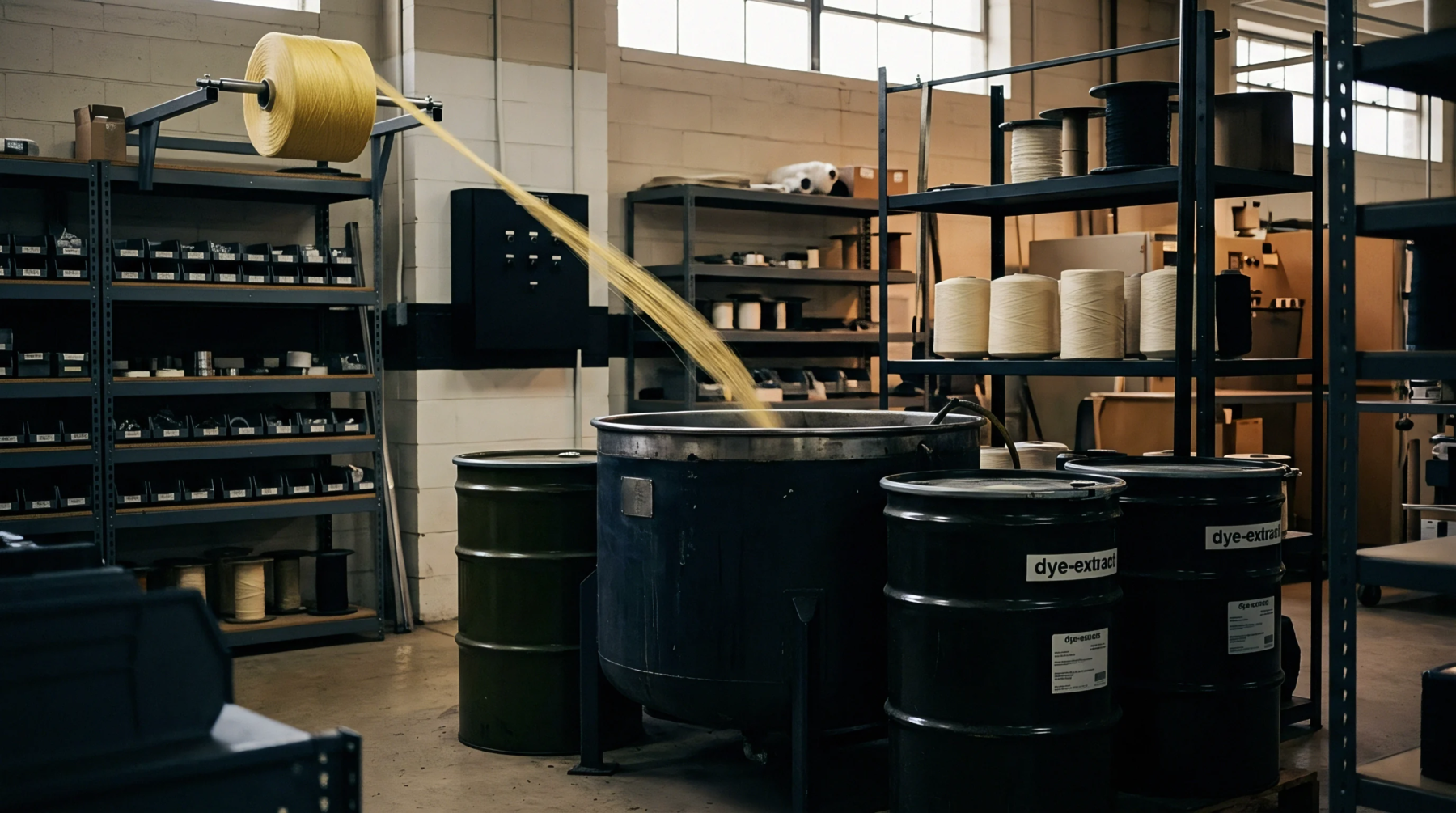
Uncontrolled greige storage triggers moisture migration, lipid autoxidation, and sizing retrogradation, which impair surface wettability and cause severe dye absorption variances.

Cross-border restricted substance clearance demands aligning solvent extraction parameters, instrument detection limits, and batch sampling protocols across jurisdictions.

Polyvinyl chloride compliance demands precise thermal desorption parameters to remove residual solvents and lock phthalate plasticizers within polymer matrices.
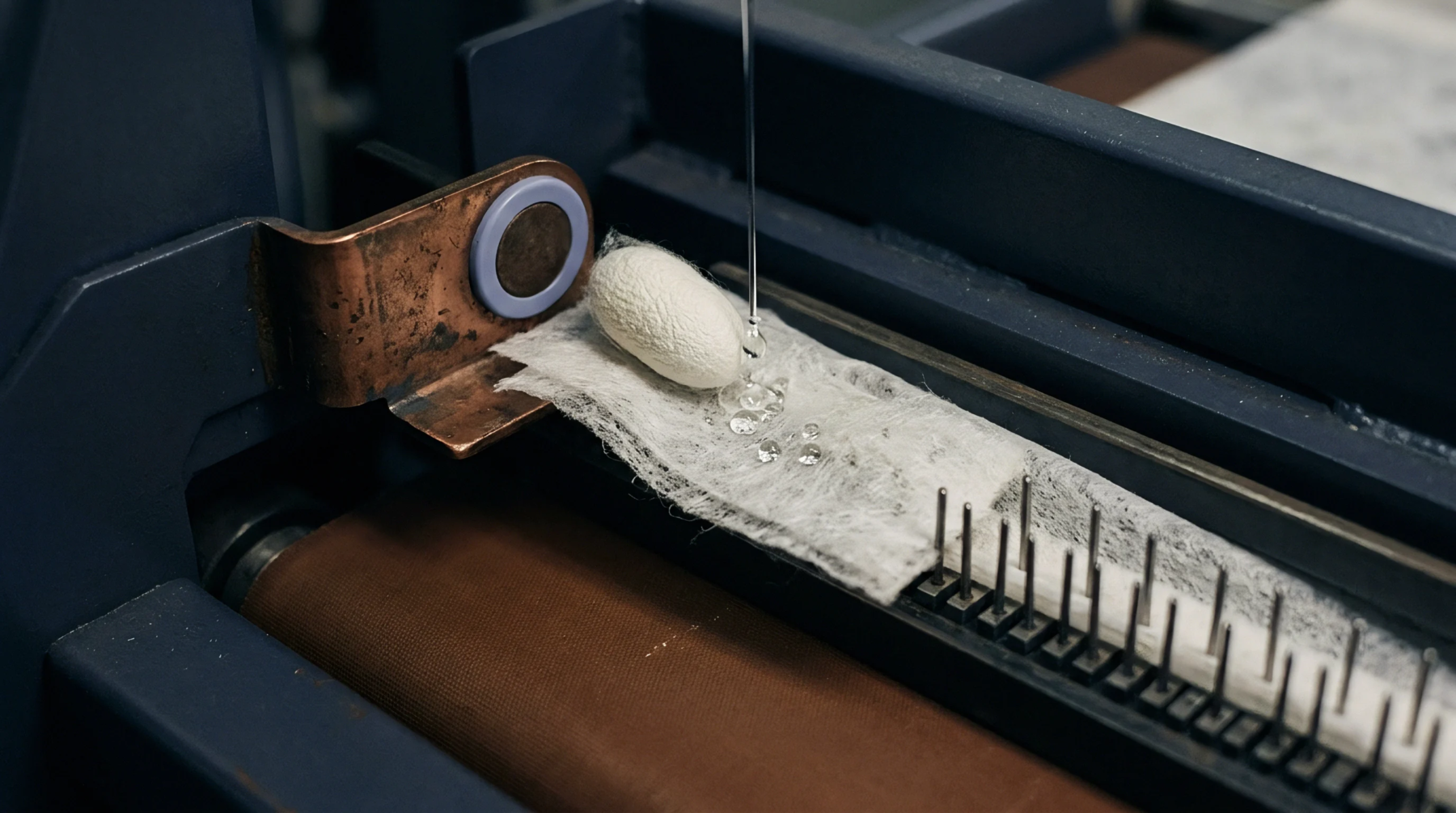
Commercial mass determination reconciles clean dry polymer mass with official regain allowances to secure precise customs compliance and financial settlement.
Expertise is a utility, not a secret. sentiention™ publishes its working knowledge as open reference: intelligence layer covering the materials it sources, the markets it enters, and the reference that serves both.