Solvent Processing
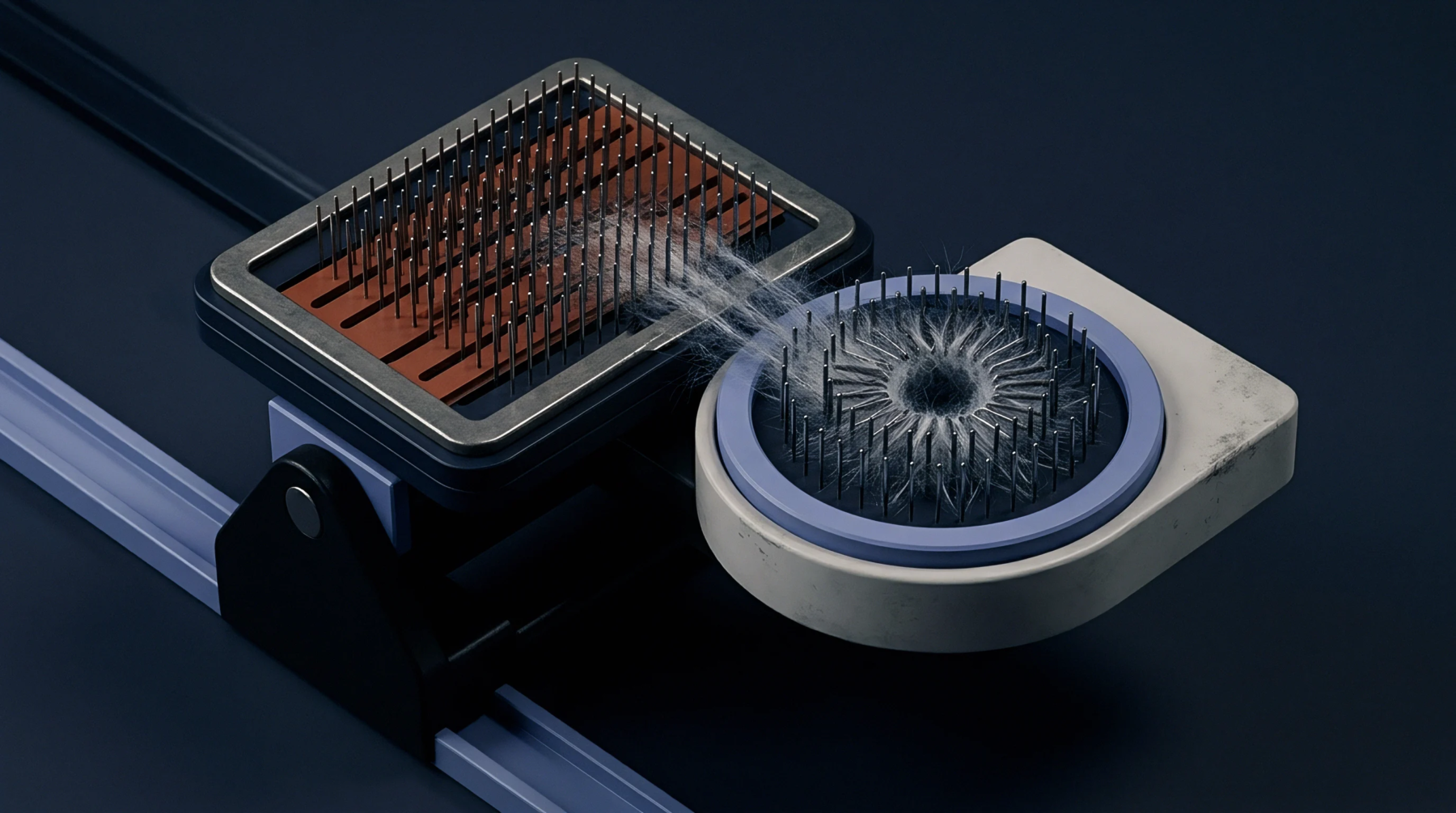
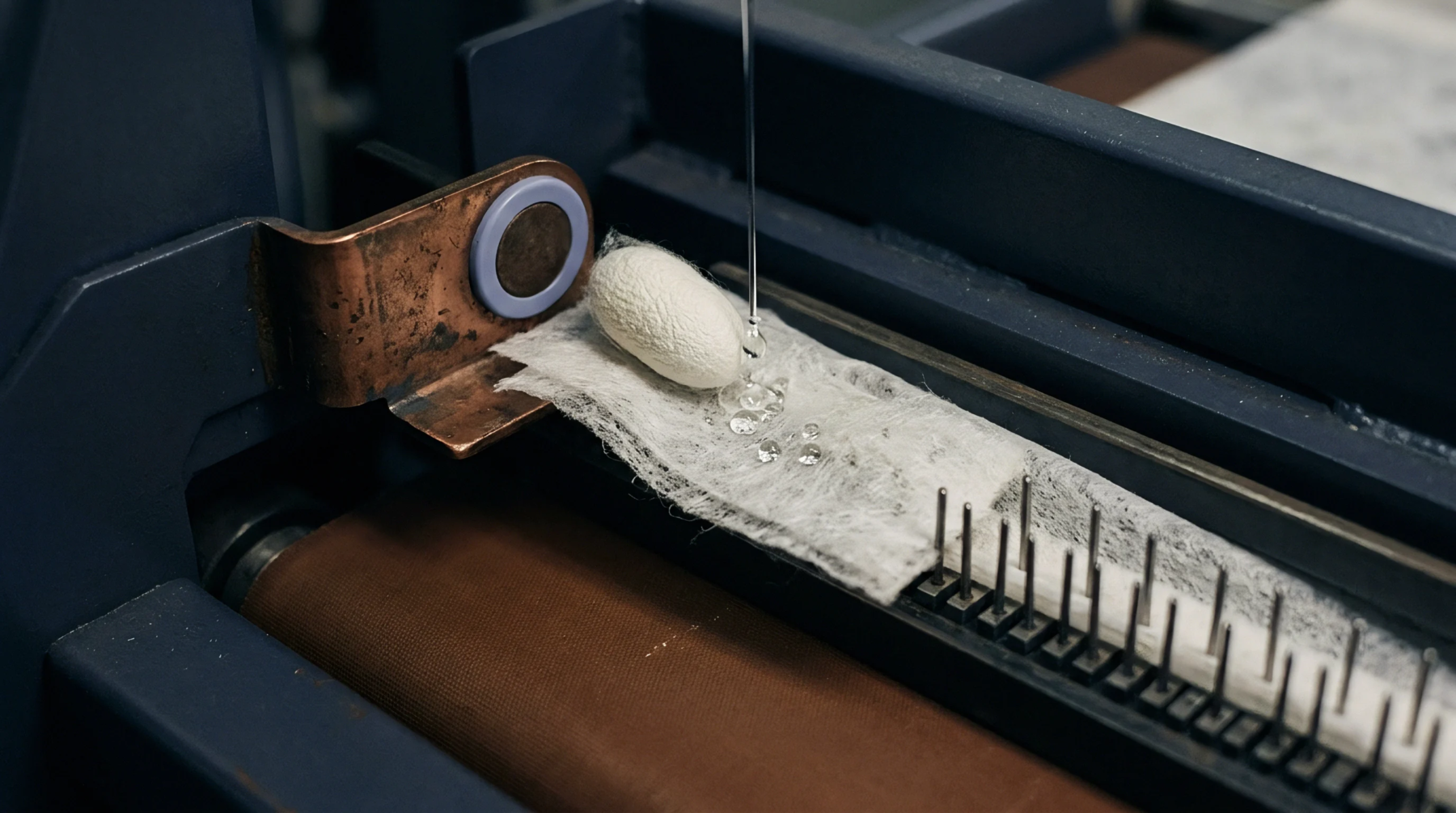
Regenerated cellulose fibre production involves the direct dissolution of wood pulp in a liquid amine oxide system to achieve high crystalline orientation in the finished filament. This lyocell manufacturing route allows for near total solvent recovery by closed loop filtration. Water usage drops significantly compared to traditional viscose methods because chemicals recirculate within the reaction chamber rather than discharging into wastewater streams.
High mechanical strength defines the resulting yarn especially when wet since the polymer chains remain stable against swelling. Dry tenacity remains superior to cotton and synthetic equivalents of identical denier.
Fibre Morphology
Surface structure analysis shows a smooth round cross section that contributes to the characteristic softness and luster of lyocell textiles. Scanning electron microscopy reveals high uniformity in fibril alignment which prevents premature piling during mechanical friction tests. Dye uptake efficiency reaches a higher plateau than untreated natural fibres due to the large amorphous areas present within the polymer matrix.
Uniformity in filament diameter ensures that fabric surface consistency stays within acceptable tolerance ranges for high end garment production.
Solvent Recovery
Chemical circulation efficiency measures the success of the process engineering and environmental impact of the plant. Large scale installations reclaim over ninety nine percent of the amine oxide solvent during every wash and evaporation cycle. Distillation units scrub impurities from the solvent bath before reintroducing the clean agent into the dissolving tank.
Low toxicity levels in the final effluent stream verify the claim of lower chemical burden during production. Stringent heat control maintains the stability of the solution without degrading the cellulose chains or causing unwanted discoloration in the final fibre batches.
Mechanical Specification
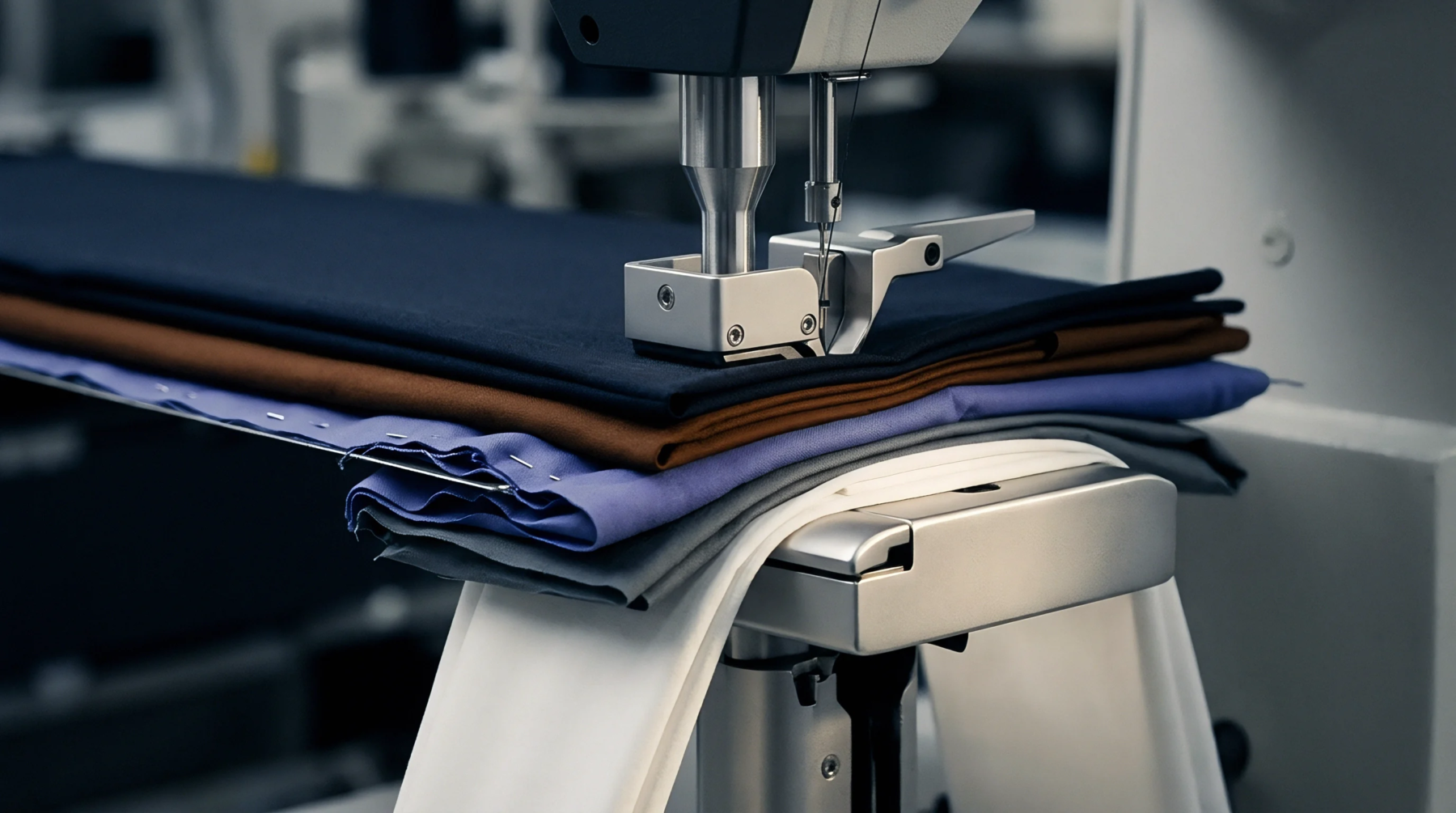
Fabric performance limits depend on the specific fibrillation propensity of the fibre which designers adjust through mechanical or chemical finishing treatments. Enzymatic scouring removes surface fibrils to create a peach skin texture while resin application restricts movement to prevent surface pilling. Tensile testing verifies that the yarn maintains load bearing capacity under repeated wash cycles.
Industry verification requires testing dry tenacity against wet tenacity to confirm the strength retention ratio expected from high quality wood pulp cellulose. Shrinkage control remains the primary barrier to dimensional stability in woven goods containing high percentages of the material. A low degree of polymerization variance marks the difference between stable commercial batches and experimental test runs.
Consistent fibre crystallinity creates the predictable hand feel required for premium apparel manufacturing.