Agricultural Feedstock
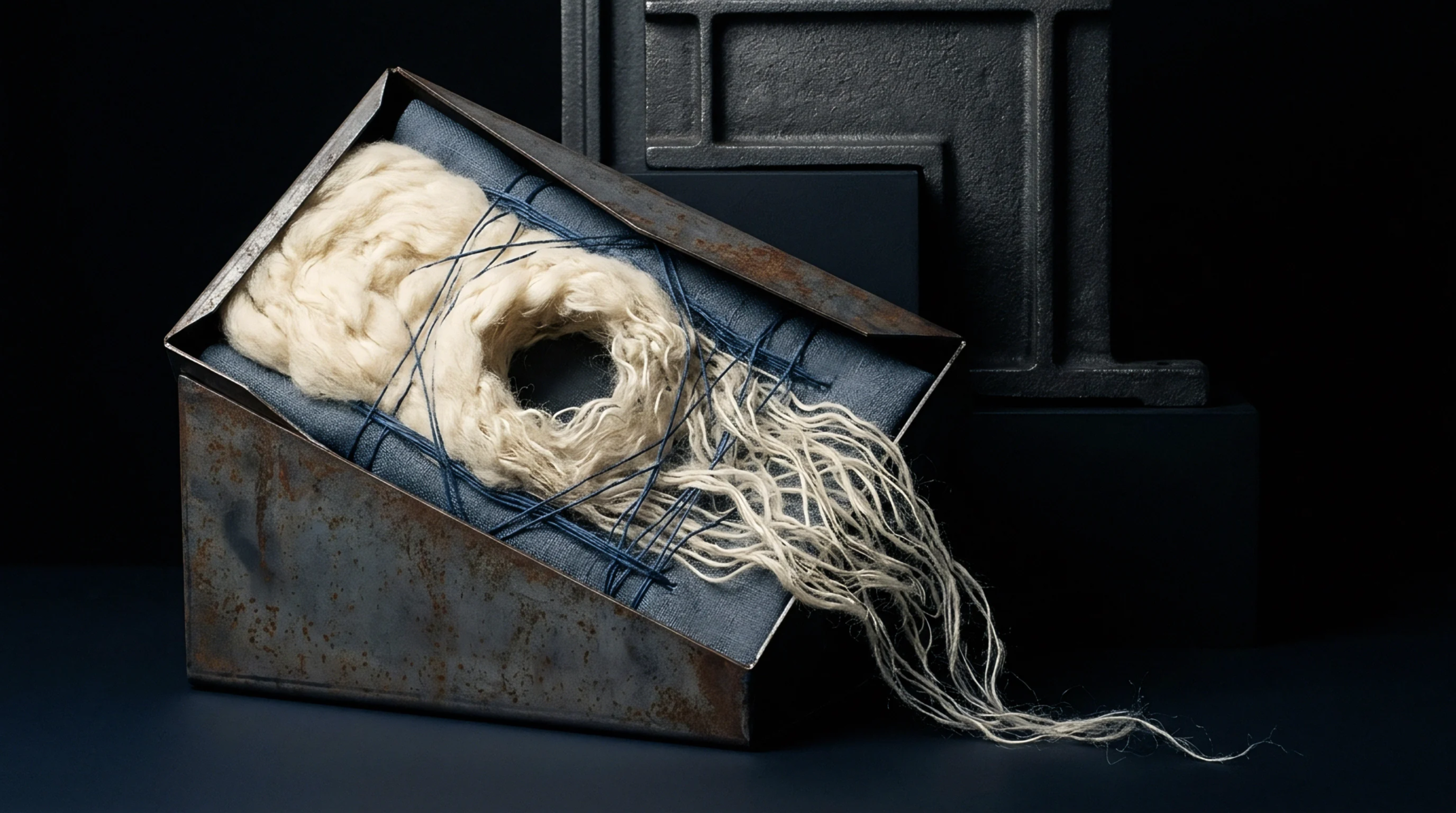
The unspun and unprocessed seed hair of the cotton plant forms the primary natural material for the global spinning industry. Before yarn manufacture begins, raw cotton must undergo extensive ginning and opening to remove leaf particles and soil. This material arrives at the spinning mill in compressed bales that require mechanical blending to achieve a uniform feed.
The quality of this input directly determines the strength and fine count limits of the resulting yarn.
Quality Classification
Grading systems evaluate the material based on fibre length, colour, and trash content. High-grade specimens with long, fine staple fibres are reserved for combed yarn production, which command premium prices. Poor grading can lead to excessive yarn breakages during the high-speed spinning process.
Testing Parameter
High Volume Instrument testing assesses the micronaire and maturity of the incoming bales. Micronaire measurements reflect both fibre fineness and cell wall development, which are critical for dye absorption. This testing step allows the mill to create a balanced bale laydown that prevents dye barry in the finished fabric.
Moisture Correction
Evaluating the moisture content of the incoming bales is essential to ensure fair trade weights. If the shipment contains excess water, the buyer pays for water weight instead of dry fibre. Standard commercial regain allowances are used to calculate the correct invoice price.