
Gas Chromatography Mass Spectrometry Quantification of Aromatic Amines in Polyethylene Terephthalate
Quantification of banned aromatic amines in PET requires solvent extraction, chemical reduction, and GC-MS SIM analysis against a 20 mg/kg limit.
Quantification of banned aromatic amines in PET requires solvent extraction, chemical reduction, and GC-MS SIM analysis against a 20 mg/kg limit.
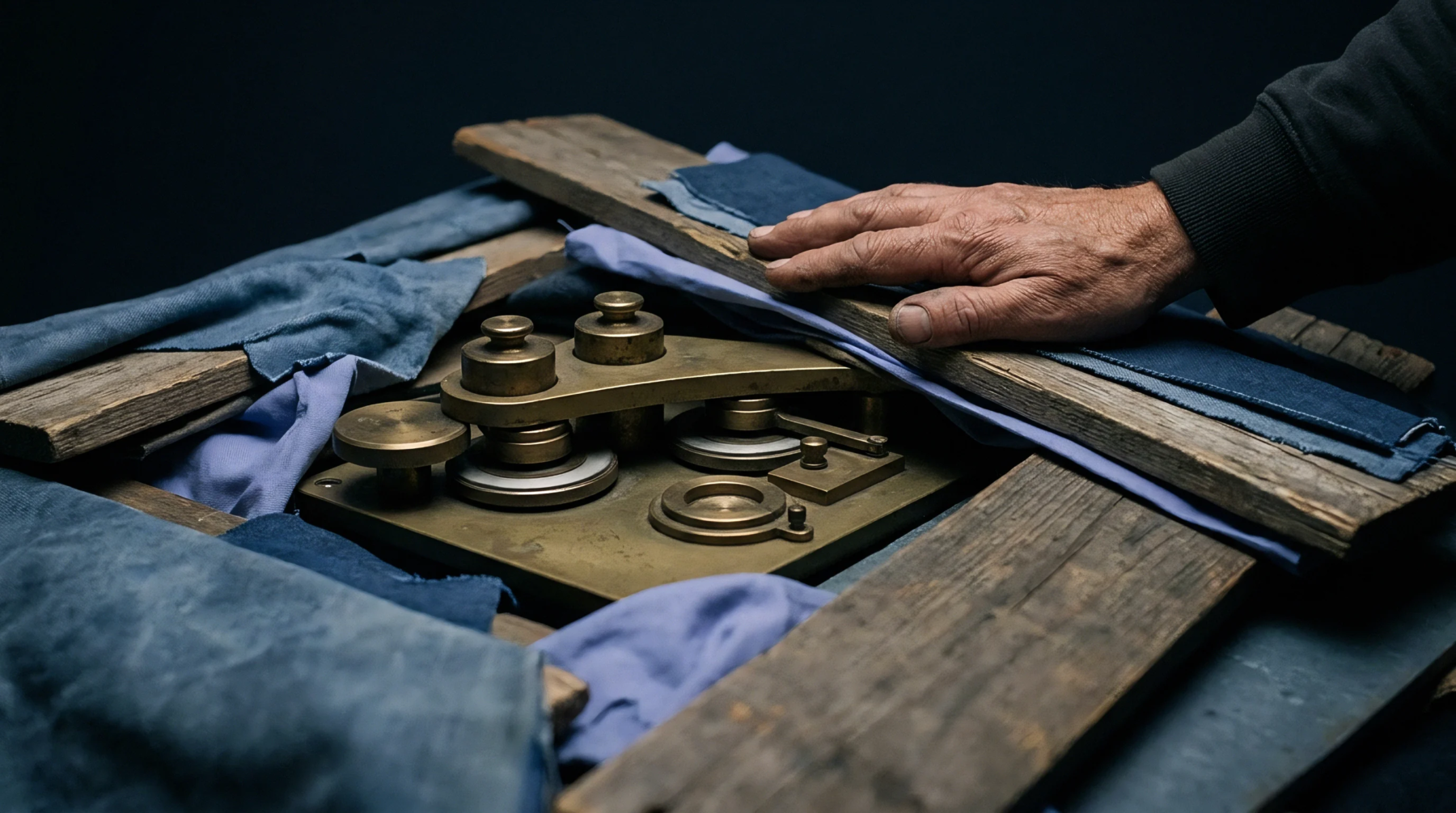
Reconciling multi-sourced fabric chemical variances requires pre-agreed guarded decision rules, standardized split sampling, and binding referee arbitration.
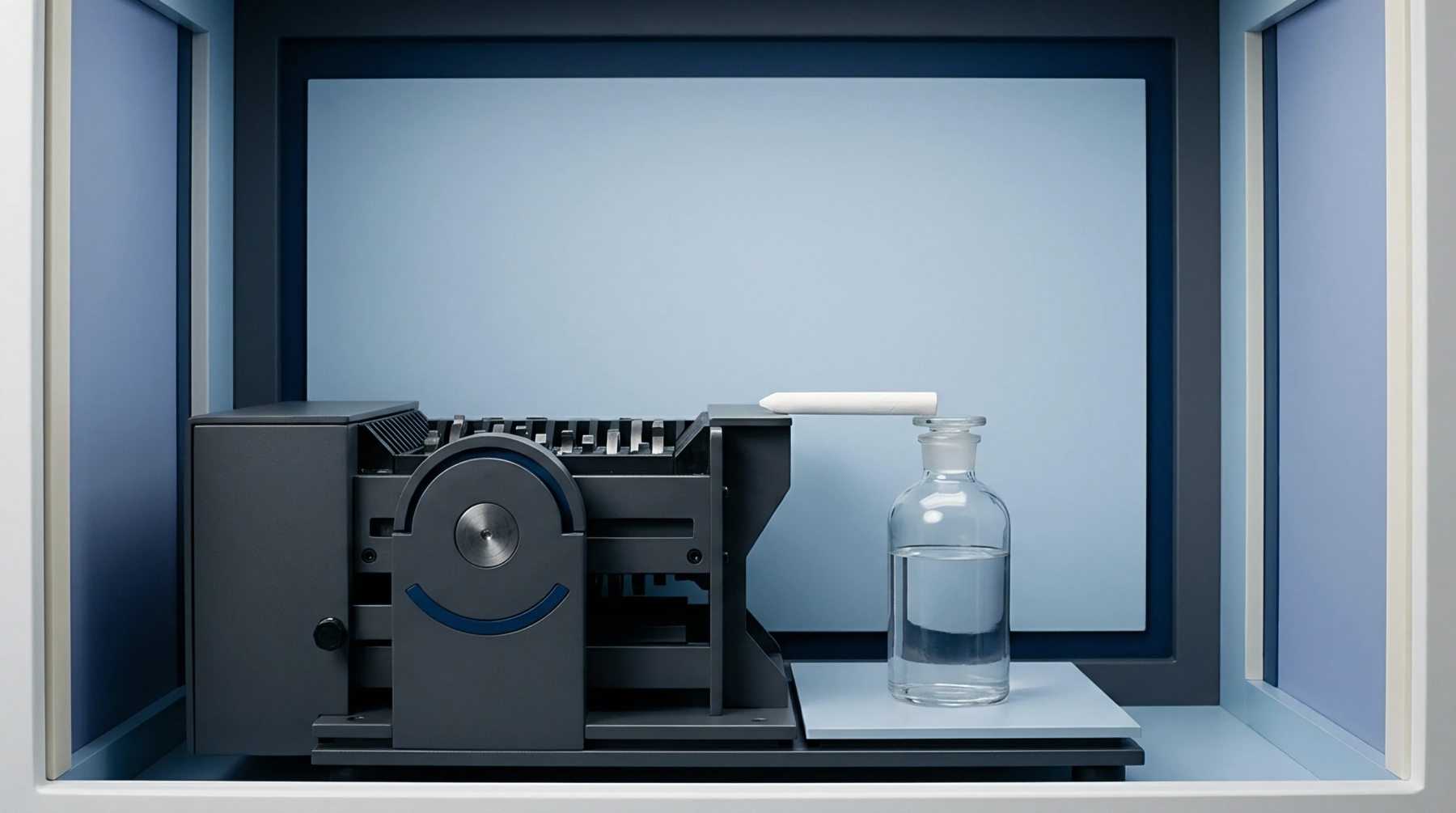
Exhaustive cryogenic milling combined with swelling solvent extraction and liquid chromatography resolves inter-laboratory divergence in bound solvent assays.
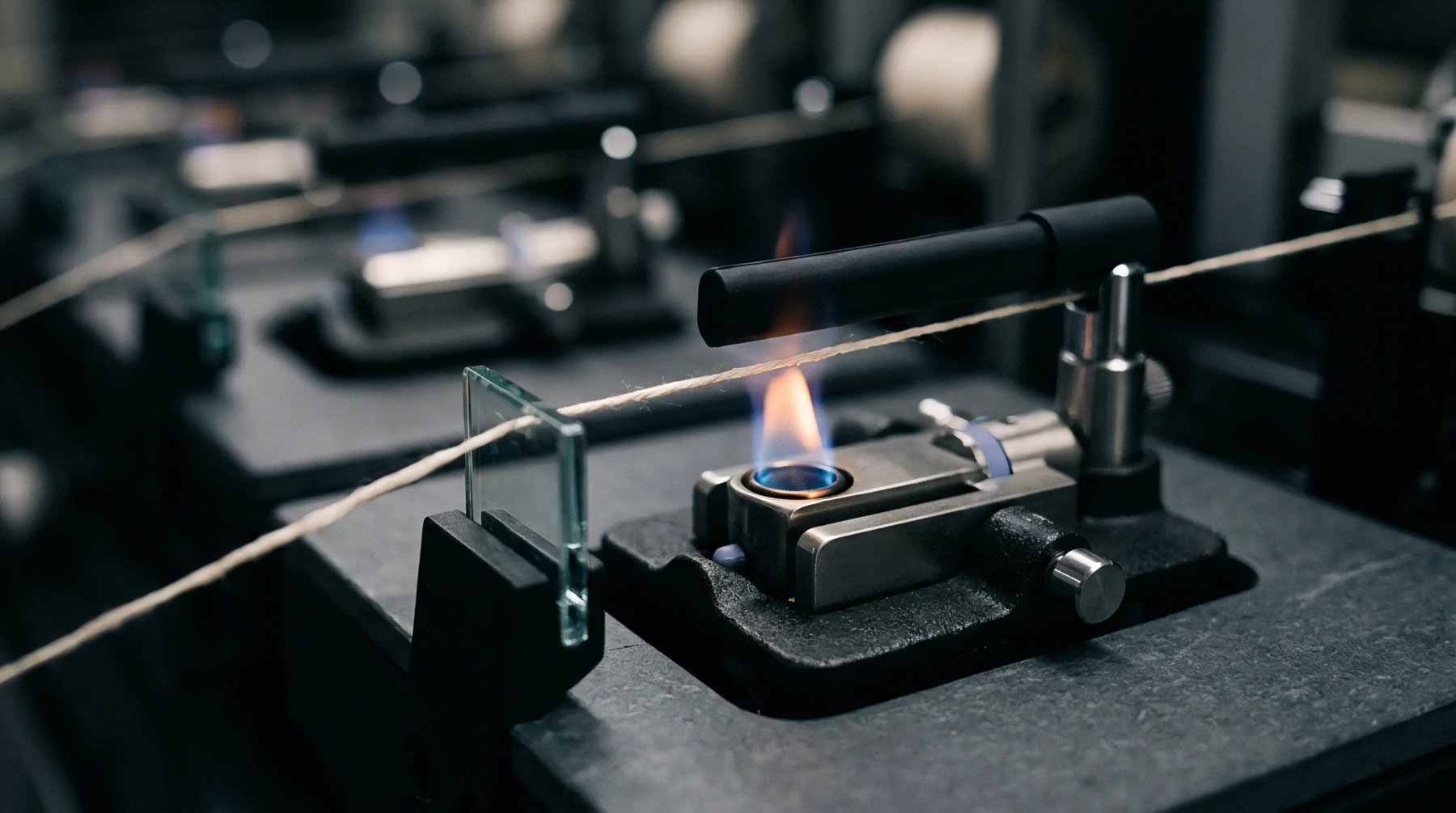
Solvent extraction isolates total bound polar solvents, while headspace gas chromatography measures only volatile fractions in thermodynamic equilibrium.

Managing analytical variance in repeat fabric testing requires ISO 17025 lab alignment, ISO 10576 guardbanding, and cryogenic sample preparation.

Correcting isobaric peptide mass shifts in proteomic fibre testing prevents false wool detections and protects cashmere customs declarations from penalties.
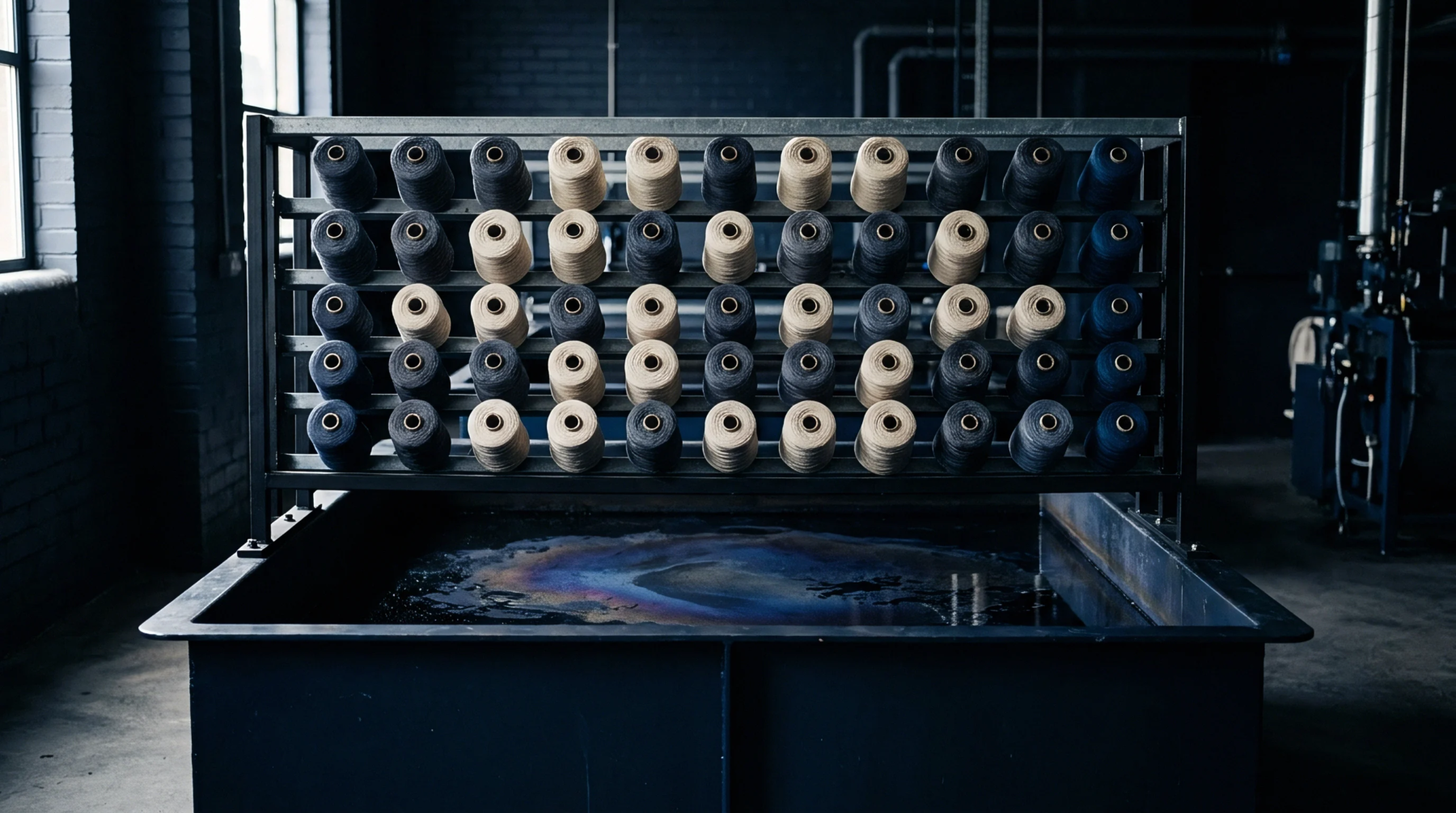
High performance liquid chromatography quantifies polyamide cyclic monomer densities down to five parts per million following cryogenic milling and methanol reflux.

Cross-border restricted substance clearance demands aligning solvent extraction parameters, instrument detection limits, and batch sampling protocols across jurisdictions.
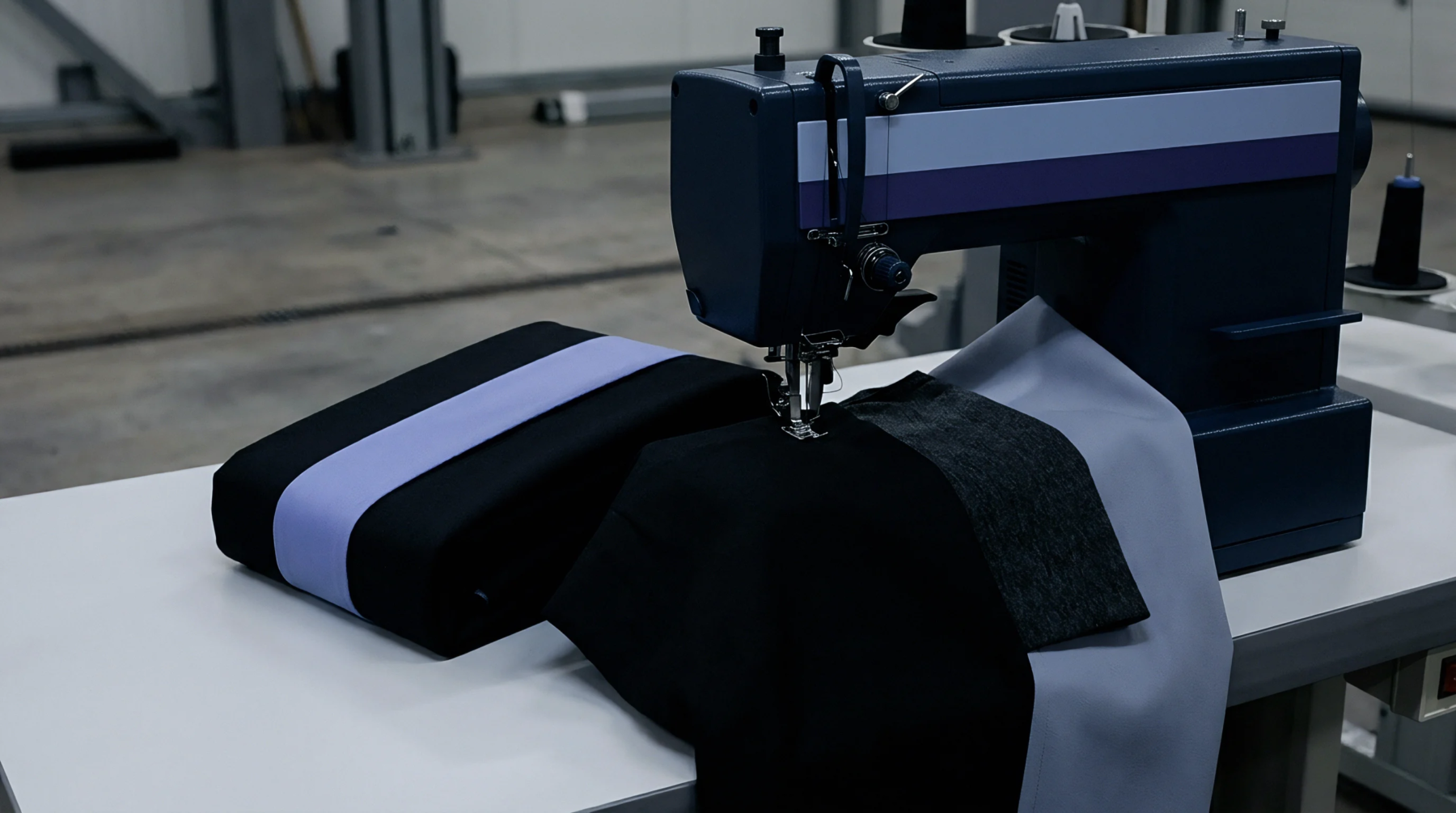
Optimize GC-MS solvent testing using methanol swelling and deuterated internal standards to verify sub-ppm polar amide compliance before shipment clearance.
Expertise is a utility, not a secret. sentiention™ publishes its working knowledge as open reference: intelligence layer covering the materials it sources, the markets it enters, and the reference that serves both.