
Standardizing Direct Linear Density Verification in Ring Spun Yarns
Accurate direct linear density verification in ring spun yarn demands exact tension control, moisture regain correction, and calibrated specimen lengths.
Accurate direct linear density verification in ring spun yarn demands exact tension control, moisture regain correction, and calibrated specimen lengths.

Contractual weight tolerance bands govern linear yardage yield, moisture regain adjustments, and cutting room markers to protect garment cost margins.
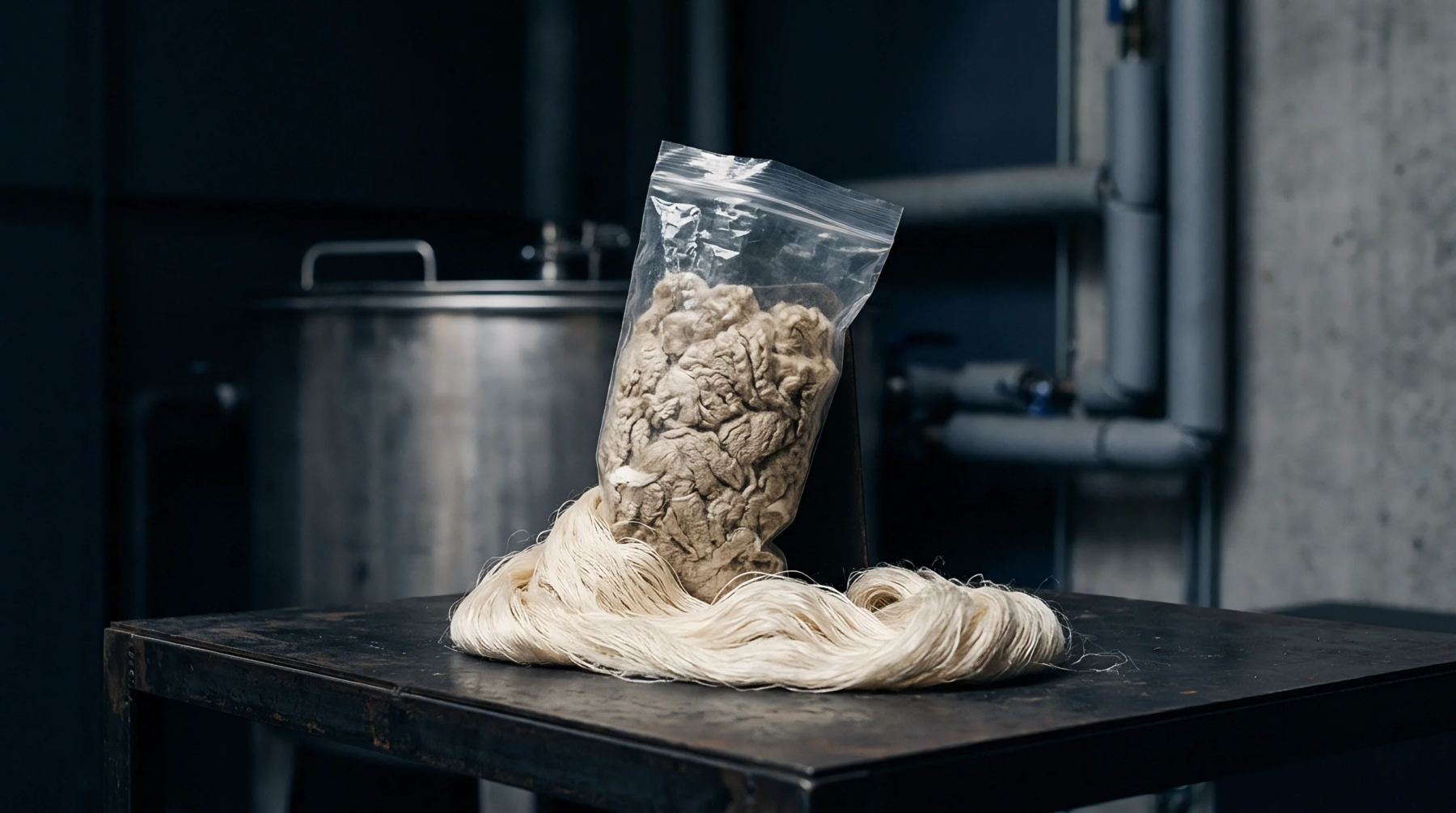
Quantitative fibre blend analysis uses selective chemical dissolution, gravimetric desiccation, and microscopic counting to verify trade declarations.

Chemical dissolution tolerances require applying fibre-specific correction factors d to dry residue masses while holding temperature and exposure limits precise.
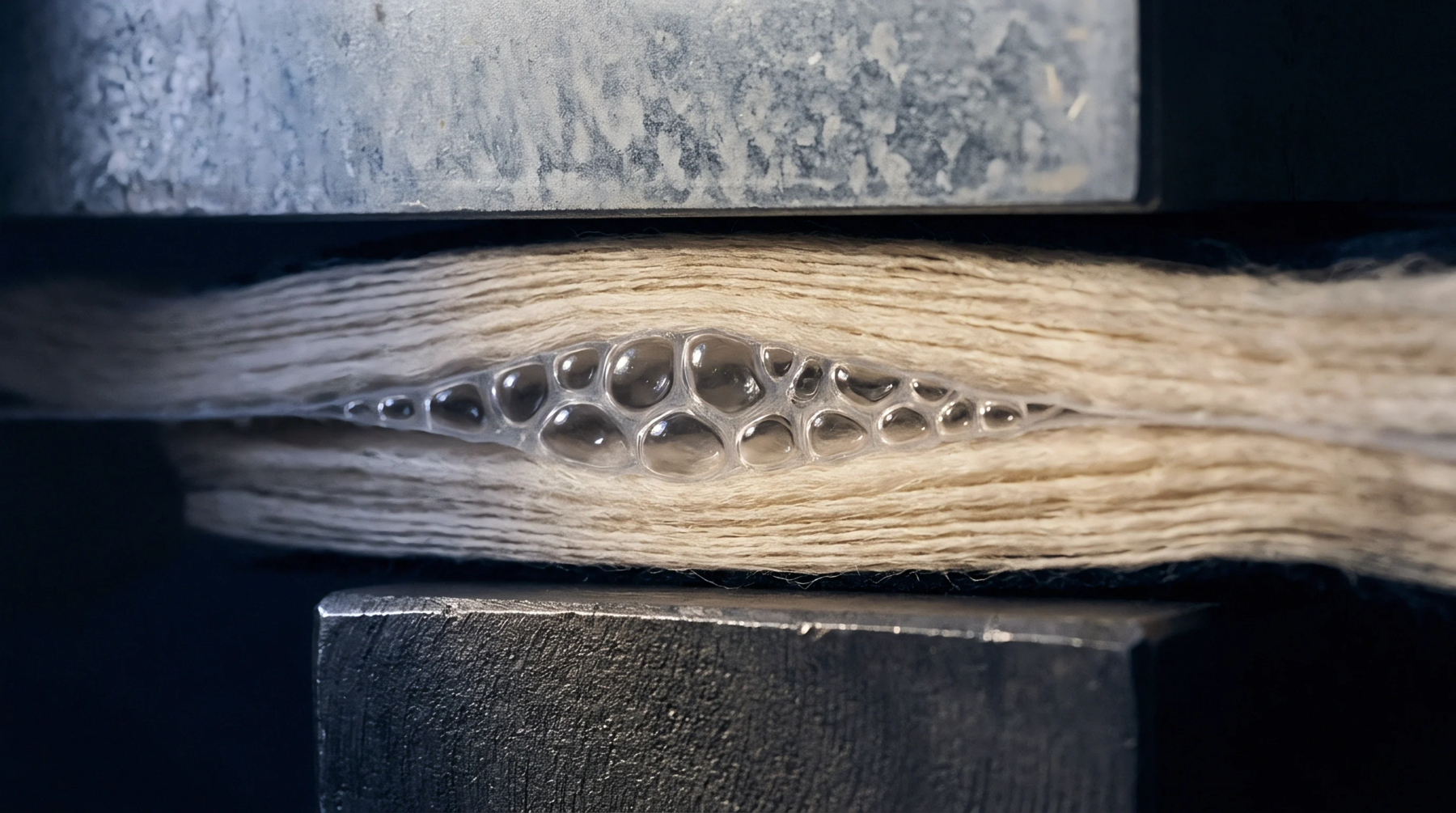
Predictive mass balance modeling tracks wet finishing mass gains and losses to declare compliant tariff chief weight classifications before customs entry.

Mandating ISO 1833 acid hydrolysis pre-treatment eliminates false synthetic mass figures caused by crosslinked resin residues in cotton solvent extraction.

Hot Soxhlet extraction thermally volatilises low-MW alkoxylated polyethers, skewing gravimetric finish content and corrupting clean fiber blend declarations.

Standard chemical separation of cotton polyester yarns uses 75% sulfuric acid dissolution with gravimetric recovery corrected for commercial moisture regain.

Polymer chain scission reduces intrinsic viscosity, accelerating non-target dissolution and skewing gravimetric blend testing without calibrated d-factors.

Specifying empirical correction factor d in purchase contracts resolves mass variance and tariff risk caused by recycled polyester dissolution losses.

Gravimetric determination of viscose polyester blends requires solvent pre-extraction to prevent non-fibrous matter bias from shifting commercial blend claims.

Automated solvent extraction eliminates knitting oils and silicone finishes from elastomeric organic knits to ensure compliant blend analysis.

Pressurized fluid extraction using dimethylacetamide at 115 C and 10.5 MPa isolates elastane in fifteen minutes while limiting polyamide mass loss to under 0.3%.

Chlorinated solvents dissolve high tenacity yarns at distinct thermodynamic thresholds, enabling precise quantitative separation and customs verification.

Commercial mass adjustments correct raw cotton delivery weights to an 8.5% standard regain baseline using oven dry core testing to prevent water billing errors.
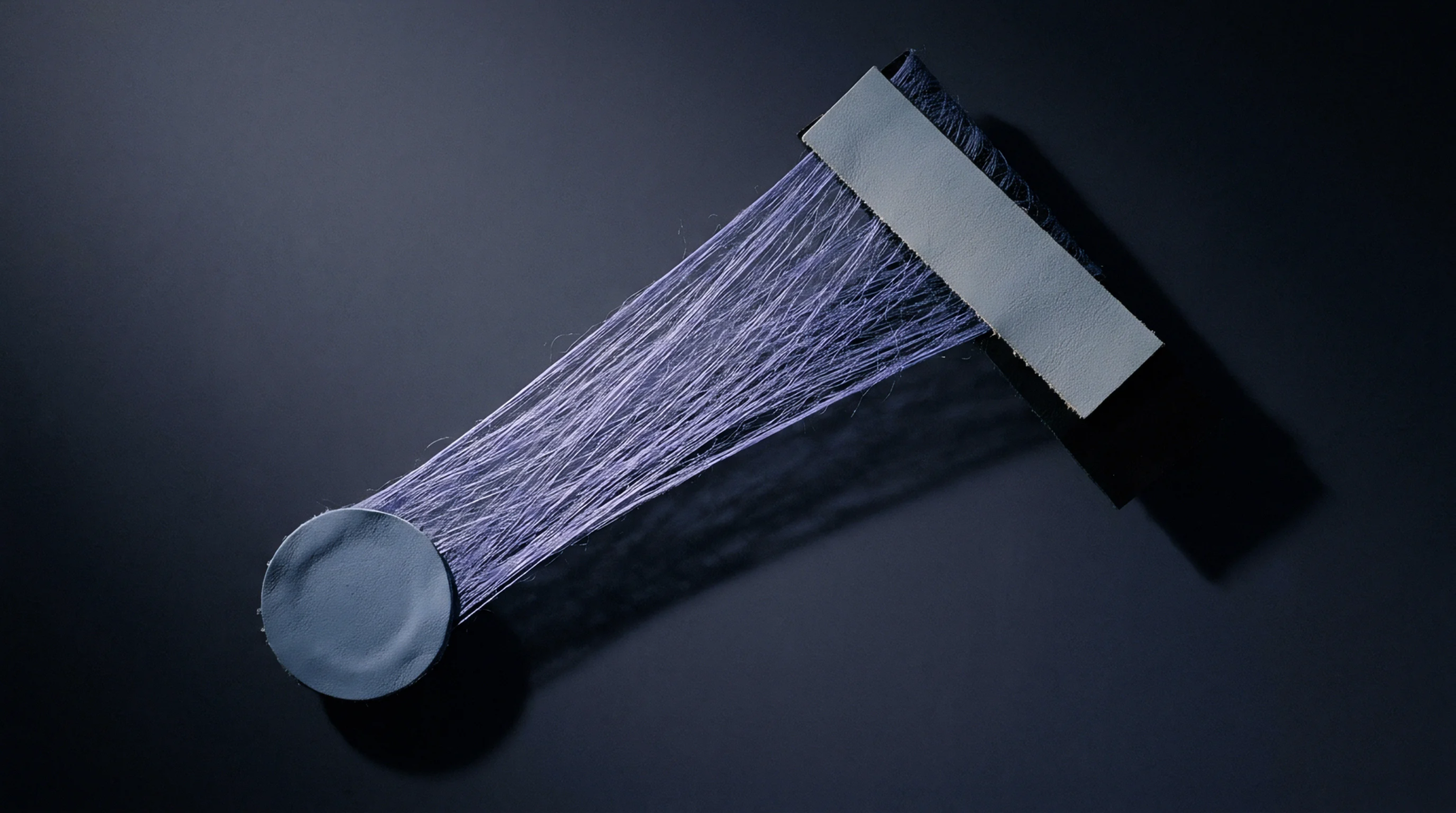
Standard solubility correction factors adjust insoluble gravimetric yields to prevent miscalculation of commercial mass and tariff misdeclarations.

Customs chief-weight classification for multi-fibre textiles depends on whether laboratories calculate percentages on oven-dry mass or statutory regain values.
Chemical dissolution isolates synthetic residues while statutory moisture regain corrections shift dry gravimetric yields across customs chief-weight lines.

Standardized solvent protocols require degradation-adjusted d-values and strict thermal boundaries to prevent non-target dissolution errors in complex blends.
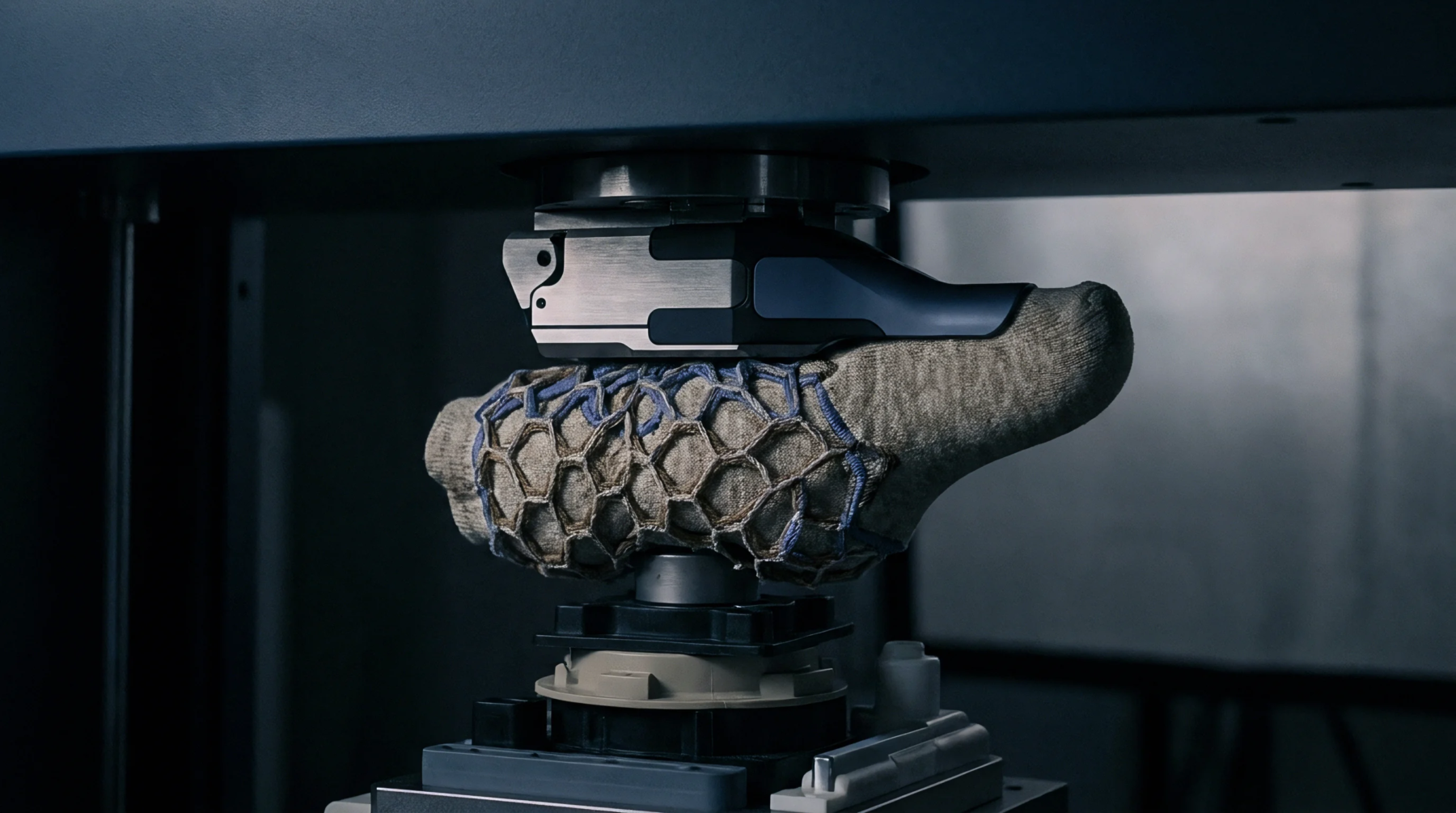
Solvent extraction on post-consumer yarn varies due to oligomer leaching and solvent choice; specify non-swelling solvents to isolate true topical oils.

Clean dry mass removes finishes and water to yield true polymer weights, which commercial regain adjustments convert into legally defensible blend ratios.

Accurate solvent extraction of recycled cotton ternary mixes demands resin stripping, precise filter porosity, and adjusted d-factors to prevent tariff misclassification.

Solvent extraction isolates surface lubricants and processing oils from synthetic filament yarns to verify commercial billing weight and prevent dyehouse defects.

Sulfuric acid dissolution isolates resistant synthetic fibers by selectively hydrolyzing cellulosics under precise concentration and temperature limits.

Quantitative fiber dissolution tolerances demand pairing empirical reagent mass-loss factors with statutory moisture regains to defend customs declarations.

Commercial moisture regain additions legally alter dry fibre mass ratios, shifting predominant weight and triggering customs tariff reclassifications.
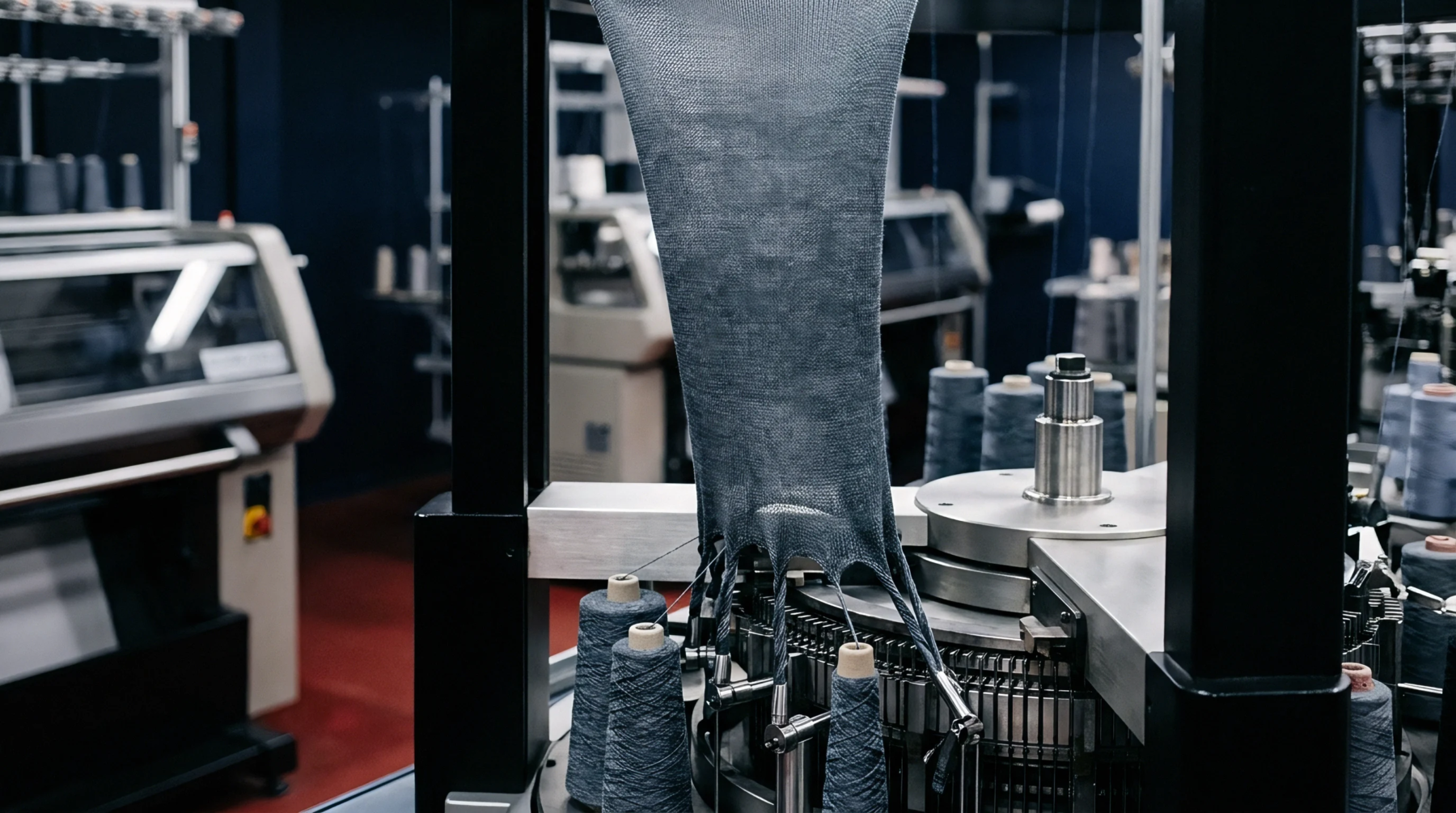
Commercial moisture regain converts variable as-received yarn mass to an oven-dry baseline plus legal allowances, preventing buyers from paying for transit water.

Unannounced fiber substitutions exploit the three percent blend tolerance, skewing chemical test matrices and triggering customs tariff reclassifications.

Quantitative chemical separation dissolves target fibers selectively to yield dry gravimetric residues for precise commercial blend declarations.

Commercial mass scales anhydrous oven-dry textile mass by adding standardized official moisture and extractable allowances for accurate settlement and customs declarations.
Expertise is a utility, not a secret. sentiention™ publishes its working knowledge as open reference: intelligence layer covering the materials it sources, the markets it enters, and the reference that serves both.