
Calculating Clean Oven Dry Mass and Commercial Moisture Regain Adjustments
Clean oven-dry mass calculations subtract moisture and non-fibrous extractables before applying standardized regain schedules to establish true commercial weight.
Clean oven-dry mass calculations subtract moisture and non-fibrous extractables before applying standardized regain schedules to establish true commercial weight.

Calibrating empirical d-factors prevents residue over-dissolution from shifting 50 percent cotton-polyester customs declarations.
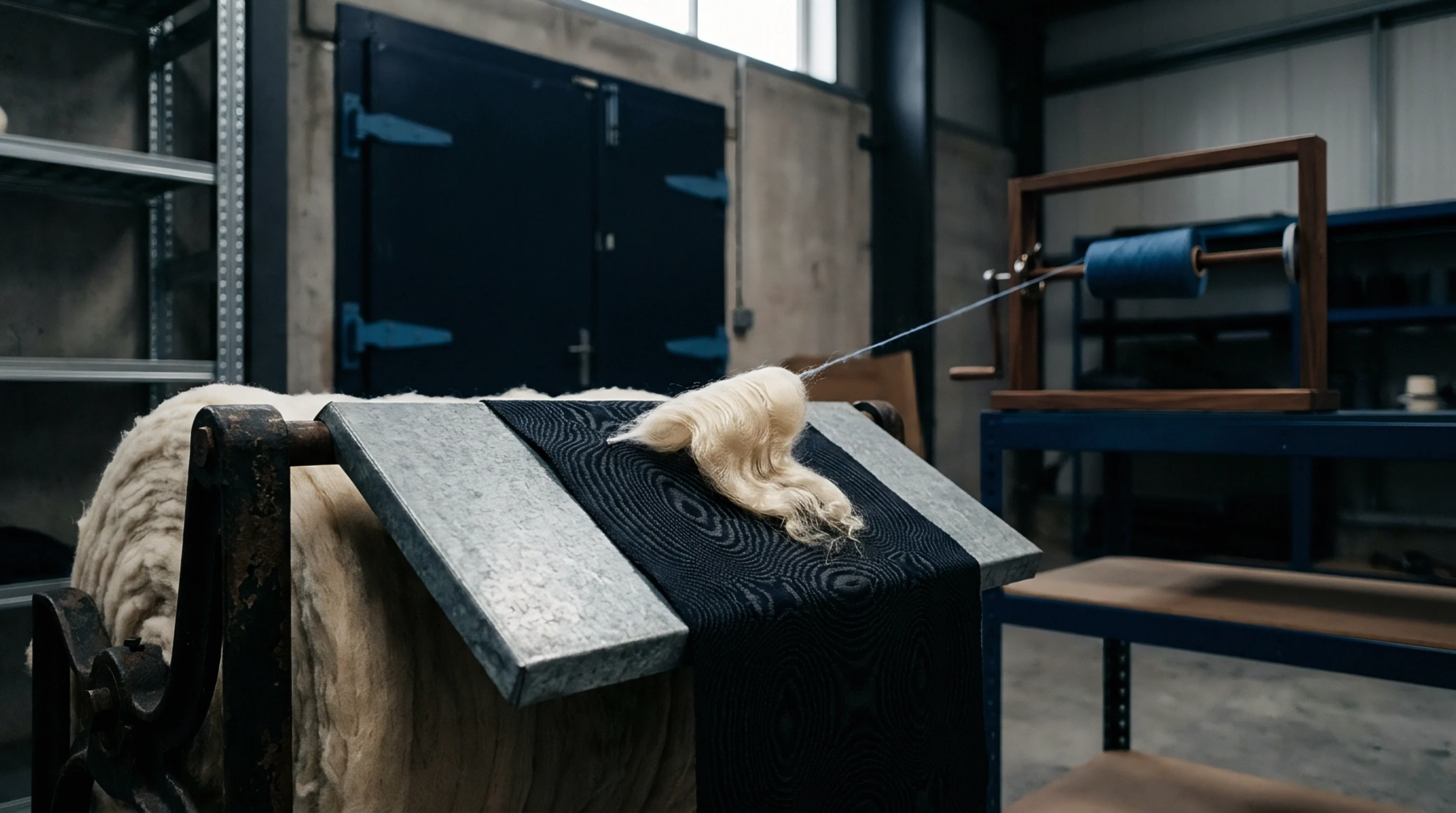
Commercial fiber mass demands adjusting gross scale weight to oven dry mass plus standard regain allowances per ISO 6741 to avoid paying for transit water.

Commercial regain additions shift dry chemical separation ratios toward hydrophilic fibres, altering chief weight tariff classifications on borderline goods.

Accurate recovered yarn count calculation demands measuring unraveled yarn crimp under ISO 7211-3 alongside oven-dry mass adjustments per ISO 2060.

Solvent residue correction factors adjust clean dry fibre mass for non-fibrous loss, ensuring precise commercial weight calculations for tariff classification.
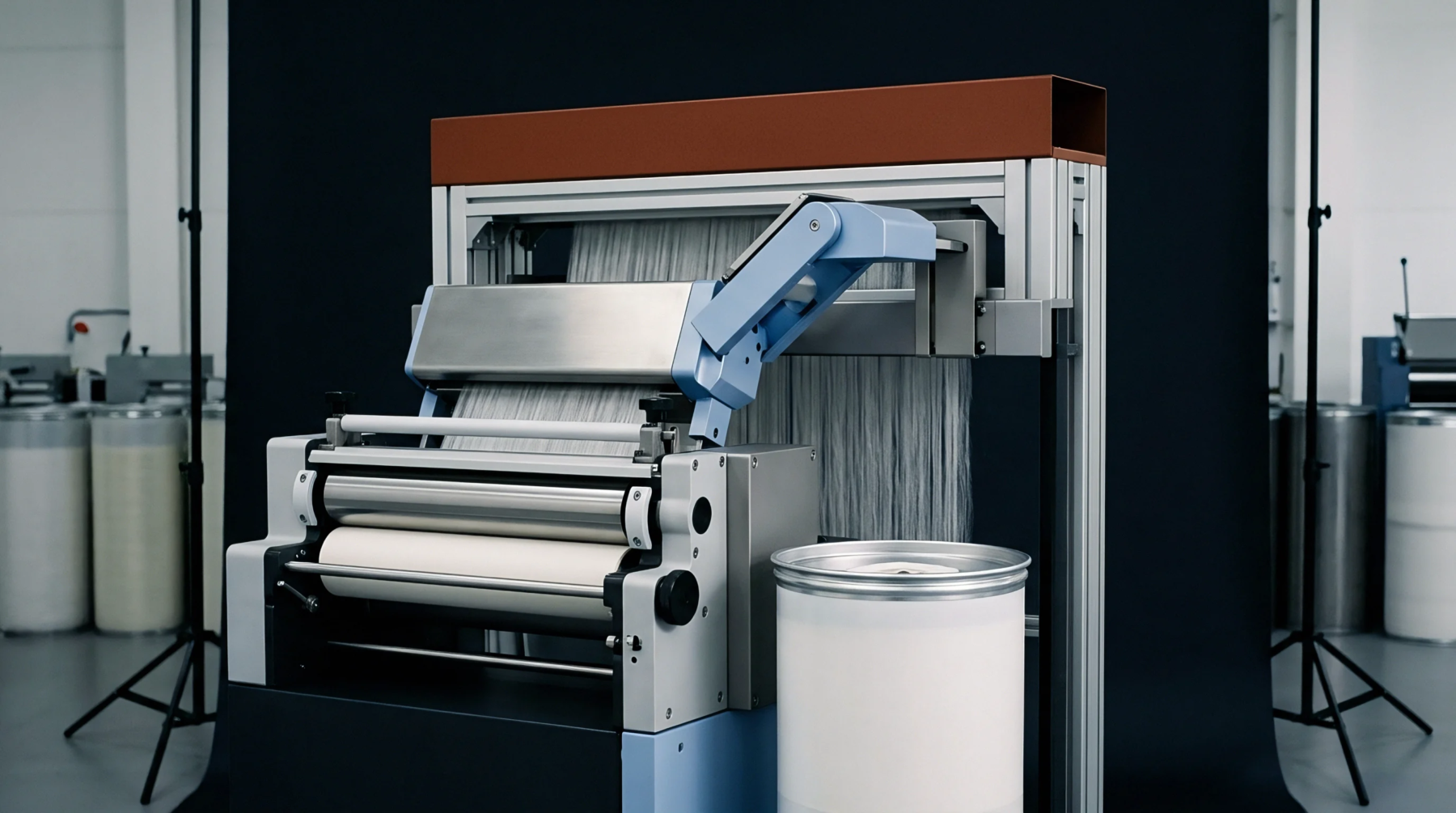
Accurate spin finish quantification relies on gravimetric solvent extraction standard ISO 6741 to verify oil pickup levels and settle commercial mass disputes.

Commercial fiber mass calculations require adjusting laboratory oven-dry percentages with official regain allowances to prevent customs and invoice discrepancies.

Gravimetric solvent extraction removes non-fibrous finishes and waxes to establish accurate dry mass and prevent costly invoice weight overcharges.
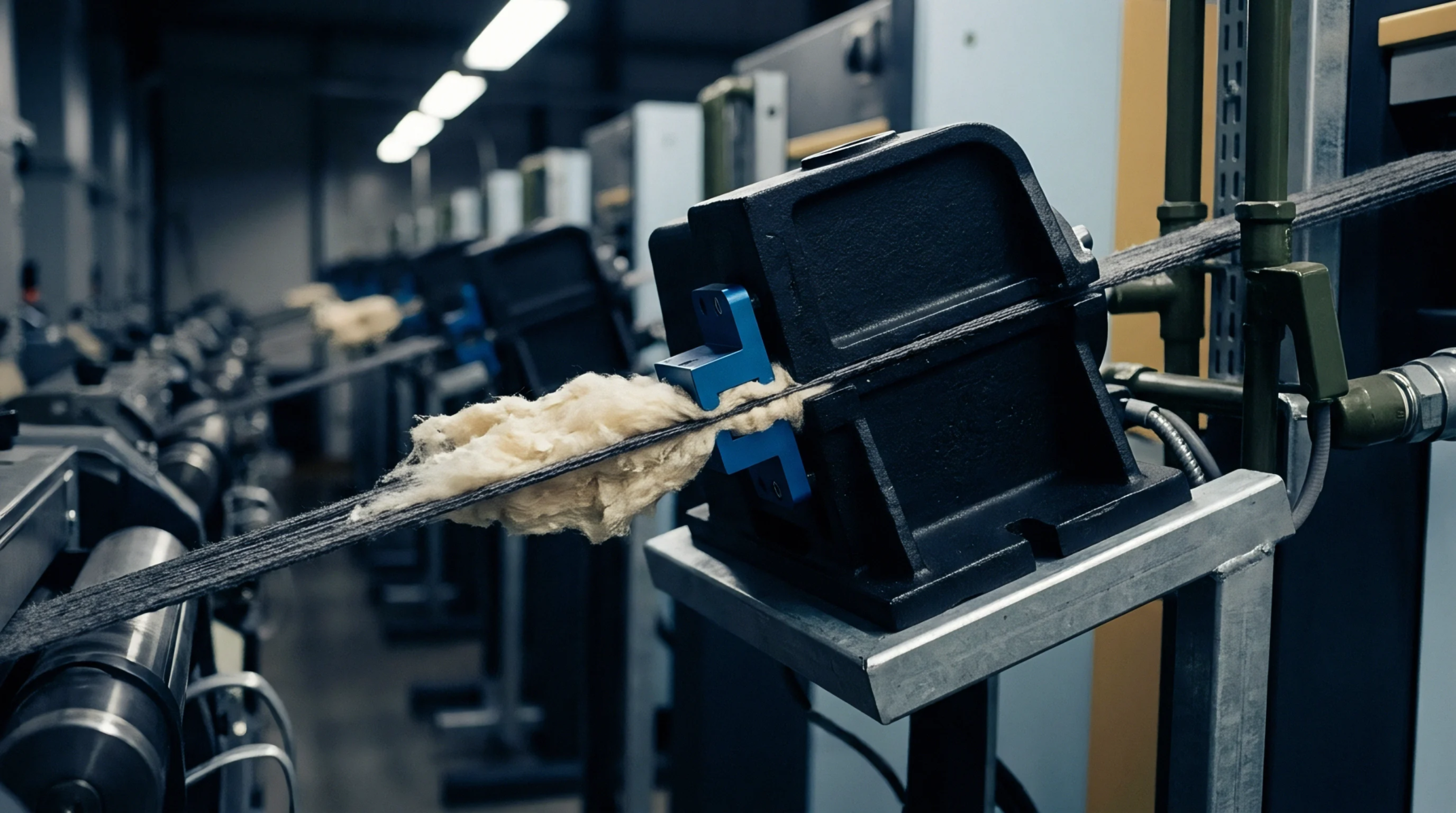
Chemical separation determines blend percentages by gravimetrically weighing insoluble residue after selective dissolution, requiring correction factors and moisture regains to match customs rules.
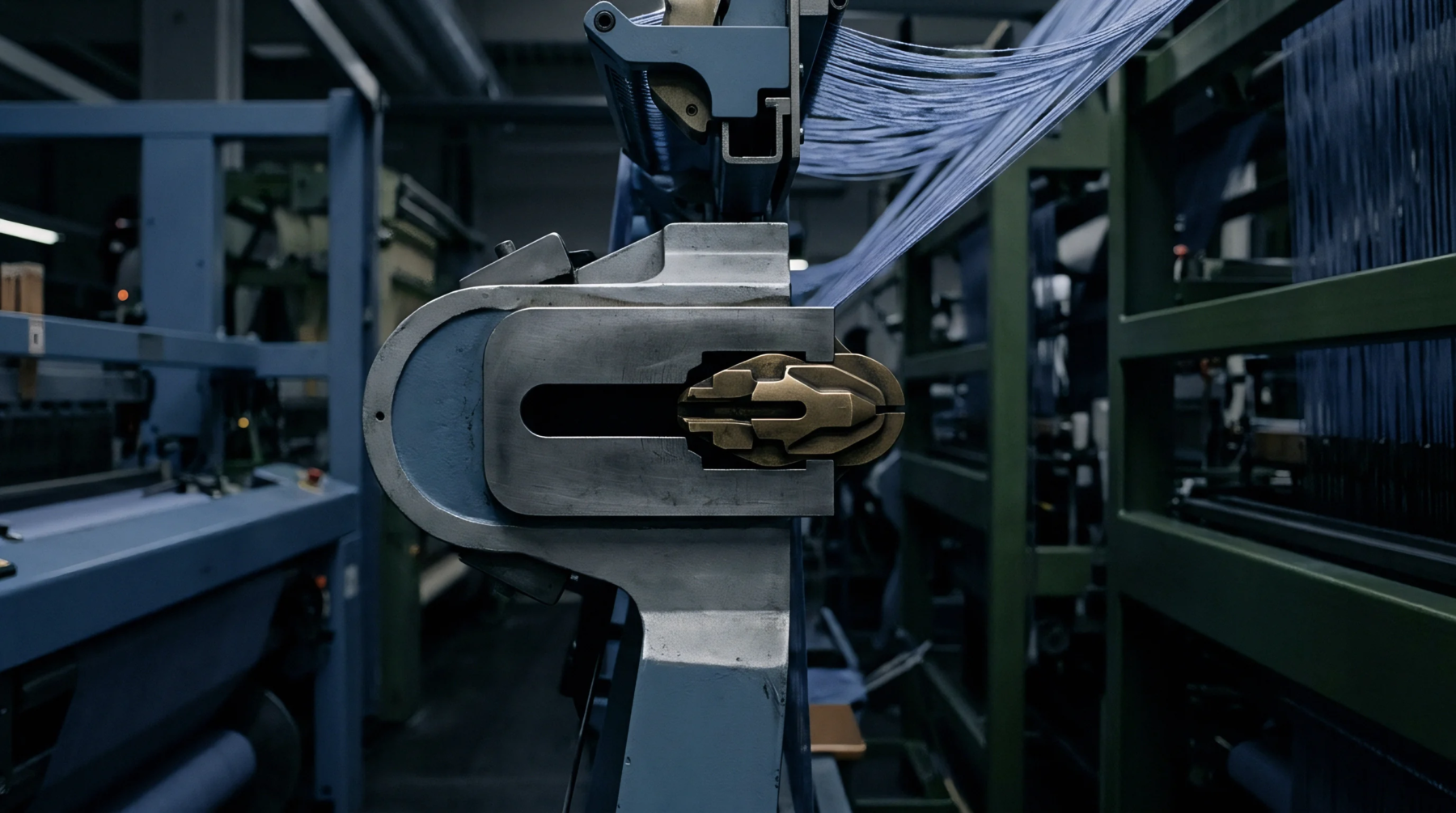
Commercial moisture regain converts oven-dry yarn weight into invoiced mass using standardized moisture percentages and finish allowances under ISO 6741.

Accurate solvent dissolution pairs Soxhlet pre-treatment with calibrated mass correction factors to settle legal customs declarations on binary fibre mixtures.
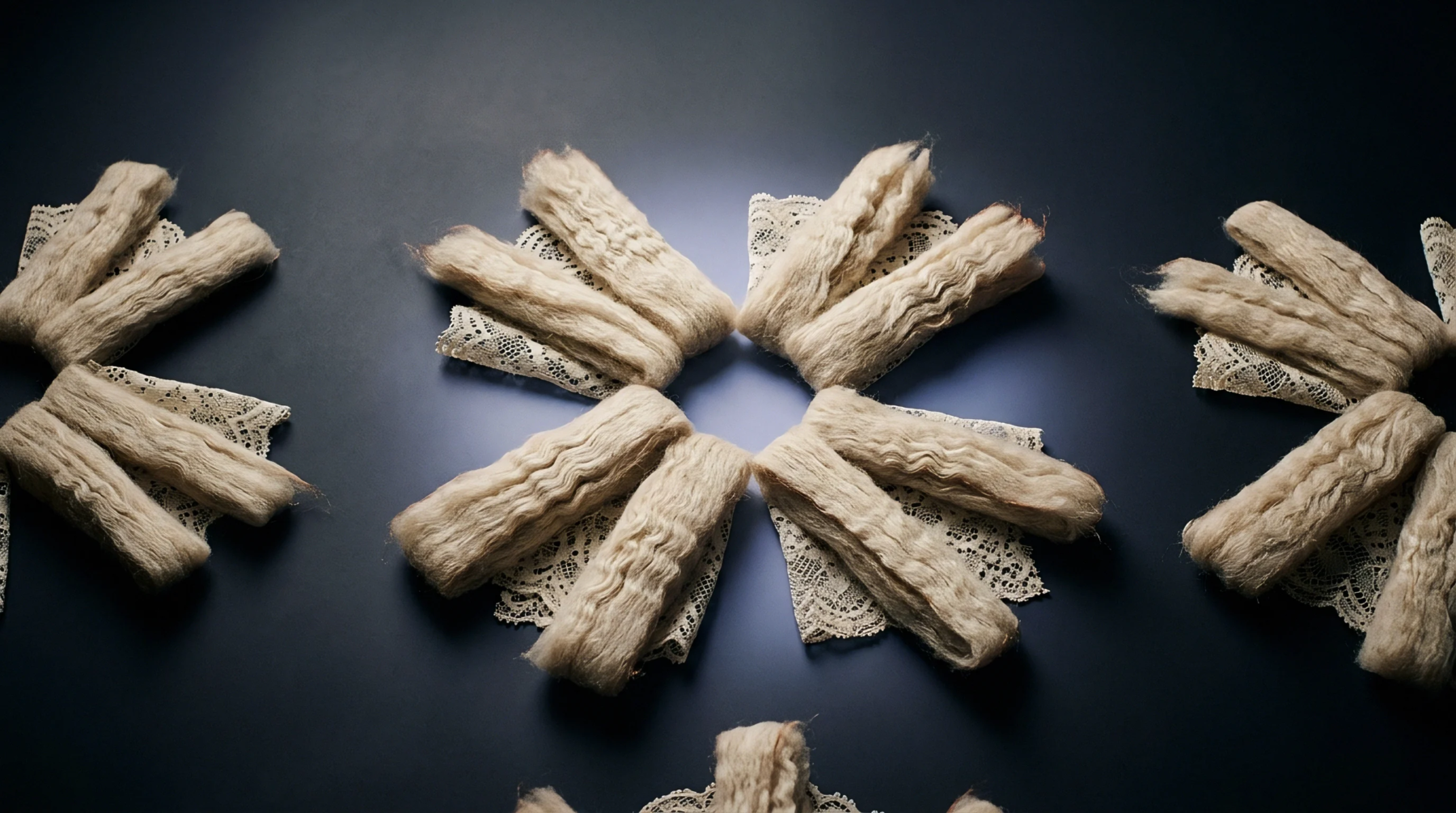
Quantitative chemical dissolution corrections require applying d-factors and official commercial regain values to establish true dry fiber composition for invoice settlement.

Determining dry mass ratios requires desiccation at 105 °C, selective chemical dissolution under ISO 1833, d-factor correction, and commercial regain adjustments.

Commercial mass calculations prevent paying for atmospheric moisture by basing billing on clean dry mass plus official fiber regain allowances.
Expertise is a utility, not a secret. sentiention™ publishes its working knowledge as open reference: intelligence layer covering the materials it sources, the markets it enters, and the reference that serves both.