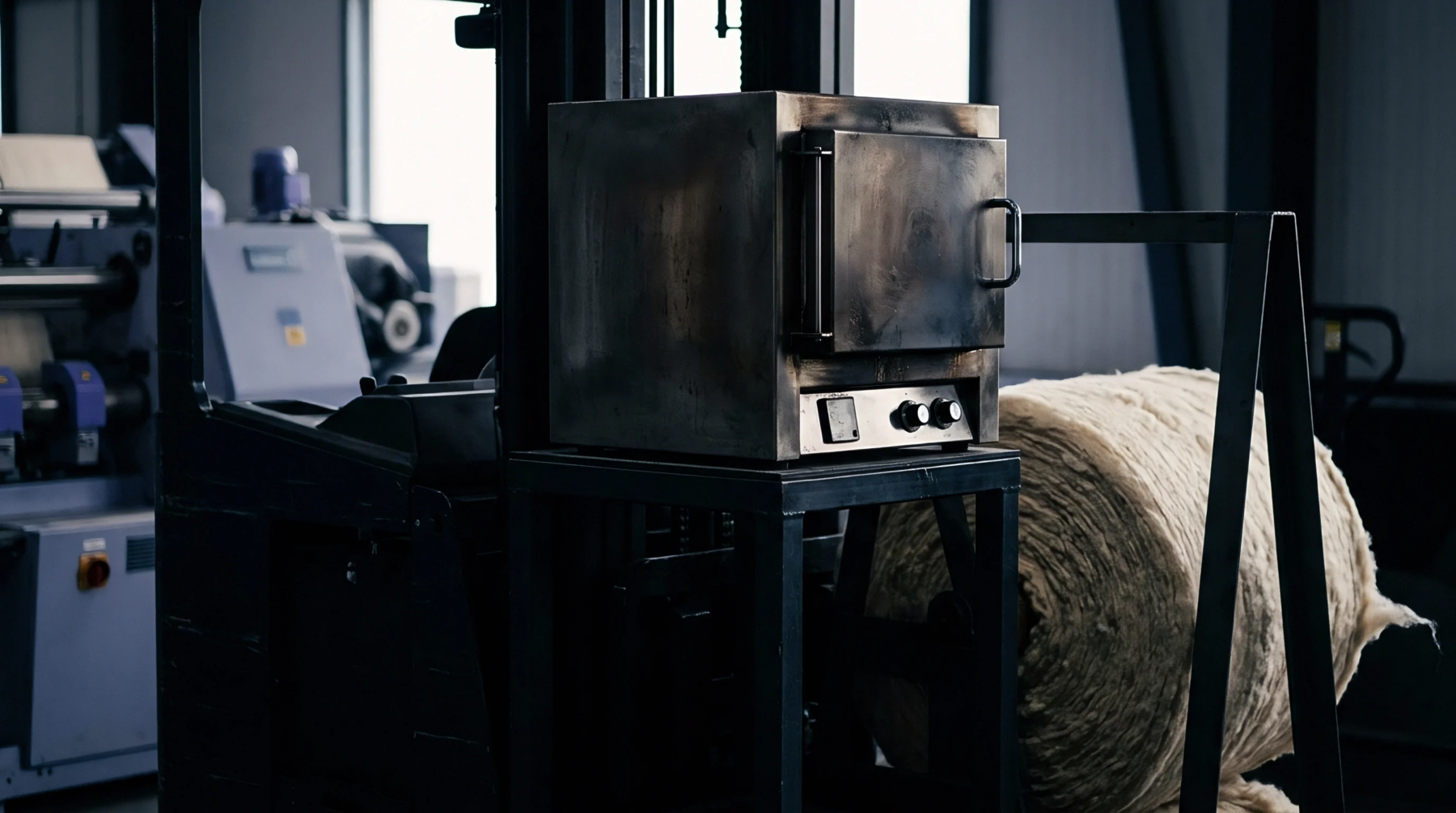
Determining Non-Fibrous Content in Raw Cotton and Synthetic Yarns
Determining non-fibrous content requires gravimetric extraction and scouring to isolate waxes, sizes, and spin finishes for accurate net dry mass billing.
Determining non-fibrous content requires gravimetric extraction and scouring to isolate waxes, sizes, and spin finishes for accurate net dry mass billing.

Commercial mass allowances systematically shift calculated wool proportions higher than dry analytical residues, dictating customs classification and billing.
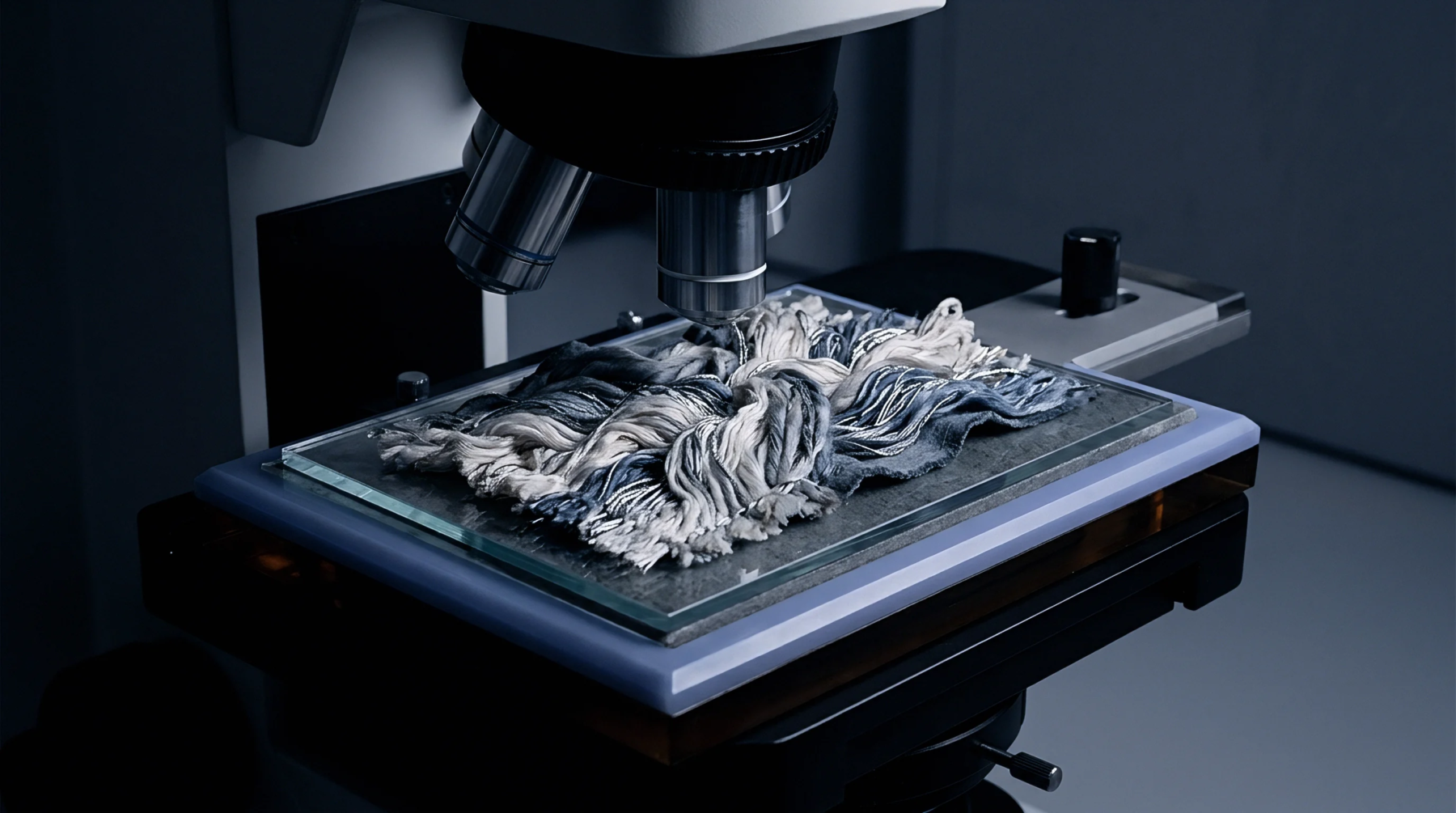
Commercial regain calculation converts variable net scale weights into an immutable invoiced mass by adding statutory moisture allowances to verified oven-dry fiber.

Invoice weights for viscose mixture cargoes adjust to standardized commercial regain by applying ISO 6741 oven-dry calculations to eliminate paid water weight.
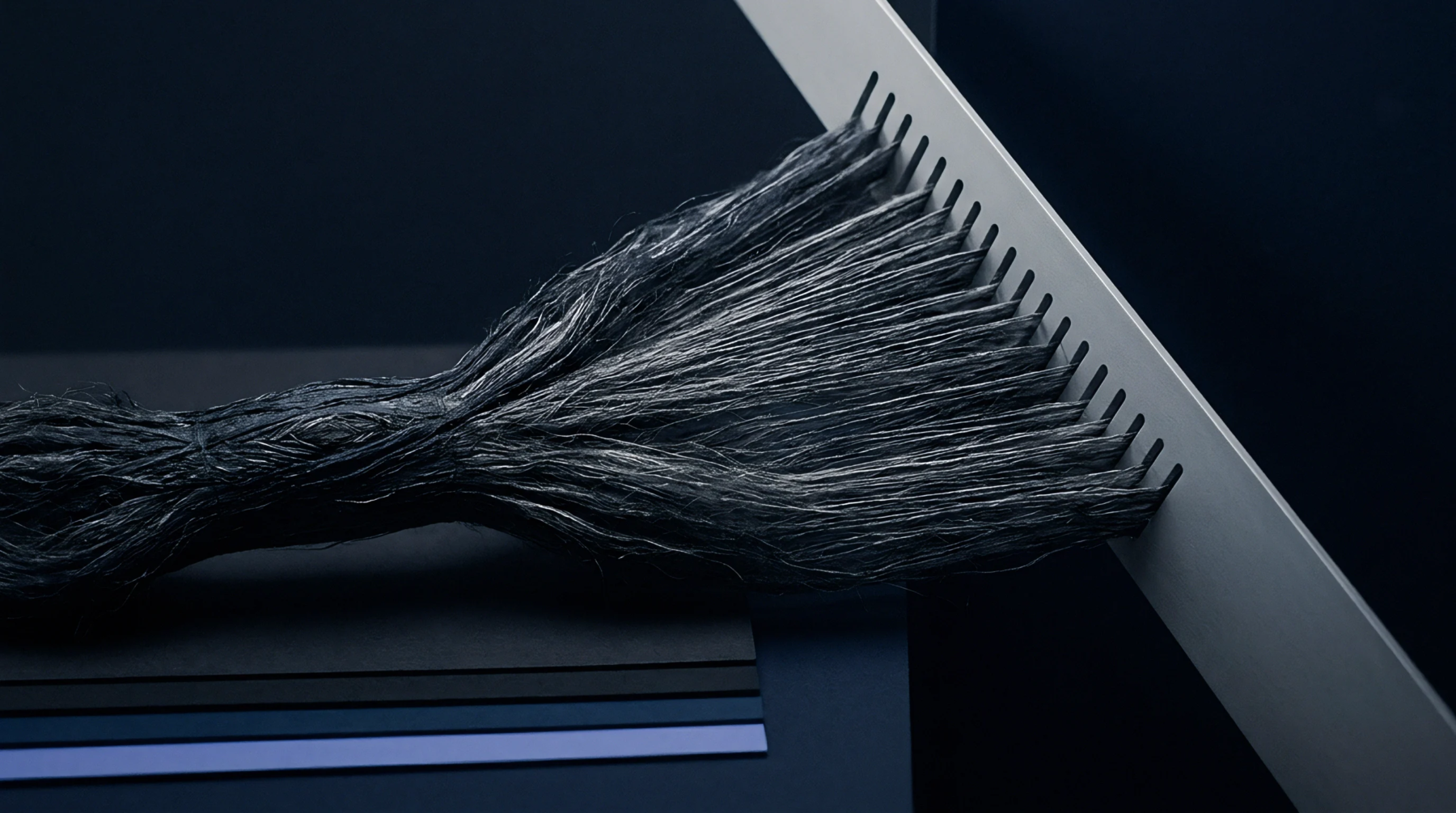
Commercial mass of synthetic filament yarns is determined by adding standard commercial moisture allowances to solvent-extracted oven-dry mass.

Customs chief-weight classification for multi-fibre textiles depends on whether laboratories calculate percentages on oven-dry mass or statutory regain values.

Adjusting synthetic cellulose weight for commercial moisture regain prevents customs overvaluation and resolves borderline tariff classification disputes.
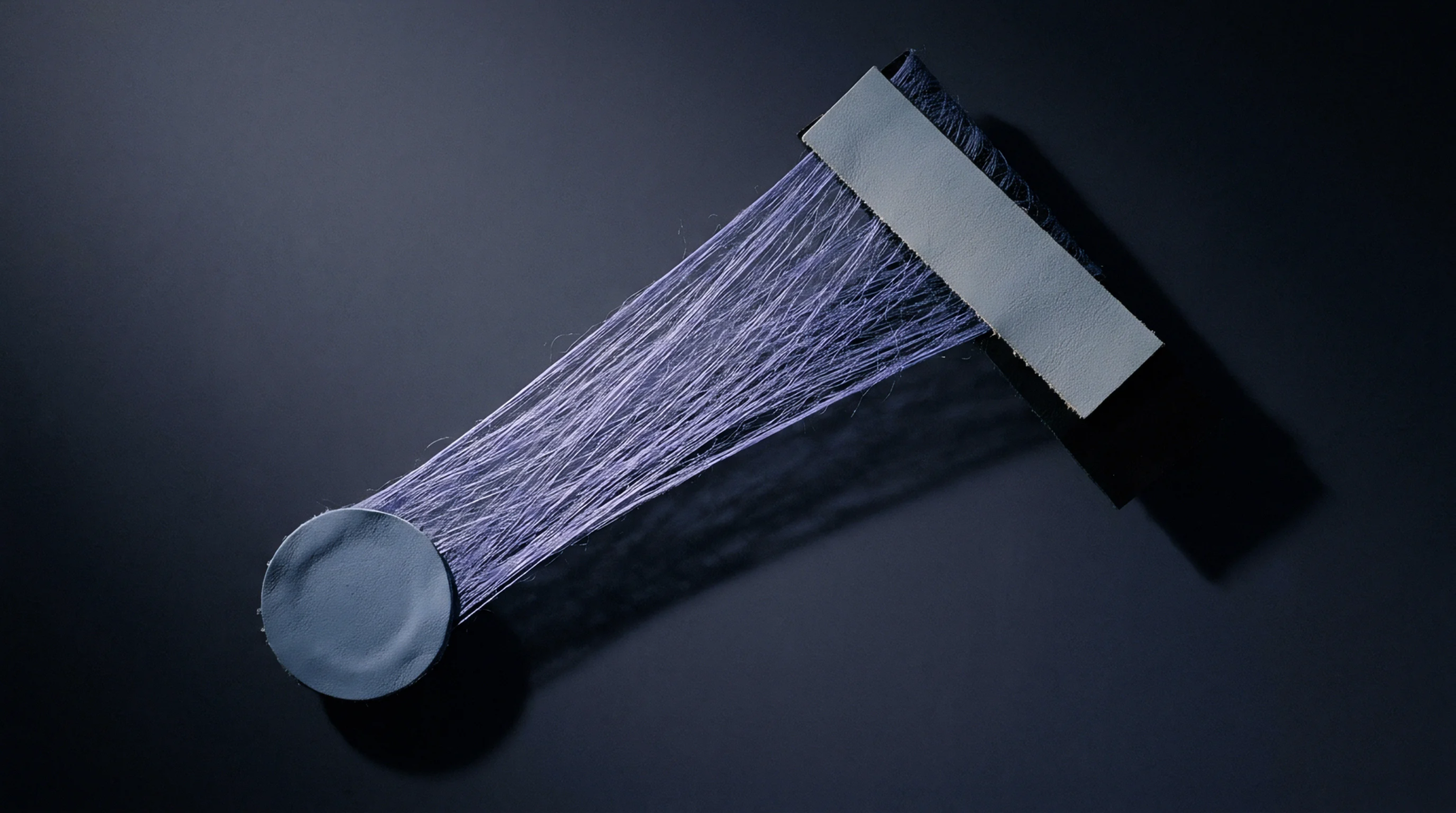
Multi-fibre blend weight disputes turn on reconciling oven-dry chemical separation mass with standard moisture regain allowances under strict international test rules.
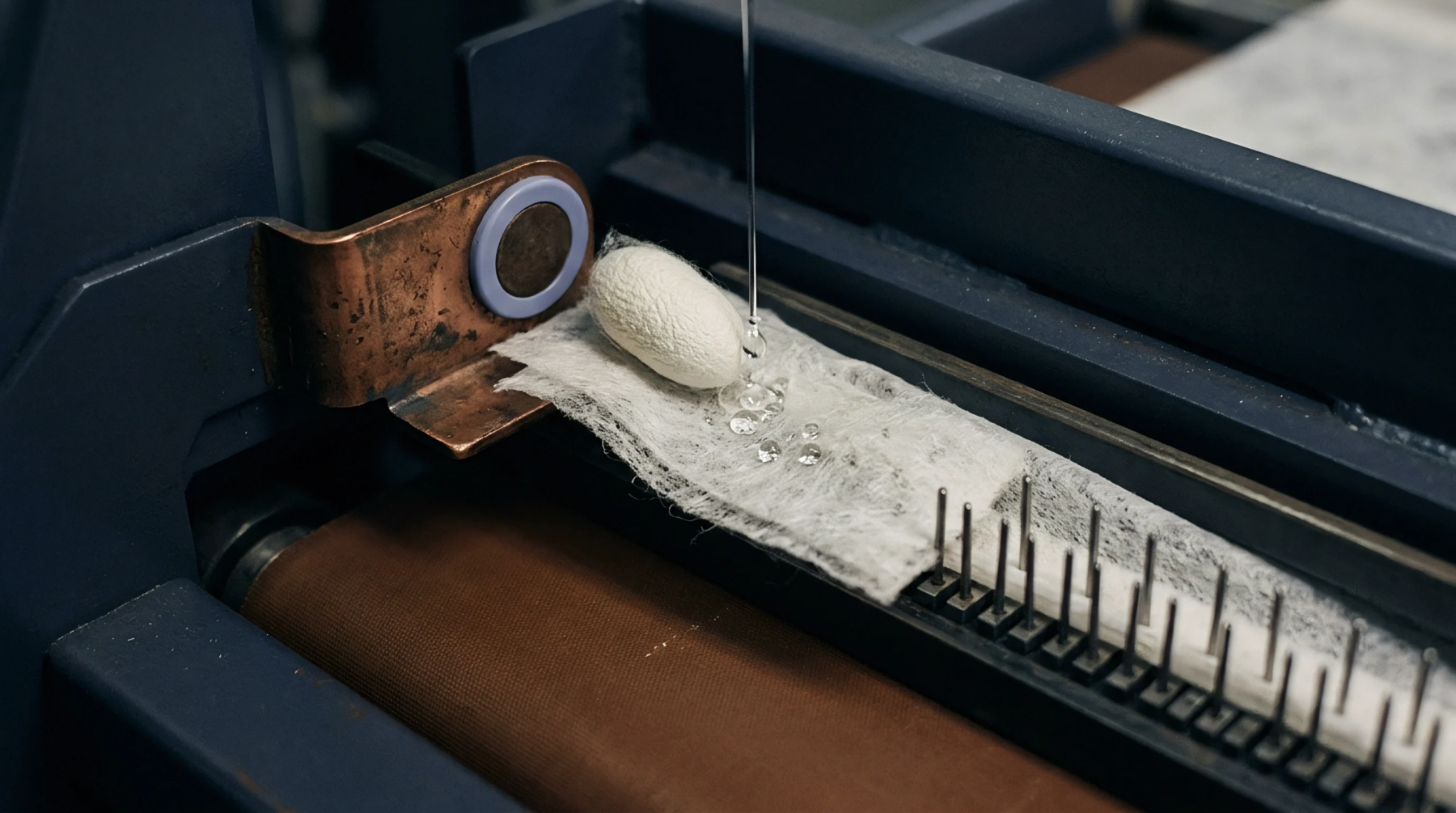
Commercial mass determination reconciles clean dry polymer mass with official regain allowances to secure precise customs compliance and financial settlement.
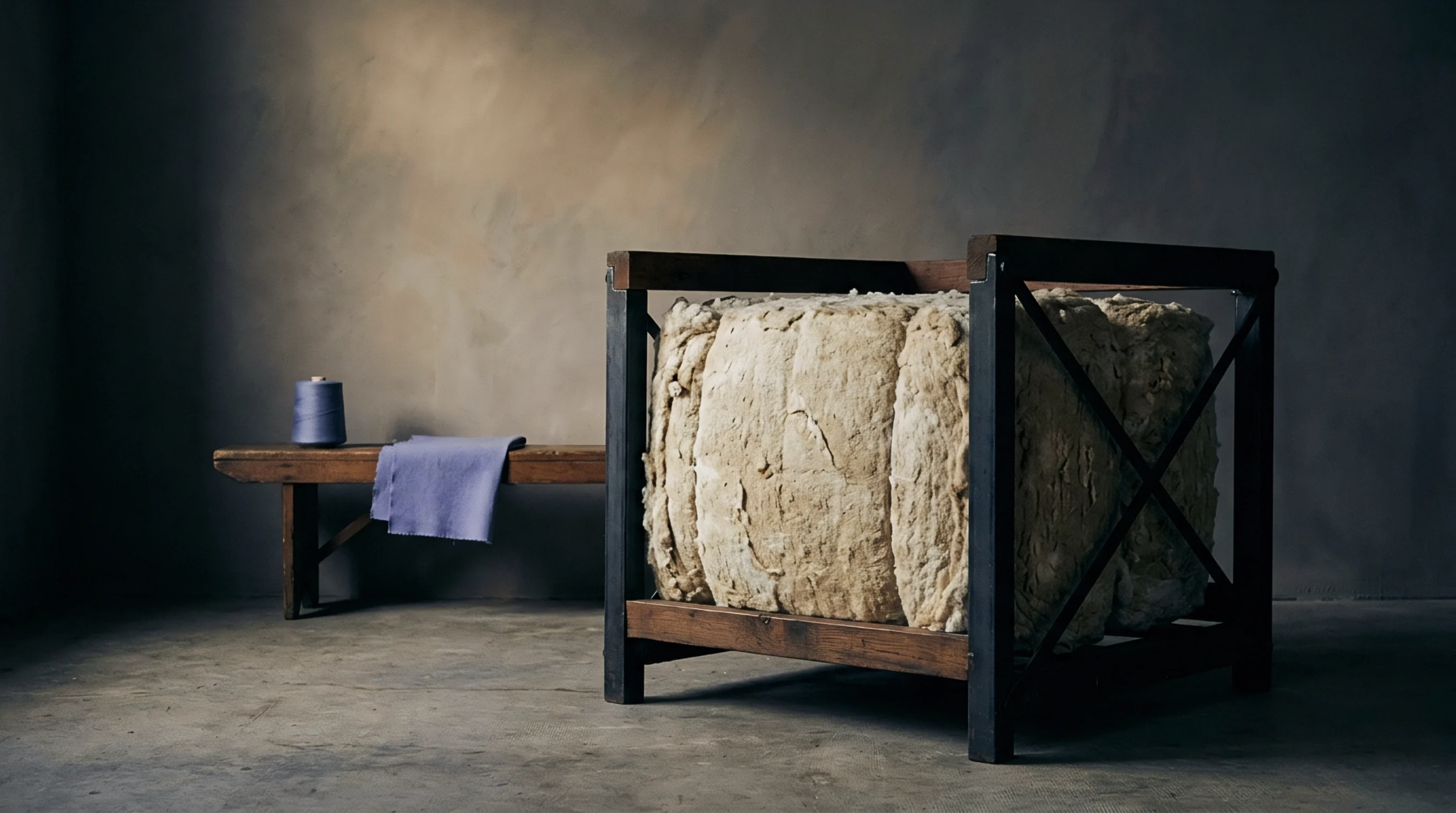
Determine commercial mass by calculating clean oven-dry mass from certified core samples and adding standard international commercial regain allowances to settle invoices.

Commercial regain corrections convert oven-dry laboratory residue masses into legal billed weights to prevent customs penalties and tariff misclassification.
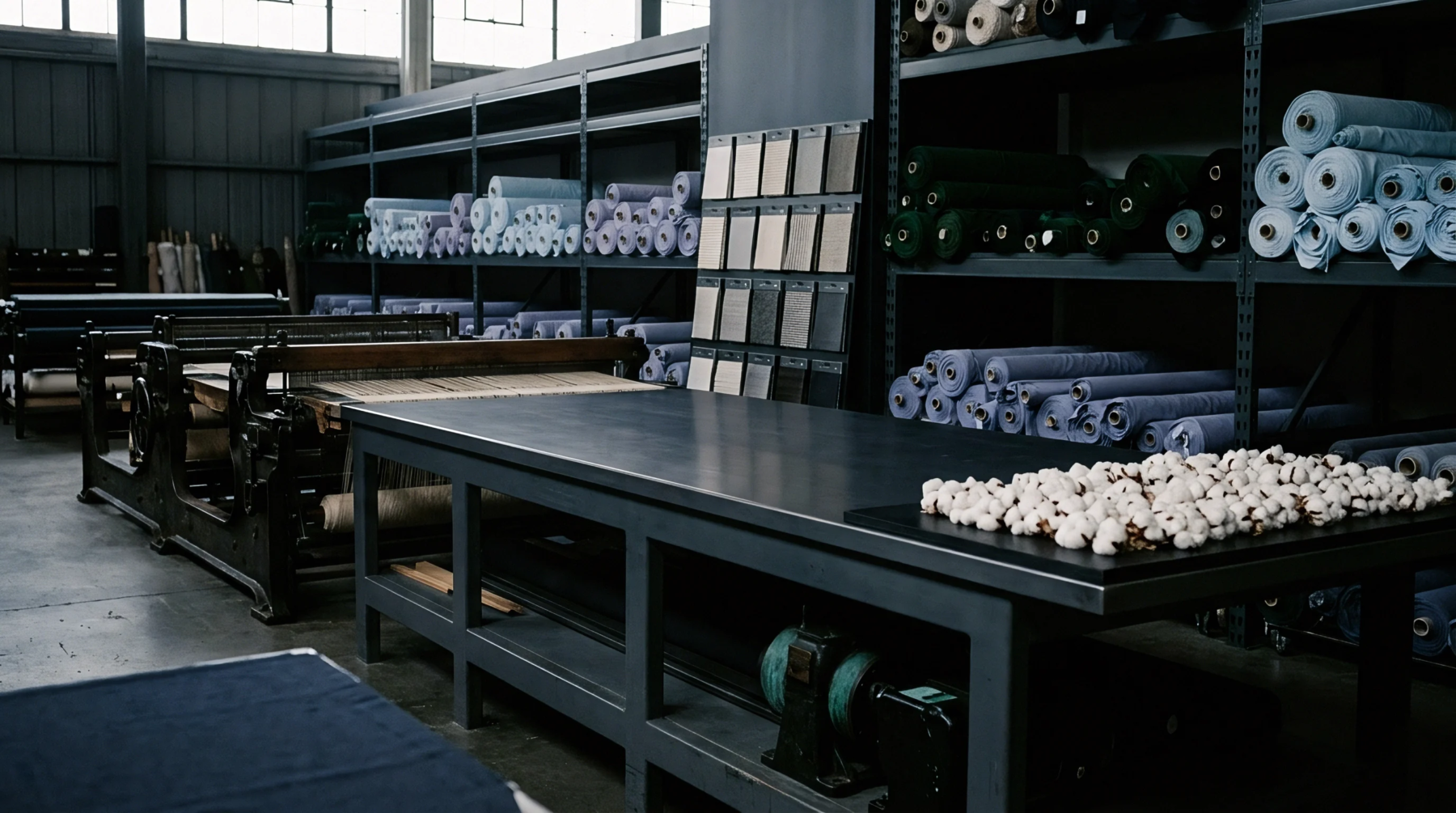
Commercial mass corrections reconcile ocean freight combed cotton invoice weights by adjusting scale mass against oven-dry cellulose and standard 8.5% regain.
Commercial mass calculations adjust physical scale weight to agreed moisture regains, protecting yarn buyers from paying for excess atmospheric water.
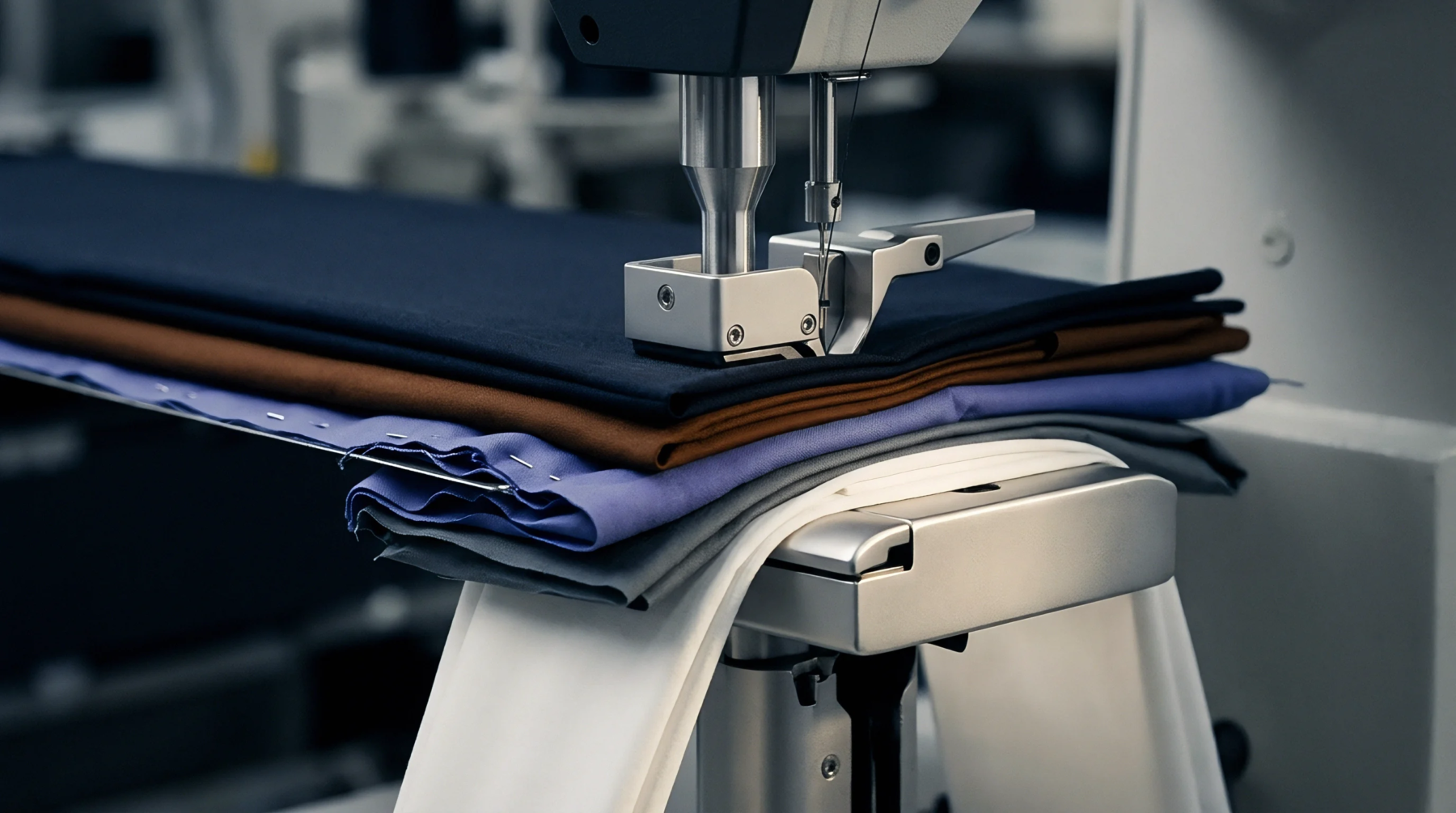
Commercial moisture regain allowances alter declared fiber percentages, triggering customs tariff reclassification across critical weight thresholds.

Solvent extraction adjustments correct non-fibrous loss and moisture regain to convert raw dry residual weights into accurate commercial mass for tariff settlement.
Expertise is a utility, not a secret. sentiention™ publishes its working knowledge as open reference: intelligence layer covering the materials it sources, the markets it enters, and the reference that serves both.