Determining Non-Fibrous Content in Raw Cotton and Synthetic Yarns
Determining non-fibrous content requires gravimetric extraction and scouring to isolate waxes, sizes, and spin finishes for accurate net dry mass billing.

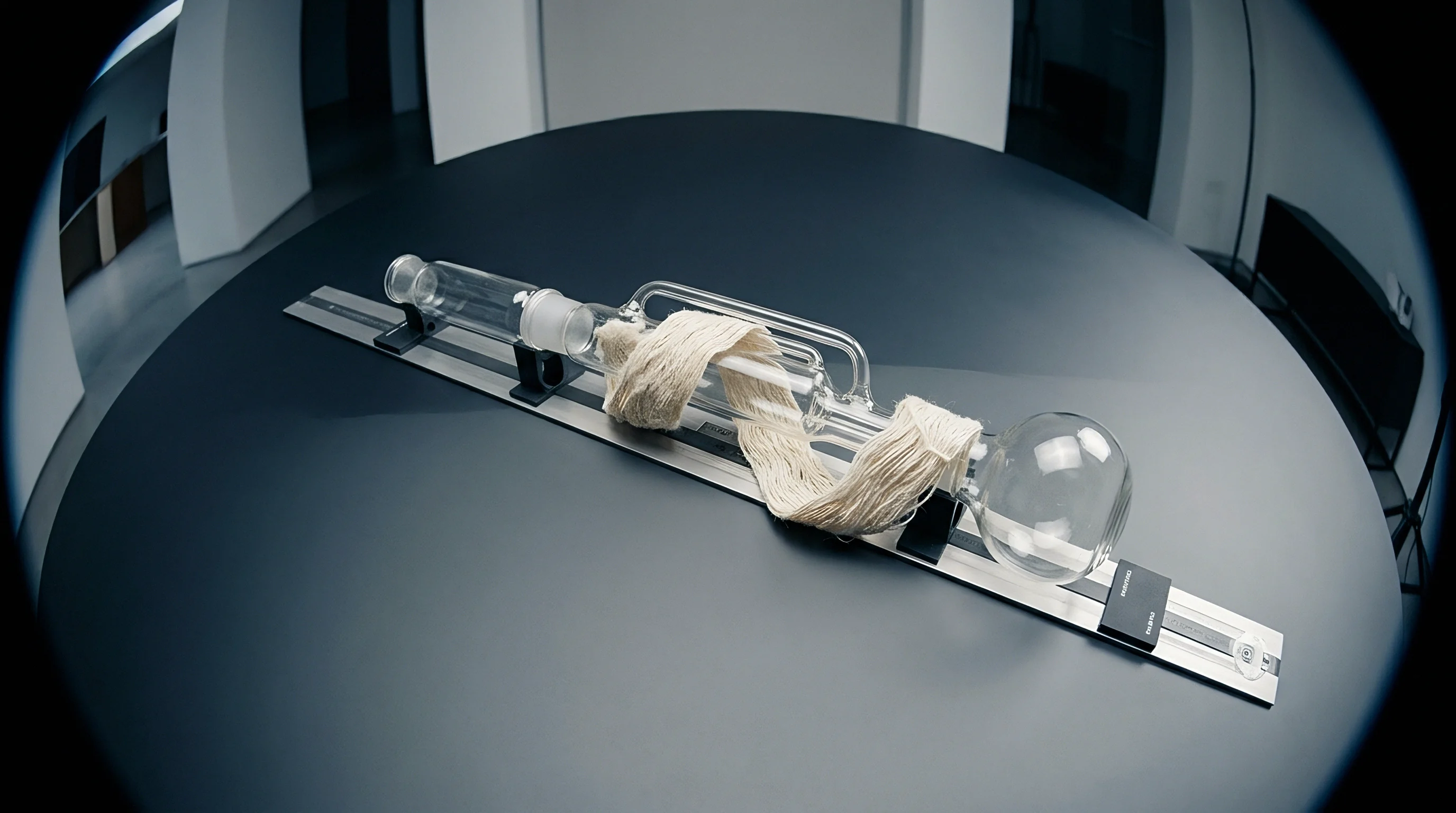
Solvent
Gravimetric extraction isolates liquid and solid organic additives from yarn bundles before fiber identification or net mass determination occurs. Unprocessed raw cotton contains natural plant waxes, fatty acids, sterols, and pectic substances that protect the fiber during boll development. Synthetic yarns arrive coated with spin finishes, anti-static lubricants, coning oils, and knitting oils added during extrusion and texturing.
When liquid reagents wash over a conditioned specimen in a Soxhlet apparatus, these non-fibrous substances dissolve while the polymeric structural core remains intact.
Testing laboratories employ Soxhlet reflux systems, rapid automated solvent extractors, or reflux boiling vessels under ASTM D2257 or ISO 1833-1 guidelines. Standard laboratory procedures mandate continuous extraction for sixteen to twenty-four cycles, ensuring total removal of lipophilic matter. Boiling range selections dictate reagent behavior; low-boiling organic fluids dissolve surface finishes without degrading heat-sensitive synthetic polymers or dissolving low-molecular-weight oligomers from polyester yarn structures.

Soxhlet Extraction for Organic Extractables
Analytical extraction of raw cotton using dichloromethane yields a extractable mass ranging from 0.4 percent to 1.2 percent of total dry fiber mass, depending on country of origin, growth conditions, and seed strain. Dichloromethane targets non-polar plant fats, natural waxes, and synthetic lubrication oils without altering the cellulose crystalline lattices or swelling polyester or polyamide continuous filaments. Petroleum ether serves as an alternative reagent under specific trading frameworks, though its variable boiling range introduces mass retention discrepancies during distillation recovery steps.
Execution begins by drying specimen thimbles in a ventilated oven at 105 degrees Celsius until mass constancy reaches 0.001 grams. The operator places a five-gram specimen into the thimble, measuring initial mass after equilibration inside a desiccator. Reagent refluxing continues at a siphon rate of six to eight turns per hour.
Once the siphon liquor runs clear, the collection flask transfers to a rotary evaporator, leaving a dry non-fibrous residue in the vessel for final weighing.
| Substrate Type | Standard Ref | Extraction Reagent | Target Non-Fibrous Residue | Typical Mass Loss Range % |
|---|---|---|---|---|
| Raw Seed Cotton | ASTM D2257 | Dichloromethane | Plant waxes, fats, natural sterols | 0.40 to 1.15 |
| Polyester Continuous Filament | ISO 14389 | Petroleum Ether | Spin finish, mineral oil, antistat | 0.30 to 0.85 |
| Polyamide 6,6 Textured Yarn | ASTM D2257 | Cyclohexane | Coning oil, friction modifiers | 0.50 to 1.50 |
| Polypropylene Spun Yarn | DIN 54278 | Methanol / Chloroform | Carding lubricant, stabilizer oils | 0.60 to 2.10 |
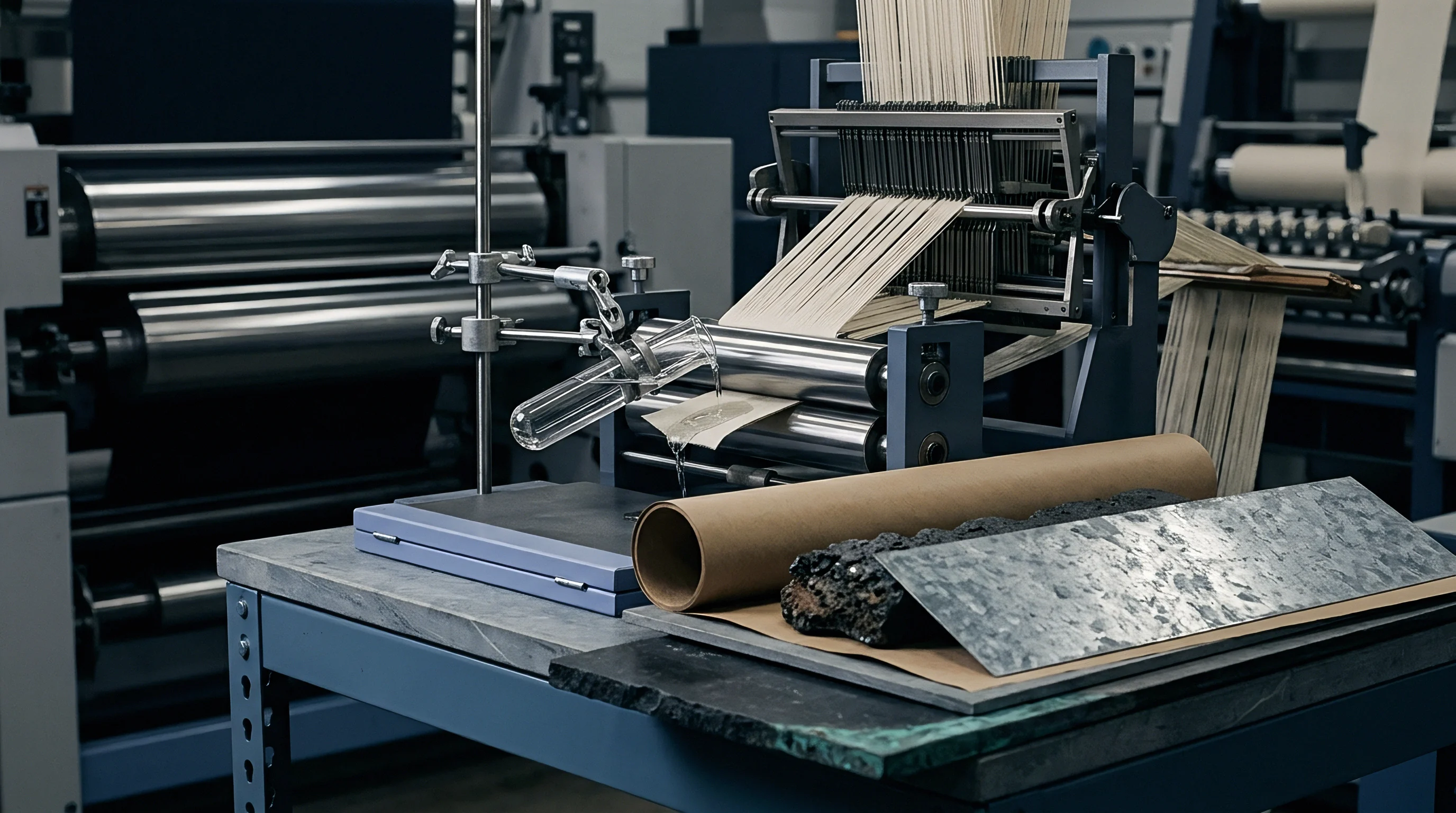
Reagent Selection and Fatty Wax Retention
Polar reagents like ethyl alcohol or methanol strip water-soluble salts and sugars alongside organic fats, leading to inflated mass loss figures if credited entirely to lipid content. Cyclohexane presents a safer toxicity profile for testing personnel, yet its higher boiling point of 80.7 degrees Celsius demands elevated heat inputs that can volatilize low-molecular-weight additives present in specialized elastomeric synthetic blend yarns.
Chlorinated reagents extract internal oligomers from polyethylene terephthalate filaments when extraction times exceed four hours at high temperatures. Testing laboratories restrict continuous siphon exposure to under three hours for synthetic continuous yarns to prevent polymer matrix stripping. Residual lipid determination requires redistilled purity reagents leaving fewer than 0.001 grams of non-volatile residue per hundred milliliters of reagent evaporated.
Over-extraction using aggressive polar fluids alters the baseline mass of the structural polymer, generating an artificially high non-fibrous percentage. Mills frequently argue that high mass loss figures stem from solvent interaction with internal polymer additives rather than surface finish loading.


Scour
Aqueous non-fibrous components require warm washing treatments and alkaline baths to achieve complete dissolution. Natural cotton carries pectic substances, hemicelluloses, mineral salts, and residual plant proteins that fail to dissolve in organic reagents. Synthetic yarns processed on shuttleless looms carry water-soluble sizing polymers including polyvinyl alcohol, carboxymethyl cellulose, and polyacrylates that require boiling aqueous removal to quantify total non-fibrous additions.
Determining water-soluble non-fibrous content follows ISO 9865 or ASTM D2257 sequential washing workflows. The specimen undergoes repeated immersion in boiling deionized water, followed by a mild sodium carbonate or non-ionic surfactant liquor when industrial starches are present. Specimen rinsing continues until the wash liquor yields neutral pH readings and leaves no residue upon evaporation on a watch glass.

Water Soluble Matter and Sizing Residues
Polyvinyl alcohol size on synthetic staple yarns and continuous filaments requires warm wash temperatures exceeding 85 degrees Celsius for full solubilization. Uncooked corn starch sizing agents demand enzyme desizing using alpha-amylase solutions at 60 degrees Celsius to hydrolyze insoluble polysaccharide chains into soluble dextrins before gravimetric evaluation.
Testing laboratories run hot water immersion cycles using a liquor-to-specimen ratio of 30 to 1. Specimen agitation for thirty minutes at 98 degrees Celsius strips water-soluble sizing compounds, water-dispersible oils, and natural cotton sugars like glucose and fructose. Filtration through pre-weighed sintered glass crucibles recovers loosened fiber fragments, preventing fiber loss from skewing the final non-fibrous mass calculation.
Water-soluble sizing agents must be removed with boiling aqueous rinses before organic extraction to prevent phase separation during gravimetric drying.
Alkaline Mass Depletion in Raw Seed Cottons
Treatment with a 0.5 percent sodium hydroxide solution at boiling temperature removes structural pectins, proteins, and cell-wall residues from raw cotton fibers. Alkaline scours dissolve pectic acid salts embedded within the primary wall of the cotton fiber, producing mass loss figures between 1.5 percent and 3.5 percent on unbleached raw stock.
Non-fibrous testing workflows must distinguish between removable non-fibrous surface impurities and structural fiber degradation. Prolonged exposure to concentrated hot alkaline solutions degrades cellulose microfibrils, converting solid fiber into soluble beta-cellulose and artificially inflating measured impurity rates.
- Temperature Deviations cause incomplete solubilization of polyvinyl alcohol sizes when water baths drop below 80 degrees Celsius during extraction.
- Surfactant Carryover adds residual mass to dried test specimens when rinsing cycles fail to clear non-ionic wetting agent residues completely.
- Agitation Losses dislodge micro-fibers through mechanical action, transferring physical particulate into wash liquor and misclassifying fiber mass as non-fibrous loss.
- Reagent Impurities deposit dissolved solids onto test swatches during final evaporation steps when un-distilled tap water substitutes for deionized water.
A double-wash protocol using neutral boiling water prior to chemical extraction isolates surface sizes cleanly without stripping structural fiber components.

Furnace
High-temperature thermal degradation measures the inorganic non-fibrous content present in textile yarns. Incombustible material in raw cotton includes field dirt, silica sand, dusting clays, and mineral salts absorbed during plant growth. Synthetic yarns contain inorganic titanium dioxide delustrants, anti-static metallic salts, ceramic friction particles, and inorganic flame-retardant additives incorporated into the polymer melt prior to extrusion.
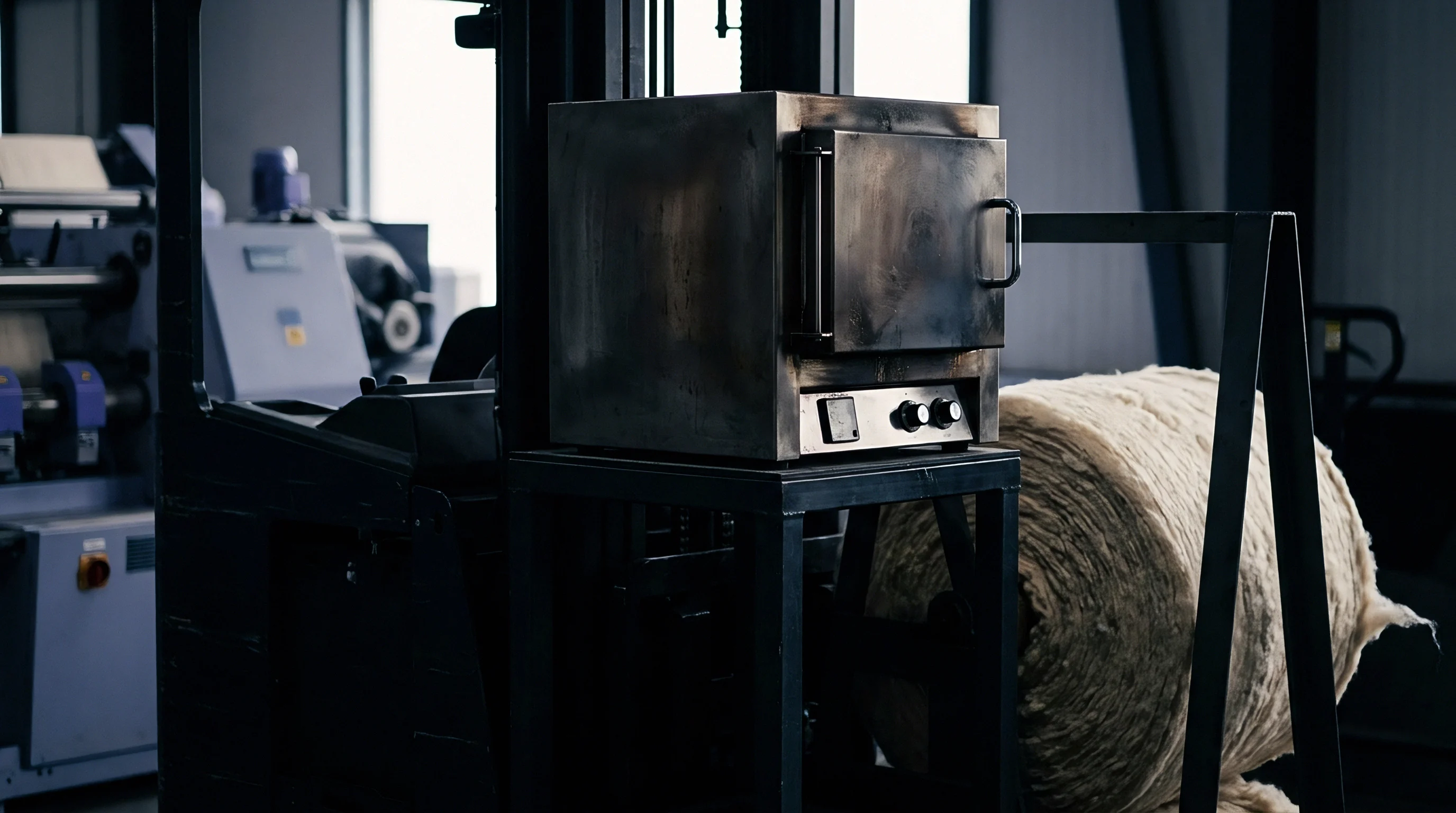
Testing according to ISO 11567 or ASTM D2118 involves placing a pre-dried specimen inside a platinum or porcelain crucible, then introducing the crucible to a muffle heating chamber. Increasing temperatures to 650 degrees Celsius burns away carbonaceous organic fibers and organic spin finishes. The remaining inorganic matter yields the gravimetric ash content after cooling inside a desiccator containing active silica gel.
Gravimetric Determination of Incombustible Ash Residue
Incineration at 650 degrees Celsius for two hours reduces pure cellulose or synthetic polymers to gaseous carbon dioxide, water vapor, and trace inorganic ash. Raw seed cotton yields normal ash values between 0.9 percent and 1.8 percent, comprising potassium, magnesium, and calcium carbonates alongside surface soil silica. Values exceeding 2.5 percent indicate sand contamination, field dust loading, or heavy application of inorganic agricultural sprays.
Measurement scales requires readability down to 0.0001 grams due to the minute mass of ash remaining from a typical five-gram test specimen. Crucible preparation requires pre-ignition at 750 degrees Celsius for thirty minutes, followed by desiccator storage to eliminate atmospheric moisture absorption by the porous porcelain matrix prior to sample loading.
Inorganic ash levels above two percent in raw cotton signal field dirt contamination that increases mechanical wear during ring spinning.
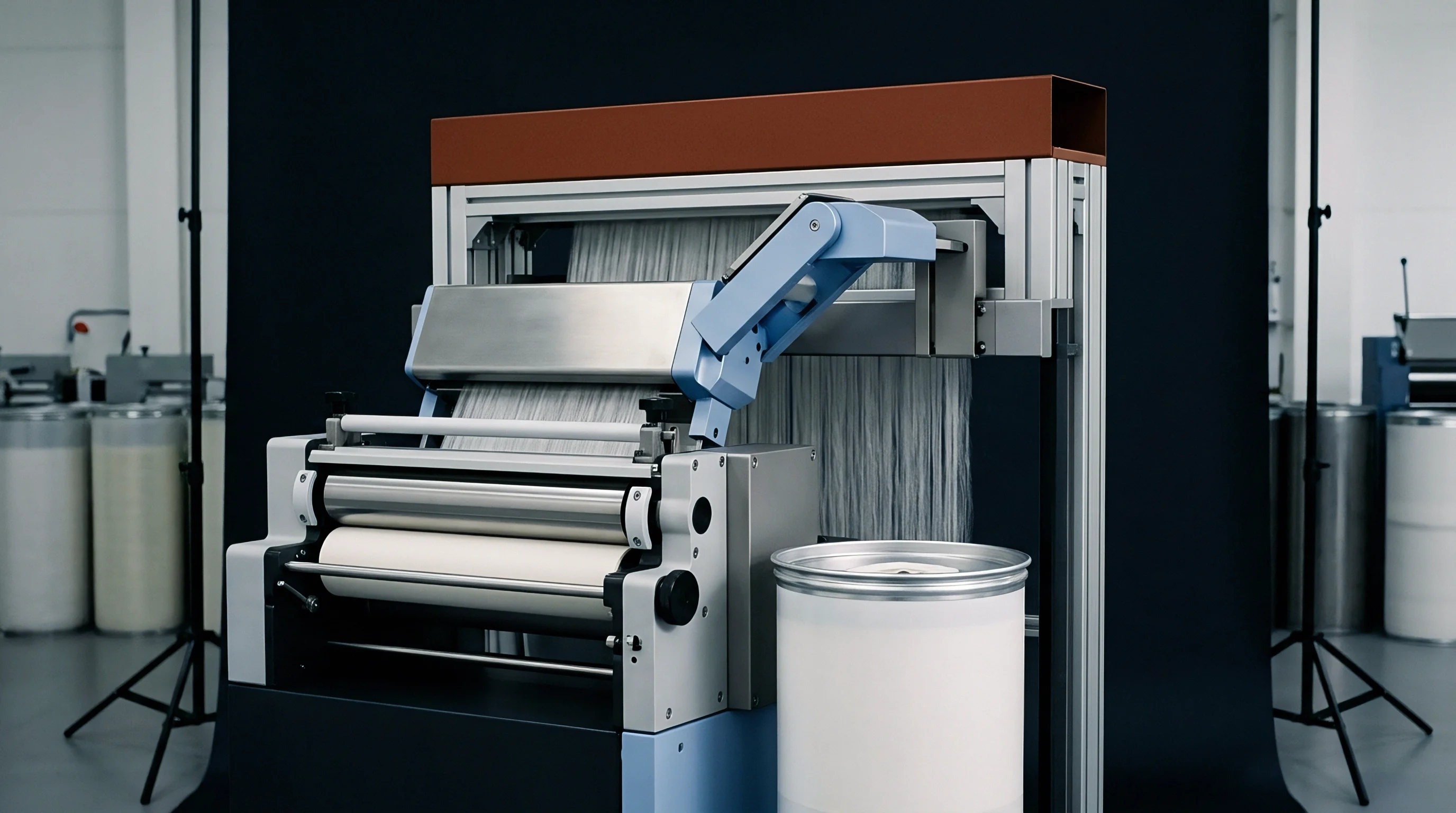
Separating Delustrants from Earthy Contaminants
Synthetic filaments manufactured with semi-dull or dull optical properties contain dispersed titanium dioxide particles ranging from 0.05 percent to 1.50 percent by mass. Muffle burning cannot distinguish between structural titanium dioxide additives and exterior inorganic spin finish salts or airborne dirt contamination without secondary elemental analysis.
Acid digestion of the ash residue using concentrated sulfuric acid and ammonium sulfate solubilizes titanium compounds, permitting spectrophotometric determination of titanium content. Subtracting the structural titanium dioxide mass from total furnace ash isolates exterior inorganic impurities and surface finish additives accurately.
Determining whether high ash values in continuous filaments stem from structural titanium dioxide or sand contamination remains complex without energy-dispersive X-ray spectroscopy.
Filament
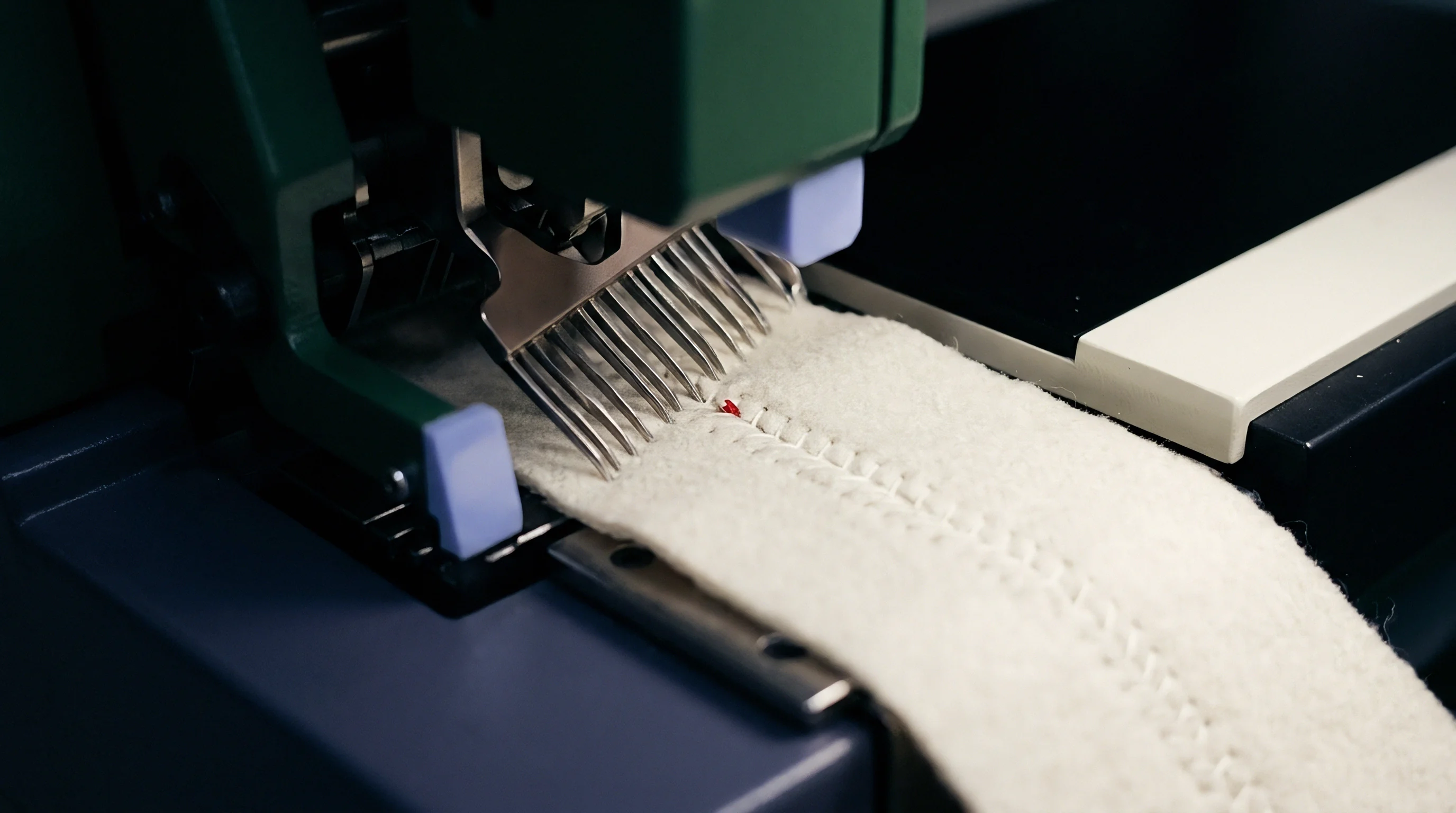
Synthetic continuous yarns require surface oil application during melt spinning to reduce yarn-to-guide friction, prevent static charge build-up, and provide cohesion during downstream draw-texturing operations. Spin finishes contain primary lubricating oils, emulsifiers, anti-static agents, antioxidants, and boundary lubricants applied at levels between 0.3 percent and 2.5 percent relative to total yarn weight. Excess finish causes buildup on yarn guides, oil deposition in heat-setting ovens, and dye streakiness during wet processing.
Quantifying finish content on polyester, polyamide, and polypropylene yarns relies on high-speed solvent extraction, nuclear magnetic resonance spectrometry, or near-infrared spectroscopy under ISO 1833-11 or ASTM D1574. Rapid solvent extraction using petroleum ether isolates topical oils within twenty minutes using automated extraction units equipped with closed-loop solvent recovery systems.
Spin Finish Extrapolation in Continuous Yarns
Textured polyester yarn lots destined for circular knitting require controlled spin finish levels between 0.60 percent and 0.90 percent. High-speed drawing processes demand uniform distribution along the filament length to maintain consistent threadline tension. Uneven application leads to tension spikes, yarn breakage, and dye bath contamination.
Extracting nylon 6 and nylon 6,6 filaments using organic reagents demands precise solvent selection to avoid extracting unreacted caprolactam monomer units or low-molecular-weight cyclic oligomers. Cyclohexane isolates topical lubricating oils without dissolving nylon oligomers, whereas chloroform extracts internal polymer compounds and skews non-fibrous results upward.
Why Do Synthetic Finish Levels Spike Batch Variance?
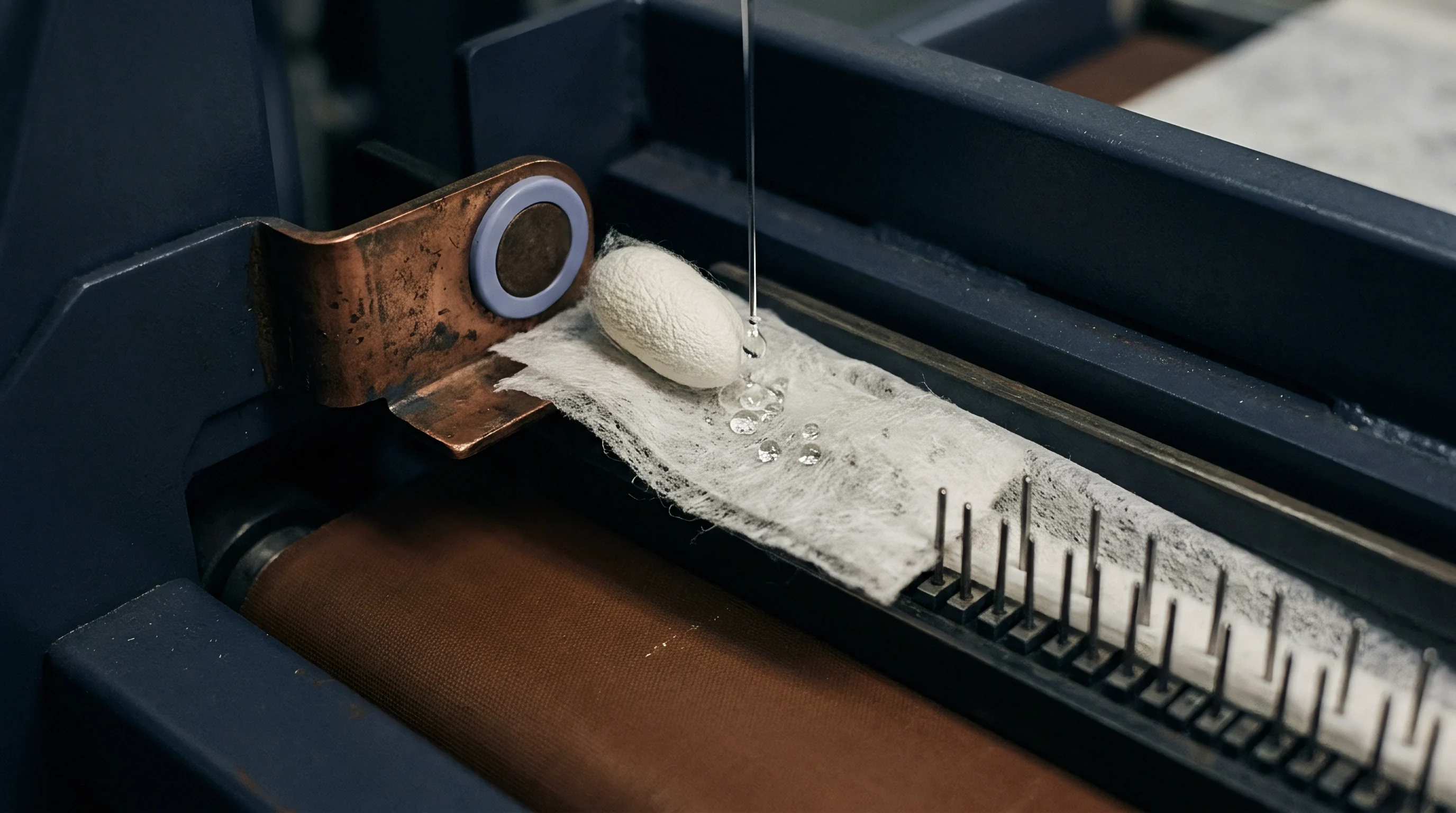
Variations in spin finish distribution occur when applicator metering pumps experience pressure fluctuations or when applicator tips wear unevenly across multi-position spinning frames. Finish migration occurs when yarn packages store at elevated ambient temperatures, causing liquid lubricants to move toward the outer layers or lower package shoulders under gravity and capillary forces.
| Fiber Chemistry | End-Use Application | Standard Test Method | Nominal Finish Content % | Maximum Acceptable Non-Fibrous Limit % |
|---|---|---|---|---|
| Polyester (PET) Fully Drawn Yarn | High-Speed Weaving | ASTM D1574 | 0.70 to 0.90 | 1.10 |
| Polyamide 6 Drawn Textured Yarn | Circular Hosiery | ISO 1833-11 | 1.00 to 1.40 | 1.65 |
| Polypropylene Multifilament | Industrial Webbing | DIN 54278 | 0.50 to 0.80 | 1.00 |
| Polyester Textured Draw Yarn | Waterjet Weaving | ISO 14389 | 0.40 to 0.65 | 0.80 |
Analytical verification requires taking swatch cuts from the outer face, core, and tube contact zones of a yarn package to evaluate finish distribution. Sampling only the exterior layers yields inaccurate finish figures that fail to represent the entire shipment lot.
- Primary Package Sampling requires stripping the outer fifty meters of yarn from each package to eliminate surface airborne dirt accumulation.
- Specimen Conditioning demands placing swatches inside a controlled atmosphere at 20 degrees Celsius and 65 percent relative humidity for four hours.
- Solvent Extraction involves running twenty extraction cycles using redistilled solvent inside a Soxhlet apparatus.
- Distillation and Drying requires evaporating extracted liquor in a rotary flask, followed by drying at 105 degrees Celsius for one hour.
- Desiccator Cooling mandates holding the dry extraction vessel inside a sealed desiccator for thirty minutes before mass measurement.
Ignoring finish distribution across inner and outer yarn layers causes severe tension variations during warping and leads to rejected fabric lots at the dyehouse.
Arithmetic
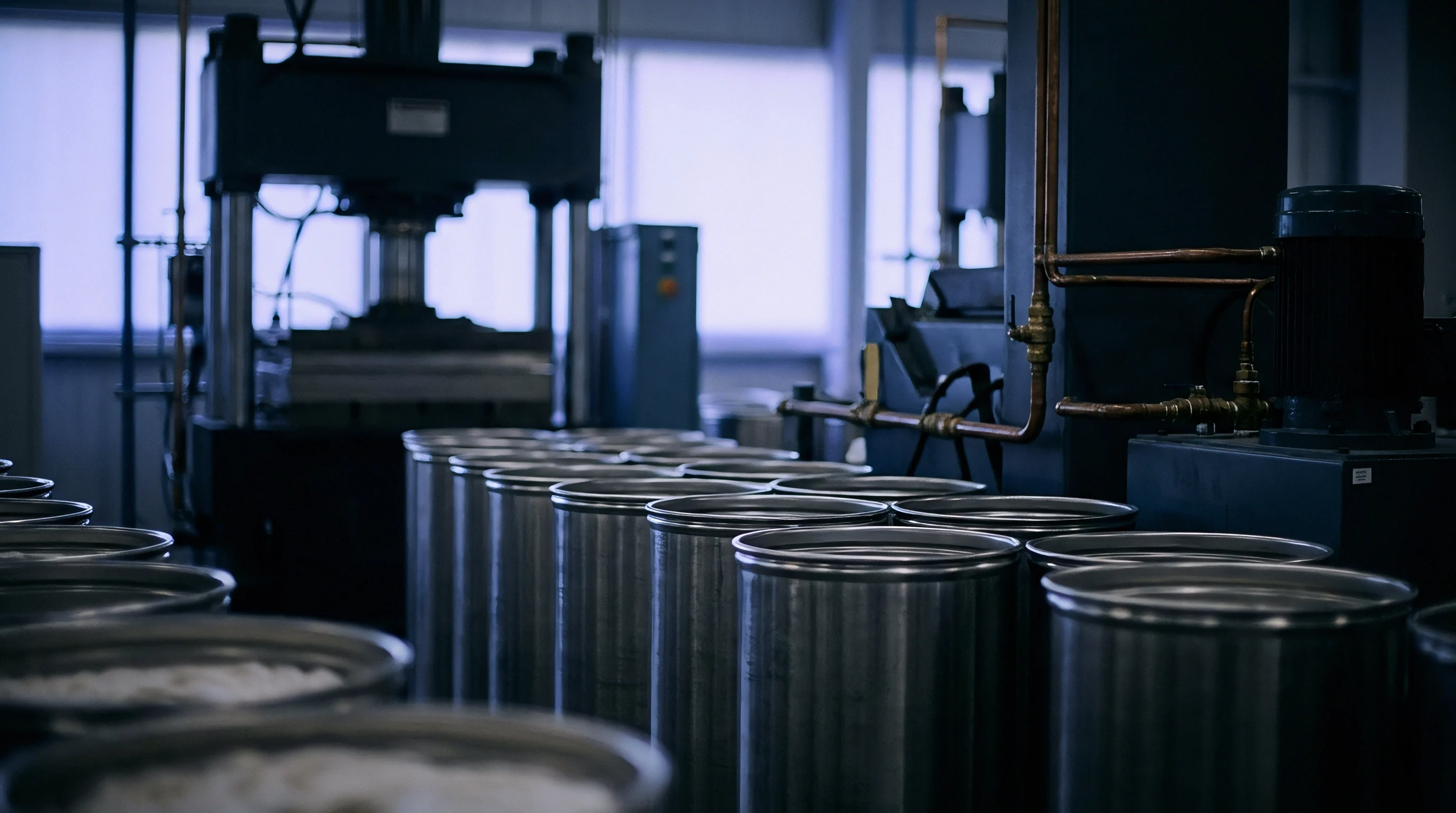
Calculations for non-fibrous content balance raw measured mass loss against standard moisture regain allowances defined by international trade agreements. Textile yarns trade on a commercial mass basis, which adds a standard commercial moisture regain percentage to the oven-dry fiber mass after removing all extractable impurities. Calculating non-fibrous content purely on wet or as-received sample mass introduces errors caused by fluctuating ambient moisture levels during transport and storage.
Formulas under ISO 1833-1 define non-fibrous content percentage as the dry mass lost during extraction divided by the initial dry mass of the un-extracted specimen. Applying correct commercial moisture regains ~ such as 8.5 percent for cotton, 0.4 percent for polyester, and 5.75 percent for polyamide 6,6 ~ ensures that financial invoices reflect clean dry fiber mass plus official commercial moisture allowances.
Mass Loss Equations and Commercial Moisture Adjustments
Equation architectures establish the clean dry fiber mass (md) by subtracting organic extractables (me), water-soluble matter (mw), and inorganic ash residues (ma) from the initial oven-dry specimen mass (m0). Expressing non-fibrous mass loss (NFC) as a percentage of initial dry mass follows the mathematical expression:
NFC = left( fracm0 – mdm0 right) × 100
When computing commercial invoice adjustments, the clean mass receives the standard commercial regain factor (R). The commercial mass (mc) calculation relies on the formula:
mc = md × left( 1 + fracR100 right)
Incorporate non-fibrous mass adjustments directly into landed price calculations to avoid paying raw fiber prices for volatile processing oils and field dirt contamination.
Worked Commercial Batch Mass Correction Scenario
A buyer contracts a 20,000-kilogram lot of raw cotton yarn on a commercial mass basis at 3.20 per kilogram. Laboratory testing of representative shi±ent samples reveals an initial dry specimen mass ($m0) of 100.00 grams. Sequential solvent extraction and aqueous scouring yield a clean dry fiber mass (md) of 92.50 grams, indicating a total non-fibrous content loss of 7.50 grams (7.50 percent).
Standard raw cotton trading rules allow a maximum non-fibrous content allowance of 5.00 percent, including natural waxes and soluble pectins. The excess non-fibrous content amounts to 2.50 percent above the contractual allowance limit. Applying the official cotton commercial moisture regain of 8.50 percent yields the following commercial mass adjustments:
Allowable dry fiber ratio = 100.00 – 5.00 = 95.00 grams per 100 grams dry mass.
Actual clean dry fiber content in batch = 20,000 kg × left( frac92.50100.00 right) = 18,500 kg dry clean fiber.
Invoiced commercial mass allowance = 18,500 kg × 1.085 = 20,072.50 kg billable mass.
Contract mass calculated at allowable non-fibrous limits = 20,000 kg × left( frac92.5095.00 right) = 19,473.68 kg.
The calculation reveals a billable mass short-fall of 526.32 kilograms due to excess non-fibrous weight. Multiplying this shortfall by the contract price of $3.20 per kilogram yields a direct purchase order price reduction of $1,684.22.
Commercial invoice mass must be calculated from oven-dry clean fiber mass plus standard commercial regain factors, excluding non-fibrous impurities above contract limits.
Standard purchase agreement terms under BISFA regulations specify that non-fibrous impurities exceeding agreed percentage caps are deducted directly from gross invoiced weight prior to payment settlement.

Deduction
Excessive non-fibrous content impacts landed material costs, duty classifications, and downstream process efficiency. Importers clearing raw cotton or synthetic yarn shipments through customs authorities face reclassification risks if heavy sizing or lubricating oil additions push shipments into modified chemical classifications. Customs valuation regulations require adjusting the dutiable value of imported textile goods to reflect net clean fiber content, preventing importers from paying ad valorem import duties on volatile oils, starches, and water-soluble additives.
Quality assurance programs require verification of non-fibrous content across incoming yarn shipments. Mills that skip gravimetric non-fibrous testing absorb increased dye consumption, bath instability, and high effluent treatment costs during desizing and scouring operations. Documenting non-fibrous levels on batch certificates provides legal grounds for invoice adjustments and quality claims before yarns enter production equipment.
Contractual Yield Penalties and Net Fiber Invoicing
Purchase orders must include maximum non-fibrous content thresholds linked to clear testing methods. Contracts specifying ASTM D2257 or ISO 1833-1 testing methods empower buyers to issue debit notes for shipments exceeding specified finish or wax limits. Penalty calculations apply a dollar-for-dollar reduction based on the net dry fiber shortfall, covering both the material weight deficit and the additional chemical processing costs required to scour excess lubricants from downstream fabrics.
Commercial disputes arise when suppliers invoice yarn based on gross shipping weight without accounting for moisture loss and non-fibrous oil additions applied prior to packing. Reclaiming excess costs requires third-party laboratory verification performed on samples pulled within forty-eight hours of container unsealing under standardized sampling protocols.
Customs Duty Exposures from Excess Processing Additives
Border compliance agencies audit imported yarn shipments for non-fibrous additives to detect intentional weight loading designed to evade tariff quotas or alter Harmonized Tariff Schedule classifications. Yarns coated with heavy starch or chemical sizing agents exceeding eight percent by mass risk reclassification as prepared sizing preparations or coated textiles, carrying elevated duty tariffs.
Maintaining clear analytical dossiers containing gravimetric extraction data, ash testing reports, and official moisture regain calculations protects sourcing operations during customs audits. Verified batch records establish the precise boundary between structural synthetic fiber, natural plant components, and temporary processing lubricants, securing seamless customs clearance and protecting gross margin calculations across cross-border textile supply chains.
Clearance documentation matching verified laboratory extraction reports prevents customs delays, duty reassessments, and penalty notices on international container shipments.