Fibre Combination
Spun textile material produced by mixing natural botanical filaments with manufactured synthetic polymers achieves specific physical properties unavailable to either component alone. Manufacturers design cotton blend yarn by balancing the moisture absorption of cellulose fibres with the durability and elastic recovery of materials like polyester or nylon. Technical laboratories categorize these products based on the mass ratio of the primary fibres present in the strand.
Manufacturing Metric
Uniformity in the resulting cord depends upon the carding sequence where opening machinery aligns disparate fibres into a parallel orientation before drafting begins. Engineers monitor the linear density during the drawing process to ensure that the ratio remains consistent throughout the entire production run. Variations in the coefficient of friction between different fibre types often require the application of specific antistatic lubricants to prevent entanglement during high speed spinning.
Physical Verification
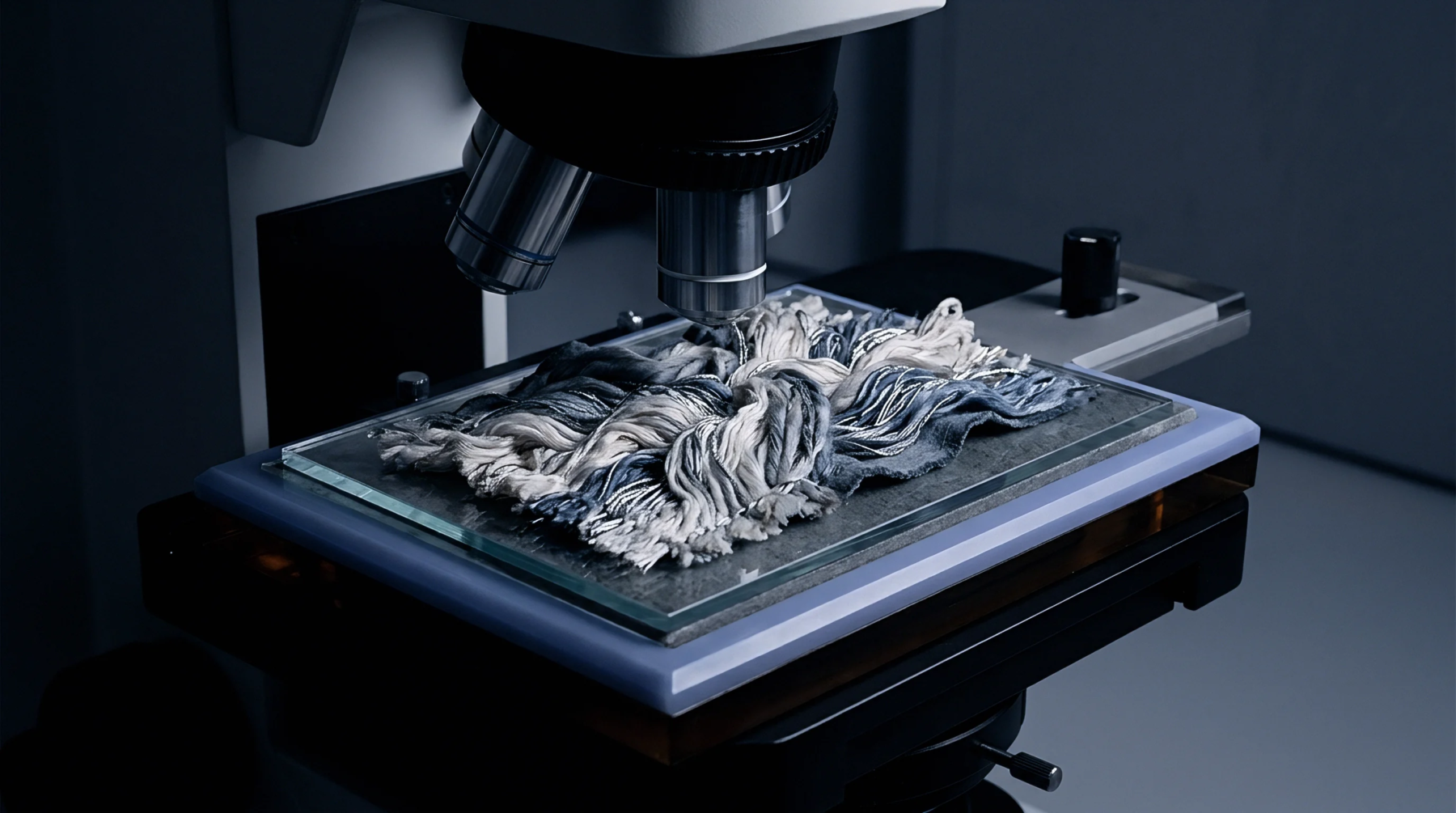
Standardized testing procedures confirm the composition of the strand by comparing chemical solubility or microscopic visual analysis against known reference samples. Technicians utilize density separation in solvent baths to isolate individual components for weight calculation. This verification determines whether a delivery meets the specified commercial tolerances for material content before the commodity enters the knitting or weaving phase of garment production.
Operational Performance
Textile mills utilize these hybrid products to stabilize fabric dimensions across repeated wash cycles and mechanical stresses. The inclusion of synthetic filaments reduces shrinkage rates significantly when compared to pure botanical alternatives. Fabrics constructed from this output retain structural integrity under higher heat settings during finishing treatments.
Synthetic constituents within the structure prolong the service life of finished apparel by increasing resistance to abrasion.