Fibre Extraction
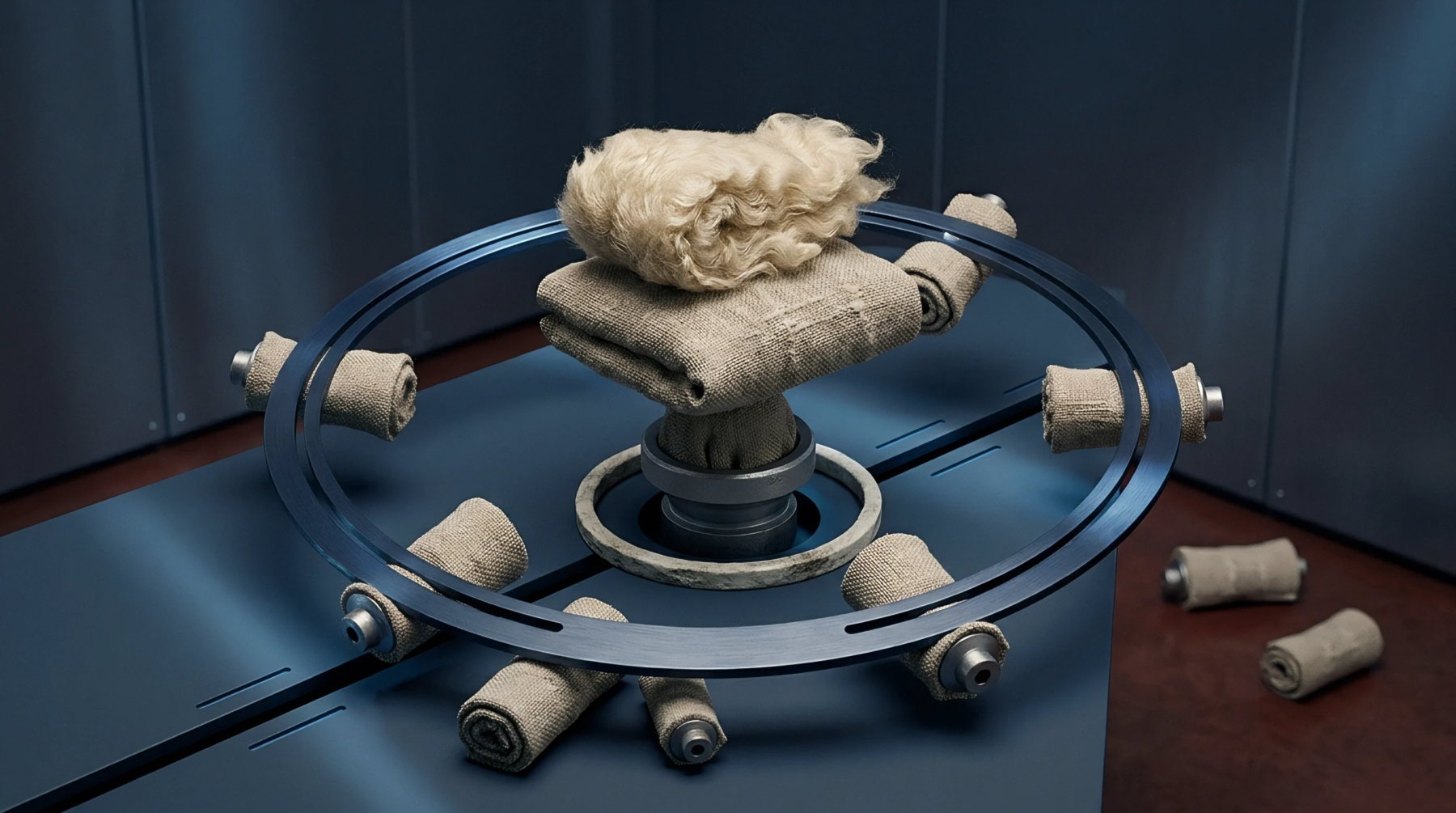
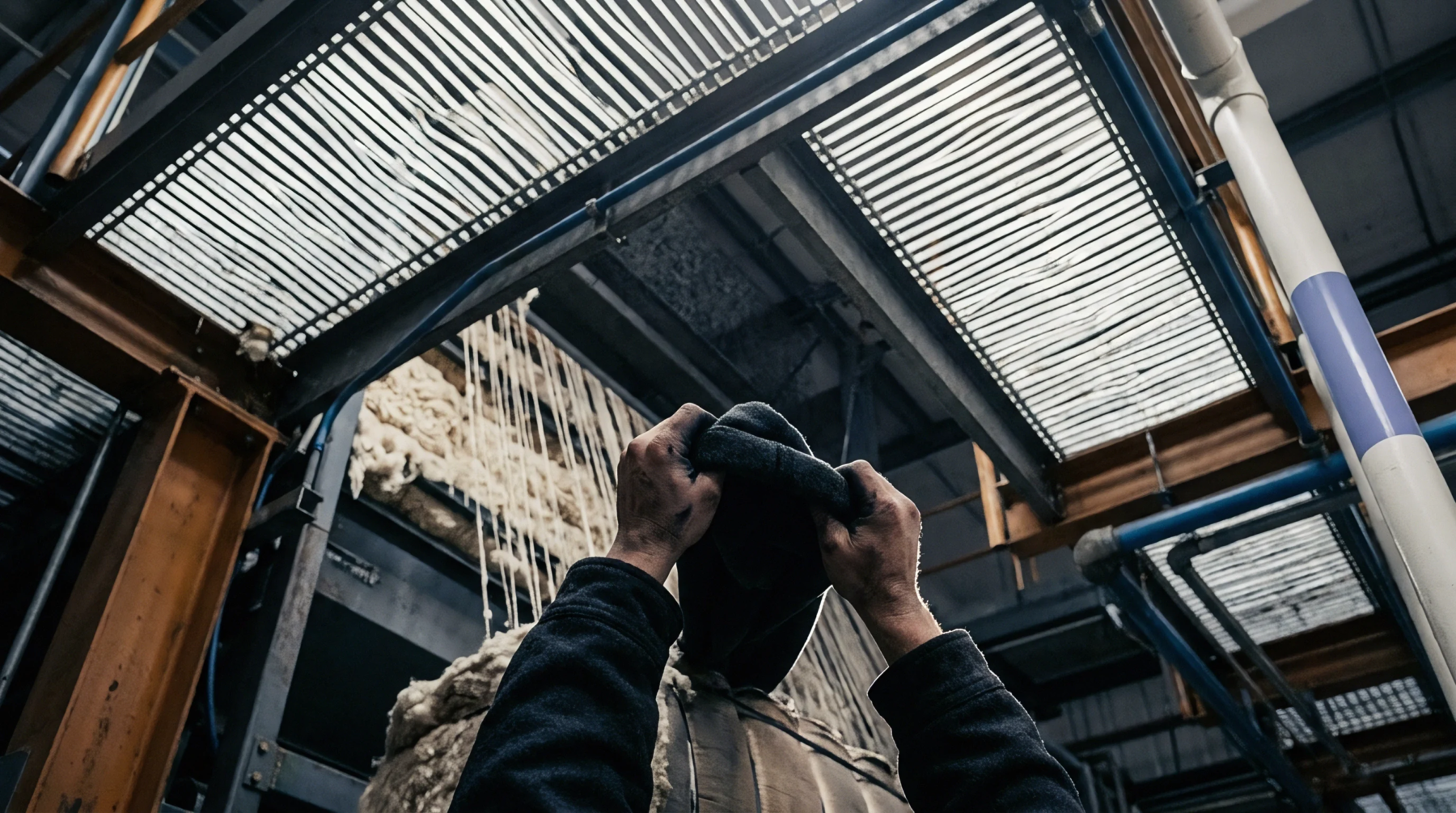
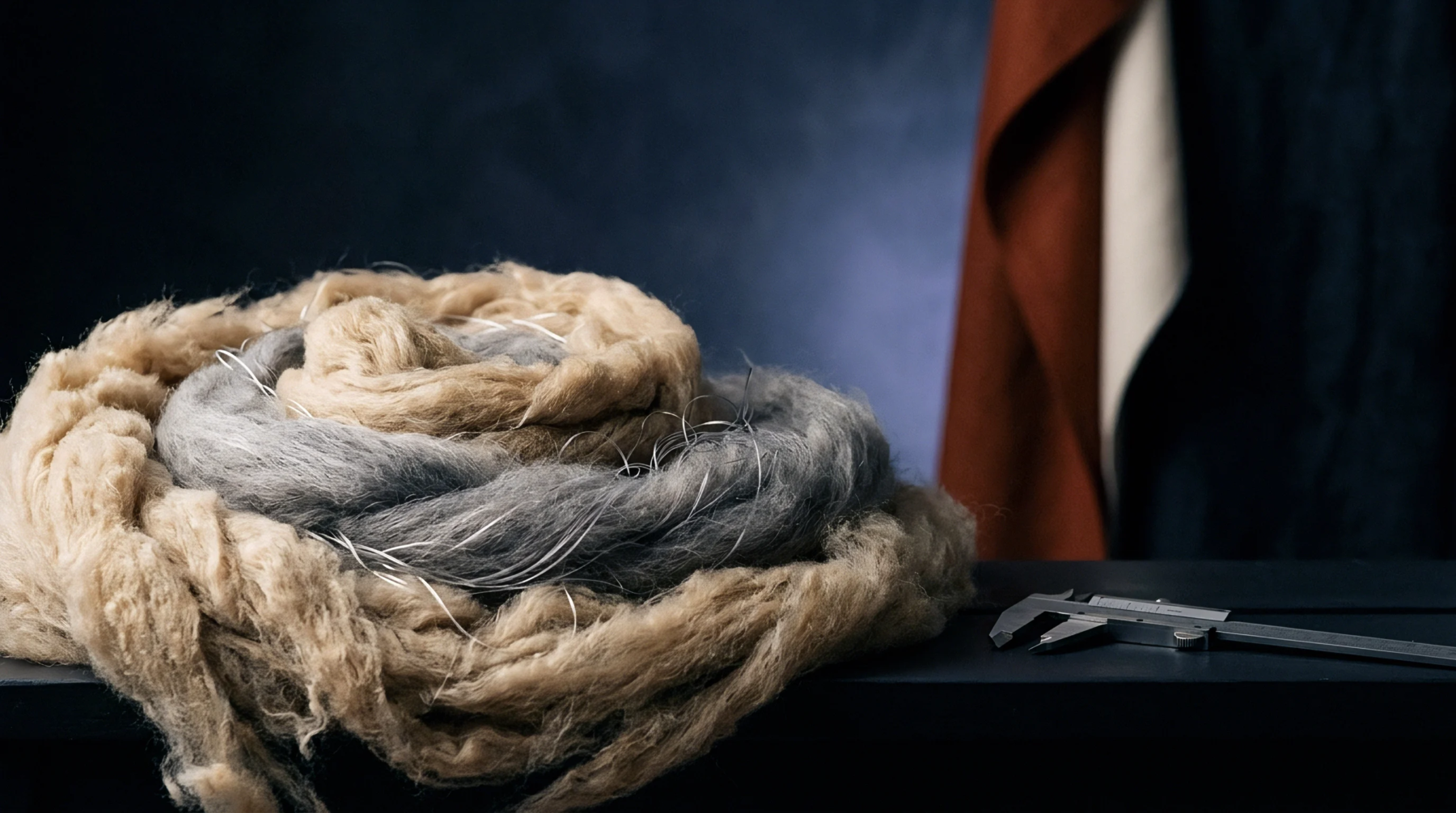
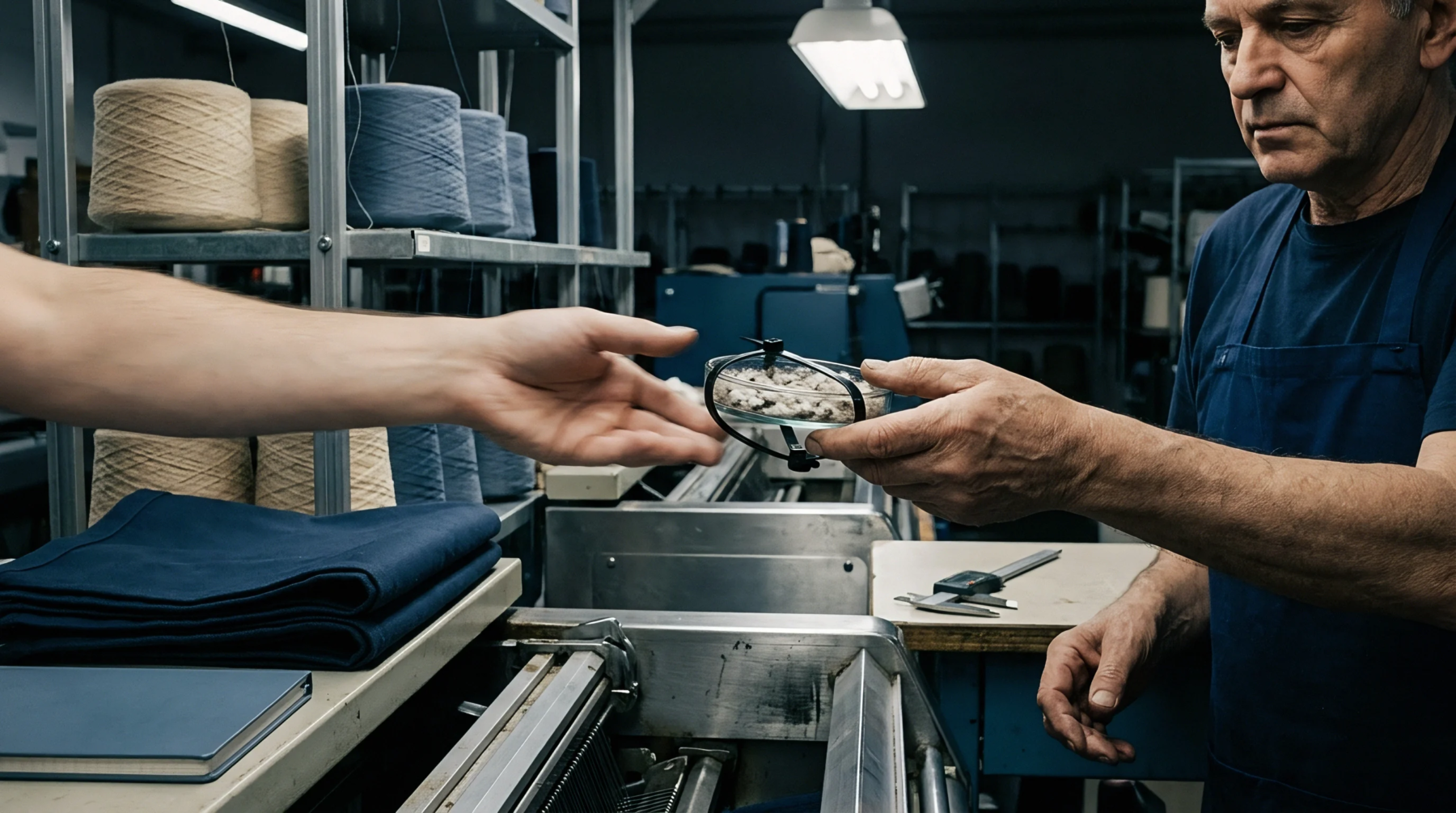
Commercial processing of capra hircus begins in spring when pastoralists collect the shed undercoat by manual combing rather than shearing, separating the fine cashmere down from coarser outer guard hairs. Raw fleeces arrive at sorting facilities containing vegetable matter, skin flakes and natural grease that together reduce usable fibre yield by half during initial washing stages. Scouring lines use aqueous detergent baths at controlled temperatures to strip lanolin without damaging the delicate cortical cell structure of the protein fibres.
Carding machinery subsequently opens the washed locks, aligning individual filaments and removing residual coarse hairs before slivers move forward to spinning mills for yarn creation. Fine down diameters typically measure between fourteen and nineteen microns, establishing the thermal retention properties that luxury knitwear manufacturers demand for lightweight winter garments.
Yarn Spinning
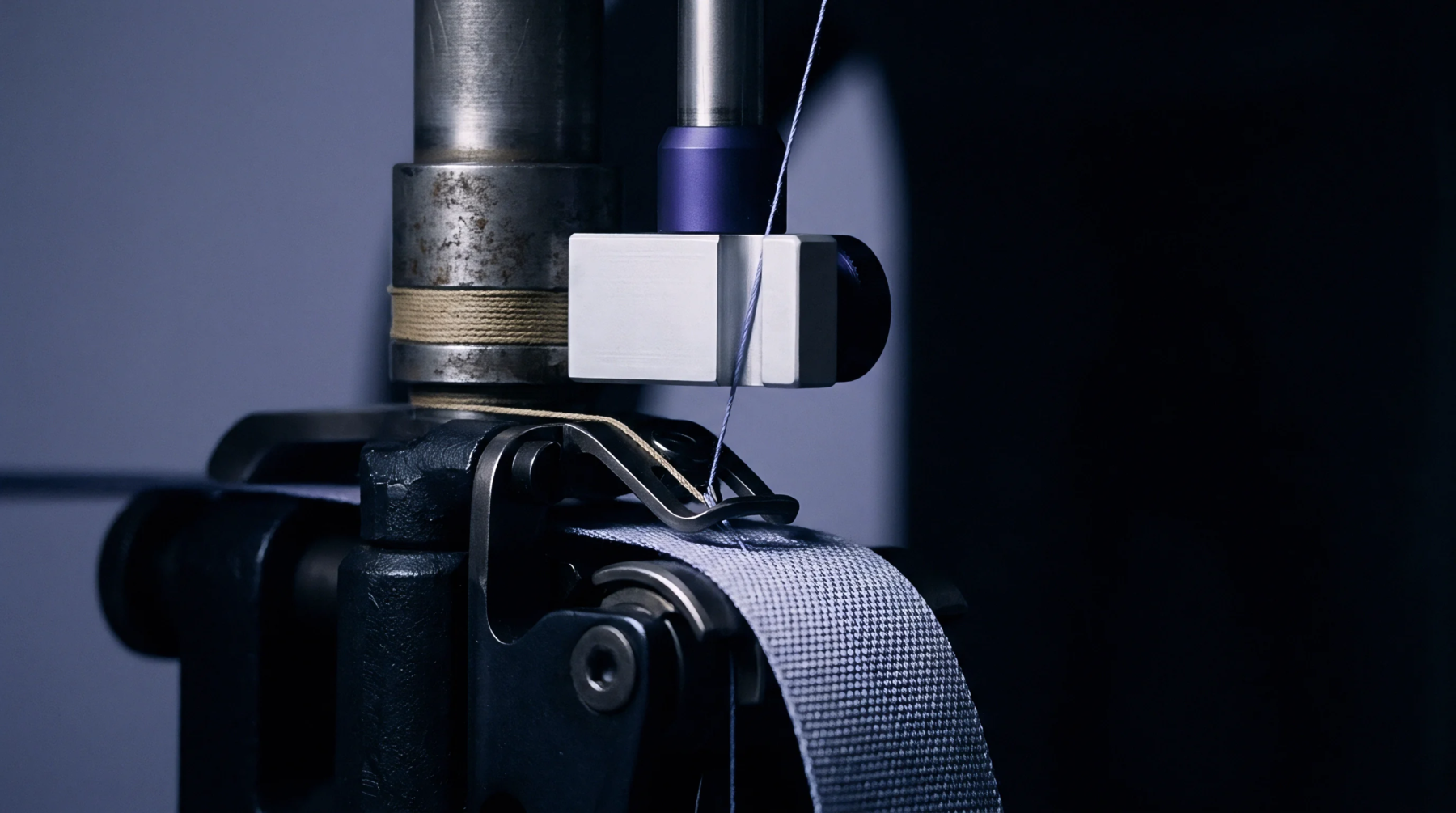
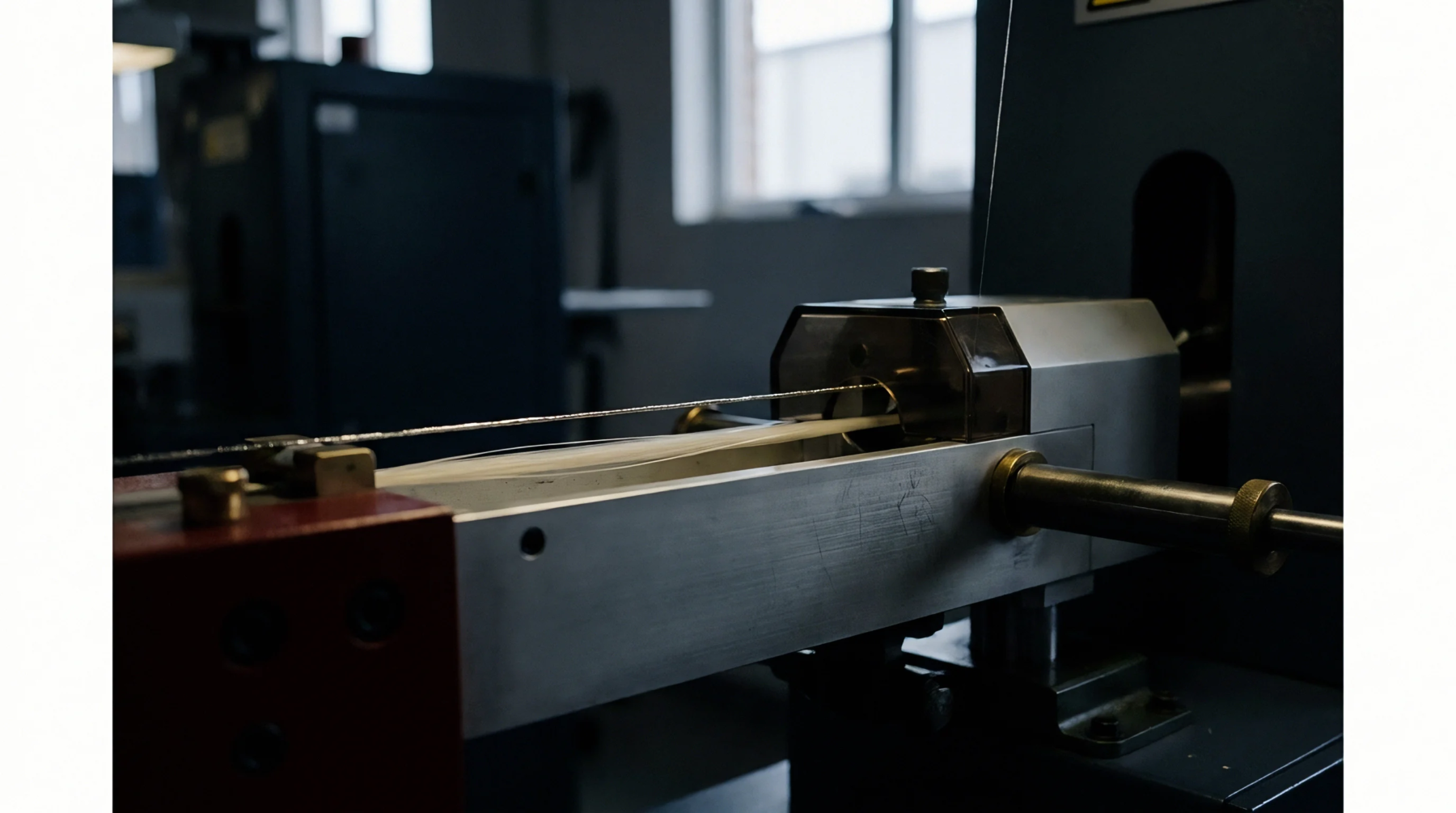
Processing raw down into worsted or woolen yarns requires specialized drafting frames designed to handle short staple lengths without fiber breakage. Spinners adjust twist multipliers carefully because excessive rotation reduces tactile softness while insufficient twist causes pilling during subsequent abrasion tests in commercial laboratories. Drafted rovings pass through ring spinning frames where tension is regulated constantly to maintain linear density consistency across every production batch destined for high end weaving mills.
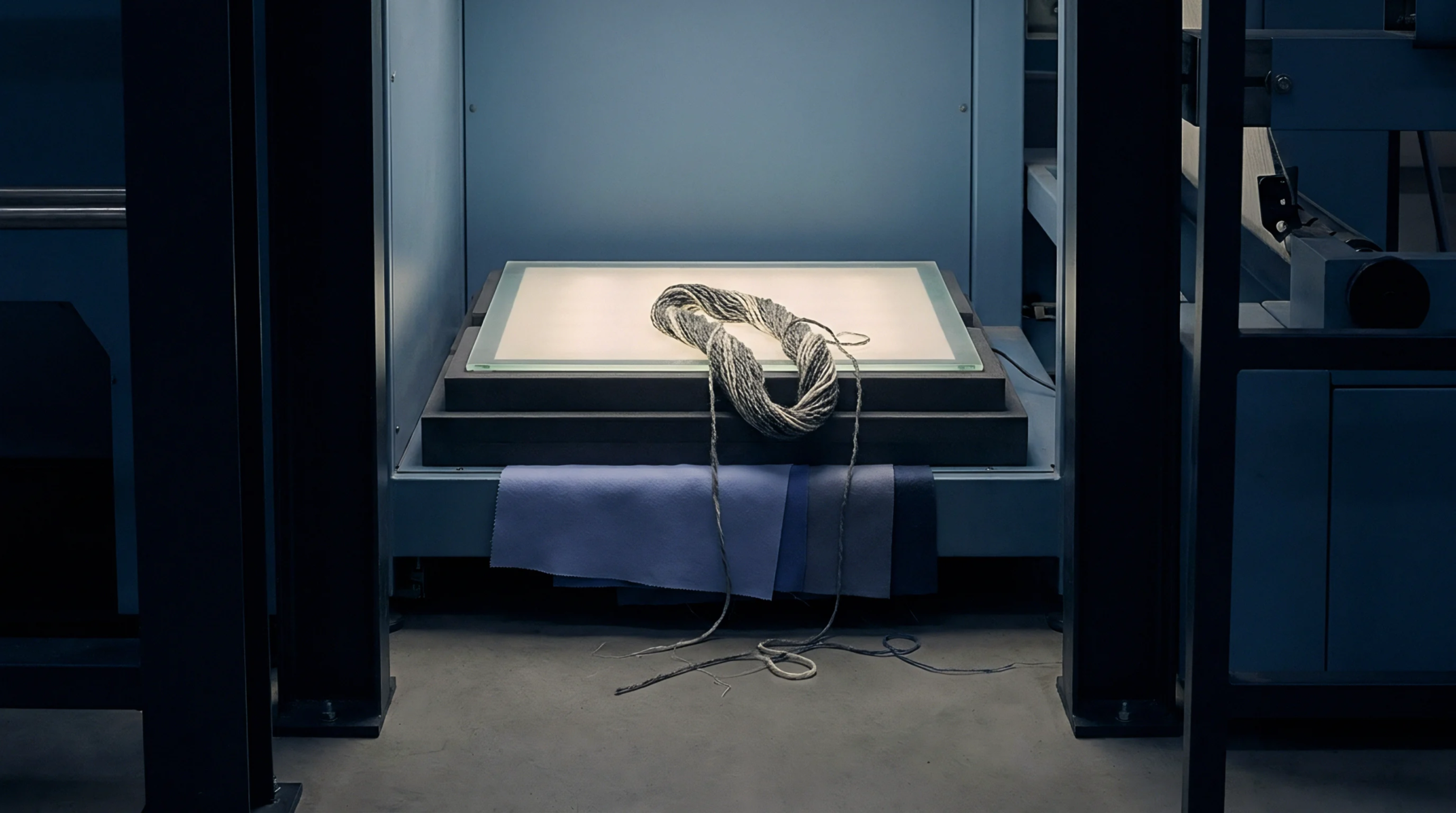
Finished yarn packages undergo conditioning chambers to stabilize internal torsion before winding onto cones for commercial delivery to loom operators.
Fabric Construction
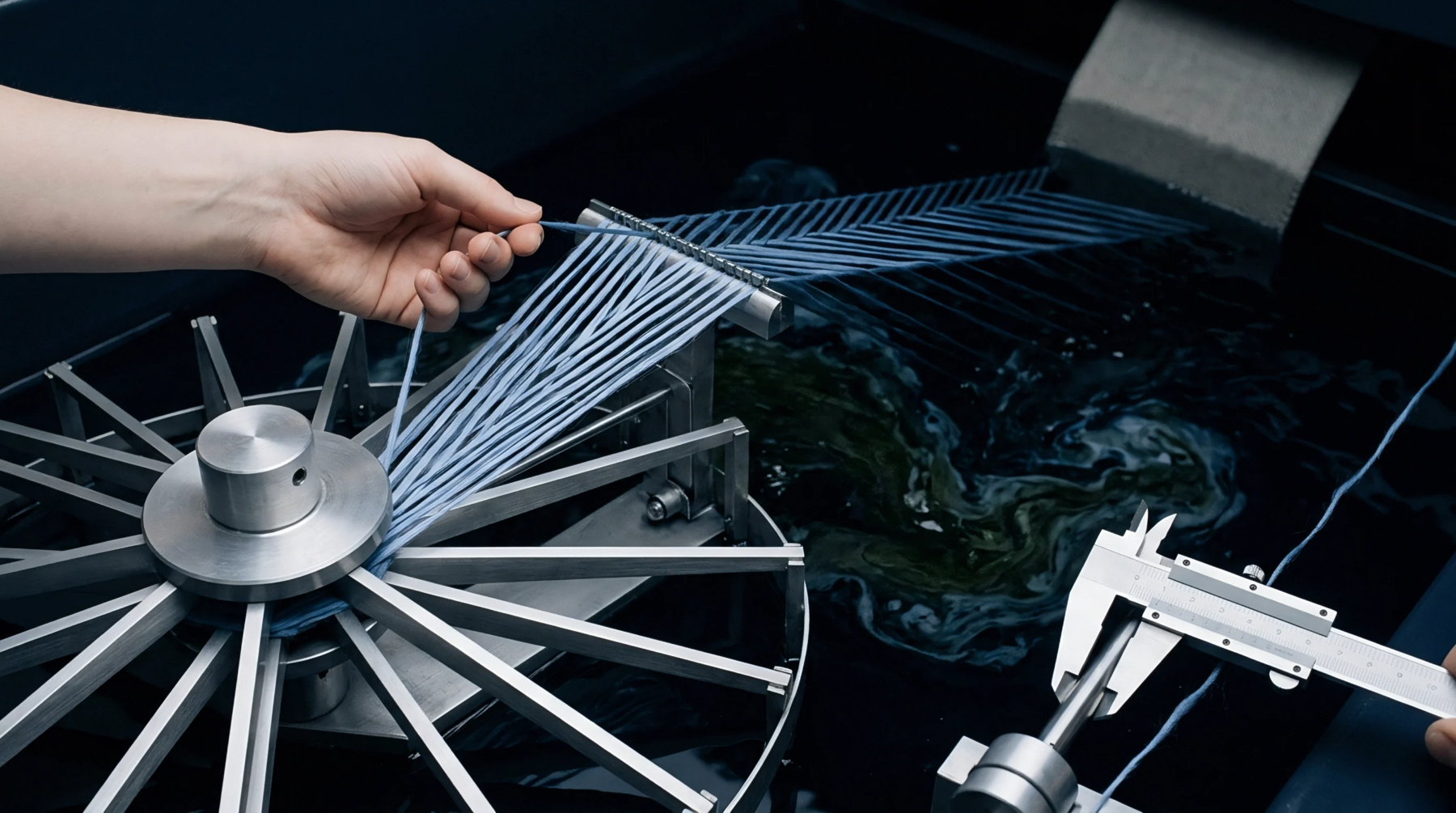
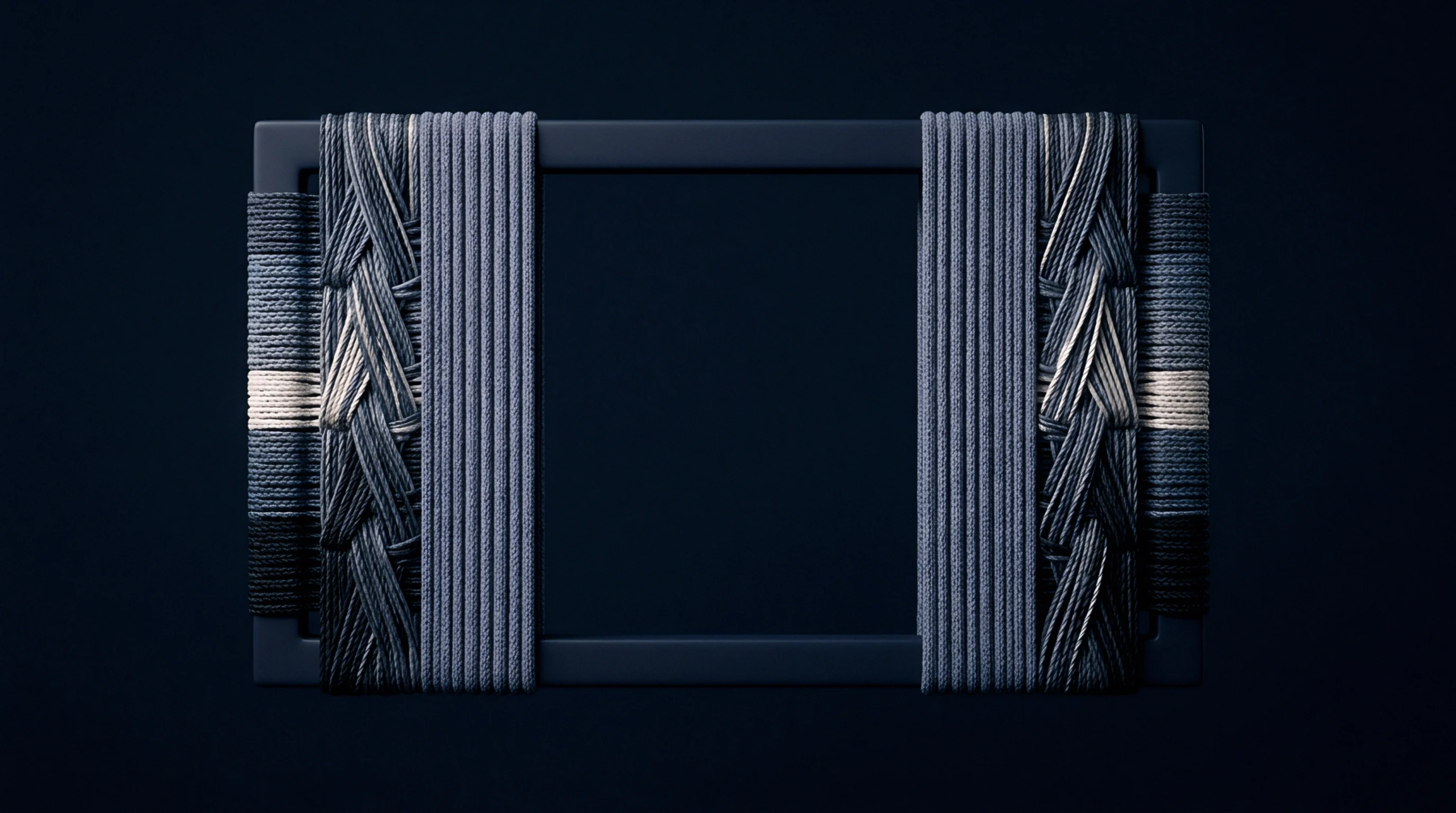
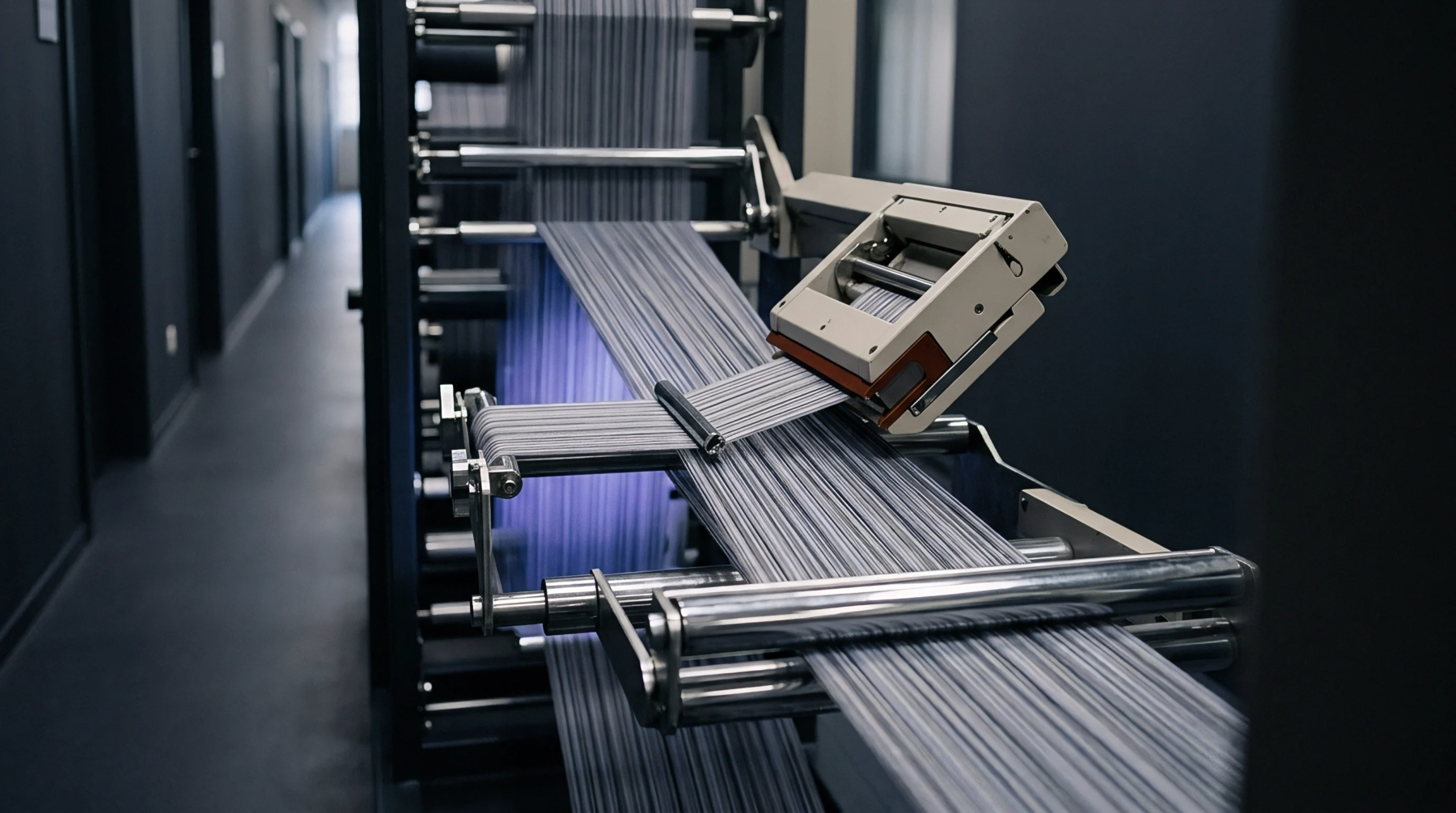
Weaving operations utilize high density settings on shuttle looms to produce balanced plain or twill weaves that showcase the natural drape of luxurious animal fibers. Loom setters calibrate warp tension meticulously to prevent yarn rupture during the shedding cycle, ensuring uniform picks per centimeter in finished grey cloth pieces. Subsequent wet finishing treatments, including fulling and scouring, cause the scales on individual animal hairs to interlock slightly, creating a dense surface handle without sacrificing breathability in the final woven cloth.
Quality Verification
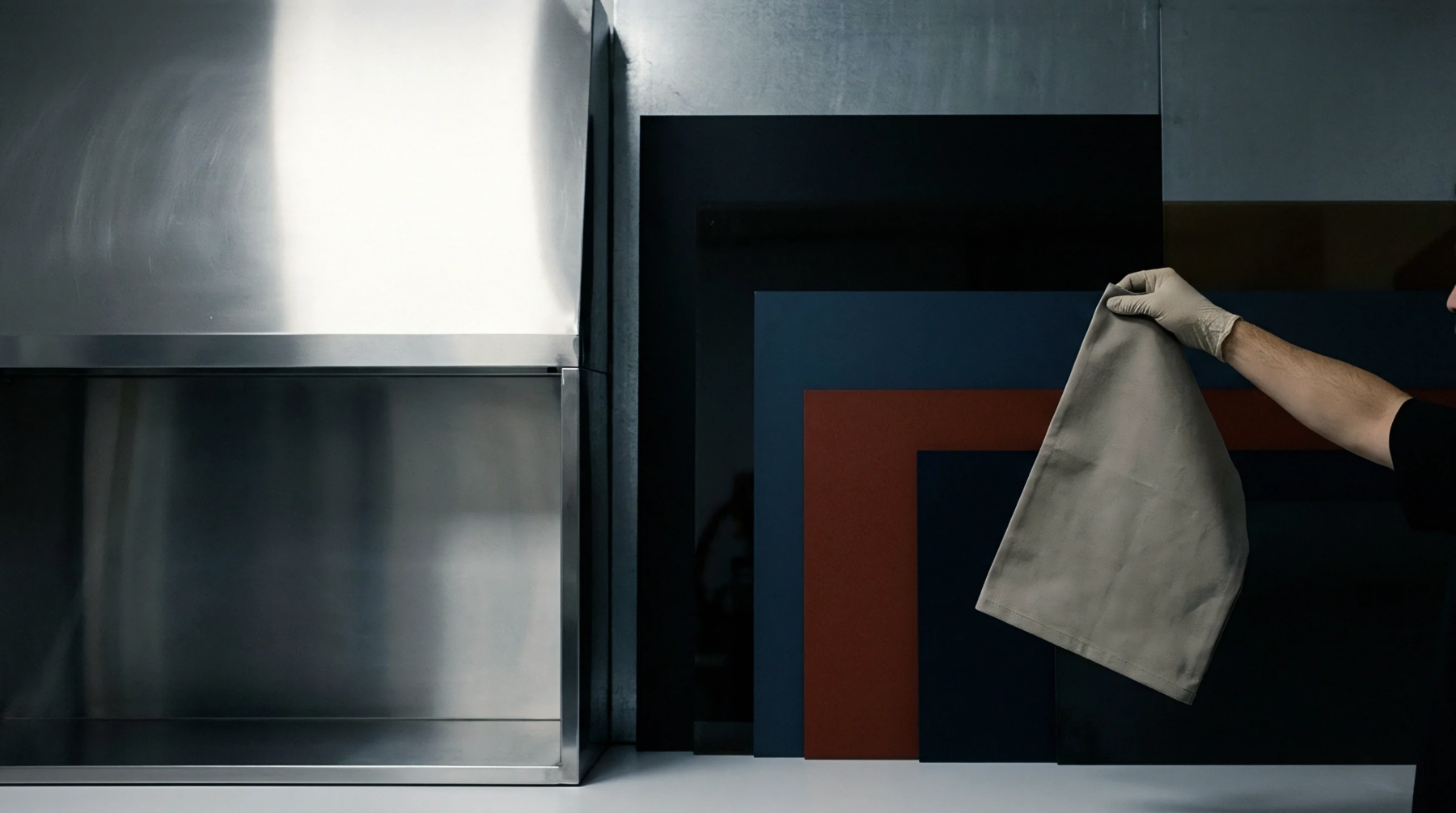
Laboratory technicians evaluate finished fabrics against strict commercial specifications by testing tensile strength, burst resistance and dimensional stability under standardized atmospheric conditions. Inspectors examine cut pieces under magnifying lamps to detect spinning faults, oil stains or uneven dyeing results before garments receive final approval for retail distribution. Retail buyers reject production lots failing to meet minimum dimensional recovery standards after standard laundering procedures.