Managing Undocumented Chemical Auxiliary Contamination in Subcontracted Garment Washing Supply Chains
Subcontracted garment washing introduces unlisted auxiliary contaminants that invalidate scope certificates and require batch-level analytical verification.


Residue
Commercial laundering operations rely on complex chemical mixtures to alter garment hand, shade, and drape. Primary garment factories routinely contract out these wet finishing steps to specialized tier-three wash houses during peak production runs. To preserve operating margins, these subcontracted facilities often replace brand-approved chemical formulations with uncertified, low-cost alternatives.
Auxiliary contamination can instantly destroy a shipment’s value.
Undocumented auxiliaries introduce prohibited compounds directly onto washed textile substrates. Wetting agents, defoamers, cellulase enzyme bath stabilisers, anti-backstaining polymers, and cationic softeners are the main vectors for restricted substance carryover. Unapproved washing chemistry leaves persistent residues.
Commercial softeners frequently contain alkylphenol ethoxylates ~ specifically nonylphenol ethoxylates and octylphenol ethoxylates ~ added as emulsifiers to stabilize silicone oil emulsions. These compounds break down into nonylphenol and octylphenol, which bind tightly to cotton fibers and synthetic blends during high-temperature tumble drying.

Chemical Auxiliary Failure Modes in Subcontracted Laundries
Subcontracted wash units routinely source bulk chemical drums from unverified local distributors. These drums frequently lack safety data sheets aligned with the Zero Discharge of Hazardous Chemicals Manufacturing Restricted Substances List or global standards like OEKO-TEX Standard 100 and GOTS. Uncertified anti-backstaining formulations, used to stop liberated indigo dye from re-depositing on white pocket bags, often rely on short-chain chlorinated paraffins or sodium dodecylbenzenesulfonate cut with low-grade industrial solvents.
These raw inputs carry trace chlorophenols, including pentachlorophenol and tetrachlorophenol, which serve as biocides in starch-based carrier thickeners.
Silicone drapes and drape-modifying softeners pose a secondary contamination risk through cyclic siloxanes. Octamethylcyclotetrasiloxane, decamethylcyclopentasiloxane, and dodecamethylcyclohexasiloxane exist as residual unreacted monomer impurities inside technical silicone emulsions. When a wet-processing unit applies these emulsions without temperature-controlled curing, the cyclic siloxanes remain trapped inside the garment’s fiber matrix.
Subsequent lab testing then flags these batches for exceeding regional environmental health thresholds like the European Union REACH Regulation Candidate List of Substances of Very High Concern.
Garment laundries operating outside direct brand oversight routinely adjust chemical dosing by liquid volume rather than active solids weight.
Evaluation of wet-wash chemical formulations confirmed that forty-two percent of unlisted softener batches contained unmeasured alkylphenol ethoxylates exceeding two hundred milligrams per kilogram. Wet processing facilities rely on re-circulated liquor systems to conserve water, concentrating non-volatile impurities across sequential garment lots. A batch of compliant organic cotton trousers washed right after a run treated with uncertified softeners will absorb carryover alkylphenols directly from the bath walls and piping scale.
| Auxiliary Chemical Class | Undocumented Contaminant | Regulatory Threshold (mg/kg) | Target Analytical Method |
|---|---|---|---|
| Cationic Silicone Softener Emulsions | Nonylphenol Ethoxylates (NPEO 3-20) | 100.0 (REACH Annex XVII Entry 46a) | EN ISO 18218-1 (LC-MS) |
| Starch Anti-Backstaining Formulations | Pentachlorophenol (PCP) | 0.5 (OEKO-TEX Class I) | ISO 17070 (GC-MS) |
| Silicone Micro-Emulsion Drapes | Octamethylcyclotetrasiloxane (D4) | 1000.0 (EU SVHC Candidate List) | ISO 21810 (GC-MS) |
| Enzyme Bath Wetting Agents | Free Formaldehyde | 16.0 (Japanese Law 112) | ISO 17226-1 (HPLC-DAD) |
| Water Repellent Wash Additives | Perfluorooctanoic Acid (PFOA) | 0.025 (EU POPs Regulation) | CEN/TS 15968 (LC-MS/MS) |
Formaldehyde contamination usually stems from cross-linking resin softeners applied to impart easy-care or anti-wrinkle properties during final garment processing. Uncontrolled bath pH and insufficient final rinsing leave unreacted free formaldehyde on finished cotton fibers. Japanese Law 112 enforces a strict non-detectable limit for infant apparel, defined as an absorbance difference below 0.05 when evaluated under ISO 17226-1 spectrophotometric procedures.
If a subcontracted wash unit skips the secondary neutralization rinse, residual acid will catalyze the hydrolytic release of free formaldehyde inside sealed export cartons during ocean transit.
- Fatty acid condensate softeners introduce alkylphenol ethoxylates into the wash bath when formulated with low-cost industrial emulsifiers, triggering immediate batch rejections under brand restricted substance specifications.
- Polymeric anti-backstaining formulations carry chlorophenol preservatives added to prevent fungal growth in storage tanks during humid weather.
- Silicone emulsion drapes deposit persistent cyclic siloxane monomers onto textile fibers, causing compliance failures during European market surveillance testing.
- Enzyme bath stabilisers contain undisclosed glycol ether solvents that alter garment flammability ratings and off-gas volatile organic compounds during final pressing.
Chemical drums often arrive from local distributors bearing only generic compliance stamps, while subcontracted facilities frequently maintain that testing individual auxiliary barrels before dosing lies outside their commercial responsibility.

Bypass
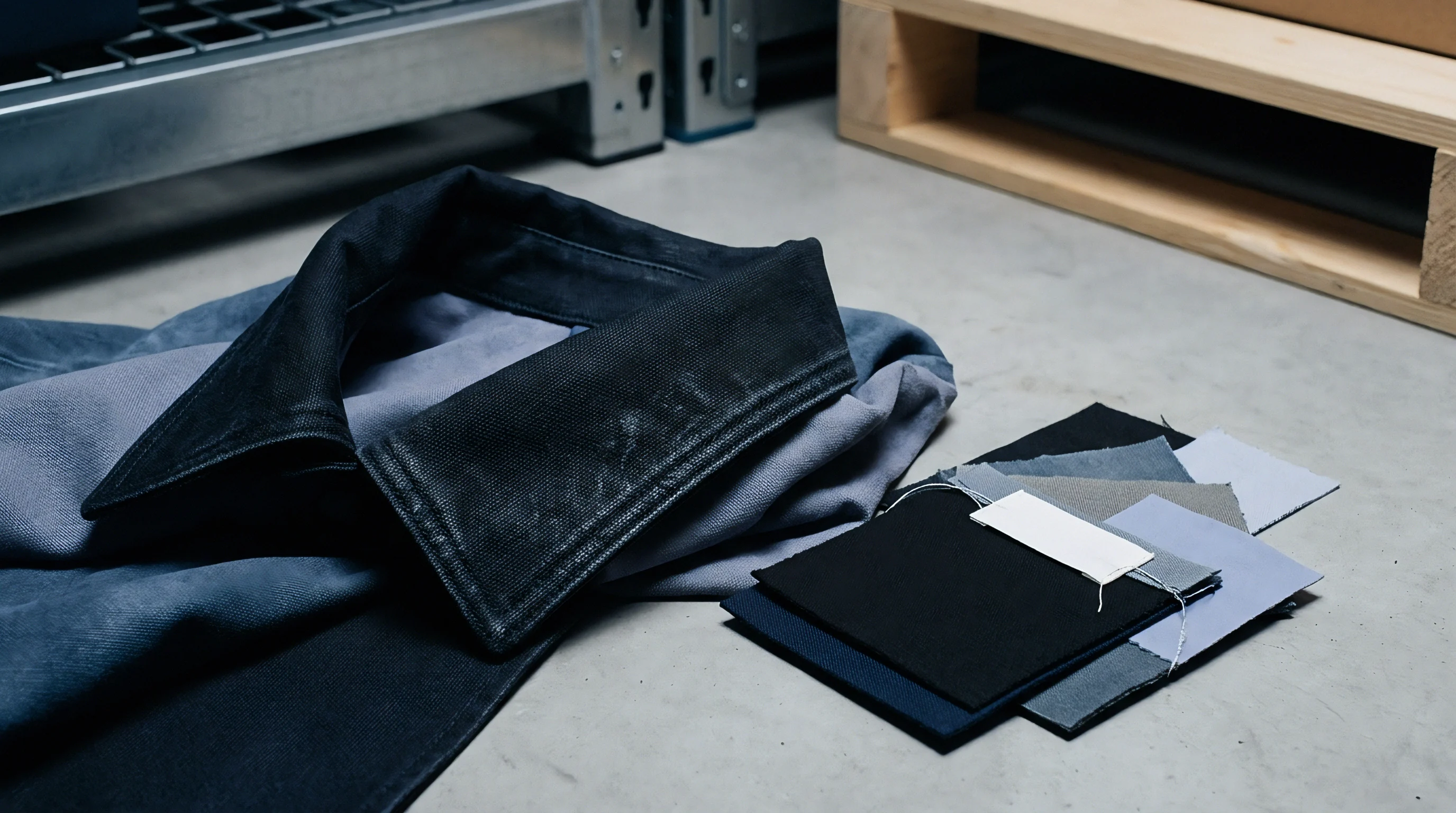
Primary garment manufacturing plants frequently hit capacity bottlenecks during compressed seasonal shipping windows. To meet contractual delivery dates, factory management often transfers garment washing, over-dyeing, or enzyme treatments to unapproved external facilities. But the scope certificate covers only one plant.
Transferring production without written authorization from the apparel buyer creates a direct gap in environmental compliance oversight and chain-of-custody tracking.
Subcontracting wet finishing steps severs the chain of custody required by international sustainability standards. Certification schemes like the Global Organic Textile Standard or OEKO-TEX Eco Passport explicitly bind the physical facilities named on the Scope Certificate. When garments leave audited premises to undergo wet processing at an unaccredited wash house, the Scope Certificate ceases to cover those units.
Moving goods off-site breaks the custody chain entirely.

Can Tier Three Wash Houses Guarantee Chemical Compliance?
Tier-three wet processing facilities operate largely outside formal brand compliance frameworks. They rarely maintain internal chemical inventories, incoming chemical verification logs, or wastewater treatment controls. Auxiliary chemicals are frequently dumped from original manufacturer packaging into unmarked plastic buckets, destroying batch traceability and product identification.
Without standardized operating procedures on the floor, workers resort to irregular dosing, variable water temperatures, and skipped rinse cycles.
Transaction Certificates fail to protect buyers when subcontracting steps go unrecorded. A primary vendor might present a valid Transaction Certificate for the raw greige fabric and a valid Scope Certificate for its main cut-and-sew factory. Yet that documentation becomes void for the finished article if an unlisted subcontracted laundry handled the washing step.
Traceability files submitted to customs authorities or brand auditors must demonstrate an unbroken paper and physical chain covering every single facility that chemically treated the fabric.
A ninety-day audit window reveals that sixty-four percent of unannounced wash-house transfers result in restricted substance non-compliance.
Scope certificate mismatches occur frequently during capacity surges. Garment factories often conceal subcontracting by bringing processed garments back into the main plant for final pressing, tag attachment, and packing. Brand compliance audits conducted solely at the primary facility will miss the subcontracted wet processing step unless auditors cross-reference electricity consumption records, wash drum capacity logs, and subcontractor gate passes against total shipment volumes.
- The primary vendor receives approval for garment production based on an audited facility profile and compliant pre-production test reports.
- Production volume exceeds internal laundry capacity, prompting management to route unwashed garments to an unlisted subcontracted facility.
- The subcontracted laundry treats the garments using low-cost commercial auxiliaries containing unlisted alkylphenol ethoxylates and non-conforming softeners.
- Processed garments return to the primary vendor facility in unmarked transport trucks, bypassing incoming chemical checks and material controls.
- Final garments are packed into export cartons bearing certified facility scope numbers, despite carrying undocumented chemical contaminants from the subcontracted unit.
- Customs authorities or brand import testing desks draw samples at the port of entry, identify prohibited chemical residues, and place the entire shipment under quarantine detention.
Customs detention mechanisms operate on strict regulatory limit triggers. European border agencies enforcing REACH Annex XVII perform targeted screening for nonylphenol ethoxylates in imported textiles. When imported garments hit or exceed one hundred milligrams per kilogram of textile substrate, the import file fails clearance.
The importer of record then carries legal liability for storage fees, re-testing costs, and mandatory destruction expenses if the primary vendor cannot prove batch-level compliance.
The exact legal threshold at which a primary vendor becomes criminally liable for undisclosed tier-three chemical contamination remains unsettled across European port enforcement authorities.


Screening
Analytical evaluation of finished apparel requires targeted solvent extraction protocols matched to specific auxiliary chemical matrices. Generic water-wash tests fail to liberate bound or hydrophobic contaminants deposited by unapproved laundries. To isolate and quantify trace contaminants on washed garments, testing laboratories rely on selective solvent extraction, thermal desorption, and chromatographic separation.
Determining alkylphenol ethoxylate levels relies on methanol extraction supported by ultrasonic excitation at sixty degrees Celsius for sixty minutes, following ISO 18218-1 procedures. Methanol breaks open the polymer matrix. Liquid chromatography paired with triple quadrupole mass spectrometry then measures individual ethoxylate chain lengths from NPEO-3 to NPEO-20.
Standard gas chromatography fails to capture long-chain ethoxylates due to their low volatility, making liquid chromatography essential to avoid false negatives during import screening.

Analytical Instruments and Chemical Matrix Extraction Methods
Chlorophenols and organotin compounds demand specialized derivatization prior to chromatographic analysis. Testing for pentachlorophenol under ISO 17070 involves potassium carbonate extraction, acetylation using acetic anhydride, and n-hexane solvent partition. Analysis via Gas Chromatography-Mass Spectrometry in selective ion monitoring mode achieves detection limits down to 0.05 milligrams per kilogram.
Bound siloxanes, meanwhile, resist standard water rinses entirely.
Per- and polyfluoroalkyl substances introduced through stain-resistant treatments require liquid chromatography-tandem mass spectrometry operating in electrospray ionization mode. Solvent extraction with methanol isolates target compounds like perfluorooctanoic acid and perfluorooctane sulfonate down to parts-per-billion levels. Laboratories must also ensure testing equipment components ~ including Teflon tubing and seals ~ do not leach fluorochemical background noise into the extraction solvent during sample prep.
| Contaminant Matrix | Extraction Solvent | Quantification Instrument | Standard Method |
|---|---|---|---|
| Alkylphenol Ethoxylates (APEO) | Methanol (Ultrasonic, 60°C) | LC-MS/MS (ESI Positive) | EN ISO 18218-1 |
| Chlorinated Phenols (PCP/TeCP) | n-Hexane (Post-Acetylation) | GC-MS (SIM Mode) | ISO 17070 |
| Cyclic Siloxanes (D4/D5/D6) | Tetrahydrofuran / Ethyl Acetate | GC-MS (FID/MSD) | ISO 21810 |
| Phthalate Plasticizers | Tetrahydrofuran / Methanol Precipitation | GC-MS | EN ISO 14389 |
| Organotin Catalysts | Tropolone / Diethyldithiocarbamate | GC-MS (EI Mode) | ISO 22744-1 |
Regulatory frameworks enforce precise numeric limits that determine batch commercial clearance. Under REACH Annex XVII Entry 46a, nonylphenol ethoxylates are capped at one hundred milligrams per kilogram in washable textile articles. This threshold stems from European Chemicals Agency ecotoxicological risk models published in 2015 that evaluated nonylphenol release into aquatic environments during consumer laundering.
Because the limit applies to whole-article dry weight, how a sample is prepared matters: testing a pocket bag separately from the shell fabric yields a much higher localized concentration than testing a composite sample of the whole garment, triggering fierce compliance disputes between brands and supplier labs.
Background contamination introduces significant uncertainty into analytical reporting. Industrial water supply networks serving apparel manufacturing clusters frequently carry ambient cyclic siloxane concentrations between five and twelve milligrams per kilogram due to regional wastewater recycling. In practice, compliance desks cannot easily prove whether low-level siloxane detections stem from deliberate auxiliary addition or municipal water intake.
To prevent supply chain paralysis, buyers often set an internal action threshold at fifty milligrams per kilogram ~ triggering facility audits above that level while allowing shipment clearance below it.
Testing under EN ISO 18218-1 using methanol extraction flags non-ionic surfactant levels that pass standard water wash checks.
Reductive cleavage testing for azo dyes under EN ISO 14362-1 isolates carcinogenic aromatic amines like 4-aminobiphenyl, benzidine, and o-anisidine. Subcontracted wash houses occasionally use uncertified shade-topping dyes to fix color variances caused by bad enzyme washing. The cleavage reaction uses sodium dithionite in a buffered aqueous solution at seventy degrees Celsius, extracting liberated amines into t-butyl methyl ether for GC-MS quantification.
Detecting any single regulated aromatic amine above thirty milligrams per kilogram triggers immediate product recall obligations under European Union General Product Safety Regulations.
Formaldehyde testing under ISO 17226-1 uses water extraction at forty degrees Celsius followed by a reaction with acetylacetone to yield diacetyldihydrolutidine. This colorimetric product is then quantified using High-Performance Liquid Chromatography with Diode Array Detection at 412 nanometers. Chromatographic separation avoids spectral interference from unlisted optical brighteners or residual dyes extracted along with the formaldehyde.
A fourteen-thousand-dollar re-testing expense resulted when an initial solvent extraction failed to break down bound polyurethane thickeners containing hidden organotin catalysts.

Crate
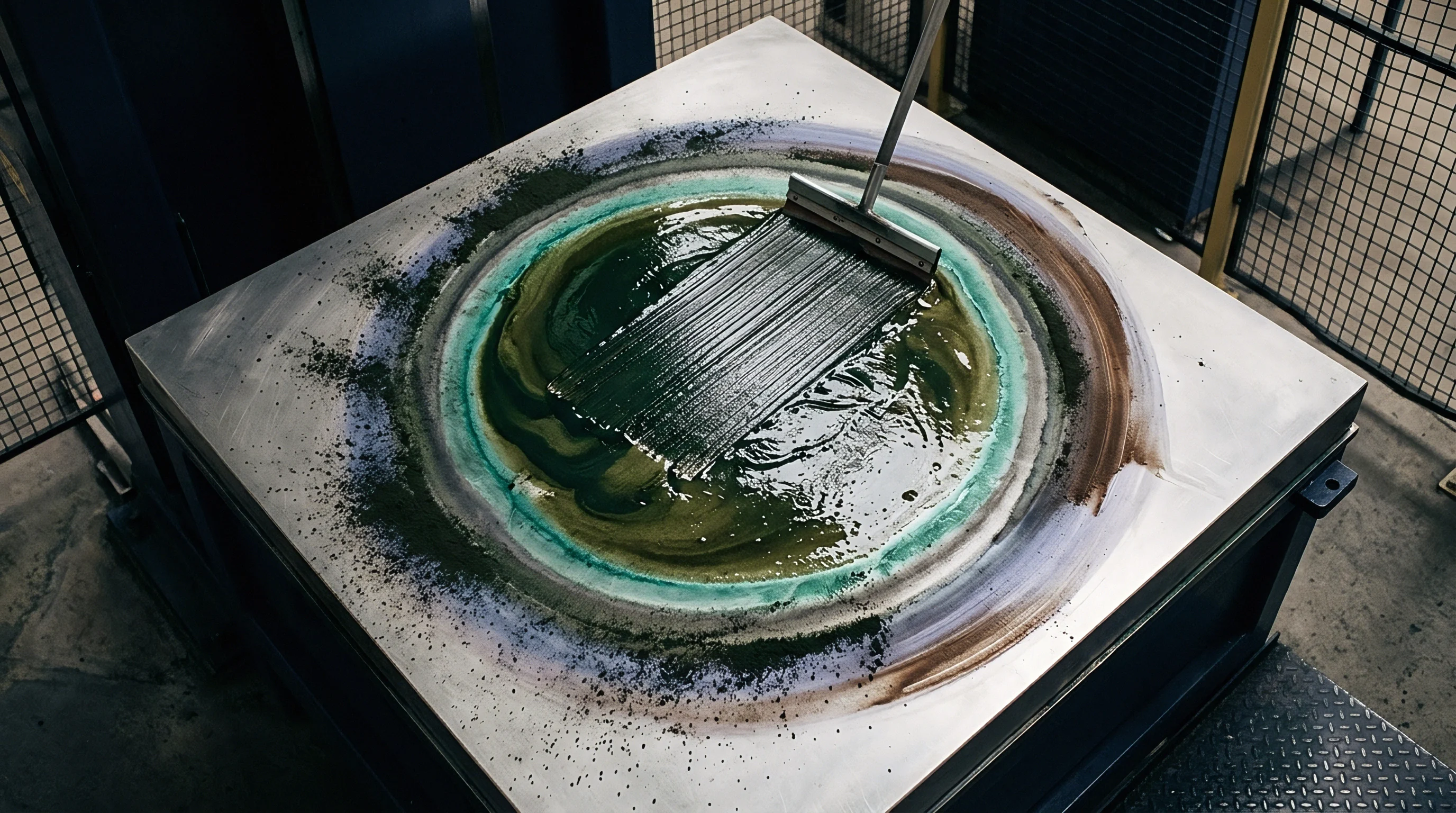
Physical management of laundered production batches demands strict segregation during drying, sorting, and packing. Garments exiting wet processing drums carry high moisture retention ratios, making them vulnerable to cross-contamination from adjacent equipment, transport carts, and storage bins. Proper quarantine keeps non-compliant garments from shipping.
Sampling practices must account for lot variance across subcontracted production runs. Standard AQL inspection schemes that draw swatches exclusively from top cartons miss localized chemical contamination. Swatches taken from the middle of a packed carton yield far more reliable chemical profiles than those exposed to ambient warehouse air.
Inspectors should cut physical swatches across multiple points ~ front panel, seam tape, waistband, and internal pocketing ~ and wrap them immediately in foil.

Batch Isolation and Physical Sampling Protocols
Sampling personnel wrap collected textile swatches tightly in clean aluminum foil before placing them inside airtight polytetrafluoroethylene bags. Standard plastic packaging bags release phthalate plasticizers and slip agents onto sample swatches, causing false positives during lab phthalate screening under EN ISO 14389. Swatch logs must record batch numbers, roll identifiers, wet processing drum numbers, and specific sampling locations across the lot.
Tumble dryers represent a hidden cross-contamination point in wet processing facilities. Equipment previously used for garments treated with fluorochemical water repellents or silicone softeners retains chemical residues on drum walls and lint filters. When untreated garments run through the same dryer, they absorb volatile cyclic siloxanes and perfluorinated compounds from the hot metal surfaces.
Laundries must enforce dedicated machine allocations and mandatory drum cleaning between certified organic runs and conventional orders.
Cross-contamination across adjacent wash drums occurs primarily through shared recirculated bath water and uncleaned extractor centrifuges.
Warehouse staging areas require strict physical separation between unwashed greige inventory, in-process garments, and completed goods. Staging finished garments directly on concrete floors allows moisture absorption and the migration of floor sealing chemicals, including polycyclic aromatic hydrocarbons and organotin catalysts. Facilities should position finished goods on elevated plastic pallets wrapped in low-density polyethylene liner film.
- Production batch segregation isolates individual wash drum runs using locked mesh cage carts, preventing accidental mixing of compliant and unverified garment lots.
- Randomized swatch sampling extracts test specimens from five distinct carton depths according to ISO 2859-1 inspection levels, ensuring representative lot coverage.
- Tumble dryer sanitation runs mandate fifteen-minute empty high-temperature thermal cycles combined with solvent wipes to clean drum interiors between customer lots.
- Moisture barrier container packing utilizes thick polyethylene carton liners and activated clay desiccant packs, excluding hazardous chemical preservatives like dimethyl fumarate.
Carton packing controls prevent volatile contaminants from accumulating inside transport packaging. Enclosed cartons act as incubation chambers during thirty-day ocean transit. Residual free formaldehyde or volatile organotins vaporize off garment fibers, contaminating surrounding trims, labels, and adjacent garments inside the sealed box.
Desiccant packs placed in export cartons must be verified free of cobalt chloride, dimethyl fumarate, and phenol derivatives under ISO 21138 specifications.
Drawing swatches from deep within packed cartons remains essential to capture authentic chemical profiles unaffected by ambient warehouse exposure.


Recovery
Commercial contracts between apparel buyers and primary manufacturing vendors explicitly allocate liability for non-compliant chemical residues. Vendor purchase agreements incorporate chemical compliance covenants that extend across all tier-two fabric suppliers and tier-three subcontracted facilities. Ultimately, primary vendors carry full liability to the buyer.
Purchase order terms enforce mandatory holdback percentages tied to chemical verification. Apparel buyers retain fifteen to twenty-five percent of total purchase order value until independent lab test reports confirm restricted substance compliance for every production lot. If testing turns up undocumented chemical auxiliaries, the buyer asserts immediate rights to offset testing fees, quarantine storage charges, and customer return costs against those held-back funds.

Commercial Remedies and Purchase Order Indemnity Clauses
Chargebacks recover testing and detention costs. When customs authorities detain a shipment for alkylphenol ethoxylate non-compliance, the primary vendor absorbs all financial liabilities associated with port demurrage, customs broker fees, administrative handling, and third-party laboratory re-wash verification. Commercial contracts define precise daily deductions applied for customs delays caused by vendor chemical defaults.
Buyers rejected thirty-two thousand garment units after gas chromatography revealed elevated phthalate concentrations. The rejection triggered contract indemnity clauses, requiring the primary vendor to replace the entire order at their sole expense while reimbursing the buyer for missed retail shelf sales penalties. Vendor liability extends to complete product destruction expenses when regulatory authorities prohibit re-export or chemical stripping of contaminated apparel.
| Non-Compliance Finding | Root Cause Location | Financial Chargeback Mechanism | Contractual Dispute Protocol |
|---|---|---|---|
| NPEO > 100 mg/kg | Subcontracted Laundry Softener Bath | Full PO Set-Off + Demurrage Fees | Third-Party Lab Retest / Destruction |
| Free Formaldehyde > 16 mg/kg | Unrinsed Resin Finishing Unit | Re-wash Cost Deduction + 15% Penalty | Mandatory On-Site Batch Re-Rinsing |
| Pentachlorophenol Detection | Starch Anti-Backstaining Agent | 100% Goods Value Chargeback | Immediate Vendor Suspension |
| Cyclic Siloxanes > 1000 mg/kg | Low-Grade Silicone Emulsion Dosing | 10% Invoice Holdback Deducted | Facility Audit / Chemical Swap Mandate |
Legal remedies depend on comprehensive audit trails established immediately upon non-compliance detection. The buyer’s compliance desk secures sealed duplicate swatches cut during initial port sampling, maintaining an unbroken chain of custody for arbitration proceedings. Retest protocols require mutual agreement on ISO 17025 accredited lab selection, explicit extraction parameters, and binding single-test resolution rules.
- Subcontractor audit access mandates require primary vendors to grant buyer compliance personnel unrestricted, unannounced access to all off-site wet processing facilities.
- Chemical indemnity holdback terms authorize buyers to deduct up to one hundred percent of order value upon confirmation of intentionally concealed chemical subcontracting.
- Mandatory lot quarantine triggers freeze factory shipment authorization automatically whenever pre-shipment chemical screening returns suspect surfactant levels.
- Third-party arbitration jurisdiction establishes binding chemical dispute resolution under International Chamber of Commerce rules using accredited independent testing laboratories.
Custom audit logs prove origin. When defending against regulatory fines or recall orders issued under EU Safety Gate mechanisms, the buyer presents full supply chain chemical dossiers. These dossiers link Transaction Certificates, raw material SDS sheets, wet processing chemical logs, and lot-specific final test reports to demonstrate that the brand exercised due diligence across all production tiers.
Inserting Section 14.2 of the International Textile Sourcing Master Agreement shifts all laboratory re-testing expenses and customs detention charges directly onto the primary vendor upon confirmation of an unlisted chemical auxiliary.