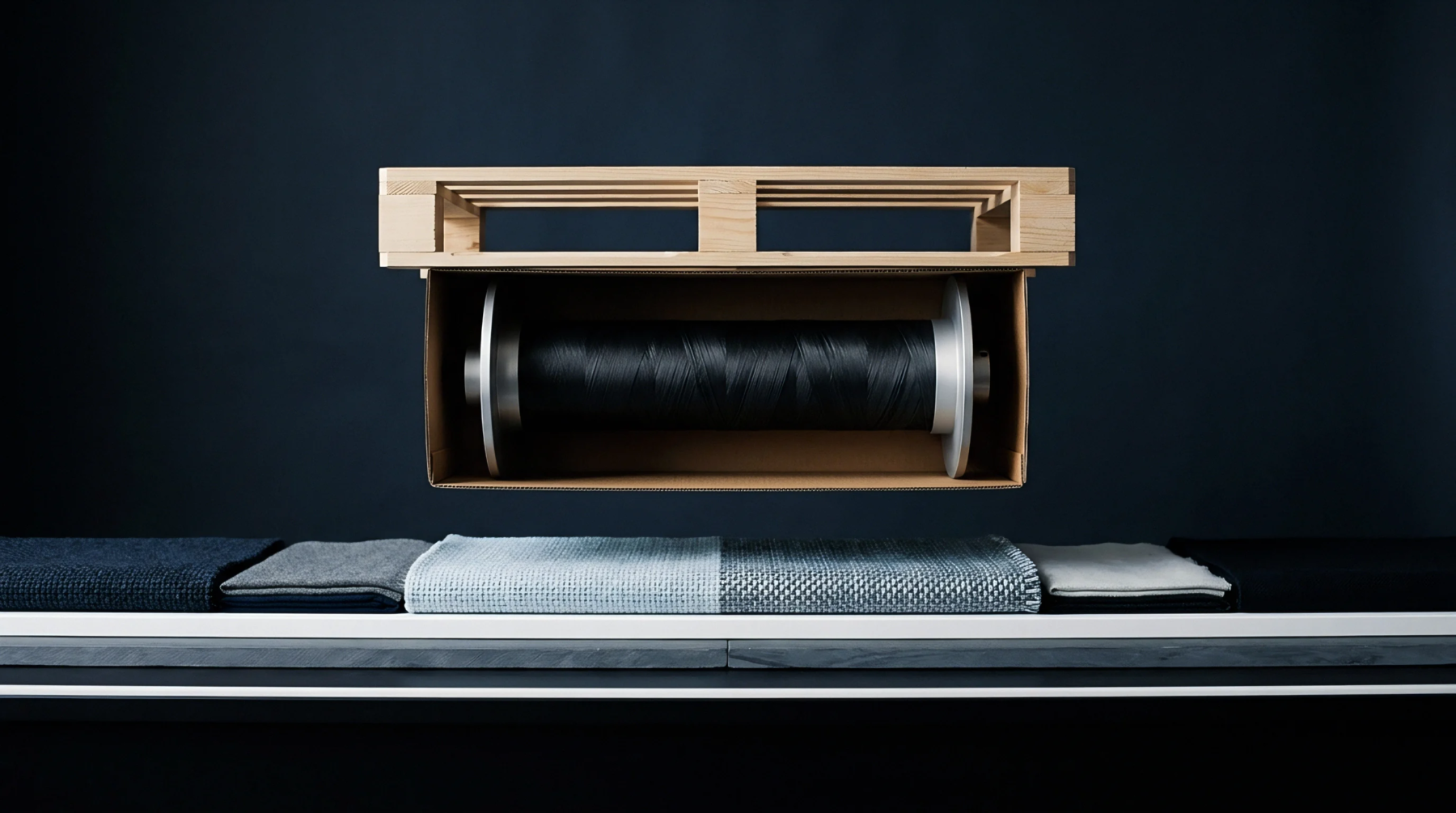
Surface Lubricant
Chemical finishing agents applied to textile substrates provide a smooth hand feel and improved drape by reducing the friction between individual yarns and fibers. These compounds, specifically cationic silicone softeners, are widely utilized in the final stages of garment processing to impart a soft, silky texture to cotton and synthetic blends. The positively charged nitrogen groups on the silicone molecule create a strong attraction to the negatively charged surface of natural fibers.
This ionic bond ensures that the lubricant remains attached to the fabric even after several domestic wash cycles. Most applications occur in the exhaust bath during the laundry stage or via a padding mangle before the fabric enters the drying oven. The treatment concludes when the silicone film has crosslinked on the fiber surface, providing a durable finish that resists abrasion.
The resulting surface modification improves the sewability of the material by allowing the sewing needle to pass between the yarns without cutting the individual filaments. This reduction in needle friction prevents the formation of holes along the seams, which is essential for maintaining the structural integrity of the finished garment during high speed industrial sewing operations.
Ionic Adhesion
Molecular attraction between the softener and the textile substrate governs the durability of the finish. While anionic or non-ionic softeners might wash away easily, cationic silicone softeners anchor themselves to the fiber through electrostatic forces. The orientation of the silicone polymer chains on the fiber surface allows the hydrophobic methyl groups to point outward, which creates the characteristic slickness.
This orientation also provides a degree of water repellency, although this is often a secondary effect rather than the primary goal. Because the bond is so strong, excessive application can lead to a greasy or waxy feel that is difficult to remove.
Manufacturing Application
Process control in the dye house requires careful monitoring of the pH and temperature to ensure even distribution of the silicone. If the bath is too alkaline, the emulsion of cationic silicone softeners can break, leading to oil spots on the fabric that appear as dark, indelible stains. Technical operators typically maintain a slightly acidic environment to keep the silicone particles suspended until they migrate to the textile.
The speed of the padding mangle and the pressure of the rollers determine how much chemical is picked up by the goods. Quality controllers test the finished lot for sewability and tear strength. A successful application results in a fabric that meets the buyer specifications for both tactile aesthetics and mechanical integrity.
Fabric Limitation
Yellowing and reduced absorbency represent the main constraints of this chemical class. Highly concentrated cationic silicone softeners tend to turn yellow when exposed to high temperatures in the drying stenter or the curing oven. This discoloration is particularly problematic for white or pastel fabrics.
Another boundary is the impact on moisture management, as the silicone film can block the capillary action of the fibers. Accurate testing of the fabric’s wicking rate confirms if the softener has interfered with its end use.