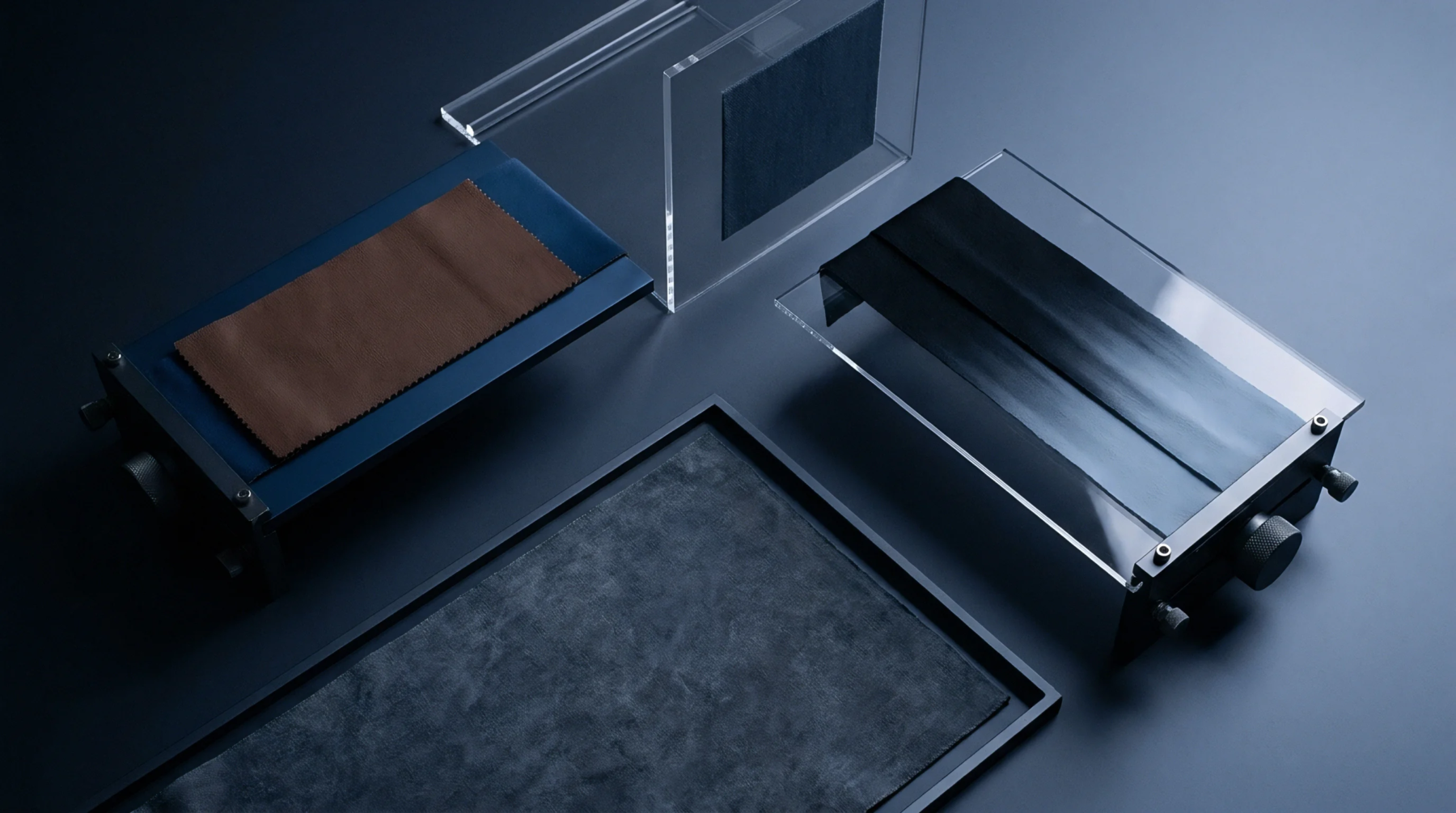
Chemical Catalyst
Organometallic compounds are catalysts in the production of polyurethane coatings and finishing agents for technical textiles. Dibutyltin dilaurate accelerates the reaction between isocyanates and polyols to form a durable film on the fabric surface. This substance is particularly effective in low-temperature curing processes used for heat-sensitive synthetic materials.
Restricted Substance
Regulations in many jurisdictions limit the concentration of organotin compounds due to their toxicity and persistence in the environment. While dibutyltin dilaurate provides excellent performance in water-repellent finishes, it is subject to strict testing under the REACH framework and other global safety standards. Brands often require manufacturers to transition to tin-free alternatives to meet environmental certifications and consumer safety demands.
This transition involves recalibrating the curing ovens to ensure that the new catalysts achieve the same level of adhesion and durability.
Application Method
Dip-coating or spraying delivery systems apply the chemical as part of a formulated emulsion. A small amount of dibutyltin dilaurate measurably reduces the time required for the coating to reach its full hardness and chemical resistance. This efficiency allows for faster line speeds in the finishing mill.
Detection Protocol
Chemical analysis using gas chromatography identifies the presence of the compound in finished goods at the parts per million level. If dibutyltin dilaurate exceeds the permitted limit, the entire production lot may be rejected to prevent human exposure through skin contact. Laboratories perform these tests on representative samples taken from every production run to ensure continuous compliance with the restricted substance list.