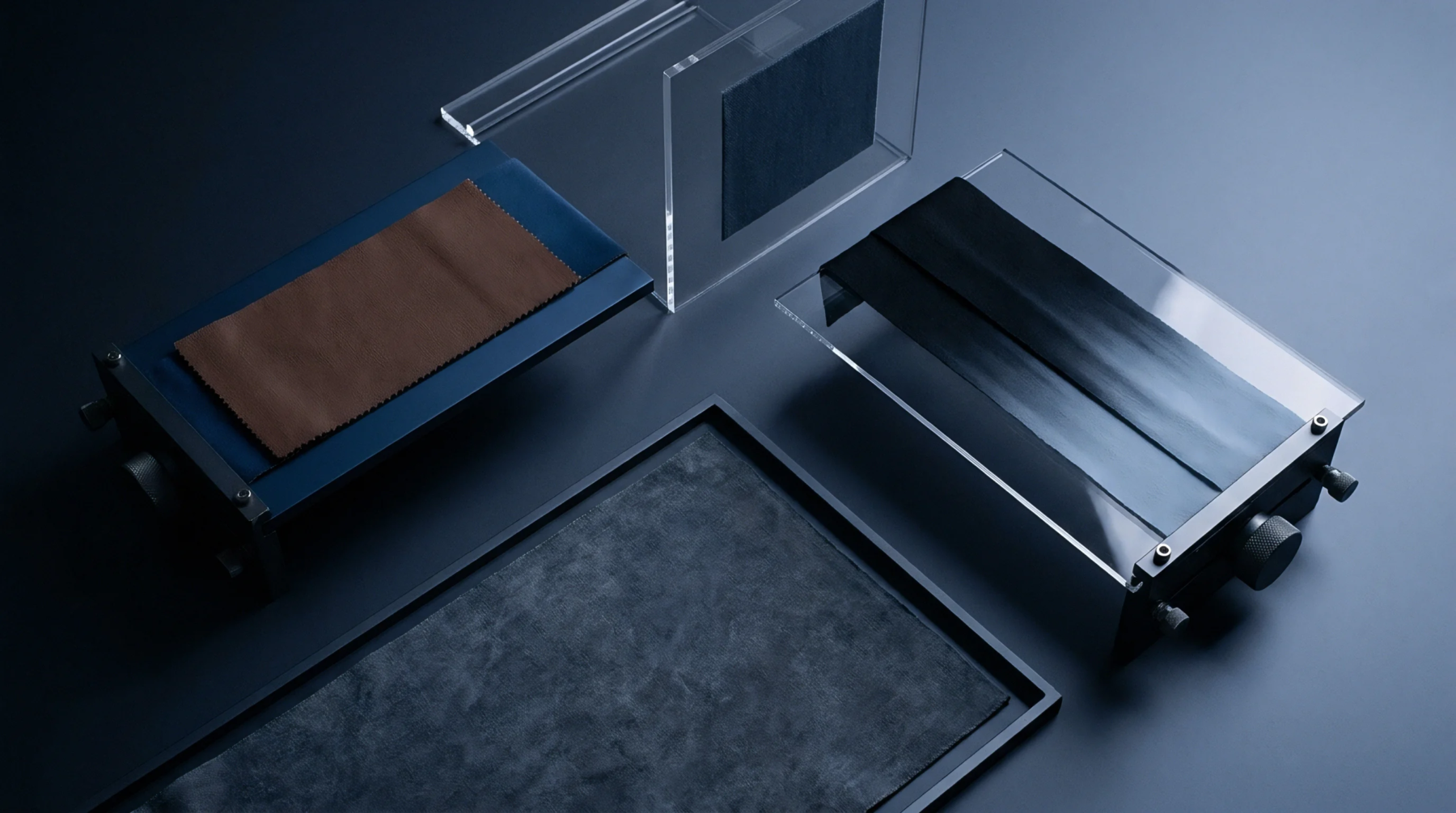
Chemical Breakdown
Quantitative thermal degradation analysis determines the concentration of fluorine atoms within textile raw materials and synthetic polymer coatings. Total fluorine combustion ion chromatography processes these specimens by oxidizing the sample in a closed vessel at high temperatures to release fluorine as hydrogen fluoride or fluoride ions.
Analytical Procedure
Gas streams generated through oxygen bomb combustion pass into an absorption solution to capture the released ions before the liquid enters the chromatography column. Ion exchange resins separate these ions based on their affinity for the stationary phase. A conductivity detector measures the resulting concentrations to report the mass fraction of fluorine.
High resolution allows for the identification of trace inorganic and organic contaminants even when they exist at low parts per million levels.
Quality Verification
Textile laboratories apply this method to ensure compliance with chemical restricted substance lists for garments. Coatings used for water repellency or stain resistance often contain fluorinated compounds that require testing against industry safety standards. Testing confirms the absence of long chain perfluorinated substances that face regulatory bans.
Detection Limit
Accuracy depends on the total mass of the sample and the extraction efficiency of the absorbing liquid. Sample preparation requires care to prevent cross contamination or the loss of volatile compounds before the combustion phase begins. Precision levels remain high enough to distinguish between trace environmental exposure and intentional chemical treatments applied during the finishing stage of fabric production.