Analytical Grounding
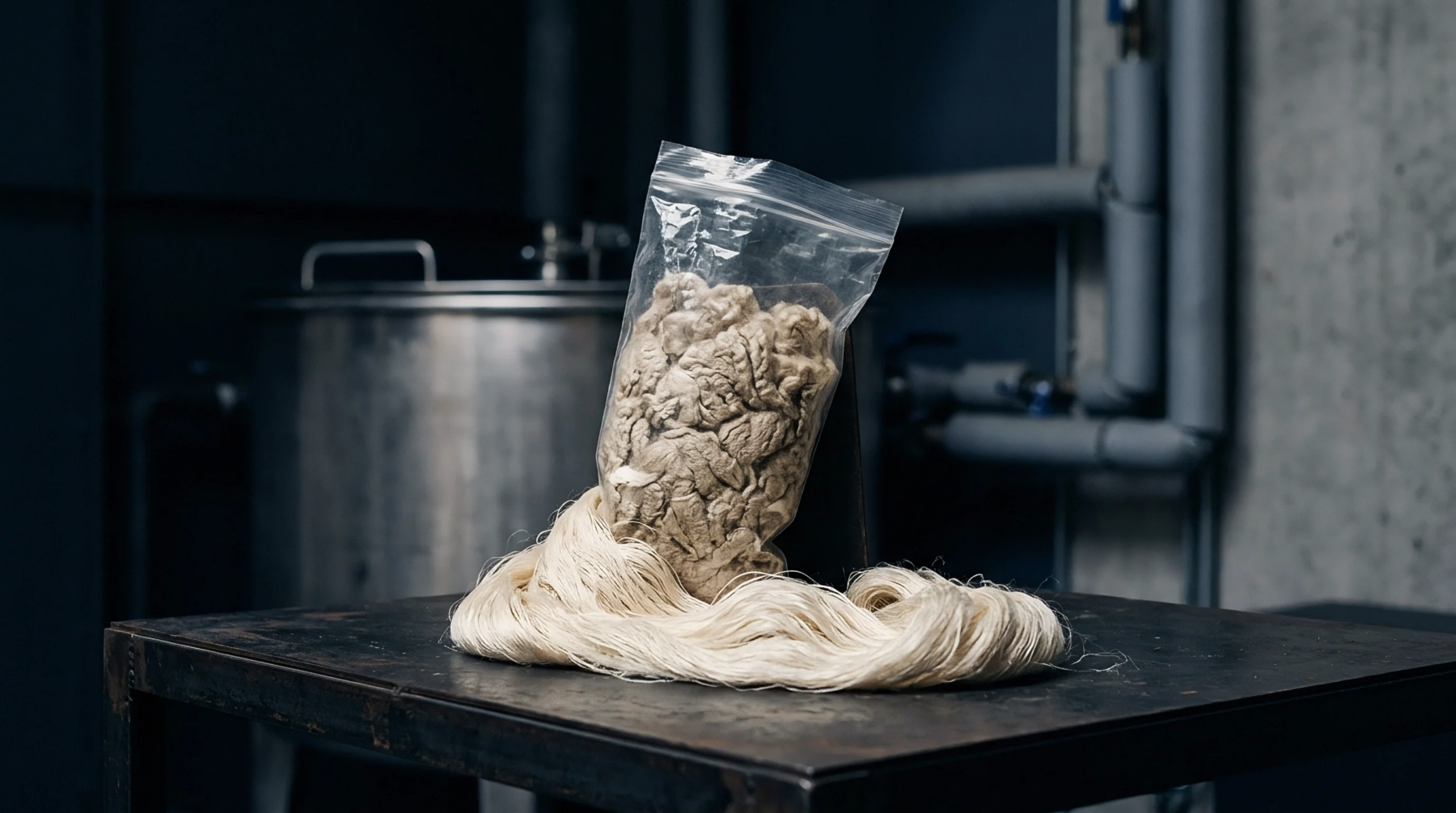
A global protocol framework governing the measurement and commercial specification of raw animal fibers belongs to the primary tier of textile trade governance. IWTO standards define the standardized testing methodologies applied to greasy, scoured, and top wool grades before commercial transfer between producers and mills. These procedures establish objective physical parameters for mean fiber diameter, staple length, vegetable matter content, and moisture regain.
Operating through accredited laboratories worldwide, the protocol removes subjective appraisal from commercial valuation and creates contractually binding baselines for international dispute resolution. Certified laboratories execute core sampling and airflow meter assessments under strictly controlled atmospheric conditions to generate test certificates accompanying every commercial lot. Mill buyers rely on these verified metrics to predict processing performance during carding and combing stages, matching raw material characteristics to specific yarn counts and fabric densities.
The boundary of application ends once the raw top enters spinning preparation, leaving subsequent yarn and fabric metrics to internal mill quality systems.
Commercial Enforcement
Contractual execution relies entirely on these numerical guarantees issued prior to shipment departure. Mills reject consignments exceeding specified micron tolerances or breaking load thresholds, transferring financial liability back to the exporter through formal arbitration channels. Price discounts attach directly to out-of-specification test certificates, penalizing excessive moisture or high vegetable matter contamination proportionally.
Exporters maintain strict internal pre-shipment sampling regimes to match independent laboratory outputs, avoiding costly port-of-arrival disputes. Commercial risk diminishes when buyers and sellers reference identical testing methodologies for greasy wool lots traded across hemispheres.
Processing Yields
Fiber geometry dictates subsequent mechanical behavior inside the early stage processing floor. Mean fiber diameter variations directly influence top conversion efficiency, determining the ratio of usable fiber to noil extracted during combing operations. Staple length distribution predicts yarn strength consistency and drawing sliver regularity during downstream spinning.
Scoured yield calculations derived from core testing establish the clean weight basis for final invoicing, protecting both parties from commercial loss due to residual grease and dirt. Mills adjust carding speeds and setting distances based on these certified structural parameters, optimizing output without damaging fragile animal protein fibers.
Technical Limits
Laboratory reproducibility depends on strict adherence to calibrated airflow instruments and conditioning chamber parameters. Inter-laboratory trials reveal minor testing variance when ambient humidity deviates from standard atmospheric targets during testing sequences. Heavy contamination by mineral oil or non-vegetable foreign matter distorts airflow permeability readings, invalidating standard yield calculations for affected lots.
Technicians must manually separate anomalous contaminants before running automated measurements to prevent false grade assignments. Wool processing facilities utilize these verified physical thresholds to maintain consistent output quality across seasonal raw material shifts.