Loom State Greige Thread Density Verification Basics
Verifying off-loom thread density after four hours of tension-free conditioning prevents bulk specification disputes and costly finished cloth rejections.
Verifying off-loom thread density after four hours of tension-free conditioning prevents bulk specification disputes and costly finished cloth rejections.
Preconditioning dispute samples at 50°C and 15% RH eliminates sorption hysteresis, ensuring repeatable multi-mill mass and physical testing acceptance.
Moisture regain claims rely on oven dry mass calculations under ISO 6741, adjusting invoice weight to standard 8.5 percent regain and protecting fiber tenacity.
Fabric swatch dispute resolution requires unbroken physical custody logs, transaction certificates matched to roll tags, and ISO 17025 split-sample testing.
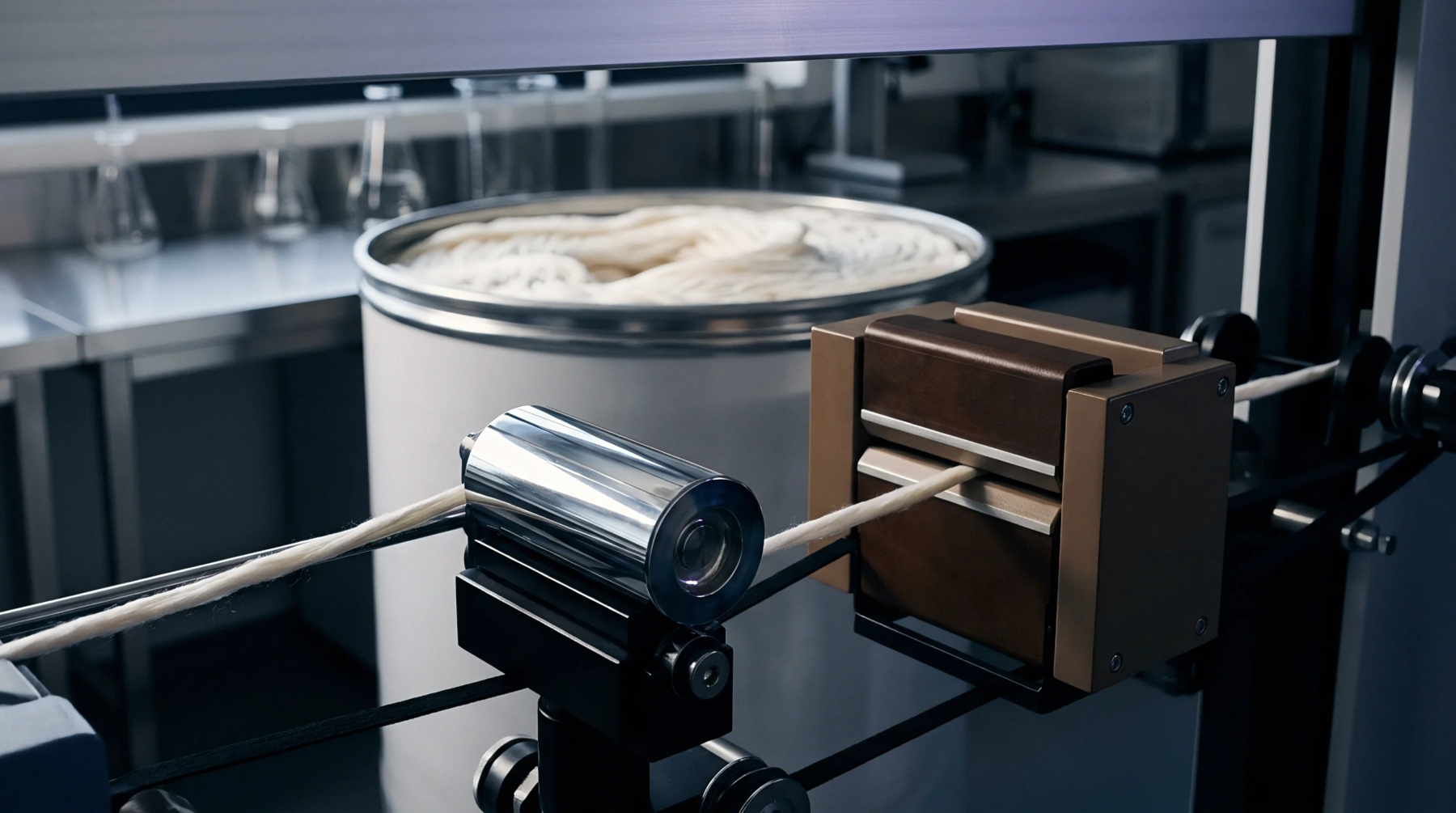
Adjust clean oven-dry mass using official commercial regain percentages to ensure accurate tariff classification and prevent commercial mass invoicing errors.
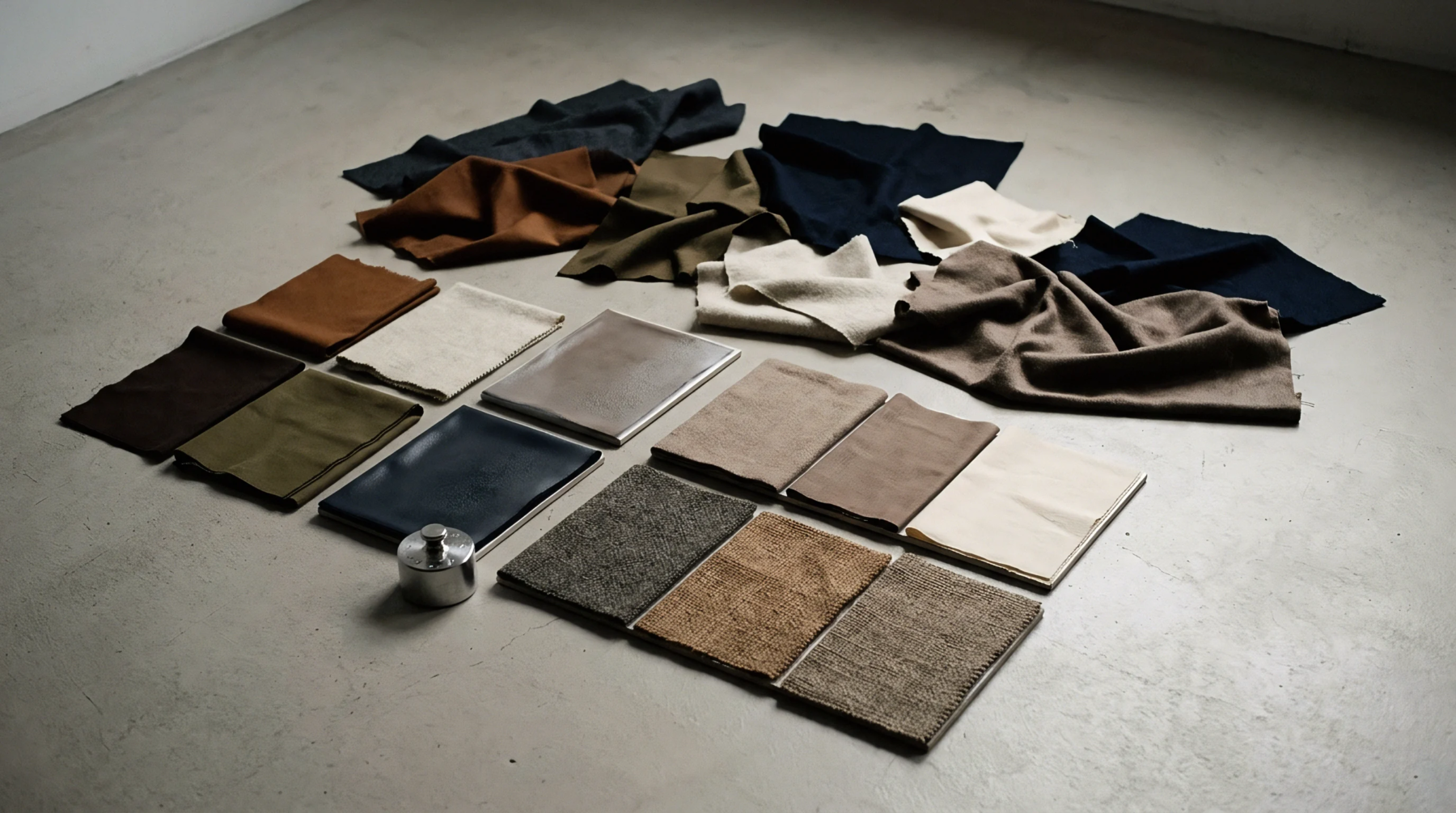
Reconciling woven fabric invoices requires deducting size solids and applying standard moisture regain to oven-dry mass before validating linear yield.
Commercial yarn weight verification relies on oven-dry mass determination modified by standard moisture regain percentages to determine billable weight.
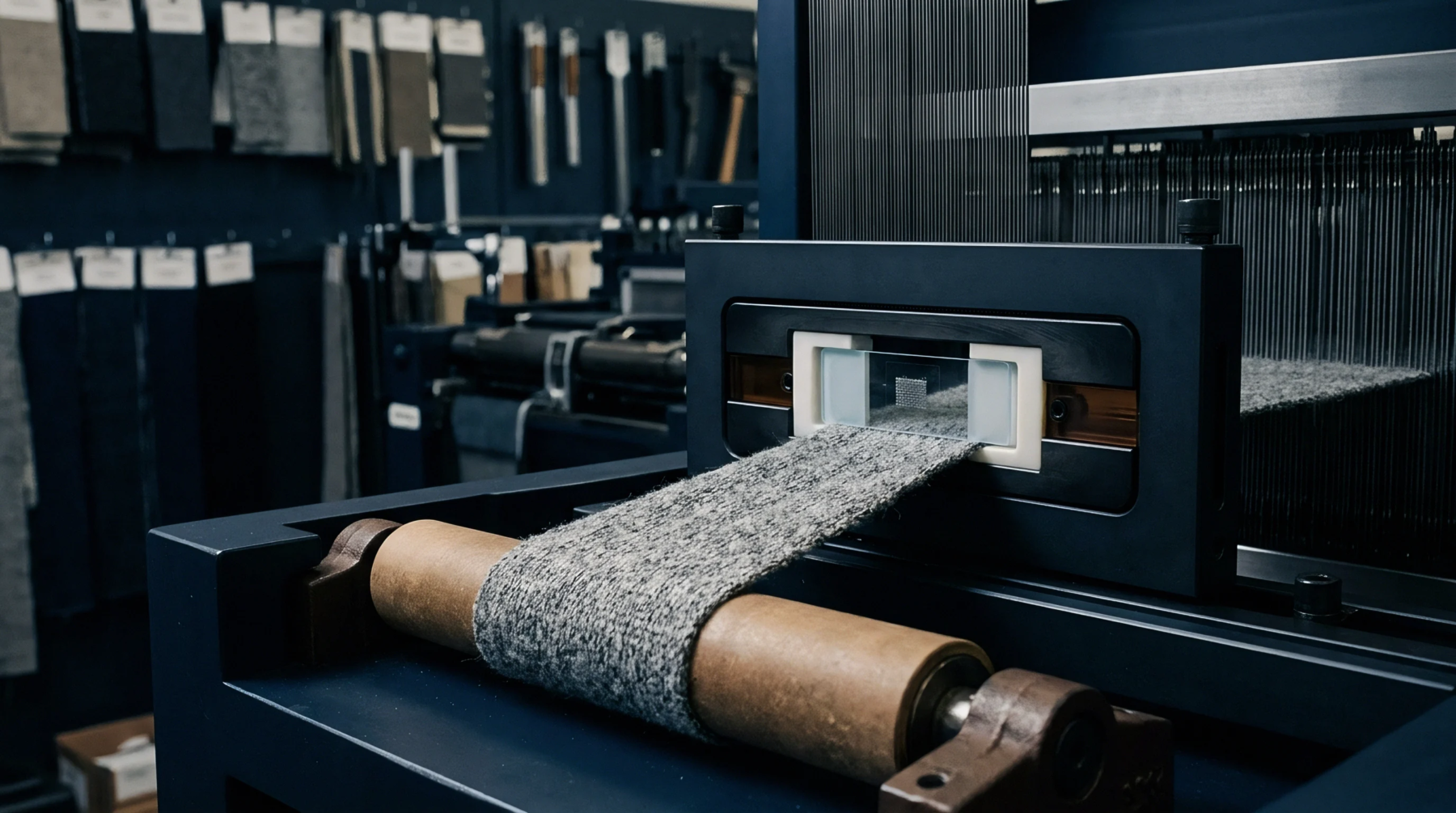
Standard atmospheric conditioning eliminates sorption hysteresis errors, securing accurate fabric weight, thread density, and commercial mass billing.

Transatlantic textile claims resolve by applying critical difference calculations to inter-laboratory test variances before declaring commercial non-conformity.
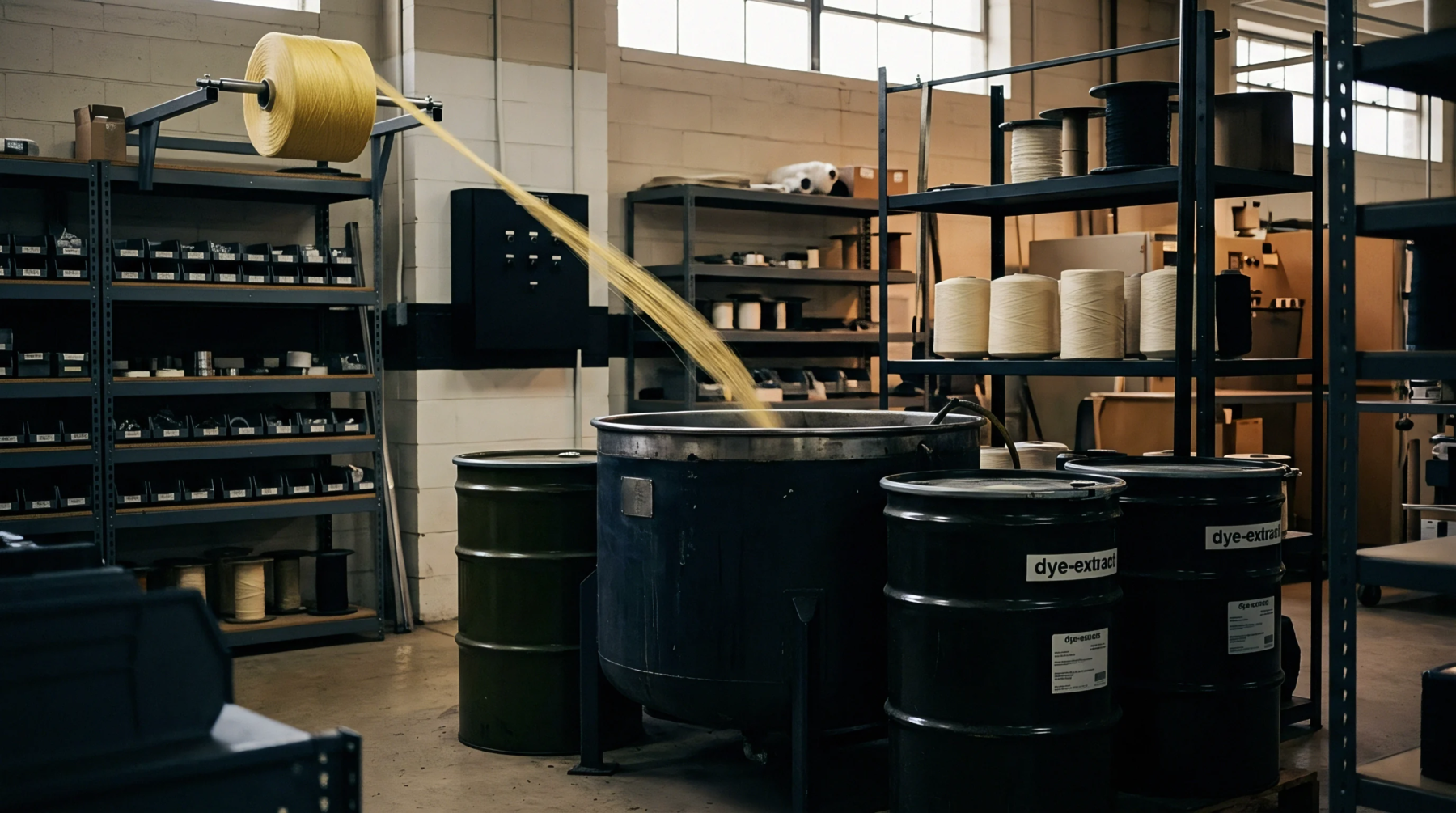
Uncontrolled greige storage triggers moisture migration, lipid autoxidation, and sizing retrogradation, which impair surface wettability and cause severe dye absorption variances.

Commercial billing for transit moisture discrepancies requires oven-dry core testing and contract commercial regain allowance formulas.
Reconcile woven fabric purchases by calculating linear yield from conditioned mass and usable cuttable width under ISO 3801 and ISO 139 parameters.
Commercial mass calculations adjust raw import dock weights to certified oven-dry mass plus standard moisture regain values for exact invoice settlement.
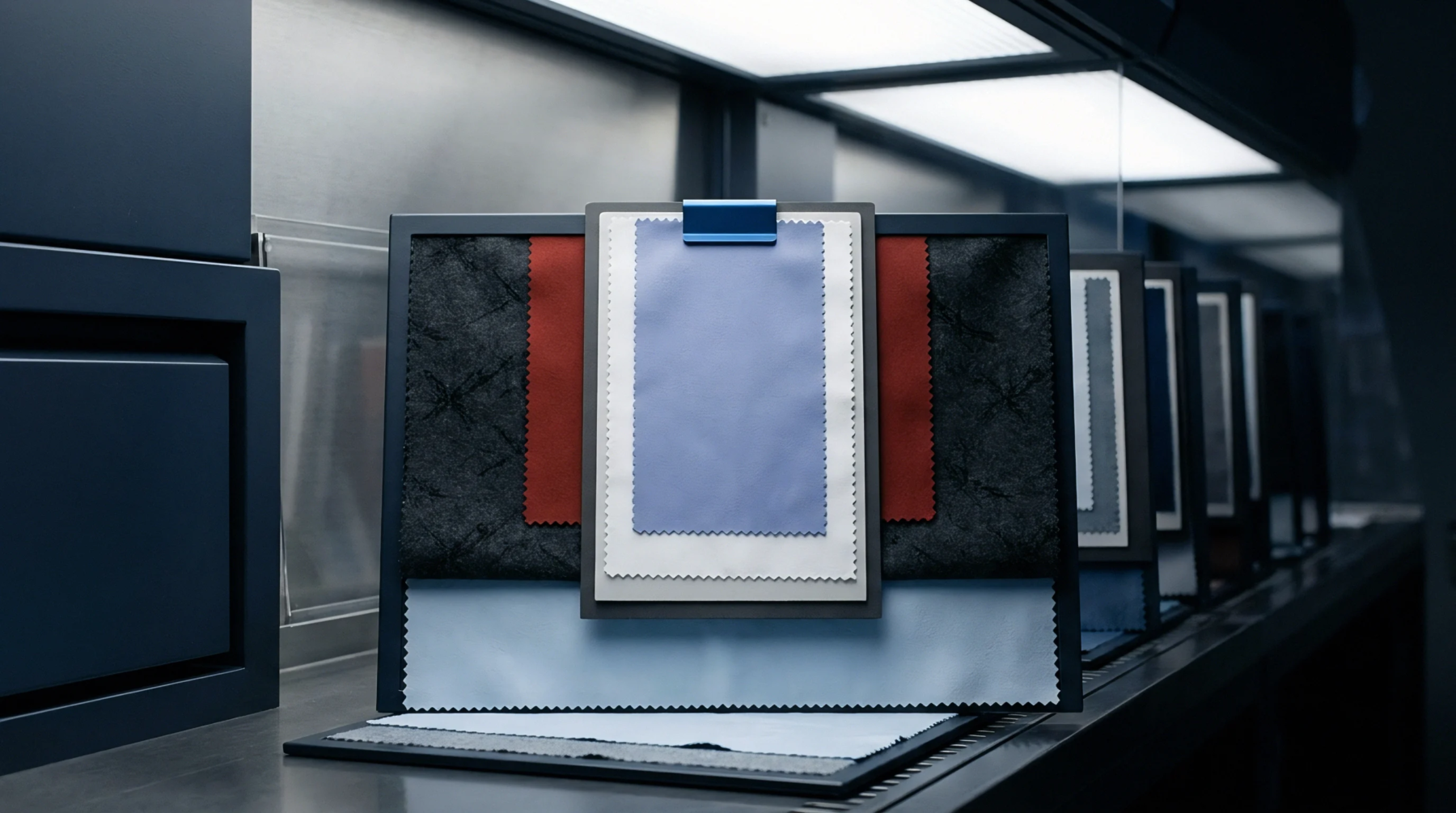
Standardizing instrument geometry, sample conditioning, and CIEDE2000 mathematical parameters establishes repeatable spectrophotometric shade clearance in bulk dyeing.
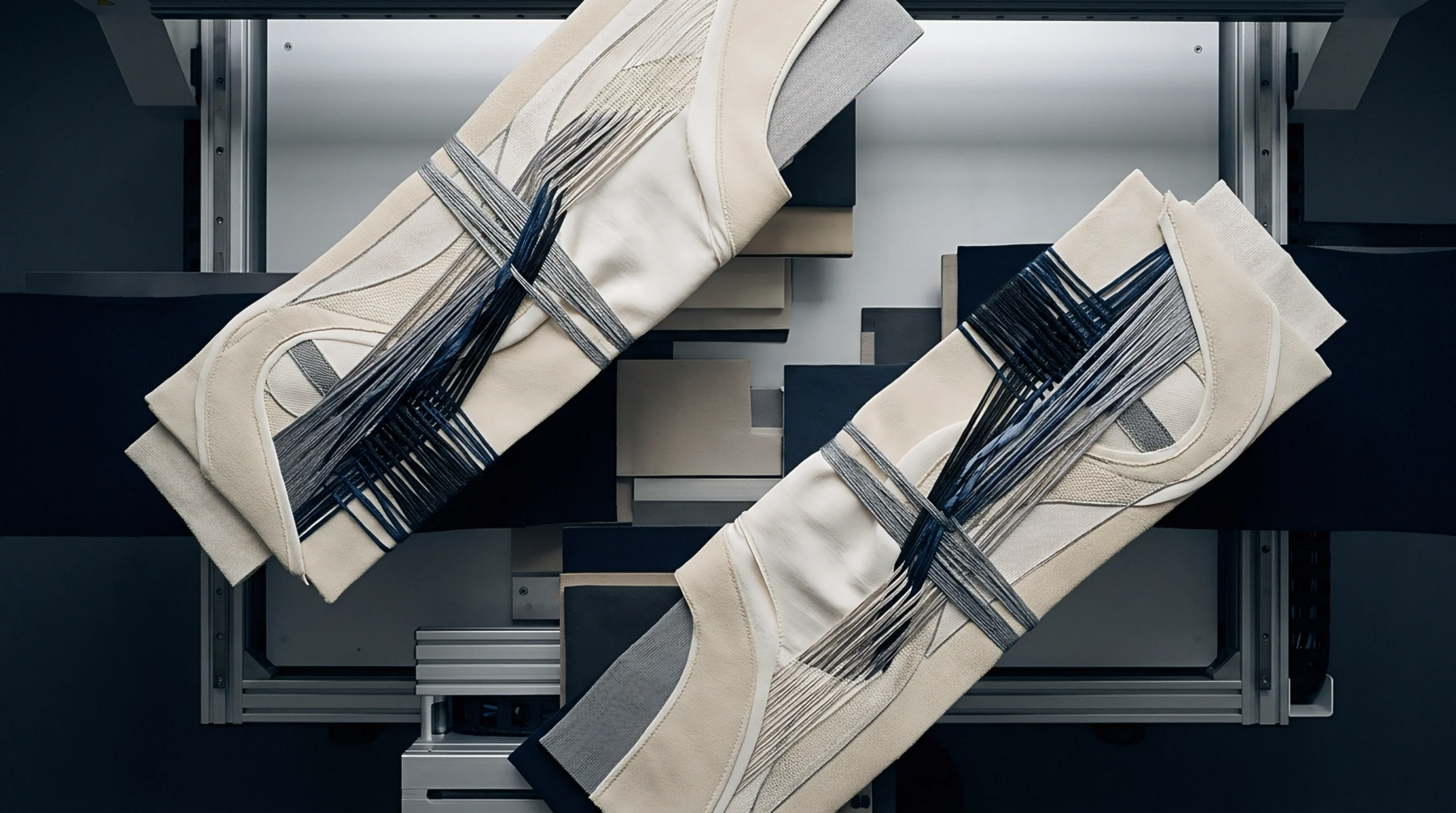
Resolving cashmere diameter discrepancies requires specifying IWTO test methods, conditioning samples under ISO 139, and contracting binding referee arbitration.

Wet finishing contraction alters fabric mass per square metre and relative fiber weight fractions, driving tariff classification drift and landed cost escalation.

Accurate direct linear density verification in ring spun yarn demands exact tension control, moisture regain correction, and calibrated specimen lengths.

Harmonize multi-market physical fabric testing by implementing worst-case envelope protocols and validating ISO 17025 laboratory accreditation scopes.
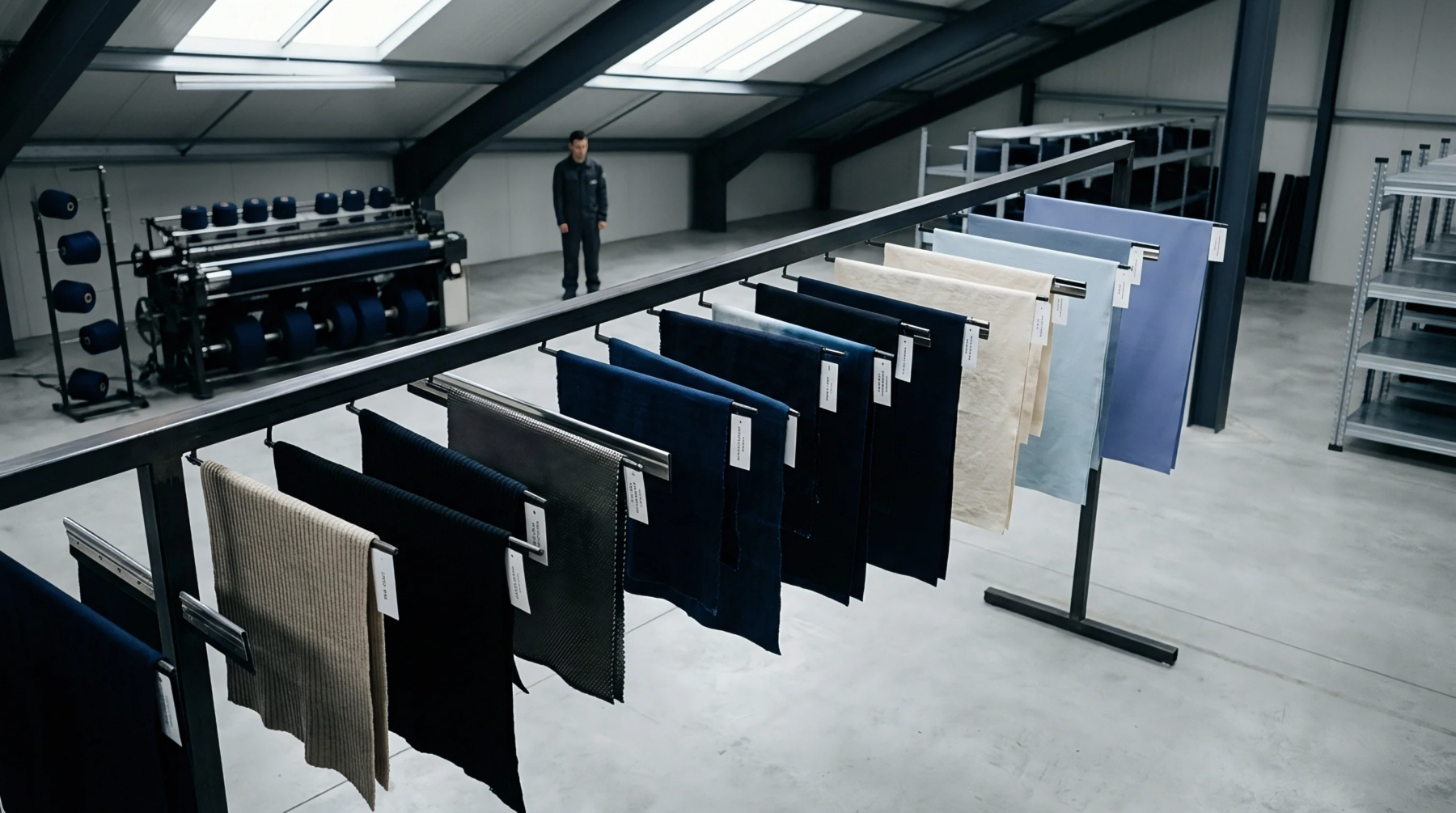
Fabric weight tolerance written as a mill range holds commercial validity only when tested under ISO 139 standard atmosphere using ISO 3801 methods.
Expertise is a utility, not a secret. sentiention™ publishes its working knowledge as open reference: intelligence layer covering the materials it sources, the markets it enters, and the reference that serves both.