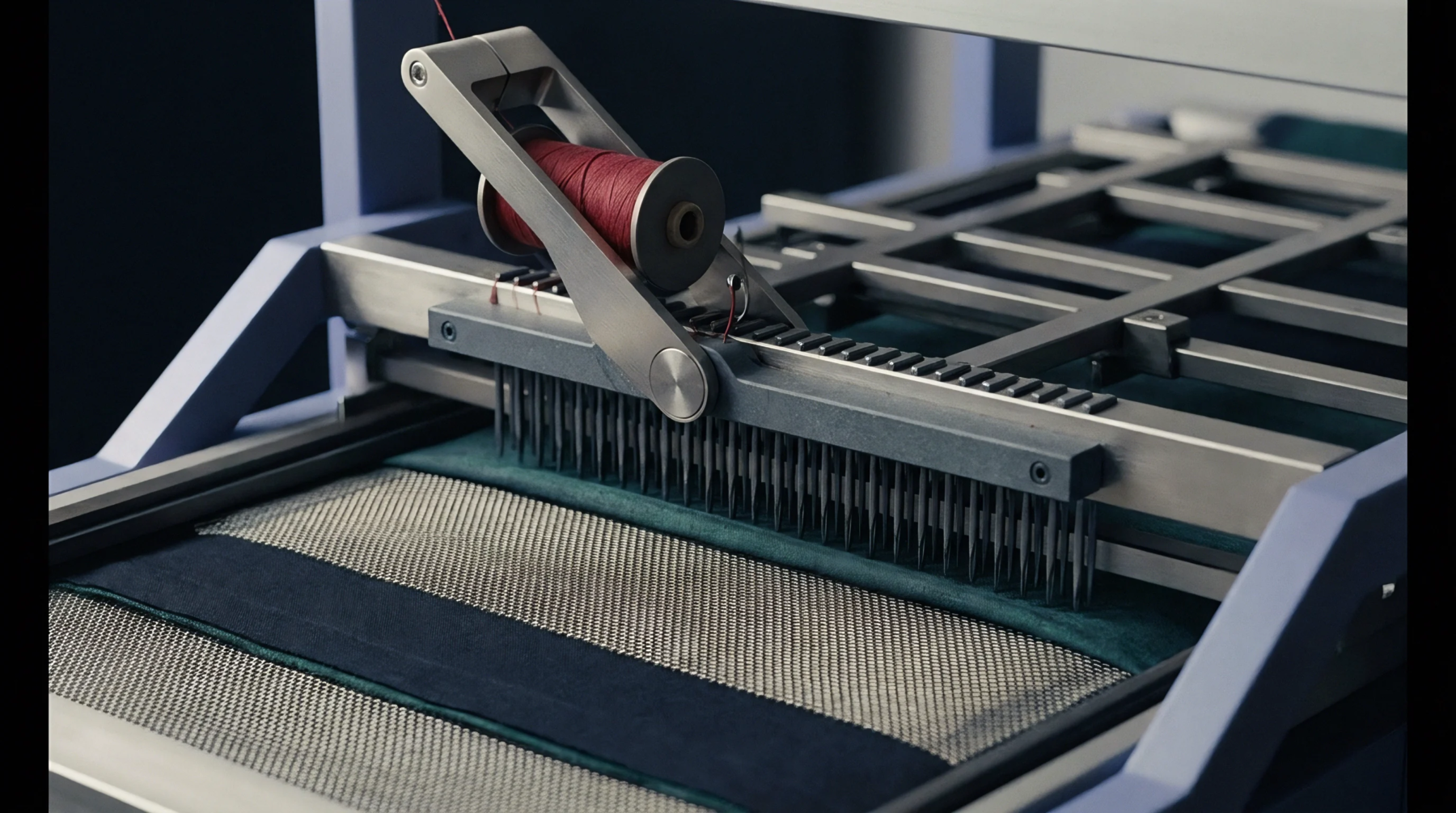
Equilibrium Method
Atmospheric stabilization acts as the standard procedure to balance the internal moisture content of textiles before laboratory assessment. This preconditioning aligns fibre hydration with specific humidity and temperature parameters set by international testing protocols. Material mass fluctuates based on ambient climate conditions because polymers like wool and cotton absorb or release water.
Measurement Accuracy
Environmental control stabilizes these weight variations to ensure reproducible results across different locations. Technicians place samples in a climate chamber set to a fixed temperature and relative humidity for a determined period. Weighting the sample occurs only after the material reaches a steady state where successive readings show no deviation.
Consistent data depends on removing the erratic influence of fluctuating moisture levels from the raw physical properties of the fibre.
Standard Compliance
Industrial standards mandate this duration to eliminate the historical bias of previous environments. A textile lot transported from a humid region requires a longer residence time in the chamber to reach stability compared to locally stored inventory. Drying ovens or specialized conditioning racks circulate air evenly around the test specimens to prevent uneven saturation.
Proper management of this transition period distinguishes verified quality metrics from estimations influenced by local weather.
Technical Boundary
Precise moisture adjustment terminates at the point where sample mass ceases to change over a measured interval. Physical dimensions and tensile strength values align with the calibrated environment once this equilibrium stabilizes. Fabric properties measured without such stabilization deviate from the baseline required for commercial acceptance.
Testing results derived from samples held under controlled exposure represent the actual performance capacity of the material.