Warp Count
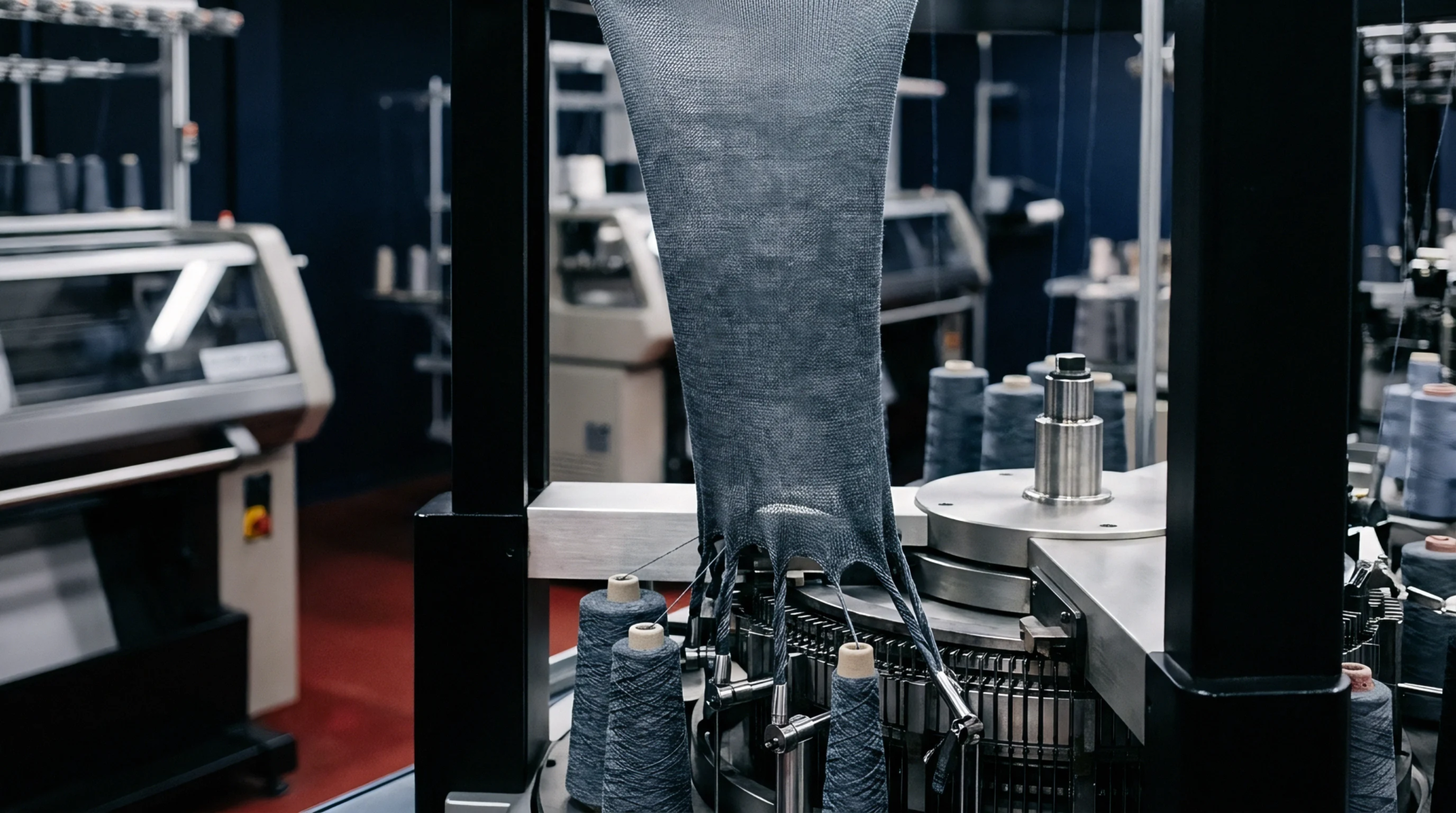
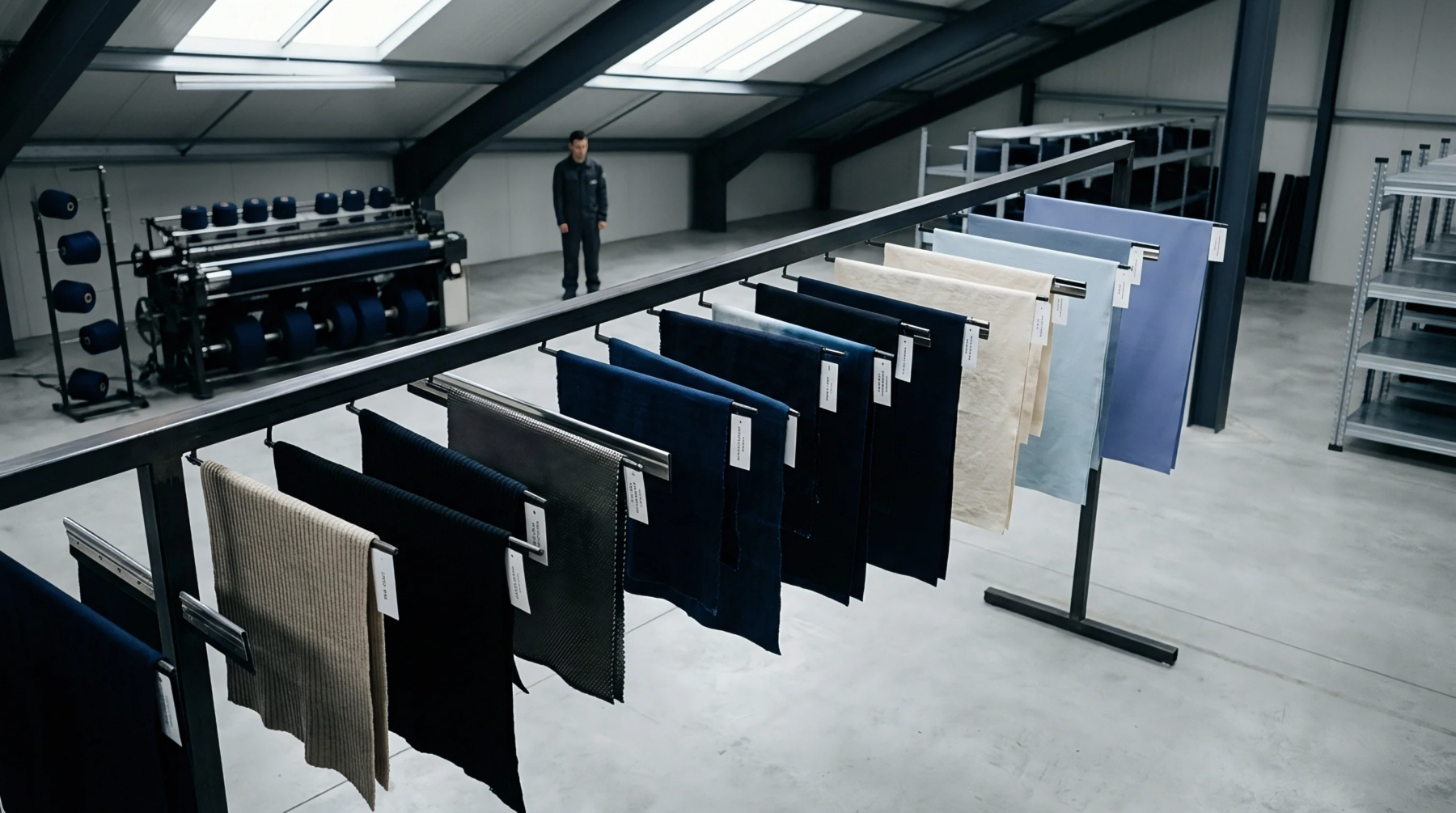
Horizontal loop frequency quantifies the structural tightness of woven textiles before chemical treatment alters the fabric geometry. Course density specifies the exact number of filling loops per centimetre along the longitudinal axis of a finished loom state cloth. Tension calibration during warp beam preparation dictates whether this numerical value meets specification limits agreed upon between the yarn supplier and the weaver.
Operators measure this metric using a magnifying glass equipped with a calibrated graticule at the inspection table immediately after the grey goods leave the loom. Production managers rely on course density to calculate shrinkage allowances during subsequent wet processing stages in the dyehouse.
Shrinkage Bounds
Dimensional stability depends entirely upon how many filling loops populate each centimetre of the grey fabric before thermal setting occurs. Excessive loop packing restricts transverse relaxation during scouring and bleaching operations, which leads to unwanted bow distortion across the entire roll width. When yarn moisture content fluctuates during insertion, the resulting loop frequency shifts away from target values established during initial styling development.
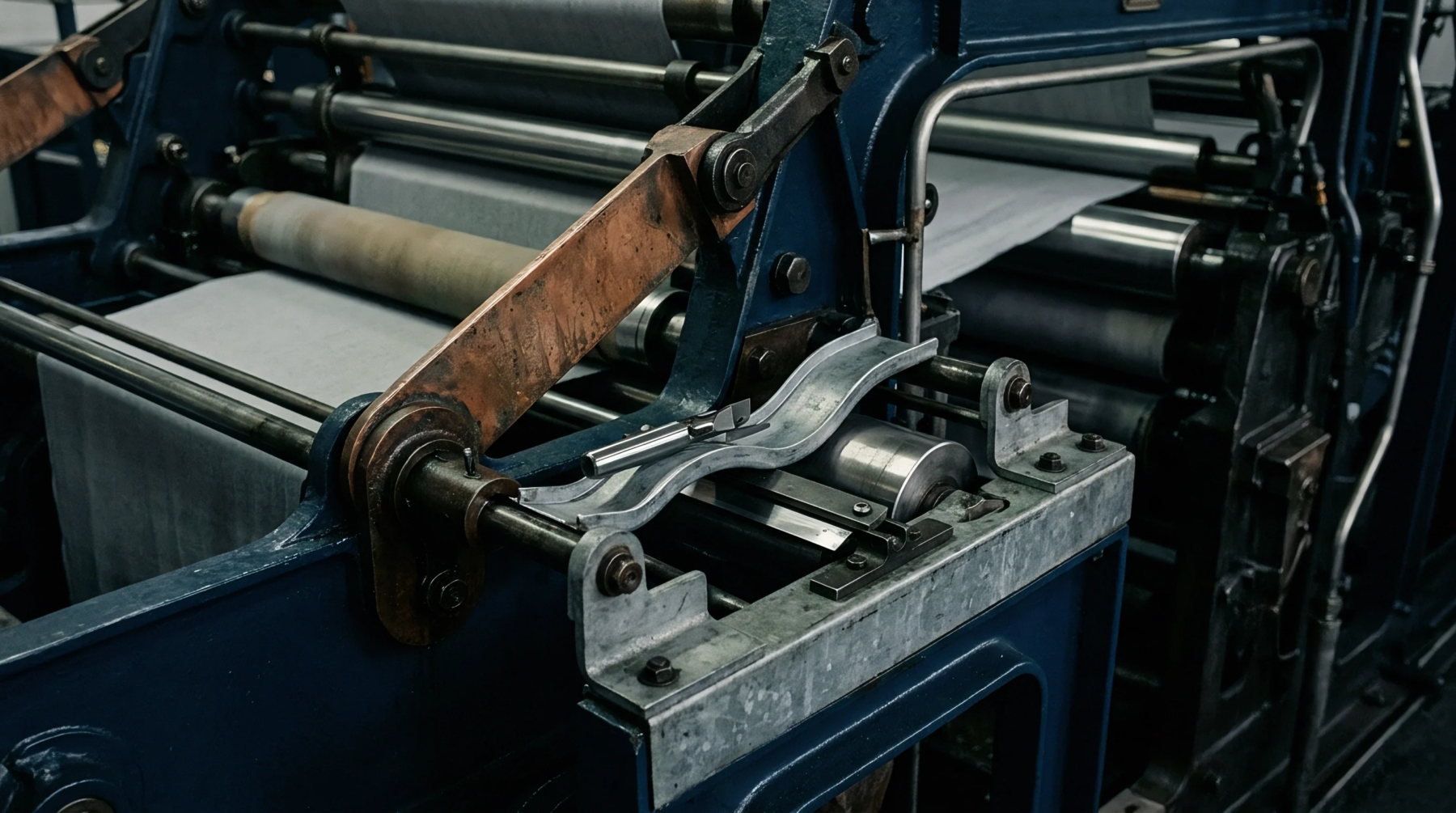
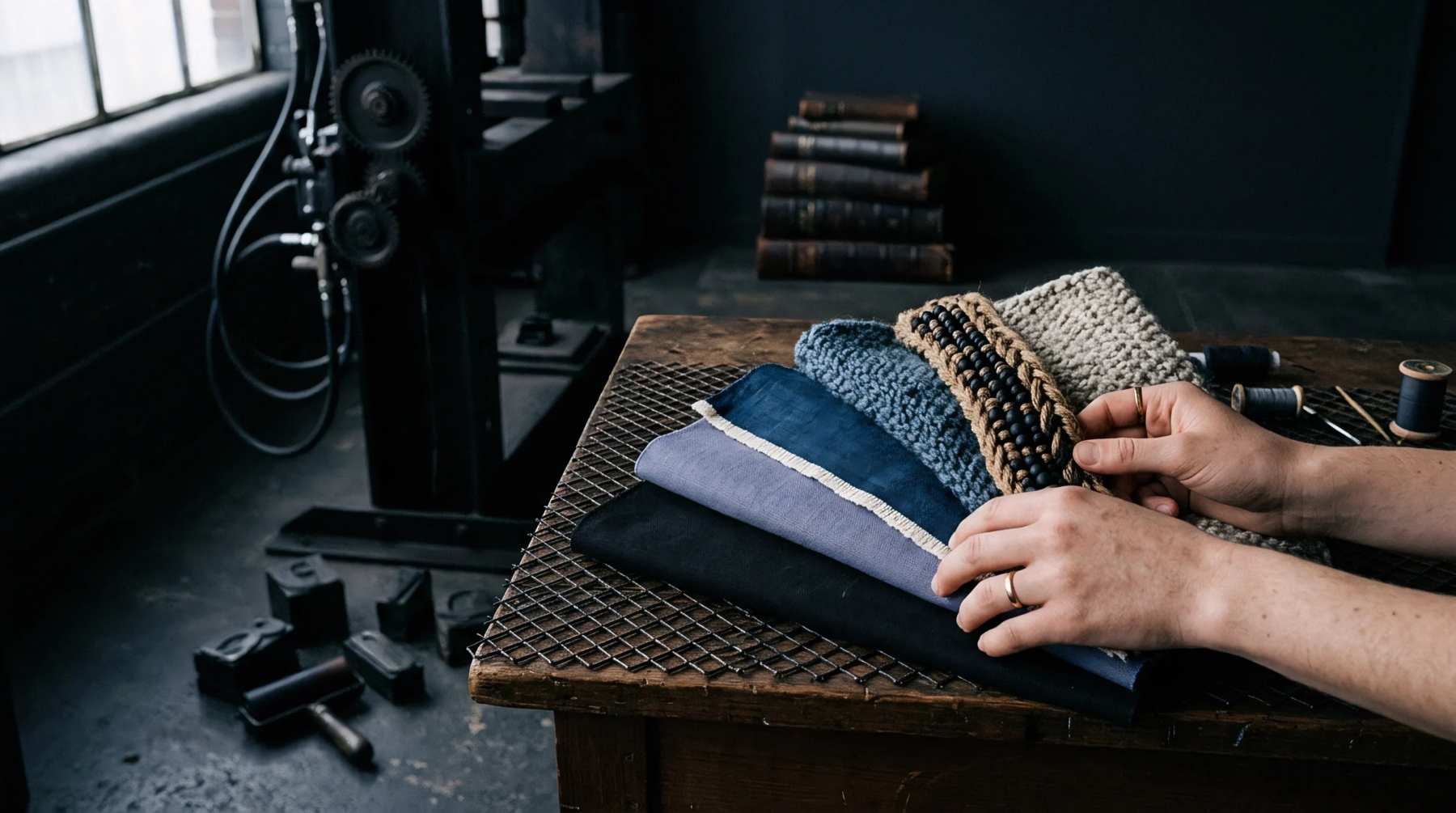
Mechanical compactors apply targeted longitudinal force to force the filling loops back into alignment before final resin application. Technicians verify compliance by cutting circular swatch samples from both selvages and the center track prior to shipment approval.
Load Resistance
Fabric strength characteristics correlate directly with the quantity of filling loops packed into a given linear measurement. Higher loop frequencies increase shear resistance along the warp direction because adjacent yarn segments press tightly against each other under external stress. Commercial garment manufacturers evaluate this structural attribute before cutting apparel panels to prevent seam slippage during high motion wear testing.
Tensile load tests performed on grab test apparatus confirm that tighter packing distributes applied weight across a greater number of individual filaments. Drop weight tear resistance similarly improves when the filling loops remain closely bound within the structural matrix.
Audit Protocol
Quality control auditors verify loop frequency during final roll examination using standardized sampling plans defined by international standards organisations. Mill inspection floors reject lots showing excessive variance in filling counts across the diagonal span of the fabric piece. Handheld counting glasses provide the primary verification tool for floor supervisors checking incoming grey goods against purchase order specifications.
Commercial laboratories resolve disputes between mills and buyers by conducting standard atmospheric conditioning followed by automated image analysis of the loop matrix. Documented measurements establish the baseline liability for subsequent claims regarding dimensional change after home laundering cycles.