Fabric Count
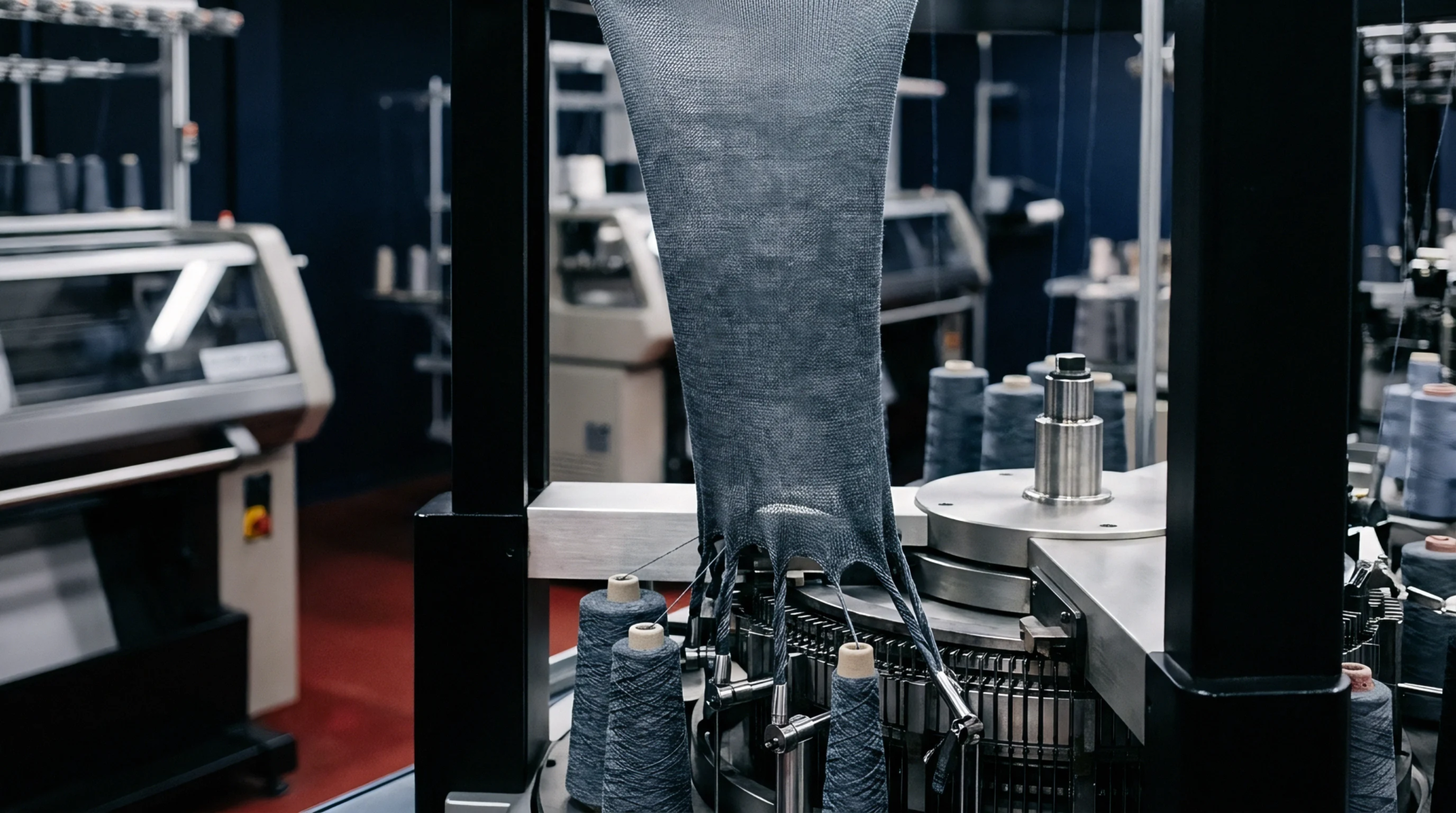
Knitting mechanics determine the total number of loops counted along a horizontal line spanning one inch of a finished textile. Wale density defines how many vertical columns of stitches exist across a specified width of the fabric substrate after the removal of tension from the knitting machine. A higher number signals a tighter arrangement of the loops within the structure, which reduces the potential for lateral stretching during garment wear.
Machines operating at lower gauge settings produce larger loops that spread across the fabric width, resulting in a lower count per unit of measure. This measurement remains constant once the fabric leaves the knitting bed because the structural orientation of the loops locks into place during the subsequent finishing processes.
Course Variation
Variations within the loop geometry alter the spatial distribution of the stitch columns throughout the production run. Tension adjustments applied to the yarn feed at the knitting head change the shape of the individual loops as the needles draw them through the fabric. Stricter regulation of the yarn input ensures that the columns maintain a uniform distance across the entire bolt of cloth.
Deviations appear when the machine experiences mechanical drag or fluctuations in the moisture content of the supply spools. Technicians verify these metrics by counting the vertical loops visible through a calibrated glass or digital magnification tool at multiple points along the fabric length. Proper control prevents the formation of skewed or bowed sections that cause misalignment during the garment cutting sequence.
Physical Constraint
Dimensional stability rests upon the interaction between the loops and the tension exerted by the surrounding structure. High counts restrict the degree to which a textile can expand sideways, which directly influences the recovery properties of elastic apparel items. Increased frequency of the stitches per inch provides a dense barrier against snagging or tearing when the fabric encounters sharp surfaces in industrial environments.
Manufacturers rely on this static value to predict how the garment will perform after repeated laundering cycles.
Structural Compliance
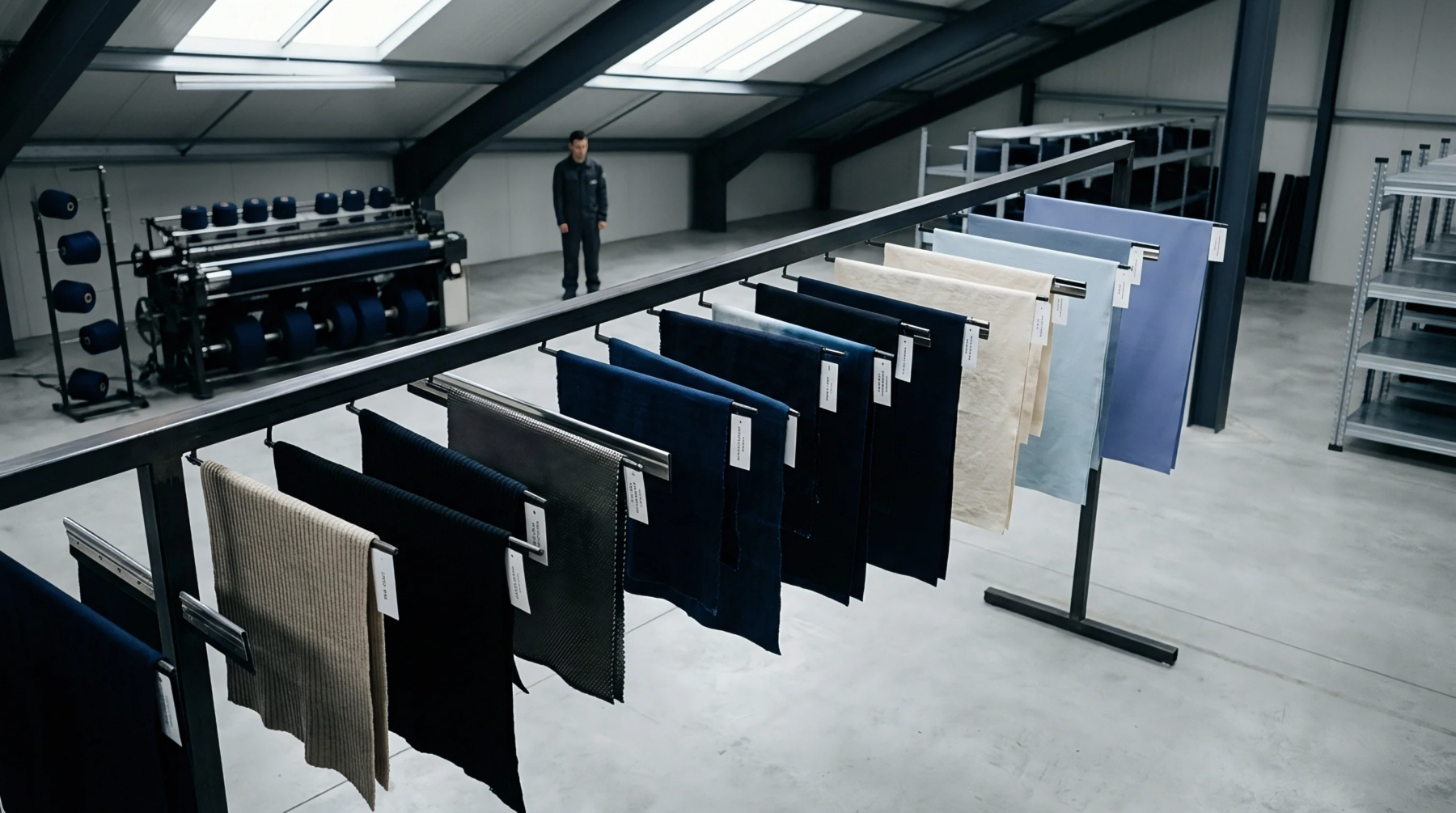
Quality control departments establish acceptable ranges for this parameter to ensure consistency across different dye lots of the same fabric design. Auditors reject finished goods that fall outside the permitted deviation because the variance signals an error in the knitting machine configuration. Laboratory tests quantify the specific number of loops per inch to validate the physical characteristics promised by the mill during the initial procurement phase.
Final product performance depends on the maintenance of these structural specifications during the conversion from raw textile into a wearable garment.