Physical Displacement
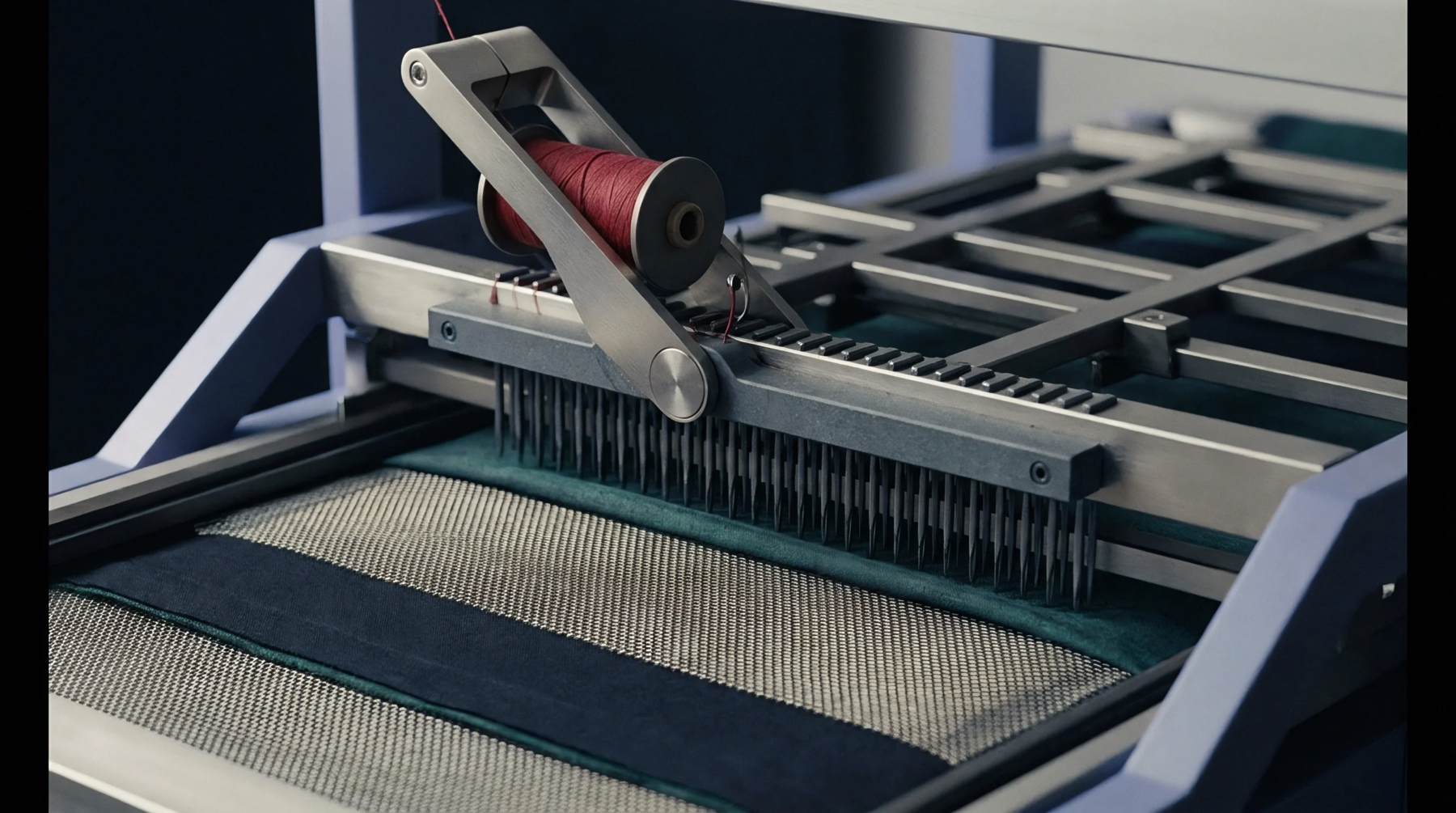
Linear length of yarn consumed per machine revolution during a knitting cycle governs the dimensional stability and loop geometry of knitted fabrics produced on circular knitting machines. Specific machine settings dictate this consumption rate, which mill technicians measure in centimeters per course to maintain precise stitch density. Excess feed volume leads to loose loop structures prone to distortion, while insufficient feed creates high internal tension that distorts the finished garment.
Tension Regulation
Positive yarn feed systems maintain constant linear delivery speed regardless of package diameter reduction on the creel. Mechanical stop motions interrupt production immediately when delivery rates deviate beyond tolerance limits, preventing holes or heavy streaks in the greige goods. Optical sensors track the passing filament path continuously, feeding real time correction signals to the electronic brake assemblies mounted above the knitting needles.
Dimensional Verification
Finished fabric specifications rely on strict control of linear consumption during the initial dyeing and finishing stages. Laboratory testing involves extracting a known course length from relaxed samples to calculate exact stitch sinking depth and final areal density. Quality inspectors compare measured values against mill production logs to certify that shrinkage rates remain within acceptable commercial parameters before garment cutting begins.
Process Limit
Mechanical slippage between the elastomer friction roller and the running yarn introduces permanent error into the delivery calculation during high speed multi feeder operations. Lubricant pick up variation along the supply package changes the surface friction coefficient, altering actual consumption without changing the nominal machine setting. Ambient relative humidity fluctuations inside the production hall swell natural cellulose fibers, changing the elastic recovery rate and shifting the effective delivery balance across the knitting bed.