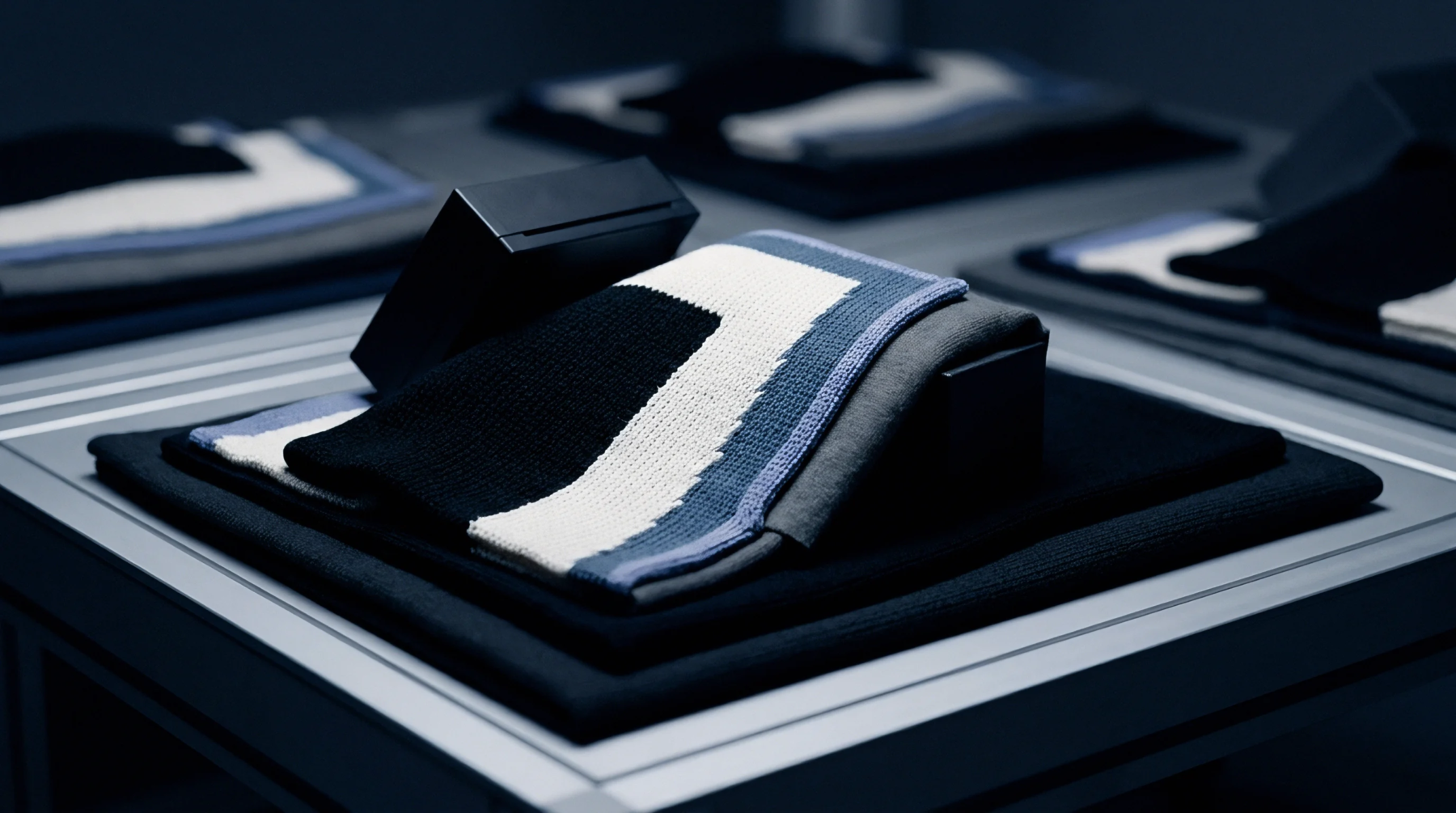
Stabilization Control
Mechanical shrinkage reduction acts upon knitted cotton tubular goods during wet processing finishing phases. Open width compaction provides physical relaxation for relaxed loop geometries prior to heat setting procedures. Machinery applies longitudinal and lateral compressive forces against damp fabrics passing between rubber blankets and heated cylinders.
Finished goods achieve dimensional stability targets because residual shrinkage drops below commercial tolerance limits set by apparel buyers.
Thermal Geometry
Heat transfer dynamics influence residual area shrinkage through precise temperature gradients applied along metal cylinders. Moisture vaporization occurs rapidly while compressive forces drive loops closer together inside the rubber sleeve nip point. Steam injection maintains yarn plasticity so individual fibers slide past one another without permanent distortion.
Cylinder surface temperatures dictate final moisture content values which govern immediate dimensional recovery rates upon cooling.
Tension Mechanics
Roller speed differentials create controlled overfeed ratios during continuous fabric passage through the compaction zone. Drive motors regulate nip pressure parameters to prevent fabric stretching while compressive forces take effect. Feed rollers operate at higher linear speeds than delivery rollers to ensure complete loop relaxation.
Tension monitors verify that residual stress remains absent across the entire fabric width before winding operations begin.
Commercial Tolerance
Finished garment manufacturers rely upon predictable dimensional stability measurements during cutting and sewing operations. Laboratory testing protocols determine area shrinkage percentages after standardized domestic laundering cycles. Compliance verification protects supply chain contracts from financial penalties associated with excessive post wash distortion.
Dimensional permanence reduces consumer complaints regarding garment twisting following repeated washing cycles.