Determining Fabric Run Length Crossover Thresholds for Rotary Screen and Digital Jet Printing
Determining the run length crossover requires balancing rotary screen engraving overhead against high digital ink costs at the precise yardage where unit expenses equalize.

Mesh
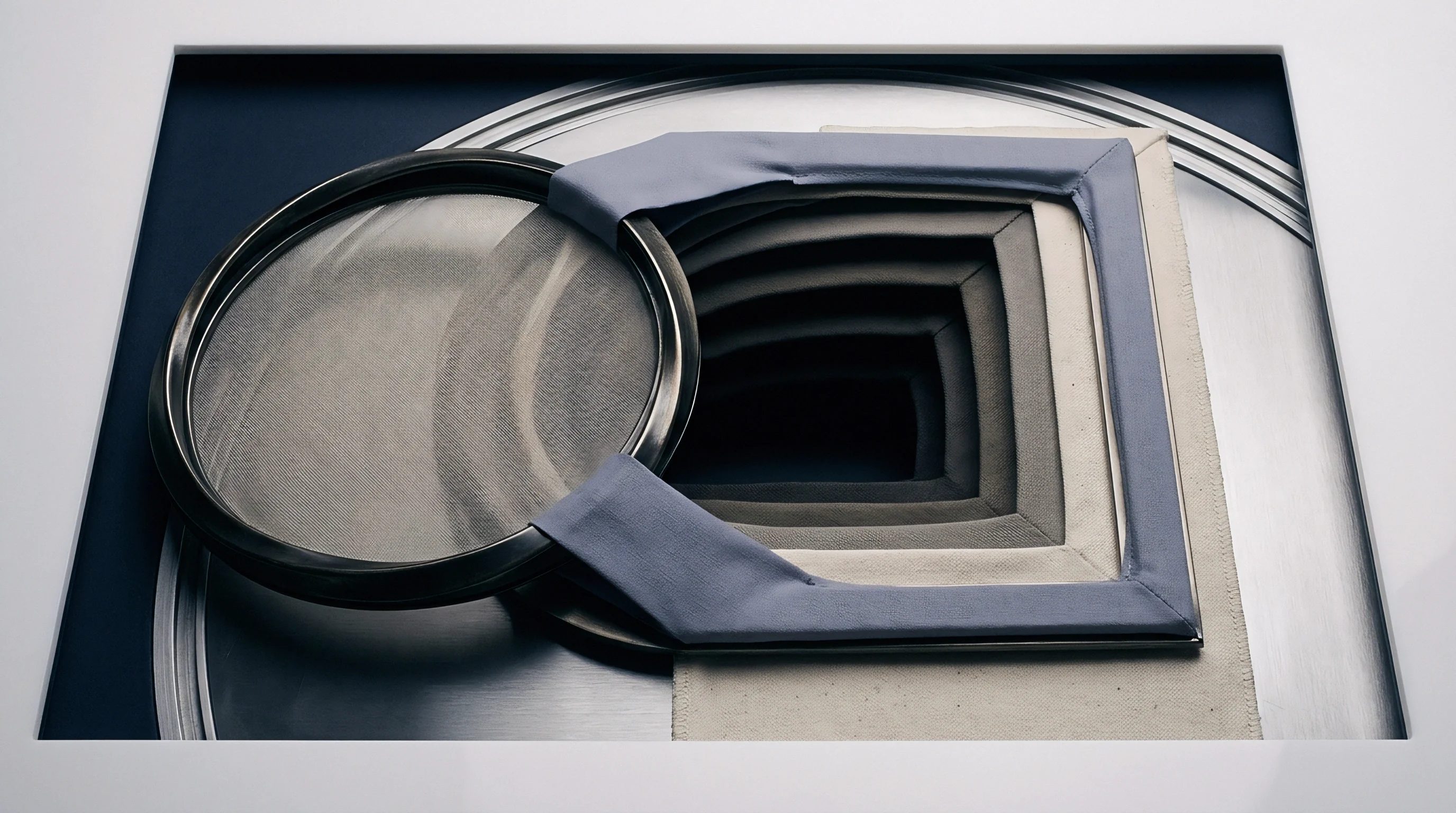
In rotary screen printing, fluid transfers mechanically through structured volumetric displacement inside seamless nickel cylinders. Electroformed nickel screens offer open surface areas ranging from nine percent on dense 195-mesh screens to thirty-two percent on coarse 80-mesh screens. Cylinder wall thickness ~ typically between 80 and 120 micrometres ~ defines the structural chamber holding fluid paste before squeegee pressure forces it into the fabric.
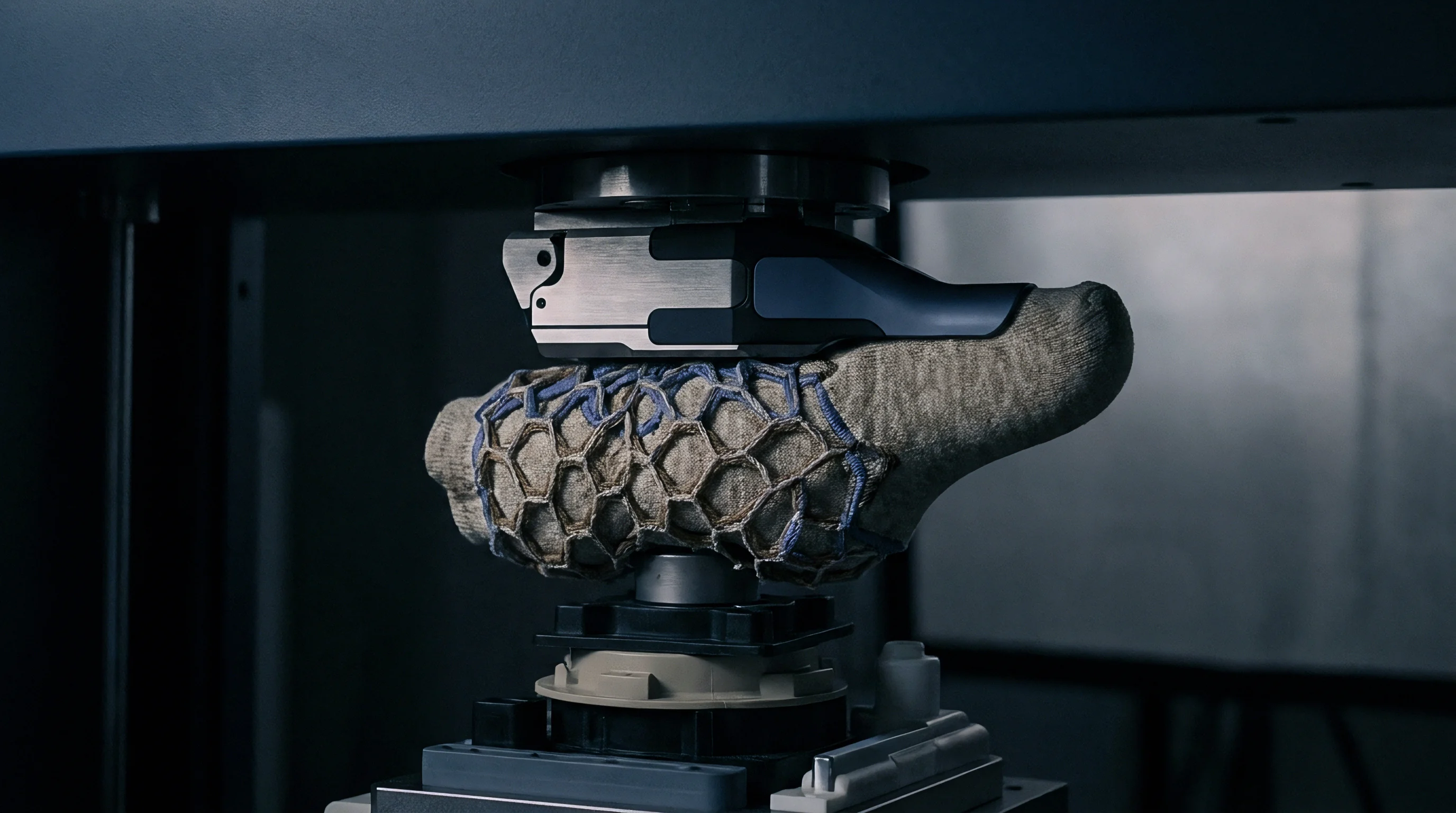
Whether using angled elastomer blades or stainless steel magnetic roller bars, squeegees apply uniform hydrostatic pressure against the interior cylinder wall, pushing wet printing paste through open hexagonal mesh apertures onto moving cloth. Wet film deposition levels fall between 30 and 80 grams per square metre depending on mesh count, squeegee diameter, blade angle, and squeegee pressure settings. Coarse fabrics require heavy wet pickup to achieve color levelness across uneven surface topography, whereas fine woven lawns demand high mesh counts with restricted open area to prevent paste bleeding past structural yarn cross points.
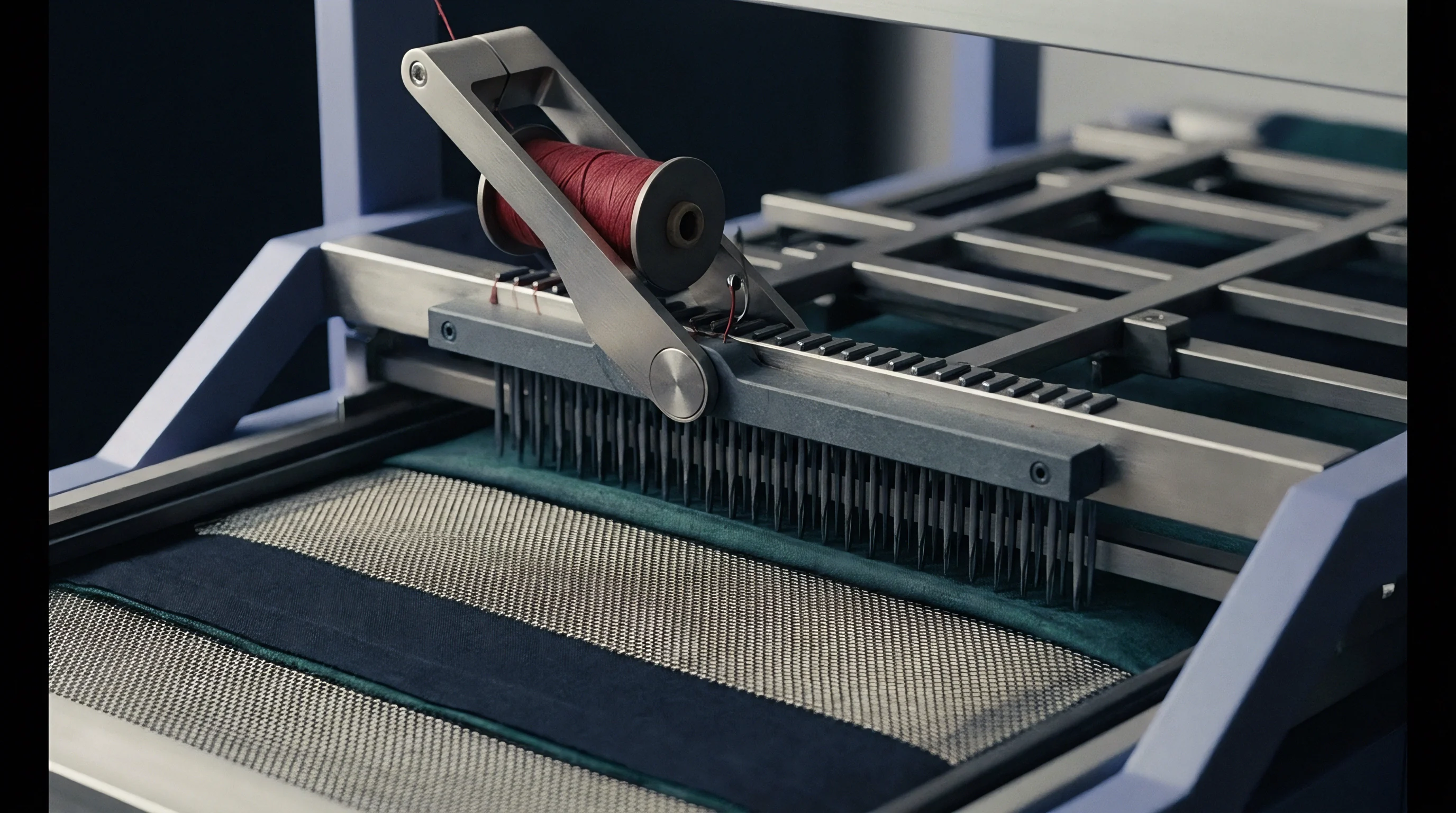
Piezoelectric drop-on-demand inkjet printhead arrays bypass physical contact entirely. Micro-actuators deflect inside individual nozzle channels to eject discrete ink droplets across an air gap of one to two millimetres. Modern industrial printheads feature nozzle counts exceeding 1,024 jets per printhead module, operating at firing frequencies between 20 and 50 kilohertz.
Droplet volume control operates at the picoliter scale, with native drop sizes ranging from 4 picoliters for fine line work up to 80 picoliters for heavy shade coverage achieved through multi-drop greyscale combination. Spatial resolution reaches 600 by 1200 dots per inch, placing millions of discrete droplets onto moving substrates with positioning accuracy within five micrometres. Fluid transfers without squeegee force or screen mesh boundaries, keeping drop velocity constant between six and nine metres per second to prevent aerodynamic deflection from boundary layer air currents dragged along by rapid fabric transit.
Mechanical Deposition and Mesh Volumetric Capacity
Nickel screen selection dictates maximum theoretical paste volume delivered onto unprinted greige fabric. Standard 125-mesh screens carry an open area of eighteen percent with a screen thickness of 90 micrometres, yielding a theoretical wet film reservoir volume of 16.2 cubic centimetres per square metre. Mesh count determines pattern resolution limits: higher mesh numbers narrow individual screen openings, restricting high-viscosity thickeners while refining line edge sharpness.
Hexagonal cell geometry provides structural strength under continuous squeegee pressure, though nickel screen walls still flex under heavy squeegee loads and distort pattern geometry over continuous runs. Fabric construction alters fluid uptake capacity instantly: compact cotton poplins accept surface paste layers readily, while loosely woven viscose weaves pull fluid deep into internal yarn bundles through capillary action.
Magnetic squeegee systems utilize polished steel rollers drawn toward an underlying electromagnetic bed beneath the print blanket. Roller bar diameter determines contact patch width and fluid hydraulic wedge formation. A 20-millimetre diameter roller bar moving over a 155-mesh screen creates a wider pressure zone than an 8-millimetre bar, forcing higher paste volume through screen openings at identical machine speeds.
Blade squeegees introduce mechanical angle adjustments between 45 and 75 degrees relative to screen walls. Steeper blade angles strip surface paste cleanly, reducing wet deposit levels while sharpening fine outline detail. Fluid transfer efficiency depends on paste cohesion, fabric surface energy, and screen open area ratio.
Wet paste pick-up is measured using weight differentials before and after screen passage. Inadequate squeegee pressure leaves unprinted void areas along textured fabric slubs, whereas excessive pressure forces paste past the fabric reverse face, creating bleed marks on print blankets.
Droplet Dynamics across Piezoelectric Nozzle Arrays
Industrial inkjet printheads deploy acoustic waves generated by lead zirconate titanate actuators to push micro-droplets through micro-scale nozzle orifices. Nozzle diameters ranging from 15 to 35 micrometres dictate drop formation behavior. Fluid viscosity and surface tension control drop ejection stability, filament neck-off duration, and satellite droplet formation.
Inkjet drop formation requires tight physical ink limits: viscosity targets sit between 8 and 12 millipascal-seconds at operating temperatures around 32 degrees Celsius, while surface tension ranges from 28 to 34 millinewtons per metre to ensure rapid nozzle meniscus recovery after drop detachment. Firing frequencies reaching 40 kilohertz mandate precise electrical waveform pulses to prevent residual acoustic reflections inside nozzle chambers that cause misdirected drops or nozzle dry-out.
Substrate interaction occurs without mechanical pressing force. Droplets strike fabric yarns at high velocity, initiating spreading, wetting, and capillary penetration within milliseconds of impact. Droplet kinetic energy drives initial mechanical contact, while fabric pre-treatment controls subsequent fluid capillary migration.
High resolution printing relies on precise placement of picoliter volumes; a 10-picoliter droplet forms an unspread wet mark approximately 26 micrometres in diameter on smooth film. On textile weaves, yarn crimp and fiber hairiness scatter liquid mass across adjacent fiber surfaces. Greyscale printing engine electronics vary drop volume dynamically by combining up to eight individual sub-droplets in flight before fabric impact.
Small drop sizes generate smooth tonal gradations in highlight areas, while large combined drop masses build optical shade depth in dense color passages.
Screen Engraving Precision and Nickel Wall Thickness
Rotary screen manufacturing requires multi-stage thermal and chemical processing to convert raw nickel sleeves into precise printing cylinders. Photo-polymer coated nickel screens undergo direct laser engraving or digital light exposure to form open print zones matching digital design separations. Screen repeat sizes standardise around 640, 820, or 914 millimetres, setting fixed geometric design boundaries for pattern layouts.
Engraving resolution reaches 254 lines per inch on specialized high-mesh screens, where thermal laser ablation burns away cured polymer coating within microscopic screen apertures cleanly. Nickel wall degradation occurs when excessive laser power weakens screen structural integrity; damaged screen walls crack under continuous rotational stress during long production runs.
Digital printheads eliminate physical screen engraving steps completely. Computer-to-print workflows transmit rasterized image files directly to printhead driving electronics, removing physical screen preparation delays and chemical development operations. Pattern repeat boundaries disappear in digital jetting systems, allowing continuous non-repeating designs across unrestricted roll lengths.
Mechanical wear on rotary screens alters print geometry over time as squeegees wear screen interiors and outer nickel surfaces rub against abrasive fabric web structures. Screen registration shifts occur when screen end-rings experience torsional twisting under high torque drives. Digital arrays hold fixed spatial geometry across fixed structural print bars, removing mechanical registration drift across color channels during extended manufacturing operations.
Mesh distortion beyond 0.2 percent falls within standard nickel electroforming tolerances for high-repeat rollers.
Rheology
Printing paste formulation dictates fluid flow dynamics under mechanical shear inside rotary printing screens. Rotary pastes rely on high molecular weight polymers to build high low-shear viscosity, preventing fluid migration prior to squeegee passage. Sodium alginate, carboxymethyl cellulose, modified starches, and synthetic polyacrylates serve as primary thickeners.
Viscosity levels range from 3,000 to 8,000 millipascal-seconds under static or low-shear conditions. Under rapid squeegee shear, pseudoplastic fluid behavior drives instantaneous shear-thinning; viscosity drops to less than 500 millipascal-seconds inside screen openings, enabling fluid flow onto fabric fibers. Upon exiting the shear zone, paste viscosity recovers rapidly, freezing printed mark geometry before lateral capillary creep ruins print definition.
Digital jetting inks demand completely distinct physical property profiles due to tiny nozzle dimensions and micro-picoliter fluid volumes. Inks operate within an extremely narrow viscosity envelope between 8 and 15 millipascal-seconds at jetting temperature. Fluid behavior must remain strictly Newtonian across high shear rates reaching 100,000 reciprocal seconds inside micro-nozzle channels.
Ink formulations cannot include high molecular weight polymer thickeners due to severe nozzle clogging risks. Substrates intended for digital printing must carry specialized chemical pre-treatments applied via pad mangle beforehand. Pre-treatment chemical pads deposit thickener polymers, alkali sources, and migration inhibitors onto bare fabric surfaces, transferring rheological control from the liquid ink directly onto the textile substrate.
Viscosity Constraints in Fluid Delivery Systems
Fluid movement through rotary delivery systems relies on low-pressure progressive cavity pumps feeding open screen interiors through perforated distribution pipes. High static paste viscosity holds solids in stable suspension, preventing pigment settling or dye precipitation during multi-hour continuous runs. Thickener concentration controls yield stress parameters, preventing paste leakage through screen mesh openings while the screen rests stationary over fabric webs during short line stops.
Organic alginate thickeners derived from seaweeds deliver clean wash-off performance after fixation, leaving soft fabric hand feel on reactive-printed cellulosic textiles. Synthetic acrylic thickeners provide high shear-thinning ratios and strong color yield in pigment printing, though residual binder polymers stiffen fabric touch unless modified with softening additives.
Inkjet ink delivery systems require low viscosity fluids to permit rapid nozzle refilling between acoustic firing cycles. Circulating ink loops continuously move fluid behind nozzle plates to maintain temperature uniformity and prevent particle sedimentation. Thermal control units hold ink temperatures within 0.5 degrees Celsius of target operational thresholds.
Ink viscosity changes by roughly two to three percent per degree Celsius shift, making thermal control mandatory for consistent drop volume delivery. High shear rates inside firing nozzles generate thermal energy within ink channels; inks must resist thermal shear degradation without altering surface tension properties. Significant strike-through occurs on light plain weaves when ink viscosity drops below six millipascal-seconds.
| Parameter | Rotary Screen Paste | Digital Jet Ink | Measurement Method |
|---|---|---|---|
| Low-Shear Viscosity | 3,000 ~ 8,000 mPa·s | 8 ~ 15 mPa·s | ISO 3219 Rotational Viscometry |
| High-Shear Viscosity | 200 ~ 500 mPa·s | 6 ~ 12 mPa·s | High-Shear Capillary Rheometry |
| Surface Tension | 45 ~ 60 mN/m | 28 ~ 35 mN/m | ISO 19403 Ring Tensiometry |
| Solid Content Ratio | 8 ~ 25 Percent | 2 ~ 8 Percent | ISO 3251 Oven Evaporation |
| Fluid Delivery Method | Mechanical Blade / Magnetic Roller | Piezoelectric Acoustic Pulse | Direct Physical Observation |
Pre-Treatment Chemistry for Digital Substrate Preparation
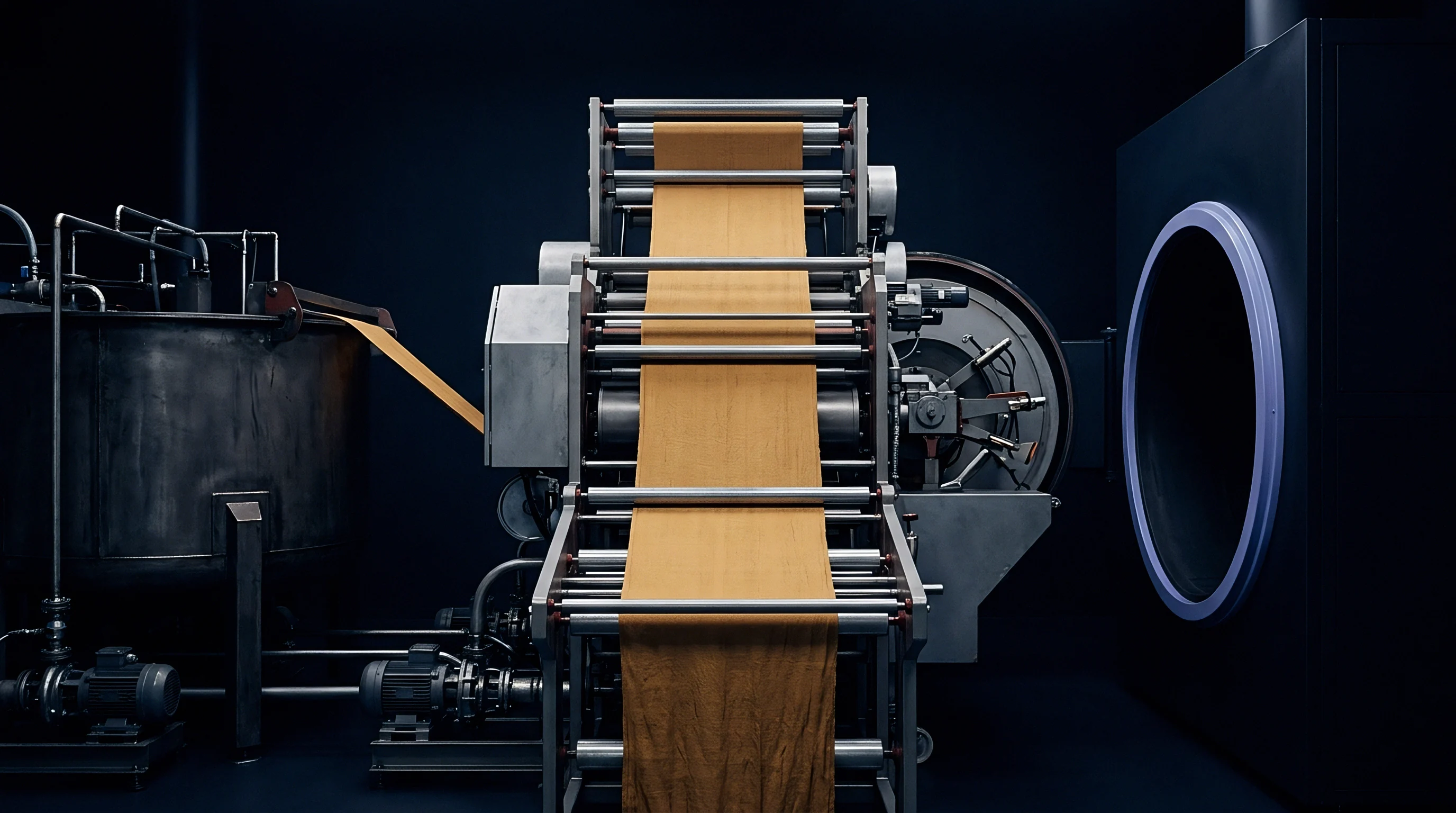
Digital reactive ink printing requires substrate padding with tailored chemical recipes prior to jetting. Cotton and viscose fabrics pass through a dip-and-squeeze pad mangle containing sodium alginate thickener, urea, sodium bicarbonate, and mild oxidizing agents. Wet pickup target levels sit between 65 and 75 percent by weight relative to dry fabric mass.
Stenter drying follows at temperatures between 90 and 100 degrees Celsius to remove water while preserving chemical activity. Sodium alginate on the fabric surface immobilizes low-viscosity ink droplets upon contact, preventing liquid wicking along structural warp and weft yarns. Urea acts as a moisture-retaining humectant during subsequent steam fixation, attracting steam moisture to swell cellulose fibers and dissolve reactive dye molecules fully.
ISO 105-X12 dry crocking fastness testing mandates a minimum rating of Grade 4 for commercial apparel approval, requiring strict crosslinking control in pigment binder systems.
Acid ink jetting on silk and polyamide substrates requires alternative pre-treatment formulations. Ammonium sulfate or sodium formate acts as an acid donor, lowering fabric pH during high-temperature steam exposure to promote ionic bonding between acid dyes and amine polymer end-groups. Synthetic thickeners like guar derivatives control droplet bleed on delicate silk fabrics.
Inadequate pre-treatment drying leaves excess moisture in fabric webs, triggering instant ink bleeding upon jetting. Over-drying or excessive stenter heat decomposes alkali chemical donors prematurely, resulting in weak color yield, poor shade fixation, and severe batch-to-batch color variance across production runs.
Pigment Loading and Binder Crosslinking Behaviour
Rotary pigment printing pastes incorporate emulsion binders containing acrylic, butadiene, or vinyl acetate copolymers directly into the print paste mixture. Binder loading ranges from 80 to 200 grams per kilogram of paste depending on target washfastness and shade depth requirements. Synthetic crosslinking agents bond polymer chains to cellulosic hydroxyl groups during high-temperature thermal curing at 150 to 160 degrees Celsius for three minutes.
High binder content builds robust wash and crock fastness performance; however, heavy binder films bridge adjacent yarn intersections, stiffening fabric bending rigidity significantly. High pigment concentrations increase paste yield stress, requiring squeegee pressure adjustments to maintain uniform color delivery.
Digital pigment inks require nano-dispersed pigment particles with average particle diameters under 200 nanometres to prevent nozzle clogging. Nano-pigment dispersion requires polymeric dispersants to maintain electrostatic or steric repulsion across extended shelf lives. Inkjet binder systems use waterborne polyurethane or acrylic dispersions incorporated directly into ink formulations, or rely on pre-treatment pads containing specialized crosslinking primers.
Binder concentrations inside digital inks remain limited by jetting viscosity ceilings. Low binder ratios in digital pigment inks compromise crocking fastness performance compared to screen printing alternatives. Achieving Grade 4 dry crocking fastness on digital pigment prints requires specialized post-treatment chemical finishing passes, adding processing steps and thermal energy costs to bulk manufacturing operations.
High solids pastes seal coarse weaves while low viscosity digital inks demand thickener pads to halt capillary creep.

Throughput
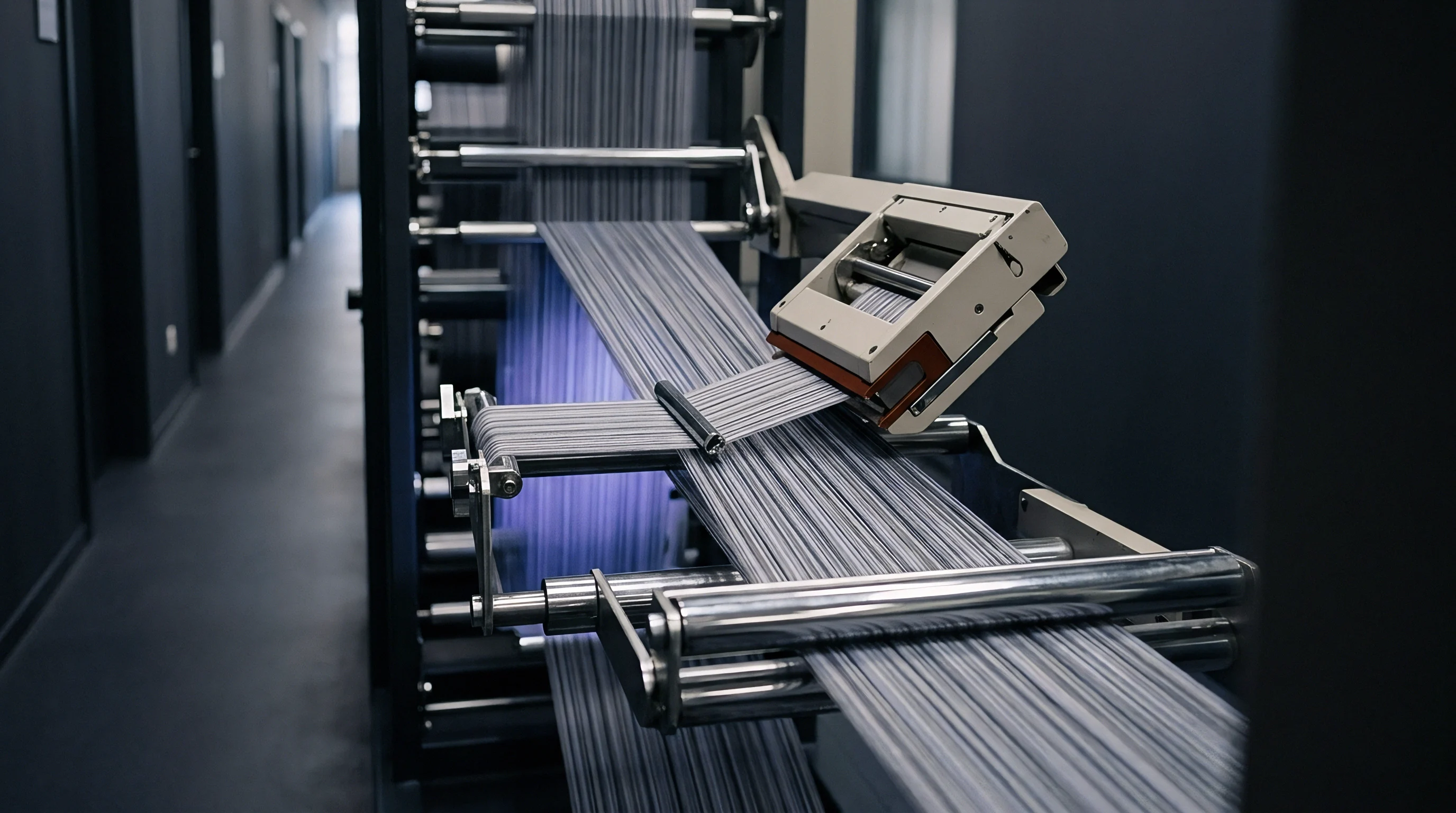
Continuous rotary screen printing delivers high linear production speeds once press setup completes. Industrial rotary presses operate at speeds between 30 and 80 linear metres per minute depending on design complexity, fabric weight, and stenter drying capacity. A twelve-color design running at 50 metres per minute yields 3,000 linear metres per operating hour.
Initial machine setup, however, requires substantial downtime to mount heavy nickel screens, insert squeegee bars, connect paste feed lines, fill supply pumps, set screen registration, and run trial fabric strips for on-machine color adjustments. Total setup time for a twelve-color rotary pattern ranges from 120 to 240 minutes, during which capital equipment sits idle while specialized print technicians perform physical machine alignment.
Industrial digital jetting platforms trade peak linear running speed for near-zero machine setup overhead. Scanning-head digital printers achieve speeds between 2 and 12 linear metres per minute operating in multi-pass modes to achieve high spatial resolution. High-speed single-pass digital printing arrays utilize stationary printhead bars spanning the full fabric width, reaching linear speeds of 30 to 75 metres per minute.
Digital setup involves loading pattern files into raster image processors, running automated nozzle purge cycles, and verifying drop alignment using automated optical sensors. Changeover requires only 10 to 15 minutes between pattern files. Eliminating mechanical changeover overhead shifts capacity calculations in favor of digital technology for short to medium run lengths.
Setup Time Overhead and Changeover Mechanics
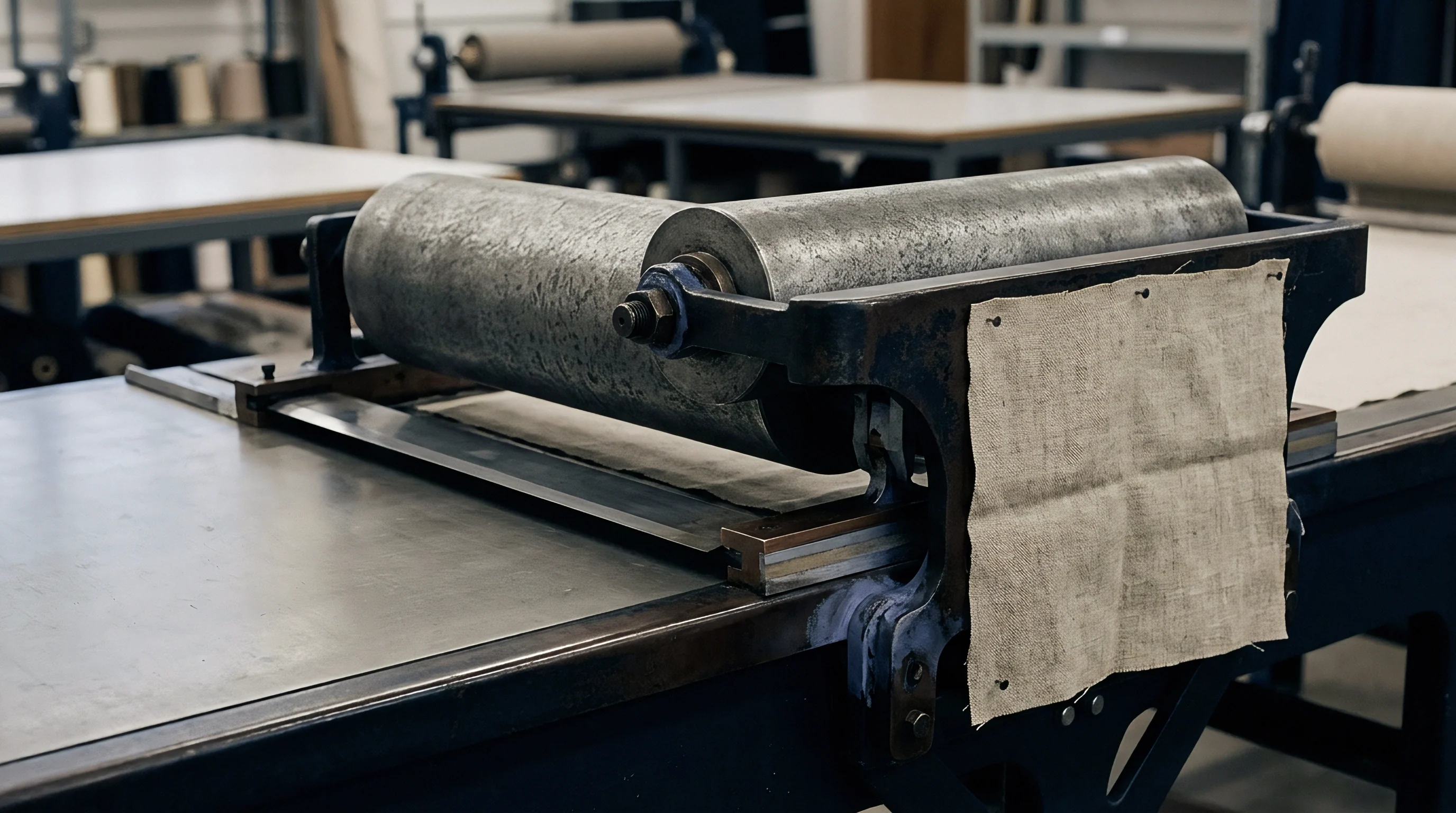
Rotary screen changeover requires systematic physical handling of heavy mechanical hardware. Operators must remove used screens, wash residual paste from pump lines, install fresh nickel cylinders into precision end-ring drives, and lock squeegee assemblies into place across every print station. Pattern registration requires precise spatial alignment of each screen along X, Y, and diagonal axes using electronic optical sensors or manual alignment marks.
Color matching occurs directly on the printing press: technicians draw paste samples, test print on swatch strips, and adjust paste viscosity or add liquid color concentrates to match approved customer lab dips under controlled lighting conditions. This color adjustment cycle consumes significant time and generates substantial fabric waste before production approval occurs.
- Screen Inspection verifies physical nickel cylinder integrity, checking for wall cracks, end-ring detachment, and photo-polymer pinhole defects before mounting.
- Mechanical Mounting locks screen end-rings into rotary drive heads and secures squeegee pressure assemblies across every active color station.
- Fluid Line Priming pumps print paste from storage drums through delivery hoses into screen interior cavities until squeegee wells fill completely.
- Optical Registration Alignment aligns pattern cross-marks across all color channels using micro-adjustment drive motors while running setup leader fabric.
- On-Machine Shade Fine-Tuning compares physical strike-off swatches against approved lab dips, adding dye concentrates to paste tubs until shade matching passes lightbox evaluation.
Digital printhead setup eliminates physical color paste preparation and screen alignment completely. Image processing software converts vector artwork or digital raster files into multi-channel drop-placement maps within seconds. Printhead maintenance units execute automated head cleaning sequences, drawing vacuum pressure across nozzle plates and wiping silicone blades to clear dried ink particles.
Automated optical calibration systems scan printed test grids, adjusting drop timing parameters to compensate for micro-scale physical jet misalignments dynamically. Setup fabric waste remains minimal, consuming less than five metres of cloth to verify file accuracy and drop firing consistency.

Linear Machine Velocity and Resolution Trade-Offs
Rotary printing speed remains decoupled from pattern complexity or color count. A press runs at 60 metres per minute whether printing a single-color pin-stripe or a twelve-color intricate floral layout, provided stenter drying capacity evaporates carrier water efficiently. Speed limitations stem primarily from fabric handling constraints, mechanical vibration at high drive torques, and drying oven length.
Heavy woven fabrics or thick knits demand lower line speeds to permit full paste penetration and prevent wet fabric output from smearing on conveyor belts. Energy consumption in rotary drying units remains high due to heavy wet pickup levels forced into fabric structures during screen squeegee passage.
| Process Stage | Rotary Screen (12 Colors) | Scanning Digital Inkjet | Single-Pass Digital Inkjet |
|---|---|---|---|
| Hardware Changeover Time | 90 ~ 150 Minutes | 0 Minutes | 0 Minutes |
| Shade Matching & Priming | 30 ~ 90 Minutes | 5 ~ 10 Minutes | 5 ~ 10 Minutes |
| Setup Fabric Waste Scrap | 50 ~ 150 Metres | 2 ~ 5 Metres | 5 ~ 10 Metres |
| Maximum Running Speed | 40 ~ 80 m/min | 4 ~ 12 m/min | 30 ~ 75 m/min |
| Operator Labor Allocations | 3 Technicians | 1 Operator | 1 Operator |
Digital jetting machine velocity links directly to selected print resolution and pass counts. Scanning architectures pass printhead carriages back and forth across moving fabric webs; achieving 600 by 1200 dpi resolution requires four to eight carriage passes over each fabric section, reducing net linear output to 4 to 8 metres per minute. Dropping target resolution to 600 by 600 dpi cuts required passes in half, doubling linear throughput speed.
Single-pass digital machines position thousands of stationary nozzles across the full substrate width, firing continuously as fabric passes underneath at speeds matching rotary presses. However, single-pass capital cost is substantial, and a single clogged nozzle produces visible continuous vertical streak defects across thousands of fabric metres unless automatic nozzle redundancy algorithms compensate in real time.
Screen nickel electroforming costs 140 USD per metre of roll length at standard 640 millimetre repeat.
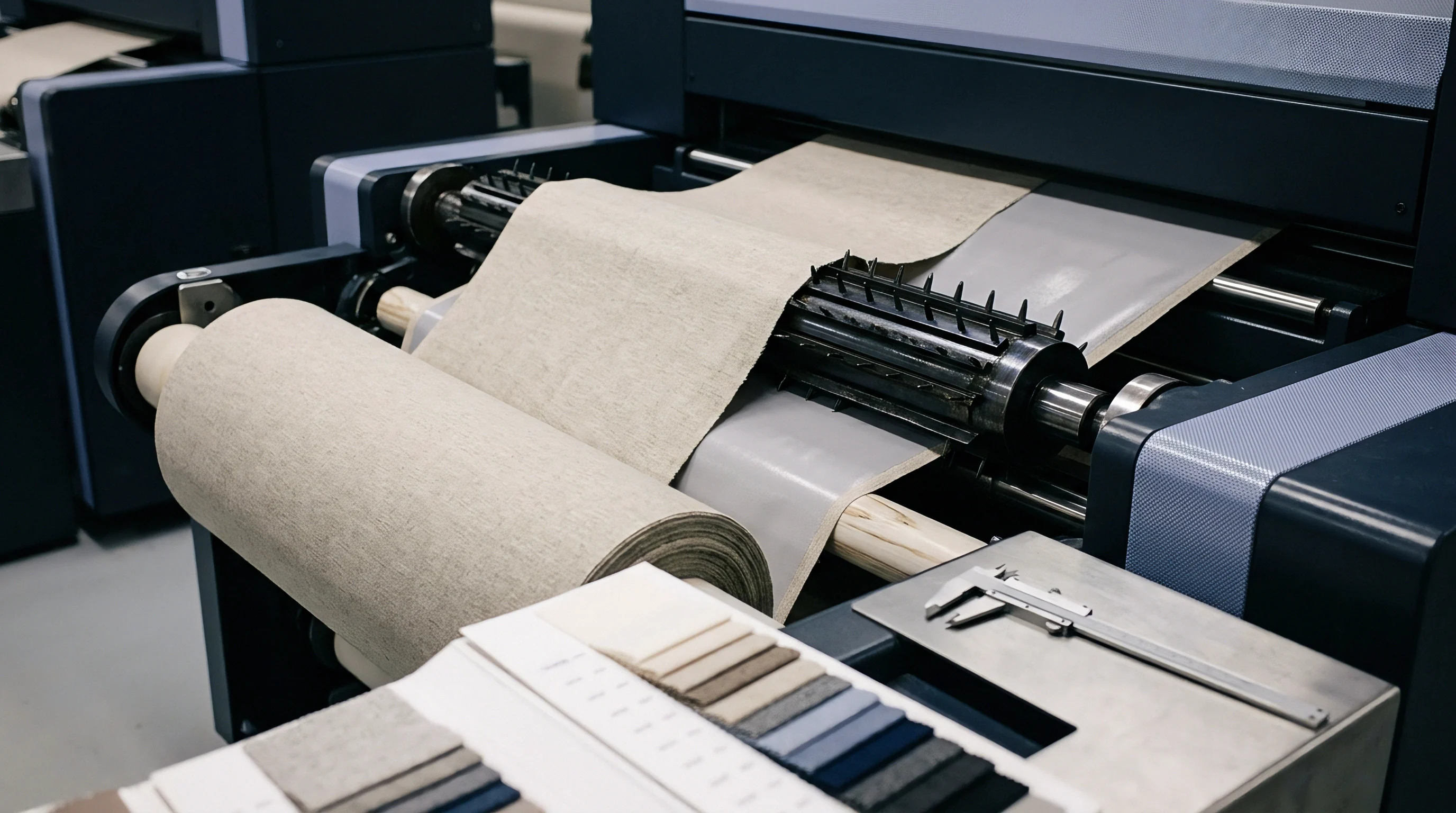
Capital Expenditure Amortisation per Printed Metre
Rotary screen printing involves distinct fixed capital investments combined with low ongoing consumable chemistry costs. A standard twelve-color rotary printing line requires high capital equipment layout, but nickel screens represent pattern-specific fixed tooling costs. A complete set of twelve engraved rotary screens costs between 1,400 and 2,800 USD including nickel sleeves, photo-polymer emulsion, laser engraving machine time, and end-ring fitting.
This tooling expense must be fully amortised over the specific production volume ordered for that design. When an order total reaches 20,000 metres, screen tooling amortisation adds only 0.07 to 0.14 USD per linear metre. On a short order of 500 metres, screen tooling overhead adds 2.80 to 5.60 USD per linear metre to landed fabric costs.
Digital jetting flips this financial structure entirely by eliminating screen tooling requirements while imposing high variable ink costs. Industrial digital printers demand substantial initial equipment investment, with single-pass production lines costing over one million USD. Printhead replacement reserves represent an ongoing capital expenditure component: industrial piezo printheads possess finite operational lifespans, typically rated between 20 billion and 50 billion firing cycles per nozzle before jet degradation requires module replacement.
Printhead depreciation adds roughly 0.10 to 0.30 USD per printed square metre to operational running expenses. Batch size determines unit cost structure: low setup overhead allows digital printing to maintain flat unit costs across small order volumes, whereas rotary printing unit costs drop steeply as order lengths expand.
Mistaking rotary setup speed for net shift yield creates severe schedule bottlenecks when order sizes drop below single-batch capacity.
Parity
Achieving optical shade depth and fastness performance parity across rotary screen and digital jetting technologies requires matching dyestuff selection and post-treatment fixation steps. Rotary screen printing utilizes specialized spot color pastes mixed specifically for each design element. Color matchers blend concentrated primary dyes to hit exact Pantone or physical customer standards, building ultra-wide color gamuts including metallic, fluorescent, and opaque white effects.
Optical shade density reaches high levels because heavy paste deposits place high dyestuff mass per unit surface area directly onto fiber surfaces. Metamerism remains tightly controlled because spot color formulations utilize identical dye chemistries across solid pattern fields.
Digital jetting relies on process color mixing using fixed primary ink sets, typically expanding standard CMYK with Orange, Violet, Blue, and Grey inks to broaden reachable gamut space. Process color combinations generate target shades by placing microscopic primary ink dots adjacent to or over one another on pre-treated fabric surfaces. Achieving deep dark shades, such as rich navy or intense black, requires high ink drop densities that push digital ink delivery limits.
Gamut boundaries on digital platforms remain restricted in bright saturated neon or specialized metallic realms. Metamerism risk increases when process color combinations build neutral grey or brown shades using disparate dye molecules possessing distinct spectral absorption curves under shifting store illuminants.
Color Gamut Coverage and Metamerism Control
Spot color pastes used in rotary printing deliver uniform spectral absorption characteristics across printed shapes. Formulating a specific forest green shade involves mixing dedicated yellow and blue dyestuffs directly inside the paste tub before screen delivery. The resulting printed surface presents homogeneous chemical coverage without microscopic color pixelation.
Spectrophotometer measurements across large rotary print fields yield low shade variance values, with Delta E color difference values staying below 0.5 under D65, TL84, and A illuminant light sources. Solid color coverage remains free from raster screening artifacts or drop placement noise.
Digital process color reproduction builds visual shades through spatial ink dot aggregation. A digital green area consists of cyan and yellow micro-droplets deposited in close spatial proximity. Spectrophotometers read integrated color reflections, but microscopic inspection reveals distinct dot structures.
Spectrophotometric shade evaluations across varied light sources can reveal metameric index shifts if primary ink dyestuffs exhibit disparate spectral response curves. Modern eight-color digital ink sets reduce metamerism by substituting dedicated light inks or neutral grey inks into mid-tone passages, avoiding complex four-color process mixes. Dyehouse technicians must audit digital color formulations under multiple illuminants during shade approval workflows to prevent metameric commercial rejections.
Substrate Penetration and Rear-Face Color Density
Fluid deposit volume dictates dye molecule penetration through structural fabric thickness. Rotary printing squeegees push high-viscosity paste deep into yarn intersections, coating individual fiber surfaces throughout warp and weft weave architectures. On heavy fabrics like 300 gsm cotton twill or 250 gsm linen, mechanical squeegee pressure forces dye molecules through to the fabric reverse side, yielding rear-face color density values reaching 70 to 90 percent of front-face readings.
Deep penetration ensures consistent appearance in unlined apparel garments, upholstery applications, and double-sided flags where reverse-side shade visibility remains a mandatory specification parameter.
- Nozzle Bleed and Saturation Haloing occurs when fabric pre-treatment thickener concentrations drop below critical thresholds, allowing low-viscosity ink drops to wick along structural yarns.
- Cockling and Web Distortion manifests when heavy aqueous digital ink volume overwets light woven lawns, causing local fiber swelling and uneven fabric transit through jetting zones.
- Rear-Face Void Whiteout arises on thick knitted constructions when low jetting volume fails to penetrate internal loop structures, leaving bare white fiber surfaces exposed upon fabric stretching.
- Band Line Micro-Striations emerge from partial nozzle clogging or thermal calibration drift across scanning printhead sweeps, producing repetitive horizontal shade variations.
- Crocking Fastness Degradation occurs when digital pigment ink binder ratios prove insufficient to anchor high pigment loads against surface frictional forces.
Digital jetting deposits limited liquid volume onto fabric surfaces without applying physical pressing force. Droplet volumes totaling 10 to 30 picoliters per jetting event rest primarily on surface fibers. On light fabrics like 50 gsm silk habotai or 100 gsm cotton lawn, capillary action draws liquid ink through thin fabric cross-sections, producing acceptable reverse-side color yield.
On heavy or high-density constructions, digital ink remains trapped near the upper surface face, leaving internal yarn structures and reverse faces un-dyed. Rear-face color density on 250 gsm fabrics often drops below 30 percent of front-face readings when printed digitally. Dyehouse Auditor inspection must evaluate face-to-back color ratios whenever specification guidelines mandate through-dyed performance.
Post-Print Fixation and Washing Water Loads
Fixation processing conditions remain identical for both print technologies when using matching dyestuff families. Reactive dye prints, whether applied via rotary paste or digital jetting, require saturated steam exposure at 102 to 105 degrees Celsius for 8 to 12 minutes to break open cellulose polymer chains and form covalent chemical bonds. Acid dye prints on silk or nylon require steam fixation under similar thermal conditions.
Disperse prints on polyester undergo high-temperature thermosol fixation at 180 to 200 degrees Celsius or superheated steam exposure at 170 degrees Celsius. Thermal energy inputs for steam fixation depend strictly on fabric weight and processing duration rather than fluid application method.
| Performance Metric | Rotary Reactive Print | Digital Reactive Print | Digital Pigment Print |
|---|---|---|---|
| ISO 105-C06 Wash Fastness | Grade 4 ~ 5 | Grade 4 ~ 5 | Grade 3 ~ 4 |
| ISO 105-X12 Dry Crocking | Grade 4 | Grade 4 | Grade 3 ~ 4 |
| ISO 105-B02 Light Fastness | Grade 6 ~ 7 | Grade 6 ~ 7 | Grade 5 ~ 6 |
| Wash-Off Water Demand | 15 ~ 25 L/kg Fabric | 12 ~ 20 L/kg Fabric | 0 L/kg (No Washing) |
| Steam Fixation Time | 8 ~ 12 Minutes | 8 ~ 12 Minutes | 0 Minutes (Dry Heat Cure) |
Post-fixation washing procedures diverge based on applied chemical formulations. Printed reactive textiles carry unfixed hydrolysed dye molecules and auxiliary chemicals that require open-width washing through multi-stage wash boxes. Washing sequences involve cold water rinses, hot soaping passes at 95 degrees Celsius using specialized chelating surfactants, and final cold rinses.
Rotary reactive prints demand 15 to 25 litres of water per kilogram of fabric to clear heavy thickener solids and unfixed dye. Digital reactive prints require slightly lower wash-off water volumes, around 12 to 20 litres per kilogram, because pre-treatment chemical coatings wash off faster than dense rotary paste thickener beds. Dry pigment jetting eliminates post-print washing entirely, requiring only dry thermal baking and cutting water consumption to zero.
Dark shades on heavy constructions require high liquor pickup that digital jetting cannot deliver without strike-through.
According to ISO 105-C06 commercial wash testing protocols, shade change ratings must meet or exceed Grade 4 for commercial fabric release, establishing a legal baseline for wet fastness verification across both production routes.

Threshold
Determining the precise financial break-even run length between rotary screen printing and digital jet printing requires constructing comprehensive unit-cost mathematical models. Cost balance equations equate total job execution expenditures across both production systems. Fixed costs in rotary screen printing encompass pattern design separation, screen nickel sleeve procurement, photo-polymer coating, laser engraving, mechanical press changeover downtime labor, color matching lab time, and setup leader fabric scrap consumed during registration alignment.
Variable rotary costs include low paste chemical expenses, electrical energy for machine drives, stenter drying thermal gas loads, and direct operator labor wages.
Digital jetting cost structures present low fixed setup expenses alongside high variable fluid costs. Fixed costs include digital file rasterization labor and minimal setup fabric scrap. Variable digital costs concentrate heavily in specialized ink formulations, fabric pre-treatment pad chemical formulations, printhead wear reserves, electrical power for jetting modules, and post-print thermal fixation energy.
Break-even run length occurs at the exact linear metre volume where cumulative rotary screen production expenses equal total digital jetting manufacturing costs. Operating below this crossover point makes digital jetting financially advantageous; running above this volume makes rotary screen printing the more economic choice.
Mathematical Formulation of the Economic Crossover
Calculating the crossover threshold volume, expressed in linear metres (Mc), relies on isolating fixed and variable cost variables within a unified algebraic equation. Fixed costs for rotary printing (Fr) scale directly with color count (n). Screen engraving costs (Es), screen end-ring fittings (Er), and setup fabric scrap cost (Sf · Cg, where Sf represents scrap metres and Cg is greige cloth cost per metre) combine with setup labor downtime costs (Ls).
Total rotary fixed cost equals:
Fr = n · (Es + Er) + (Sf · Cg) + (Ts · Rl)
Where Ts represents setup downtime hours and Rl is the fully burdened machine labor rate per hour. Variable cost per linear metre for rotary printing (Vr) incorporates wet paste pick-up mass (Wp in kg/m), paste formulation cost (Cp in USD/kg), and utility running cost per metre (Ur):
Vr = (Wp · Cp) + Ur
Digital printing fixed costs (Fd) remain small, comprising raster processing setup time (Td) multiplied by labor rate (Rl), plus minimal setup fabric waste (Sd · Cg):
Fd = (Td · Rl) + (Sd · Cg)
Variable cost per linear metre for digital printing (Vd) includes digital ink consumption mass (Ic in kg/m) multiplied by ink cost (Ci in USD/kg), fabric pre-treatment chemical pad cost (Cpt in USD/m), printhead depreciation reserve per metre (Dh), and digital machine utility running cost (Ud):
Vd = (Ic · Ci) + Cpt + Dh + Ud
Equating total rotary production cost to total digital production cost defines the linear metre crossover threshold formula:
Fr + (Mc · Vr) = Fd + (Mc · Vd)
Solving directly for the crossover volume (Mc) yields:
Mc = fracFr – FdVd – Vr
Because rotary fixed costs (Fr) significantly exceed digital fixed costs (Fd), and digital variable costs (Vd) far exceed rotary variable costs (Vr), the denominator (Vd – Vr) remains positive. This equation provides the mathematical foundation for mill sourcing decisions.
Digital ink pricing dominates variable cost models above two thousand linear metres.
Sensitivity Analysis across Color Count and Coverage
Crossover thresholds shift dynamically when design parameters, color counts, and ink coverage ratios move. Increasing color count in a design adds nickel screens, laser engraving time, and press setup labor, driving rotary fixed costs (Fr) upward. Expanding a pattern from a 4-color layout to a 12-color design triples total screen tooling expense and doubles press changeover downtime.
Higher fixed costs elevate the numerator in the crossover equation, pushing the break-even threshold significantly higher. On high-color designs, digital jetting remains cost-effective across far longer production run lengths.
Design ink coverage area alters variable digital fluid costs (Vd) directly. A light coverage pattern, such as a subtle floral outline covering fifteen percent of the fabric surface, consumes low digital ink mass (Ic). Low ink consumption reduces variable digital costs, flattening the digital cost curve and pushing the break-even volume outward.
Conversely, a heavy coverage design featuring dense 100 percent background shade coverage demands high ink drop mass per square metre. Heavy ink consumption drives variable digital costs upward steeply, narrowing the economic window for digital printing and pulling the crossover threshold toward much shorter run lengths.
Substrate width also impacts unit cost calculations. Wider fabric webs, such as 3.2-metre home textile sheeting, increase rotary screen sleeve costs and screen laser engraving time. However, wide digital print bars require higher initial capital investment and printhead replacement counts.
The break-even threshold shifted from 1,850 metres to 3,100 metres when screen color count expanded from four to ten shades on standard 1.6-metre woven apparel fabric. Sourcing managers must model exact design parameters rather than relying on generalized mill threshold claims.
Worked Case Model for a Twelve-Color Apparel Print
Evaluating a concrete commercial scenario illustrates the mathematical crossover calculation in practice. Consider a twelve-color (n = 12) printed apparel design on a 140 gsm woven cotton poplin, with a fabric width of 1.5 metres. We evaluate financial parameters using standardized dyehouse cost data.
Screen engraving costs 150 USD per screen sleeve ($Es). Screen end-rings add 20 USD per screen ($Er). Total screen tooling expense reaches 12 · (150 + 20) = 2,040 USD.
Press changeover requires 2.5 hours (Ts) with a 3-person crew at a burdened machine labor rate of 60 USD per hour ($Rl), adding 150 USD. Rotary setup fabric scrap consumes 80 linear metres (Sf) of greige cloth valued at 1.50 USD per metre ($Cg), adding 120 USD in fabric loss. Total rotary fixed cost (Fr) sums to 2,040 + 150 + 120 = 2,310 USD.
Rotary paste variable parameters assume a wet paste pick-up of 45 grams (0.045 kg) per square metre, equal to 0.0675 kg per linear metre (Wp) at 1.5-metre width. Formulated reactive dye paste costs 2.20 USD per kilogram ($Cp), yielding a paste cost of 0.0675 · 2.20 = 0.1485 USD per linear metre. Rotary line utility running costs (Ur) contribute 0.08 USD per linear metre.
Total rotary variable cost (Vr) equals 0.1485 + 0.08 = 0.2285 USD per linear metre.
Digital printing parameter values assume minimal digital setup time of 0.25 hours (Td) at 60 USD per hour labor rate (Rl), adding 15 USD. Digital setup fabric waste consumes 4 metres (Sd) at 1.50 USD per metre (Cg), adding 6 USD. Total digital fixed cost (Fd) equals 15 + 6 = 21 USD.
Digital variable costs assume an 8-color reactive ink set costing 28.00 USD per kilogram ($Ci). Design ink coverage requires 8 grams (0.008 kg) of ink per square metre, equal to 0.012 kg per linear metre (Ic) at 1.5-metre width. Ink cost per linear metre equals 0.012 · 28.00 = 0.336 USD.
Fabric chemical pre-treatment pad cost (Cpt) adds 0.25 USD per linear metre. Printhead depreciation reserve (Dh) contributes 0.18 USD per linear metre. Digital utility costs (Ud) add 0.06 USD per linear metre.
Total digital variable cost (Vd) sums to 0.336 + 0.25 + 0.18 + 0.06 = 0.826 USD per linear metre.
Applying the crossover threshold formula using these derived financial parameters:
Mc = fracFr – FdVd – Vr = frac2,310 – 210.826 – 0.2285 = frac2,2890.5975 = 3,830.96 linear metres
In this twelve-color scenario, the economic crossover threshold lands at exactly 3,831 linear metres. Orders below 3,831 metres deliver lower landed costs via digital jetting. Orders exceeding 3,831 metres deliver lower unit costs via rotary screen printing.
Batch size determines unit cost structure.
- Quantify total design color count and calculate screen tooling procurement expenses including sleeve and ring costs.
- Measure setup labor downtime hours and multiply by burdened press operational labor rates.
- Determine setup fabric scrap length and multiply by raw greige cloth cost per linear metre.
- Calculate rotary paste consumption mass per linear metre and multiply by wet paste chemistry cost.
- Sum digital setup file processing labor and digital setup fabric waste costs to establish digital fixed expenditure.
- Calculate digital ink mass consumption per linear metre using raster image processor ink estimation software and multiply by per-kilogram ink cost.
- Add fabric pre-treatment pad chemical costs, printhead wear depreciation reserves, and digital utility running expenses to establish total digital variable cost per linear metre.
- Subtract digital fixed cost from rotary fixed cost, divide by the difference between digital variable cost and rotary variable cost, and record the linear metre crossover volume.
- Pattern Color Count Assessment verifies total discrete screen separations needed, establishing fixed tooling exposure.
- Coverage Density Calculation evaluates average drop pickup per square metre to predict variable ink cost slopes.
- Substrate Width Standardisation factors fabric width scaling into both screen engraving costs and per-metre fluid consumption rates.
- Pre-Treatment Chemical Audit isolates fabric padding pass expenses required for digital ink receptivity.
- Printhead Depreciation Allocation includes reserve charges per printed metre based on manufacturer head lifespan ratings.
- Energy and Utility Tariff Inclusion incorporates gas thermal drying and electrical consumption rates per machine hour.
The long-term economic boundary remains uncertain as UV-curable and pigment ink jetting systems reduce post-treatment energy overheads.
Yield
Sourcing strategies extend beyond strict direct manufacturing unit-cost calculations. Fabric buyers, brand procurement managers, and dyehouse route strategists evaluate total cost of ownership, inventory holding risk, and supply chain responsiveness. Rotary screen printing requires high Minimum Order Quantities (MOQs) to amortise fixed tooling and setup scrap overhead.
Dyehouses routinely enforce MOQs of 2,000 to 3,000 metres per colorway for rotary production. High MOQs force buyers to commit capital to large inventory volumes months before retail selling seasons begin. Unsold printed fabric stock incurs warehousing fees, ties up operational working capital, and risks severe financial markdowns if retail demand misses sales forecasts.
Digital jet printing transforms inventory dynamics by enabling low-volume, high-velocity sourcing models. Eliminating screen tooling charges allows buyers to order precise garment manufacturing quantities, reducing MOQs to 100 metres or fewer per design. Retailers can test market response with small initial digital production runs, gather real-time point-of-sale data, and reorder winning print patterns rapidly.
Digital reorders ship within days rather than weeks because physical screen remounting and paste color matching steps vanish. High operational agility offsets higher variable digital printing costs by eliminating seasonal end-of-year deadstock markdowns and reducing supply chain working capital requirements.
Supply Chain Velocity and Lead Time Dynamics
Rotary printing workflows introduce extended front-end lead times prior to bulk production execution. Pattern separation, screen film generation, screen photo-engraving, physical strike-off sampling, and air courier swatch approvals consume two to four weeks before bulk printing begins. Once approved, physical press scheduling depends on grouping similar color channels to minimize changeover downtime.
Total rotary execution lead times from design freeze to final fabric shipment range from four to eight weeks. Extended lead times force procurement teams to freeze garment styles far ahead of consumer consumption windows.
Digital print operations compress front-end preparation timelines to hours. Designers upload digital artwork files directly to mill servers via secure protocols. Colorists perform digital shade calibration using ICC color profiles, printing physical swatches within minutes of file receipt.
Swatch approval occurs locally using calibrated digital displays or via fast overnight courier swatches. Bulk digital printing begins immediately following file authorization. Complete execution timelines from digital artwork approval to finished fabric dispatch shrink to three to seven days.
Rapid throughput velocity reduces supply chain pipeline inventory and protects brand agility in fast-changing consumer apparel markets.

Defect Rates and Waste Allocation across Run Lengths
Manufacturing scrap factors impact total fabric yield across extended production runs. Rotary screen printing generates high physical scrap during setup transitions. Press operators consume 50 to 150 metres of fabric while establishing screen registration alignment, adjusting squeegee pressures, and fine-tuning color shades on-machine.
Once running, rotary defect rates stay low, averaging one to two percent over long runs. Mechanical defects include screen pinhole marks, lint drag lines under squeegees, and end-ring registration slip. Setup scrap percentages drop rapidly as run lengths expand; on a 10,000-metre run, 100 metres of setup scrap represents only one percent total fabric loss.
Digital printing exhibits low initial setup scrap, consuming less than five metres of cloth during file start sequences. However, continuous running defect rates remain higher, averaging three to five percent over extended runs. Digital defects stem from random jet outages, nozzle clogging caused by dust or fiber lint, electrical driver board voltage fluctuations, and subtle micro-banding lines.
A single blocked nozzle on a single-pass digital line can ruin hundreds of metres of cloth before automated optical detection systems halt machine operations. On short runs under 1,000 metres, digital jetting delivers superior total yield because rotary setup scrap dominates short-run waste calculations. On long runs exceeding 10,000 metres, low rotary operational defect rates deliver superior overall fabric conversion efficiency.
Commercial Frameworks for Hybrid Sourcing Strategies
Advanced textile procurement desks structure commercial agreements around hybrid sourcing frameworks that leverage both technology platforms dynamically. Initial seasonal collection launches deploy digital jet printing to produce test volumes across wide pattern assortments, avoiding screen tooling capital commitment and holding minimum grey fabric stock. Store sales monitoring identifies commercial top-sellers during early retail release windows.
When initial sales data confirms high volume demand for specific print styles exceeding 4,000 metres, procurement teams transfer reorders to rotary screen printing platforms, engraving screen sets and capturing low variable production costs for mass volume replenishment runs.
Fabric purchase orders are structured with clear fastness tolerances across illuminants. Contractual agreements must define physical performance expectations, shade tolerances, and delivery timelines clearly regardless of chosen print technology. Specifications include minimum crocking fastness ratings under ISO 105-X12, wash fastness limits under ISO 105-C06, maximum allowable Delta E color variation values, and clear scrap allocation terms.
Integrating chemical pre-treatment audit rules, screen amortisation schedules, and dynamic crossover threshold calculations directly into supply chain contracts protects buyer capital while ensuring dyehouse operational compliance across global manufacturing networks.