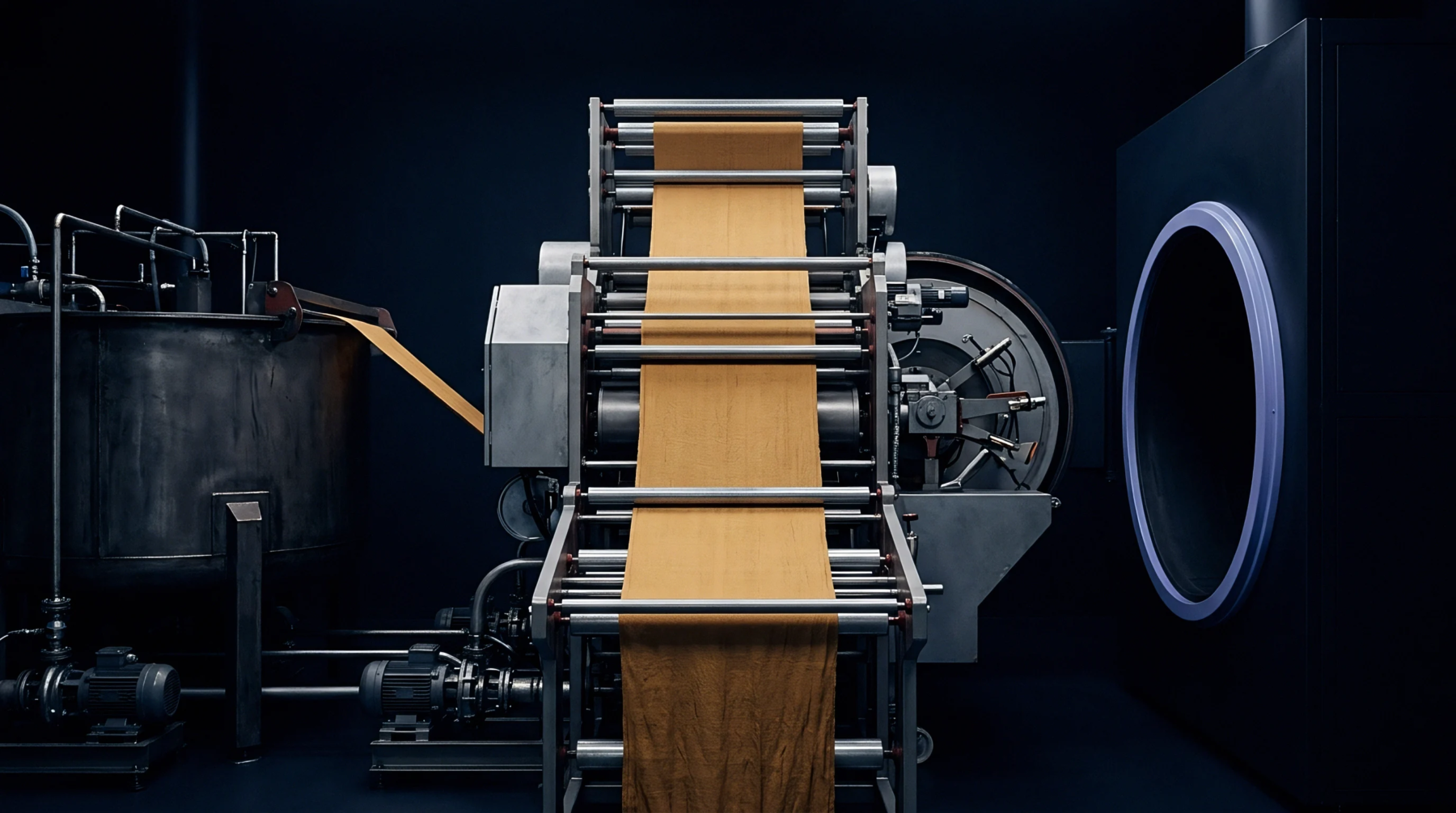
Fluid Characteristic
Specialized printing fluids exhibit a decrease in viscosity when subjected to mechanical force or high flow rates. A shear thinning paste is designed to remain thick while at rest but become fluid enough to pass through a screen or nozzle.
Printing Mechanism
Pressure from a squeegee or pump provides the necessary force to lower the resistance of the medium during the transfer phase. Once the force is removed, the fluid quickly regains its original thickness to prevent the design from spreading on the fabric. This rapid recovery is what keeps the edges of a printed pattern crisp and clear.
Formulation Component
Synthetic thickeners or natural gums are added to the dye or pigment mix to achieve the desired flow behaviour. The concentration of these solids determines the base viscosity and the degree of thinning that occurs under load. Formulators must balance these levels to guarantee the paste works across different mesh counts and printing speeds.
Testing these properties on a viscometer at multiple rotational speeds allows the chemist to map the flow curve for each batch.
Process Boundary
Excessive heat or improper mixing can permanently alter the molecular structure of the thickeners. If the shear thinning paste becomes too thin permanently, the ink will penetrate too deeply into the fabric, leading to poor colour intensity. Monitoring the rheology of the batch throughout the production day is a standard quality control task.