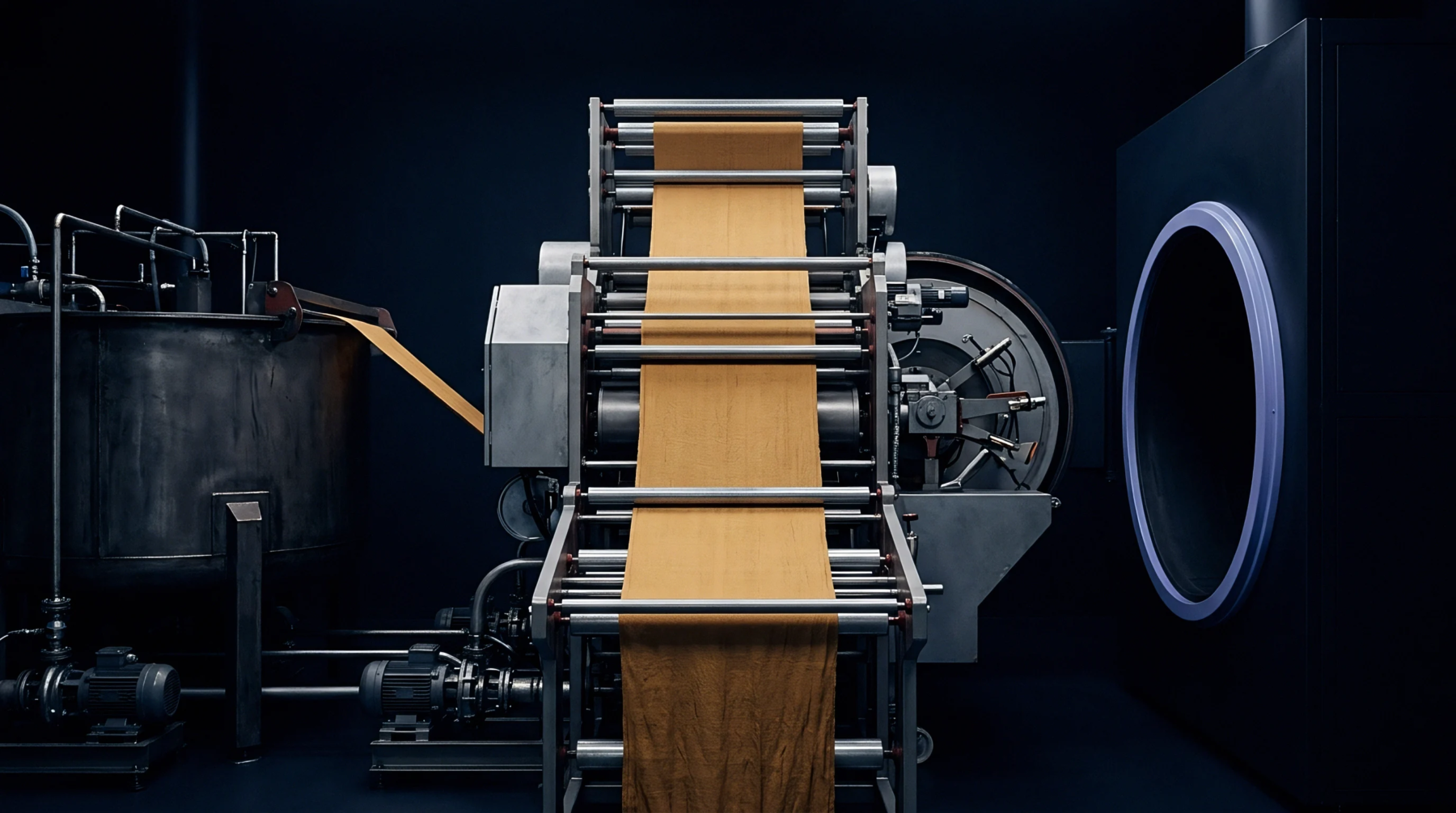
Production Floor
Minimum order quantity operates as the contractual volume baseline that spinning mills and dye houses demand before committing looms and vats to a specific yarn lot or dyebath. Buyers negotiating raw grey goods or finished woven cotton face this threshold whenever procurement departments issue purchase orders for commercial apparel collections. Mills establish the metric to offset the fixed cost of machine setup, warp beam preparation and chemical formulation matching.
Production planners calculate exact machine hours required for a run, ensuring that short batches do not interrupt the continuous output of industrial scale facilities. If yarn suppliers permitted single spool purchases, the frequent changeovers would stall industrial carding frames and inflate unit costs beyond commercial viability.
Lot Economics
Financial viability depends on how raw material yields align with industrial machine capacities during spinning and weaving. Spinning mills purchase staple fibres in bulk bales, requiring downstream fabric orders to consume entire preparatory lots without leaving stranded inventory in the warehouse. Purchasing agents weigh the cost of holding surplus finished fabric against the price penalty imposed for ordering beneath the mill threshold.
Dye houses charge steep machine preparation fees when batch sizes fall below standard capacity, rendering small orders financially burdensome for garment manufacturers launching test markets.
Setup Thresholds
Mechanical adjustments on modern rapier looms and rotary screen printing machines demand extensive labour before a single yard of fabric meets technical specifications. Technicians calibrate tensioners, align warp threads and test colour paste viscosity during preliminary calibration runs that generate unavoidable waste material. Minimum order quantity prevents mills from absorbing the labor cost of these calibration phases on tiny batches of specialized technical textiles.
When apparel brands demand custom shades for seasonal garment lines, dyers apply the volume restriction to guarantee that dye liquor ratios remain stable throughout the entire fixation process.
Supply Boundaries
Commercial disputes arise when delivered textile rolls deviate from agreed specifications and the remaining batch size falls below the contractual threshold during defect sorting. Quality assurance inspectors reject substandard meters during final auditing, leaving the remaining compliant volume smaller than the original mill requirement. Mills settle these shortages through price credits rather than running short replacement batches on idle looms.
Procurement contracts specify whether the baseline volume applies to total grey fabric weight or finished apparel yardage after finishing treatments.