Cylinder Perforation
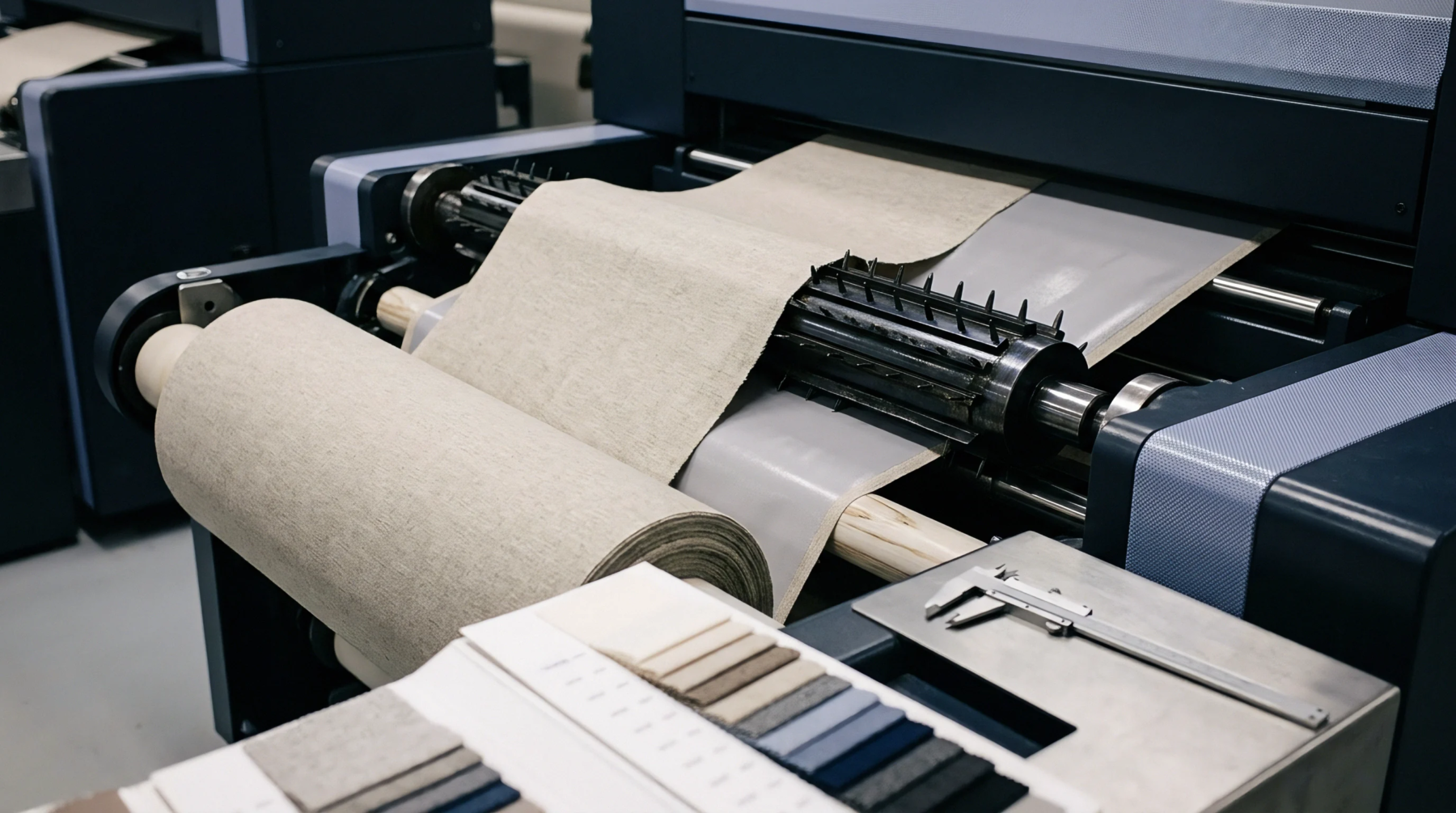
Continuous roll printing mechanisms force chemical colour paste through micro-perforated nickel cylinders directly onto moving open-width fabric surfaces. High-volume commission finishing plants run rotary screen printing for long apparel and home furnishing production runs exceeding three thousand metres per colourway. Seamless cylindrical screens are manufactured by electroforming nickel into perforated meshes spanning sixty to one hundred ninety-five holes per linear inch.
Lacquer coatings block non-image areas, leaving exposed mesh apertures that define design motifs for each individual colour station. The mechanical setup positions multiple print cylinders sequentially along an endless blanket conveyor, with each screen contributing one separate dye or pigment paste.
Paste Squeeze
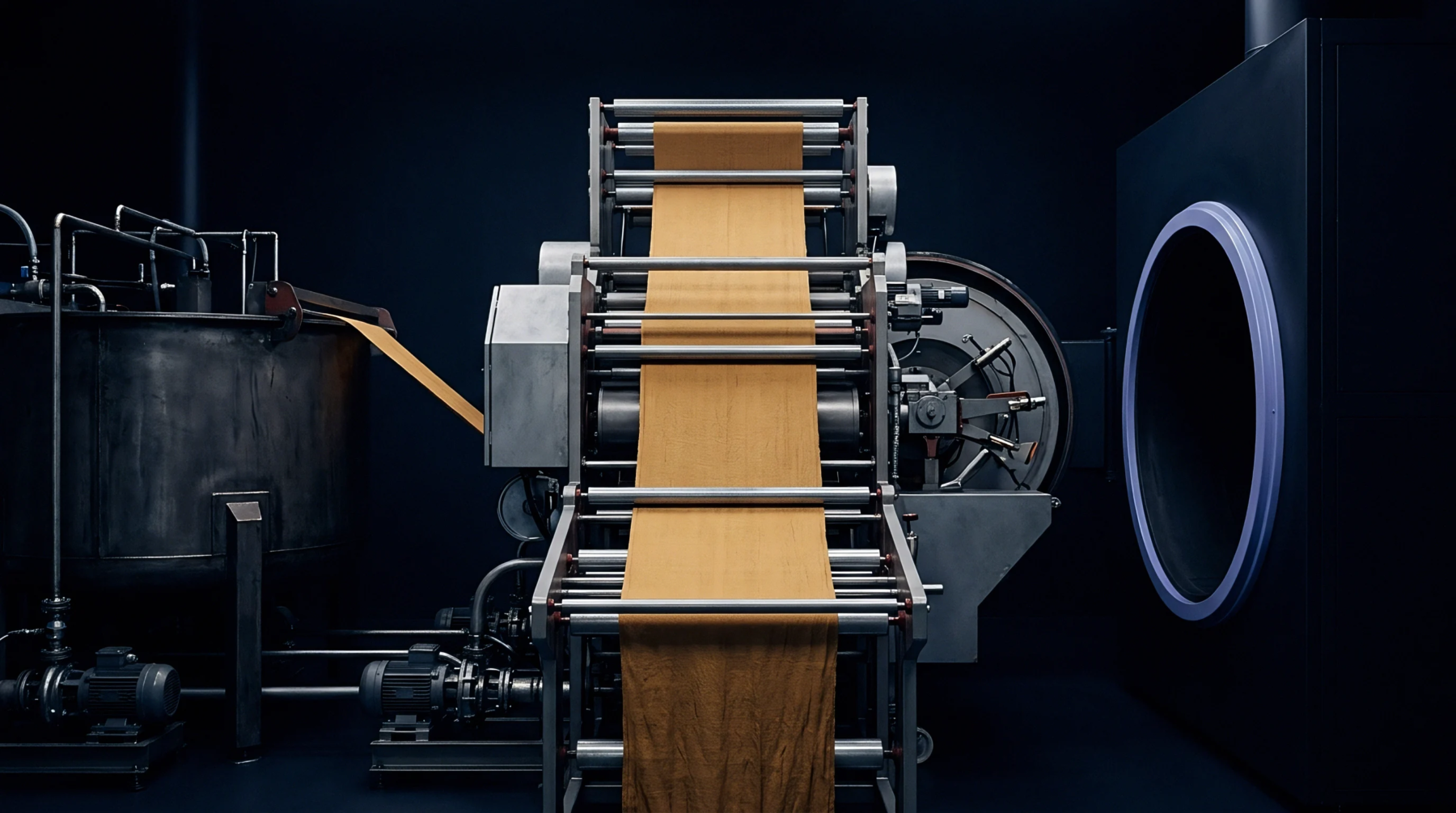
Viscous printing paste enters screen interiors through automated feed pipes, where an internal squeegee mechanism drives paste outward through open mesh perforations. Metal squeegee blades or magnetic steel roller bars generate uniform downward pressure across the entire fabric width. Fabric travels continuously underneath on an adhesive-coated conveyor belt, which prevents web distortion during wet application.
Capillary suction and mechanical pressure transfer the print formulation cleanly into yarn intersections without flooding neighboring boundaries. Color formulation rheology requires precise viscosity balancing with synthetic thickeners to ensure crisp pattern boundaries. The continuous rotational movement enables production speeds reaching eighty metres per minute.
Registration Precision
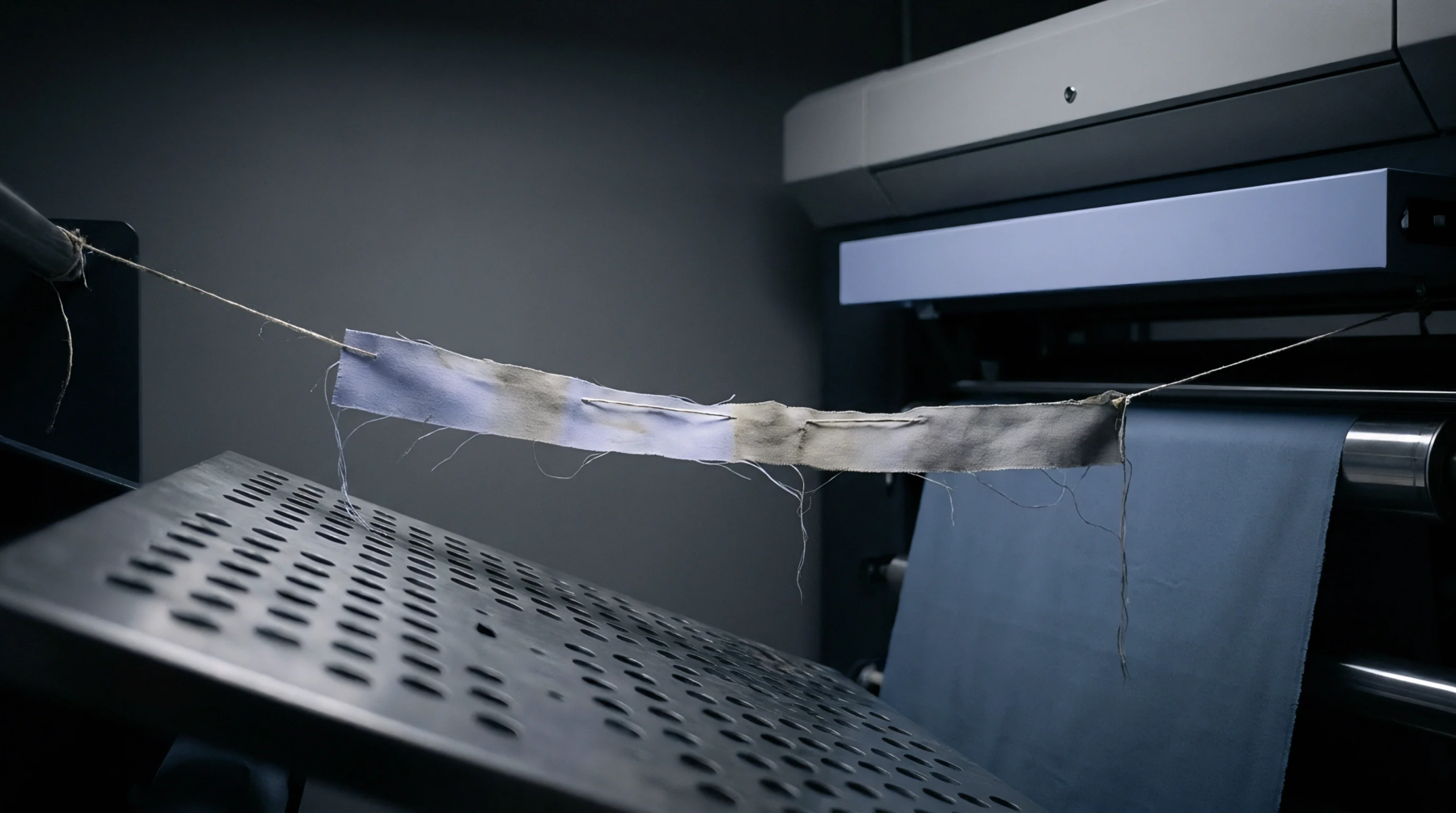
Maintaining exact mechanical alignment between successive screen stations determines overall visual print quality. Precise drive motors synchronize individual cylinder rotations with blanket travel, avoiding pattern overlapping or unprinted gaps between adjacent colors. If fabric tension fluctuates, woven and knit goods skew, causing misregistration defects across complex multi-color designs.
Operators monitor camera systems along the print line, using electronic micro-stepping controls to adjust cylinder position along the warp, weft, and diagonal axes while the machine runs. Screen mesh selection matches design complexity, employing fine mesh counts for delicate lines and coarse screens for broad coverage areas.
Production Threshold
Long processing runs represent the fundamental economic domain of cylinder screen print technology. High initial setup costs, screen engraving expenses, and lengthy paste preparation make short runs financially unfeasible compared to digital alternatives. Setup operations demand extensive wash-down procedures between design changes, requiring copious water to clean paste residues from screens, color pumps, and squeegees.
Once calibrated, the process achieves exceptionally low unit costs and deep dye penetration on heavy substrates like cotton twill, canvas, and upholstery velvet. Color fastness exceeds digital pigment printing because formulations carry higher concentrations of binders and crosslinking resins. The manufacturing technique ceases to be commercially practical when orders drop below standard screen break-even yardage thresholds.