Engraving Expenditure
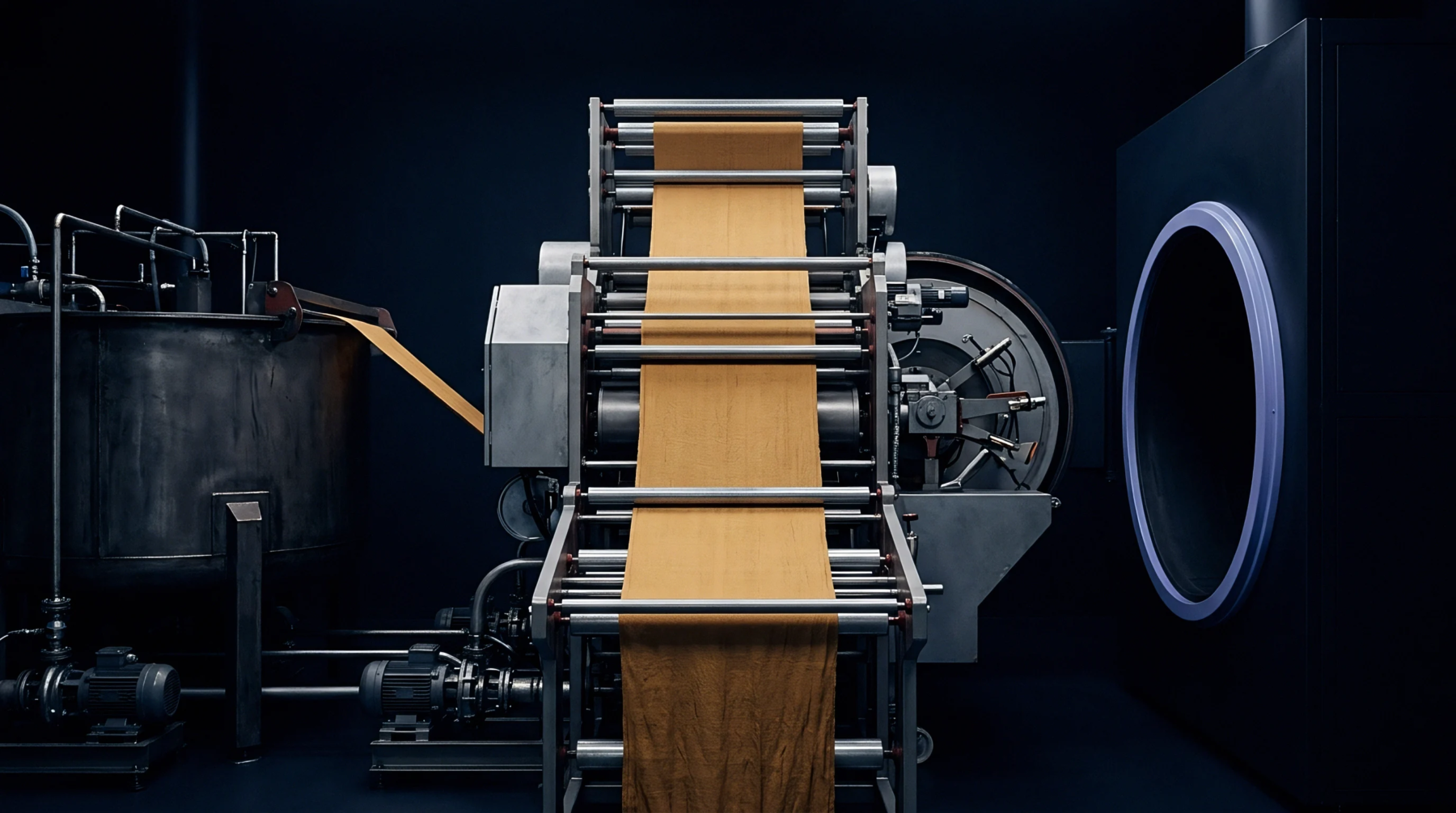
Rotary screen preparation represents a mandatory capital outlay for high-volume textile printing operations where individual design motifs require specific nickel mesh stencils. Screen engraving cost defines the fixed charge billed by the engraver to the printer for the laser or galvanic generation of permanent stencil patterns upon metal tubes. This specific charge covers the labour, electricity and chemical etching materials required to turn a digital pattern file into a functional tool for rotary printing machines.
It applies to every new design iteration or colour separation change during the production planning phase.
Operational Parameters
The technical requirement for this expense arises when a textile house selects the rotary screen printing method over digital inkjet alternatives. Engravers base their fees on the circumference and width of the mesh cylinder, alongside the complexity of the design density or line resolution requested by the design studio. Large format repeats demand wider rollers, which increases the time required for laser ablation or the duration of the galvanic process.
Small or fine detail work adds further labour time, as the technician monitors the accuracy of the etching against the digital design map. If the pattern demands multiple distinct colours, the operation generates one individual screen for every shade, multiplying the base fee by the total number of print heads active on the rotary machine. Printing houses mitigate these outlays by maintaining long-term service agreements with dedicated engraving facilities or by installing internal laser exposure hardware when production cycles justify the investment.
Once the technician completes the etching, the shop retains the tool for future production runs of that specific design, provided the mesh remains free of cracks or damage.
Assessment Criteria
Precision constitutes the primary axis of value during the audit of these fabrication invoices. High quality output requires perfect registration of the etched apertures across the entire surface of the nickel mesh to prevent trapping or colour bleeding during the ink application process. A cost difference exists between manual chemical etching and modern direct laser exposure, with the latter offering superior resolution at a premium.
Printers weigh the higher initial fee of laser engraving against the lower waste percentages achieved during the setup of the bulk printing process. The durability of the screen coating affects the longevity of the tool under high pressure, as weak emulsion layers fail after short press runs.
Financial Impact
Budgeting for screen engraving cost dictates the minimum order quantity for any textile print program. Short runs become uneconomical because the fixed charge distributes over fewer metres of fabric, driving up the unit price significantly. Large production orders reduce the impact of these initial outlays through dilution across the full yardage.
Procurement teams track the ratio of engraving fees to total job profit to determine the viability of offering complex multicolour patterns. High fixed charges remain an unavoidable consequence of using rotary machinery to achieve specific penetration depths that digital processes struggle to replicate. The expense represents a sunken commitment to a design before the first metre of fabric meets the ink.