Managing Hydrodynamic Pressure and Wet Pickup Variations in High Speed Padding
Dynamic hydrodynamic lift expands padder nip clearance at high line speeds, increasing wet pickup; controlling roll durometer and liquor viscosity stabilizes add-on.
Dynamic hydrodynamic lift expands padder nip clearance at high line speeds, increasing wet pickup; controlling roll durometer and liquor viscosity stabilizes add-on.
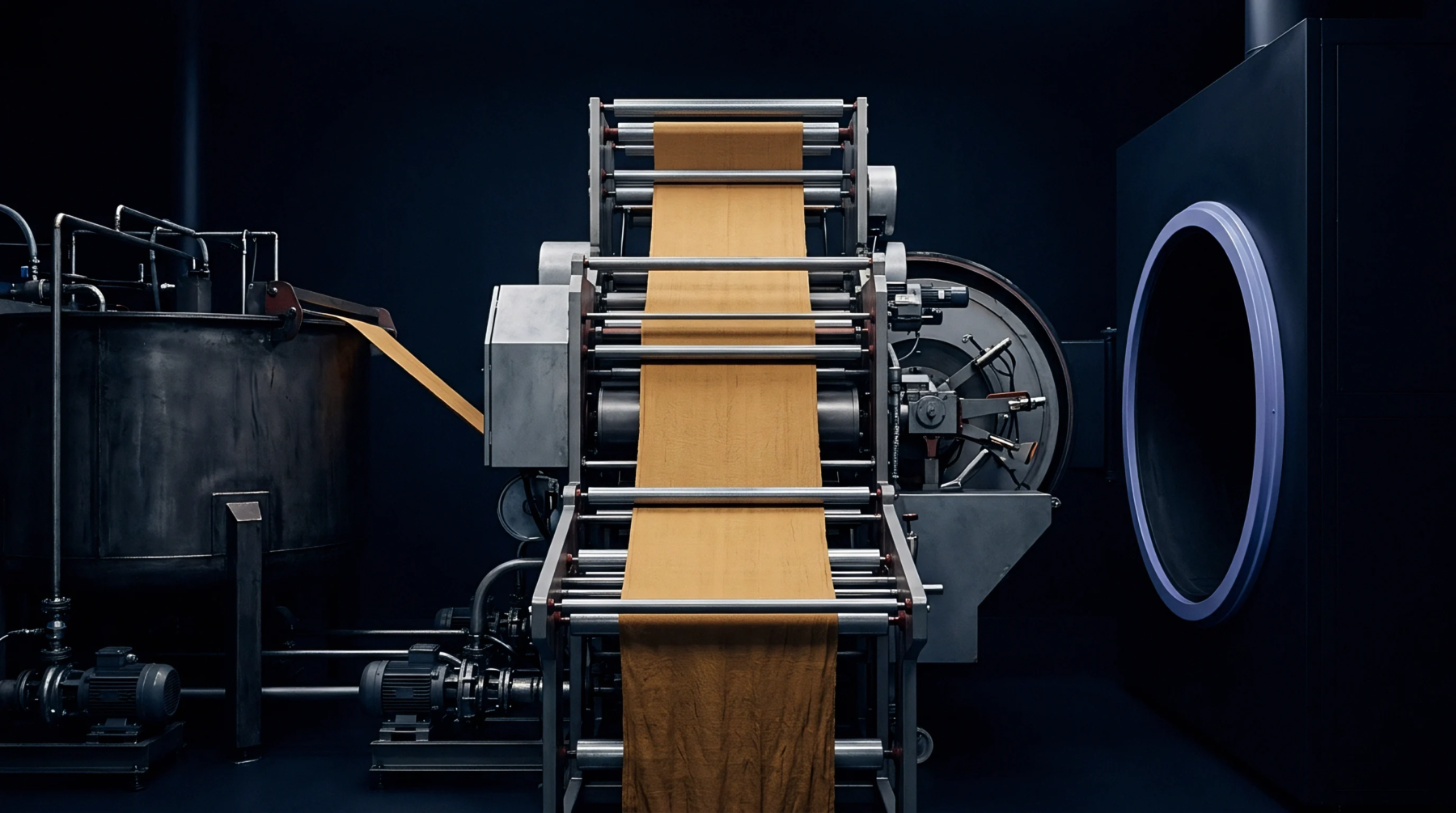
Calibrating continuous dyeing automated dosing systems requires gravimetric Coriolis flowmeters that pace mass delivery against wet pickup and fabric moisture.
Dynamic viscosity between 3 and 14 mPa·s at high shear rates governs droplet jetting stability and prevents satellite defects in piezo textile printing.
Dynamic viscosity shifts in concentrated dye liquors disrupt multi-chamber circulation flow, requiring real-time shear monitoring to secure level bulk dyeing.

Electromagnetic magmeters with PFA linings provide accurate dyebath velocity monitoring at 130°C while differential pressure taps require purge lines.
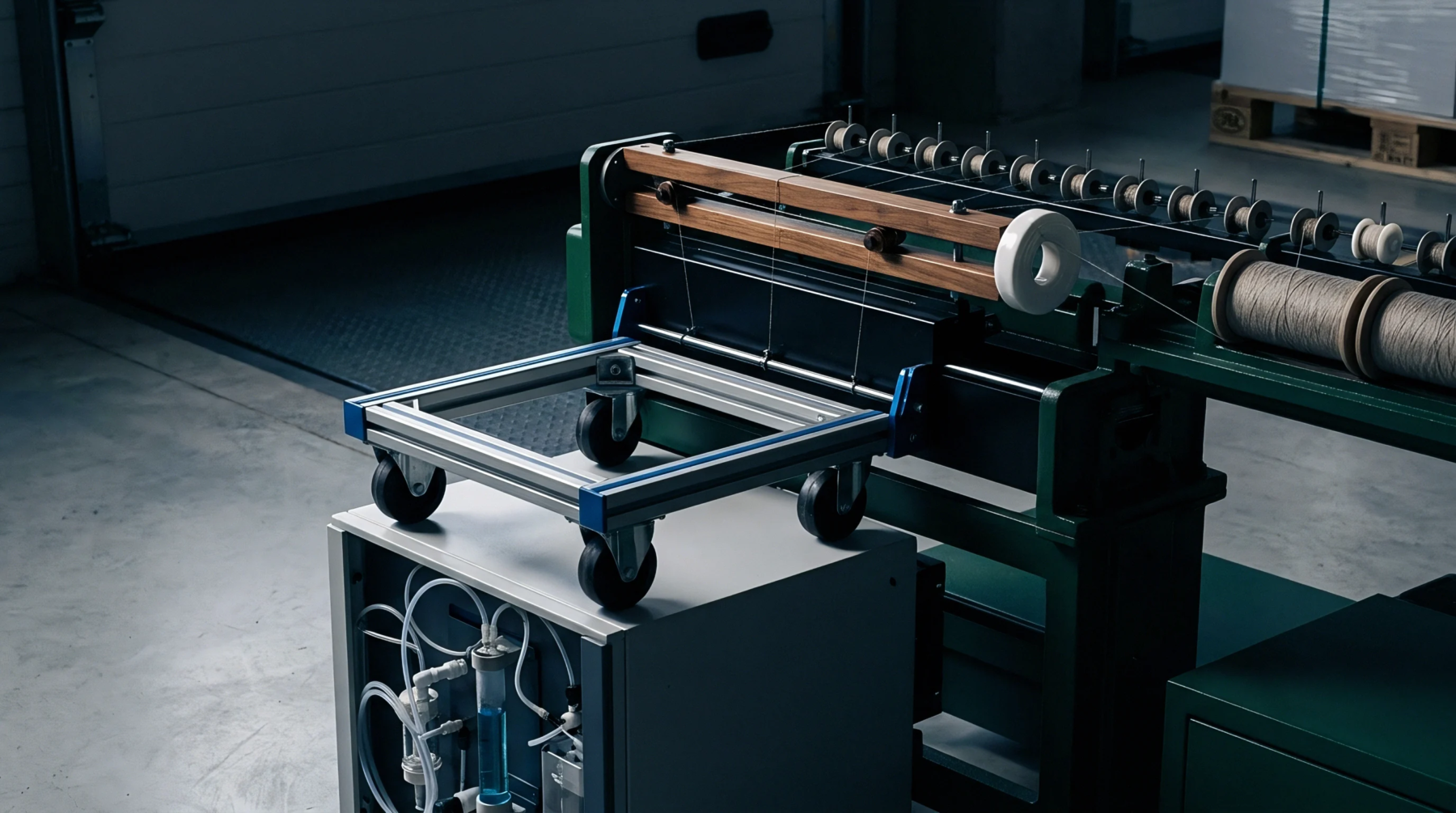
Inline Coriolis mass dosing coupled to variable slot die hydraulics guarantees uniform dry coat weight and prevents boundary layer failure across high-speed webs.
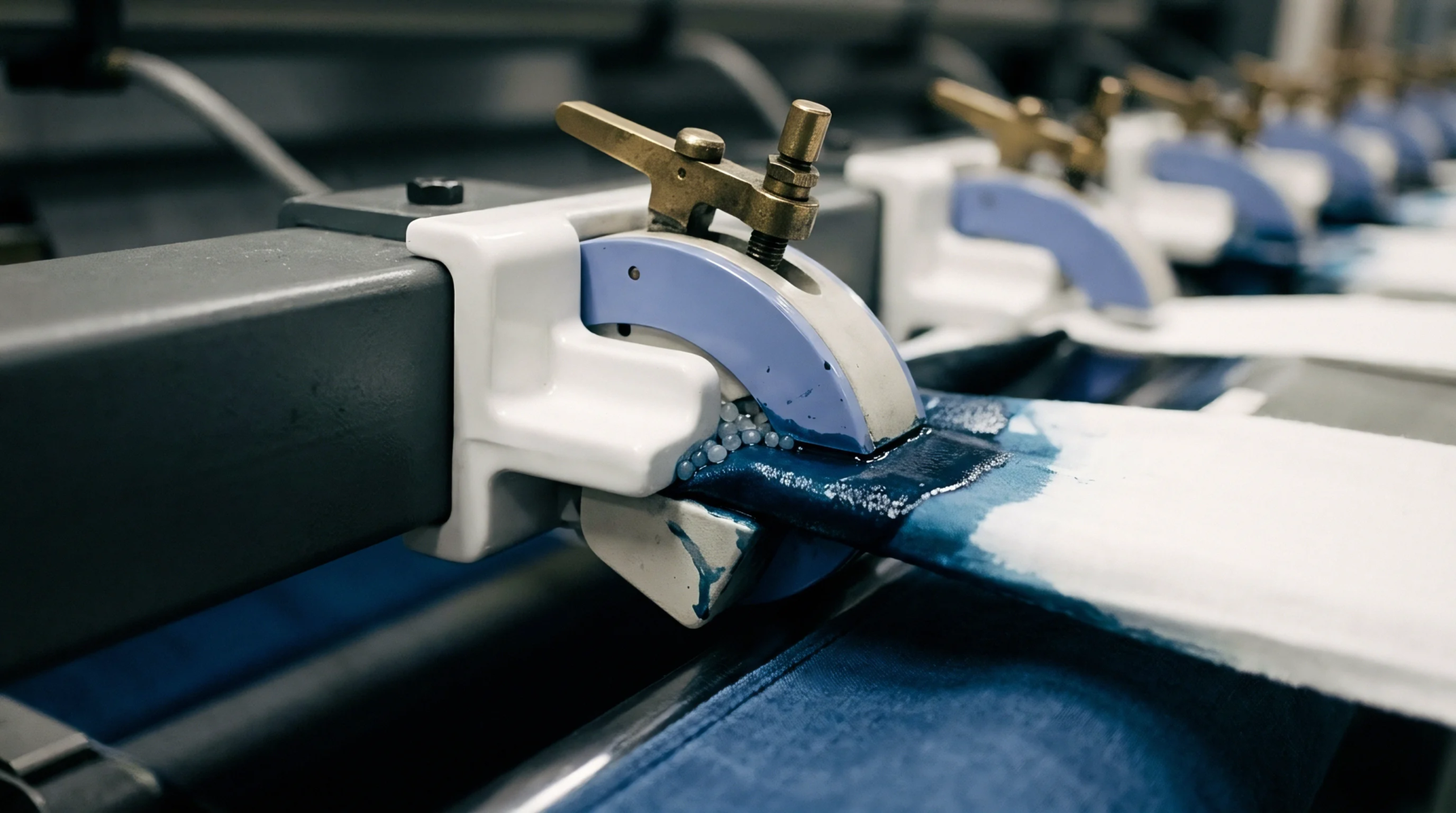
Inline resonant density sensors enable millisecond alkali metering adjustments in continuous dyeing, preventing costly reactive dye hydrolysis and batch shade drift.
Non-linear honeydew discounts offset rotor speed reductions and cleaning downtime when trehalulose levels exceed critical sticky thresholds.

Maintain jet dyeing fluid shear stress below 28 Pa for lyocell and 45 Pa for microfibers by capping nozzle pressure at 1.2 bar and relative velocity at 2.5 m/s.
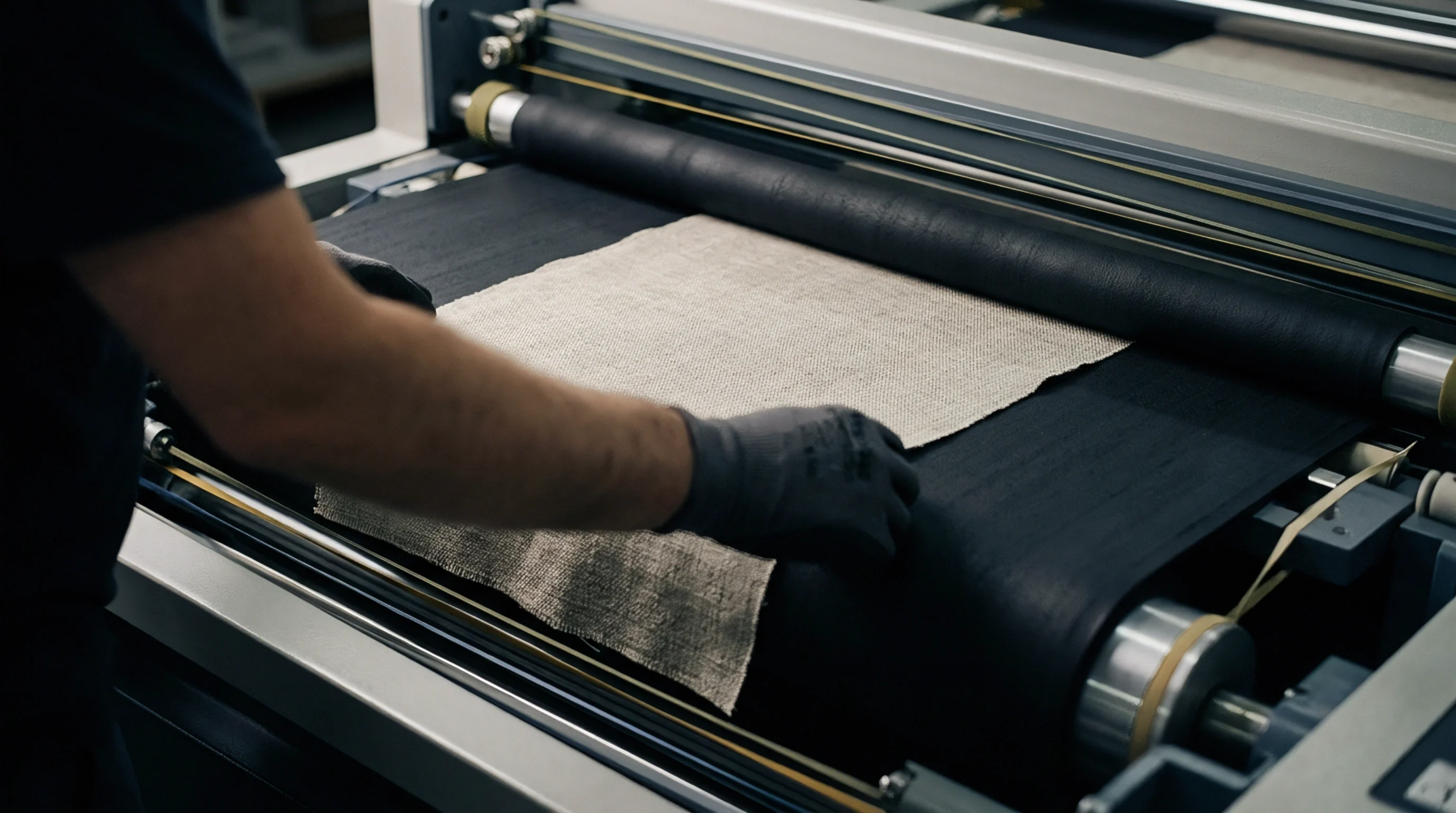
Digital single pass printing delivers lower unit costs below three thousand metres while rotary screens dominate higher volumes through cheap paste chemistry.

Hydraulic boundary layer shear in high-pressure jet throats strips microfilaments when liquor-to-rope relative velocity exceeds 3.8 metres per second.
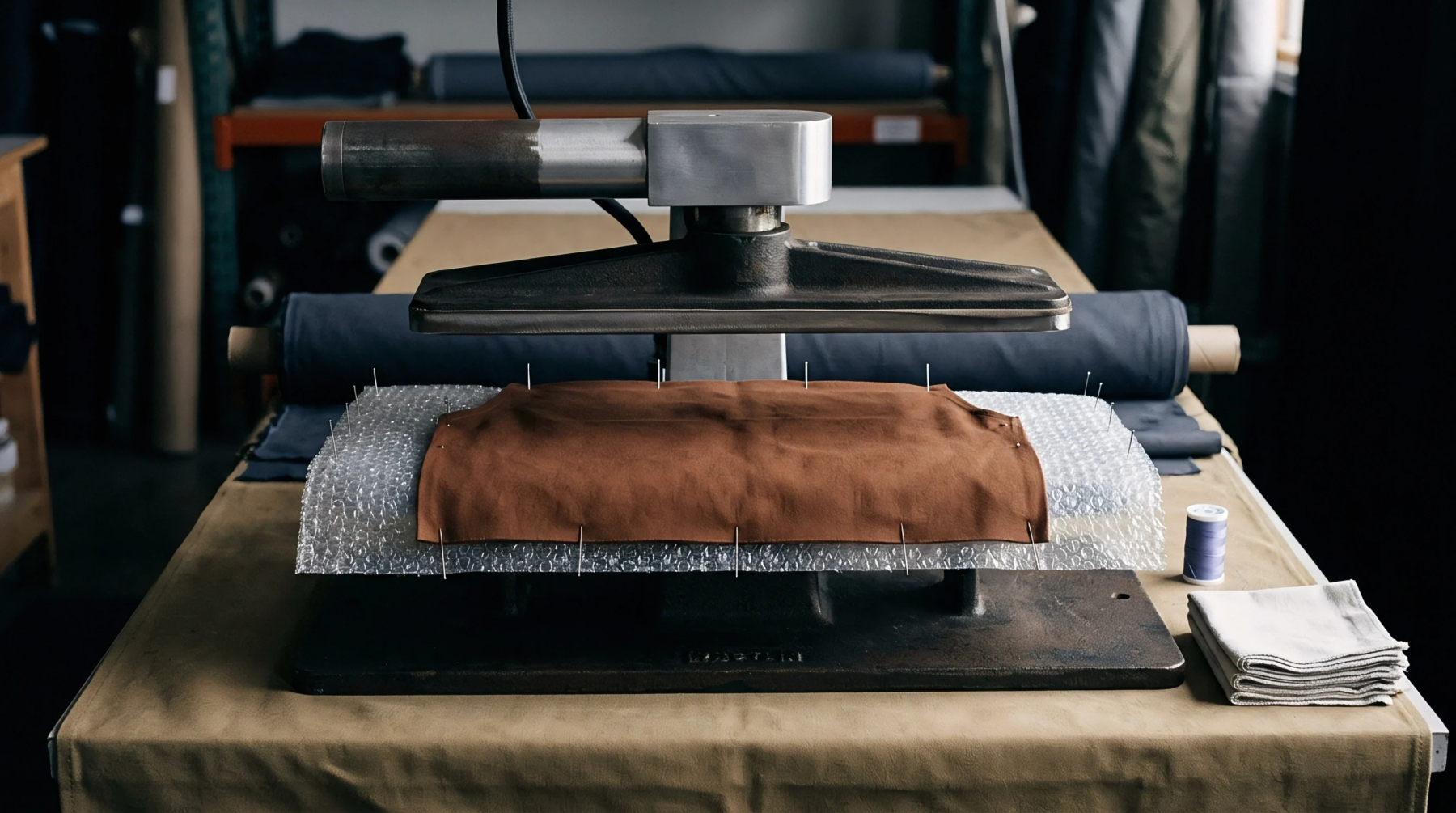
Matching radiative spectrum to polyelectrolyte thermal activation prevents premature surface gelation and ensures deep binder penetration in heavy cottons.

Aligning print technologies requires specifying CIEDE2000 tolerances below 0.8, capping metamerism indices under secondary illuminants, and adjusting wet crock floors.
Matching digital ink shear viscosity with controlled pad pick-up targets optimizes optical density and suppresses edge bleeding in high-speed printing.
Localized cotton rope hydrolysis kinetics depend on core capillary ion concentration and localized temperature dynamics rather than bulk liquor pH.

Sustaining a 1.8 percent ester lubricant film on elastane cores prevents elastomeric rupture when jet nozzle pressure exceeds 2.2 bar.
Expertise is a utility, not a secret. sentiention™ publishes its working knowledge as open reference: intelligence layer covering the materials it sources, the markets it enters, and the reference that serves both.